AFRICA'S PEARL
Uganda is one of Africa’s most extraordinary destinations — a land of superlatives where the continent’s highest mountain range towers above dense rainforest valleys, and over half the world’s mountain gorillas reside within Bwindi in the greatest wildlife encounter on Earth.
Bisected by the equator to the center and flanked by two of Africa’s Great Lakes, Uganda encompasses an astonishing diversity of landscapes: from the snow-capped peaks of the Rwenzoris to the depths of Lake Bunyonyi, the continent’s second deepest lake. The country borders the Victoria Nile to the south and includes the islands of Ssese, Bugala, and Banda.
Uganda Tours and Adventures
km² of stunning territory, earning its title as the "Pearl of Africa."
UNESCO World Heritage Sites protecting both natural wonders and deep cultural history.
Distinct constitutional tribes and ethnic groups, dividing beautifully across Bantu, Nilotic, and Central Sudanic languages.
Of Uganda's entire land area is legally protected, safeguarding its famous primate populations and savannahs
Must See Destinations
From the continent’s ultimate primate encounters to Africa’s most powerful waterfall and idyllic inland islands — Uganda offers experiences found nowhere else on Earth.
When to Visit
Uganda is a year-round destination, but each season offers a different and equally rewarding experience.
Witness optimal trekking conditions as clear skies dry the mountain trails of Bwindi and Mgahinga. Primate activity is easy to track as gorillas and chimpanzees stay in lower canopy layers to forage on fresh fruit.
BEST FOR: Gorilla tracking, chimpanzee habituation, clear photography.
The heavy rains transform Uganda into a lush, emerald paradise. While some mountain trails muddy, this is an excellent time for birdwatching, primate photography, and experiencing Uganda’s forests without the crowds at significantly lower rates.
BEST FOR: Birdwatching, rainforest photography, budget travel
The prime trekking season. Vegetation thins, mountain trails dry out, and chimpanzees and mountain gorillas become highly active across the terrain. This is the best time for wildlife viewing across all of Uganda’s parks.
BEST FOR: Gorilla tracking, safaris, boat cruises
The short rains bring scattered showers and renewed greenery. The migratory birds arrive from Europe and Asia back to the shores of Lake Victoria. Ssese Islands enjoy excellent beach weather during this period.
BEST FOR: Ssese Islands, bird migration photographing
Uganda Experiences
From the continent’s ultimate primate encounters to Africa’s most powerful waterfall and idyllic inland islands — Uganda offers experiences found nowhere else on Earth.
Other Destinations
Beyond the famous Western Circuit, Uganda’s eastern and northern regions offer extraordinary wildlife experiences away from the crowds.
Less visited but equally spectacular, the Eastern & Northern Circuit offers a more remote and exclusive safari experience. Kidepo Valley National Park is Uganda’s most isolated and hosts impressive buffalo herds and rare cheetahs.
Highlights
Cheetahs & Remote Wilderness
Highlights
5–8 days
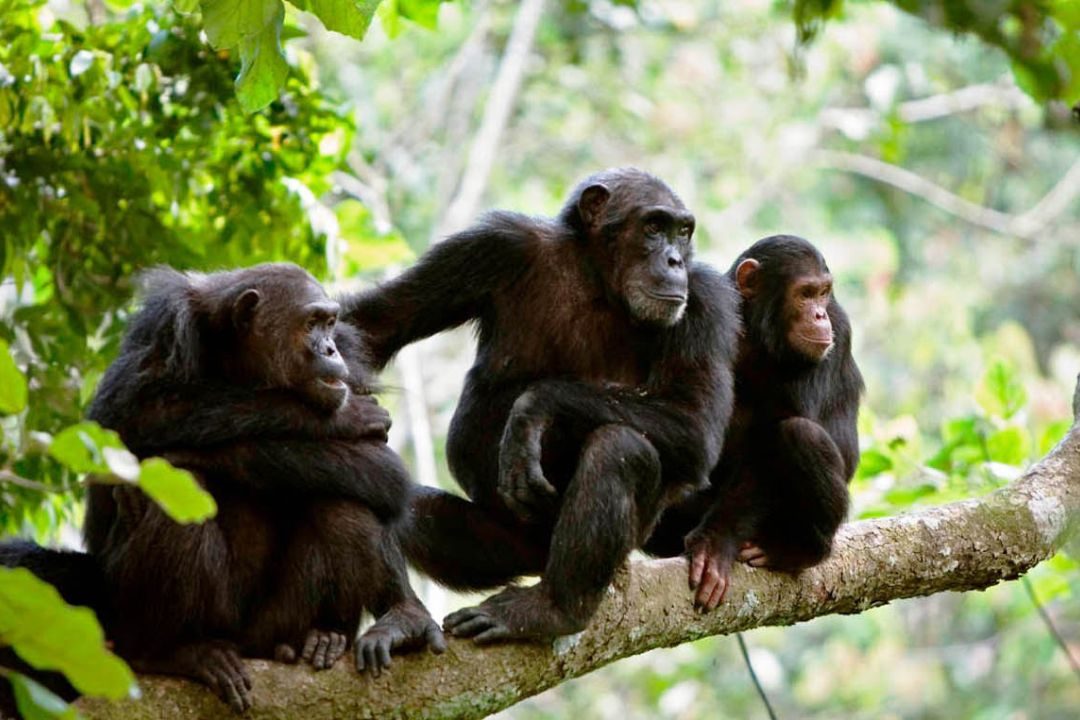
Uganda’s premier primate circuit, the Western parks border the Albertine Rift. Budongo Forest and Kibale Forest are the ultimate places in Uganda to trek wild chimpanzees, while Semuliki offers a truly off-the-beaten-track experience.
Highlights
Chimpanzee Trekking
Highlights
What you Need to Know
Uganda is East Africa’s hidden gem, encompassing an extraordinary range of landscapes — from the snow-capped peaks of the Rwenzoris to the depths of Lake Bunyonyi, the continent’s second deepest lake. The country sits astride the equator to the center and includes the lush islands of Ssese, Bugala, and Banda.
Margherita Peak 5,109m
Victoria, Albert, Edward
Over 500 km Lake Albert & Victoria
26% of total land in Uganda

The iconic Queen Elizabeth and Murchison Falls plains stretch across western and northern Uganda, supporting legendary populations of elephants, lions, and buffaloes.

The Rwenzori Mountains and the volcanic peaks of the Virunga Highlands form dramatic backdrops and harbour unique endemic primates.

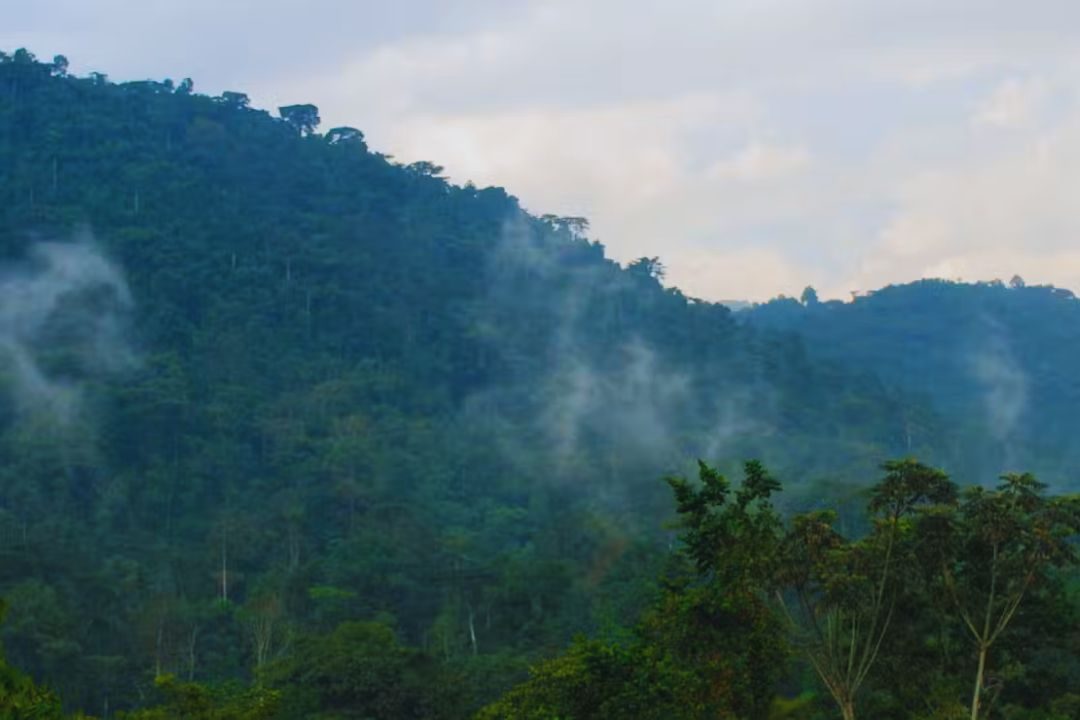
The ancient Albertine Rift forests are among Africa's most biodiverse ecosystems, home to mountain gorillas found nowhere else on Earth.
June – August
March – May
Oct – November
22–30°C year-round

The best time for wildlife and gorilla trekking. Trails are drier, visibility in the forests is clearer, and animals are easier to spot in Uganda's savannah parks.

Lush landscapes, fewer tourists, and lower prices. Excellent for birdwatching and primate tracking, with forest trails at their most atmospheric and green.

Areas like Bwindi, the Rwenzoris, and Kigezi Highlands enjoy a cooler, more temperate climate year-round, with temperatures ranging from 10–22°C.
9 October 1962
25 January 1986
Over 1,000 years of history
One of Africa's oldest kingdoms

The Kingdom of Buganda, established around the 14th century, is one of Africa's oldest and most sophisticated monarchies, with the Kabaka (king) still playing a central cultural role today

British protectorate rule from 1894 transformed Uganda's society, economy, and borders. Missionaries, railways, and cash-crop agriculture shaped the country, leaving a legacy still felt in its institutions and religious landscape.

Under President Museveni, Uganda has experienced decades of relative stability and economic growth, becoming a regional hub with a young, fast-growing population and significant natural resources including oil.
56+ distinct groups
Baganda people
Kiswahili
Christian, Muslim, Traditional

Uganda's most famous residents, the mountain gorillas of Bwindi Impenetrable Forest, are a critically endangered species that draws wildlife enthusiasts from around the world for life-changing trekking encounters.

The Baganda are the largest ethnic group in Uganda, known for their rich cultural traditions, the Kabaka monarchy, the Kasubi Royal Tombs (a UNESCO World Heritage Site), and Uganda's famous matoke (green banana) cuisine.

The Acholi and Langi peoples of northern Uganda are celebrated for their vibrant music, dance, and oral traditions. The bwola royal dance of the Acholi is a UNESCO-recognised intangible cultural heritage.
Ugandan cuisine is hearty and rooted in the land. Staples include matoke (steamed green bananas), posho (maize porridge), rice, and sweet potatoes, accompanied by groundnut stew, roasted goat, and fresh Nile perch from Lake Victoria. The beloved rolex — a rolled chapati stuffed with eggs and vegetables — is Uganda’s most iconic street food.
Staple Food Matoke (steamed green bananas)
Rolex (chapati & egg wrap)
Nile Special, Uganda Waragi & Bell Lager
Fresh from Lake Victoria

Uganda’s national staple, these green bananas are steamed in leaves until soft and tender. They are traditionally served with a rich, savory groundnut (peanut) sauce or a hearty meat stew.

A traditional delicacy where meat or vegetables are seasoned, wrapped in banana leaves, and slow-steamed. This method locks in moisture and creates a uniquely tender, aromatic, and flavorful meal.

The ultimate Ugandan street food, the "Rolex" is a fresh, hot chapati rolled around a savory vegetable omelet. It’s delicious, portable, and the perfect quick bite for any traveler.
Travel Essentials
Everything you need to know to plan your Uganda adventure — from transport and currency to customs and shopping.
By Air
Entebbe International Airport (EBB) is the main international gateway. Domestic flights and scheduled charters connect Entebbe to major park airstrips.
By Road
Buses and matatus (shared minibuses) connect major towns. Taxis and ride-hailing apps (SafeBoda, Uber) are available in Kampala and Entebbe. Self-drive is possible but challenging.
By Water
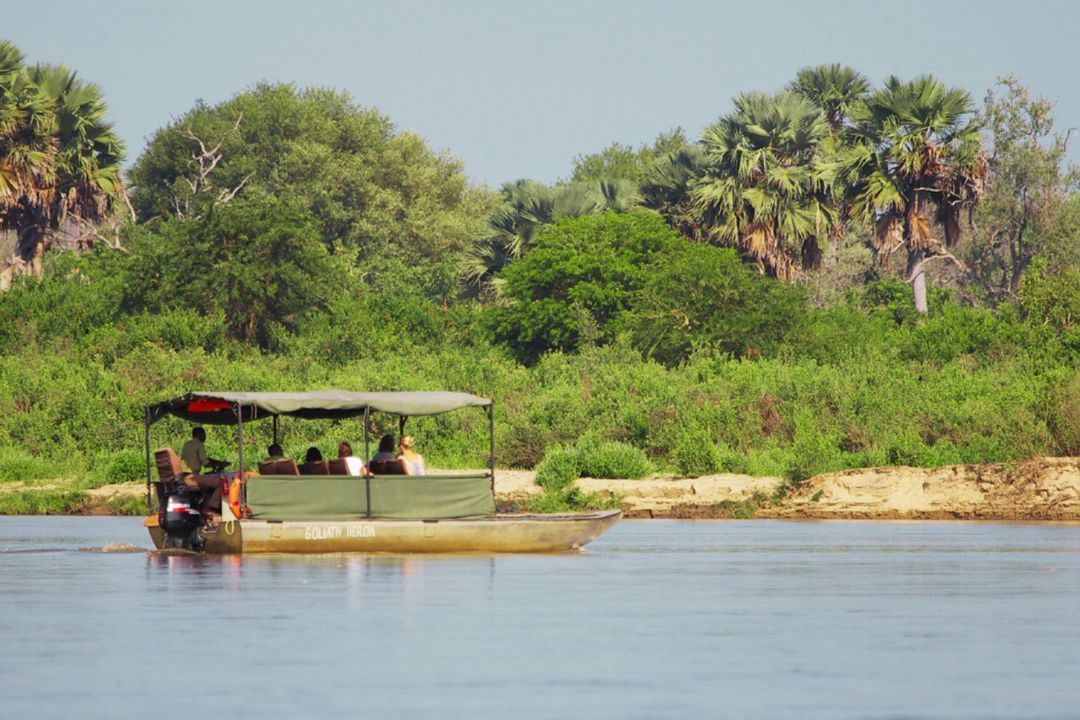
Ferries connect Entebbe and Kampala to the Ssese Islands (fast ferry: 3 hours). Lake transport operates on Lakes Victoria, Albert, and Bunyonyi for scenic travel.
Currency
The Ugandan Shilling (UGX) is the official currency. USD is widely accepted in tourist areas, lodges, and national parks. Carry small denominations printed after 2013.
Exchange
Banks and forex bureaux offer exchange services. ATMs are available in major cities. Credit cards are accepted at larger hotels and lodges but not widely elsewhere.
Tipping
Tipping is customary. For safari guides and Primate Trackers and Porters, USD 10–20 per day is standard. Hotel staff, porters, and restaurant servers also appreciate tips.
Mobile Networks
MTN and Airtel are the main providers. SIM cards are cheap and widely available. Coverage is good in cities and tourist areas but limited in remote parks.
Internet
Wi-Fi is available in most hotels, lodges, and restaurants in cities. Remote safari camps may have limited or no connectivity — embrace the digital detox!
International Calls
Uganda’s country code is +256. International roaming can be expensive; a local SIM card is recommended for extended stays.
Dress Code
Dress modestly, especially when traveling through rural towns and local communities. Cover shoulders and knees out of respect for local customs. Swimwear is appropriate only at pools and beach resorts.
Greetings
Ugandans are exceptionally warm and polite. A handshake is the standard greeting. Learning basic phrases in local languages (Luganda: Oli otya? Kale! Webale!) is greatly appreciated.
Photography
Always ask permission before photographing people. Some communities charge a small fee. Photography is prohibited at government buildings, airports, and military installations
What to Buy
Barkcloth items, banana leaf art, hand-woven baskets, Ugandan coffee, and locally harvested shea butter make excellent souvenirs.
Where to Shop
Kampala’s Buganda Road Craft Market, Friday Craft Market, and Entebbe’s local bazaars offer authentic local goods. Bargaining is expected in markets.
Ugandan Coffee
Grown on the volcanic slopes of Mount Elgon and the Rwenzoris, Ugandan Arabica and Robusta are world-class coffees. Buy directly from local roasters or reputable shops.
Voltage & Frequency
Uganda uses 240V / 50Hz electricity. Power outages can occur, especially in rural areas. Most lodges have backup generators.
Plug Types
Type G (British 3-pin) plugs are standard. Bring a universal adapter if your devices use different plug types. USB charging is widely available in modern hotels.
Power Banks
A portable power bank is highly recommended for safari trips, as charging opportunities may be limited in remote camps and during game drives.
Stay Safae & Healthy
Uganda is generally safe for travellers. With the right preparation, your visit will be healthy, safe, and unforgettable.
Yellow Fever vaccination is mandatory for entry for all travellers. Recommended vaccines include Hepatitis A & B, Typhoid, Tetanus, Meningitis, and Rabies. Consult a travel health clinic 6–8 weeks before departure.
Malaria is present throughout Uganda, including island areas. Take antimalarial medication as prescribed, use DEET-based insect repellent, sleep under mosquito nets, and wear long sleeves and trousers after dusk.
Drink only bottled or purified water. Avoid ice in drinks unless you are certain it is made from purified water. Eat at reputable establishments i.e well reviewed Restaurants and Hotels and avoid raw or undercooked food from street vendors.
Major cities have hospitals and clinics. Kampala and Entebbe have the best medical facilities. Remote areas have limited healthcare. Comprehensive travel insurance with medical evacuation cover is essential.
Uganda sits right on the equator and the sun is intense. Use high-SPF sunscreen, wear a wide-brimmed hat, and stay hydrated. Heat exhaustion is a risk during strenuous activities like Rwenzori mountaineering or gorilla tracking.
As of 2026, Uganda has fully reopened to international arrivals with no COVID-19 border testing or mandatory entry forms. However, a vaccination certificate or a negative PCR test within 24 hours may still be requested for entry into some government buildings and formal public venues. Always verify the latest protocols with the Directorate of Citizenship and Immigration Control before travel
Uganda has fully reopened to international arrivals with no COVID-19 border testing or mandatory entry forms. However, a vaccination certificate or a negative PCR test within 24 hours may still be requested for entry into some government buildings and formal public venues. Always verify the latest protocols with the Directorate of Citizenship and Immigration Control before travel.
Common Questions
Most nationalities require a visa to enter Uganda. You must apply and pay online in advance through the Uganda Electronic Visa/Permit Application System (visas.immigration.go.ug) as visas are no longer issued on arrival. East African Community (EAC) citizens from Kenya, Tanzania, Rwanda, Burundi, and South Sudan do not require a visa. Costs vary by nationality, typically USD 50 for a single-entry tourist visa, or USD 100 for an East Africa Tourist Visa (covering Uganda, Rwanda, and Kenya).
A Yellow Fever vaccination certificate is mandatory for entry into Uganda for all travellers aged 1 year and older. Other highly recommended routine vaccinations include Hepatitis A & B, Typhoid, Tetanus, Meningitis, Polio, and Rabies. Since Uganda is highly endemic for malaria, taking prescription antimalarial prophylactics is essential for your health and safety.
Uganda is generally very safe, welcoming, and hospitable for tourists. Most visits are entirely trouble-free, especially within organized safari circuits and national parks where security is highly prioritized. As with any destination, use common sense in busy urban centers like Kampala: avoid walking alone at night, stick to well-lit areas, and keep your valuables secure and out of sight.
The best time to visit Uganda is during the dry seasons from June to August and December to February. During these months, mountain trails are dry and optimal for gorilla and chimpanzee trekking, and wildlife concentrates around water sources in the savannah parks, making game drives highly rewarding. However, the rainy “emerald” seasons offer beautiful lush scenery, excellent birdwatching, and lower prices.
You should bring US Dollars (USD) to Uganda. Ensure all notes are crisp, clean, and printed after 2013, as older notes or those with tears, stamps, or heavy folds are widely rejected by banks and forex bureaux. While USD is accepted at major lodges and national parks, you should exchange some money into Ugandan Shillings (UGX) for tips, market shopping, and small local purchases.
Pack neutral, lightweight layers (khaki, green, tan) and avoid blue or black clothing, which actively attracts tsetse flies. For primate trekking in Bwindi or Kibale, essential gear includes sturdy waterproof hiking boots with good grip, long-sleeved shirts, long trousers to protect against nettles, garden gloves to grip vegetation, a waterproof jacket, a wide-brimmed hat, high-SPF sunscreen, and a high-DEET insect repellent.
As of 2026, Uganda has lifted all COVID-19 related entry restrictions. No COVID-19 test, border vaccination certificate, or health declaration is required for entry. However, rules can change, so always verify the latest guidelines from the Directorate of Citizenship and Immigration Control and your home country’s travel advisory before departure.
Domestic flights are the most efficient way to travel between safari destinations — airlines like AeroLink Uganda and Bar Aviation connect Entebbe to major park airstrips like Kihihi, Chobe, and Kidepo. For the Western Circuit, most visitors join organised primate and safari tours with 4WD vehicles. Buses connect major towns but are slow. In Kampala and Entebbe, taxis and ride-hailing apps (SafeBoda, Uber) are available.