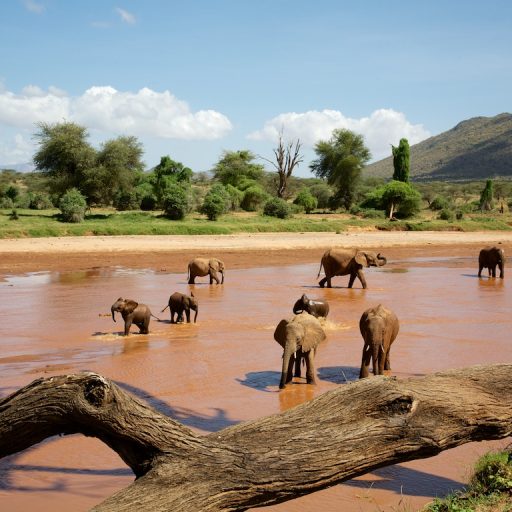
A remote and captivating safari destination in northern Kenya, Samburu National Reserve is known for its rugged beauty, rare wildlife species, and rich cultural heritage. Unlike the lush parks of southern Kenya, Samburu features semi-arid landscapes, rocky outcrops, and the life-giving Ewaso Ng’iro River, which attracts wildlife year-round.
Samburu offers an authentic and less crowded safari experience, making it ideal for travelers seeking something different. The reserve is especially famous for the “Samburu Special Five,” a group of rare species found only in northern Kenya, along with strong cultural connections to the Samburu people who inhabit the region.
Samburu National Reserve is located in northern Kenya, within Samburu County, approximately 350 kilometers north of Nairobi. The reserve lies along the banks of the Ewaso Ng’iro River, which serves as the main water source in this otherwise dry region.
The reserve is accessible by road (about 5–6 hours from Nairobi) or by scheduled flights to nearby airstrips. Its remote location contributes to its exclusivity and untouched wilderness feel, making it a hidden gem among Kenya’s safari destinations.
January – Hot and dry with excellent wildlife sightings along the river.
February – Ideal safari conditions with active predators and clear skies.
March – Start of rains; landscapes begin to turn green with fewer visitors.
April – Peak rainy season; roads may be challenging but scenery is vibrant.
May – Continued rains with wildlife concentrated near water sources.
Jun – Dry season begins with cooler temperatures and better accessibility.
July – Great wildlife viewing as animals gather along the e riverbanks.
August – One of the best months for spotting rare species and predators.
September – Dry conditions continue, offering consistent safari experiences.
October – Warm and dry with good visibility across the reserve.
November – Short rains bring fresh vegetation and migratory birds.
December – Green season with active wildlife and fewer crowds.
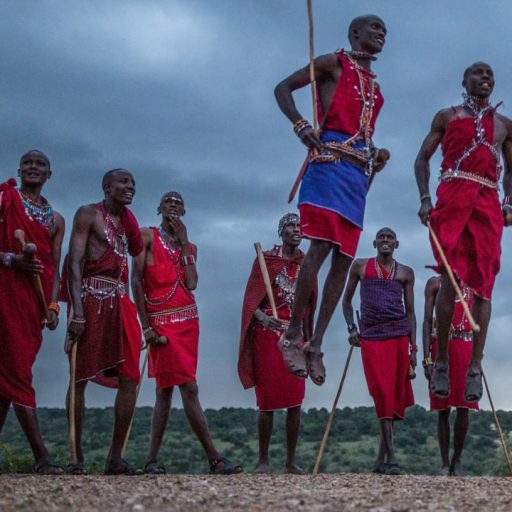
A visit to Samburu is incomplete without interacting with the Samburu people. Visitors can learn about their traditional lifestyle, colorful attire, and deep connection to the land and wildlife. These cultural encounters add a meaningful dimension to the safari experience.
Samburu is home to a rich variety of wildlife, including elephants, lions, leopards, and cheetahs. The reserve is particularly known for its large elephant population and frequent predator sightings along the riverbanks. Crocodiles and hippos are commonly seen in the Ewaso Ng’iro River.
Birdlife is also abundant, with over 450 species recorded, including kingfishers, hornbills, and birds of prey. The unique combination of arid landscapes and riverine forest supports a diverse ecosystem that offers rewarding wildlife encounters throughout the year.
Book a free 30-minute call to get personalized advice about safaris, Kilimanjaro routes, and the best times to visit.
Gipson
Samburu National Reserve was established in 1962 to protect the unique wildlife and ecosystems of northern Kenya. The area has long been inhabited by the Samburu people, who have maintained a traditional pastoral lifestyle for generations.
Conservation efforts in the reserve focus on protecting endangered species such as Grevy’s zebra and promoting sustainable tourism. Today, Samburu stands as an important conservation area and a key destination for travelers seeking rare wildlife and cultural authenticity.
Samburu National Reserve is famous for its rare wildlife species known as the Samburu Special Five, which are not commonly found in other parts of Kenya. The reserve is also known for its large elephant herds and the scenic Ewaso Ng’iro River that attracts wildlife year-round.
Its remote location and semi-arid landscapes provide a unique safari experience that differs from traditional savannah parks. The cultural presence of the Samburu people further enhances its appeal.
Yes, Samburu offers excellent wildlife viewing, particularly along the river where animals gather to drink. Visitors can spot elephants, lions, leopards, and rare species unique to the region. Predator sightings are also common, making it a rewarding destination for safari enthusiasts.
The reserve’s open landscapes and riverine habitats make wildlife easier to locate, especially during the dry season. Its diversity ensures memorable sightings throughout the year.
Samburu can be reached by road from Nairobi in about 5–6 hours. The journey offers scenic views of Kenya’s changing landscapes as you head north.
Alternatively, visitors can take domestic flights to nearby airstrips for a quicker and more comfortable यात्रा. This makes the reserve accessible for both short and extended safaris
The best time to visit Samburu is during the dry months from June to October and January to February. During this period, wildlife is easier to spot as animals gather around the river and vegetation is less dense.
The green season offers beautiful scenery and excellent birdwatching opportunities, although some roads may be more difficult to navigate. Each season provides a unique perspective of the reserve.
The Samburu Special Five include the Grevy’s zebra, reticulated giraffe, Somali ostrich, gerenuk, and Beisa oryx. These species are specially adapted to the arid conditions of northern Kenya and are rarely seen in other parks.
Spotting all five is a highlight for many visitors and adds excitement to game drives. These unique animals are a defining feature of the Samburu safari experience.