
 Dutch
Dutch Spanish
 French
 Russian
 Chinese (Simplified)
Travel Advice & Safety
Is East Africa Safe for Tourists in 2026?
Planning a trip to Tanzania? We address the most common safety questions, from safari logistics to city travel, to ensure your 2026 adventure is secure and worry-free — straight from GIP Adventure's safety team in Arusha.
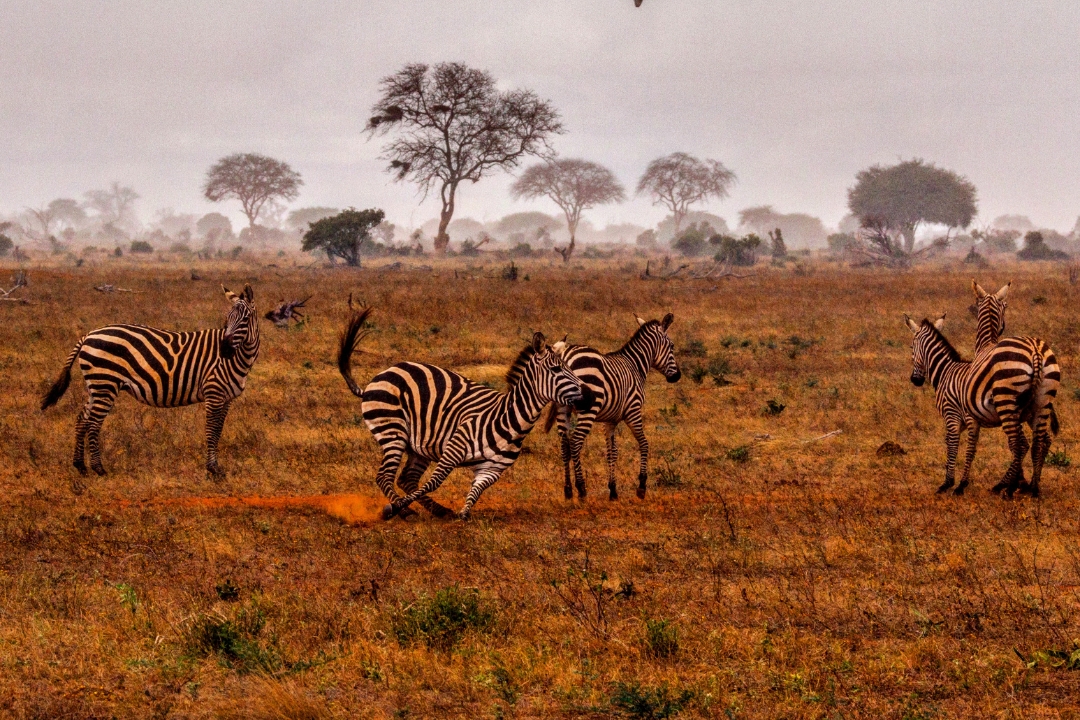
Professional guiding is the foundation of a safe safari experience.
For many travelers, the question "Is East Africa safe?" is the first one they ask. The short answer is yes — when you travel with a reputable, professional company, Tanzania is one of the most welcoming and secure adventure destinations on the planet.
This guide breaks down exactly what safety looks like at every stage of your trip — on safari, in the cities, and from a health and medical standpoint — plus the practical precautions our guides recommend every traveler take in 2026.
In this guide: Safety on safari → Travelling smart in cities → Health & medical preparedness → Money & documents → FAQs
Safety on Safari
The vast majority of your safari time is spent inside national parks, which are highly regulated and secure. When you book with GIP Adventure, you're traveling in a professional vehicle with a licensed guide who knows the terrain, the wildlife, and the safety protocols better than anyone else.
Managed Environments
Every national park in Tanzania has controlled entry gates, registered vehicles, and active ranger patrols. Wildlife viewing rules — like minimum distances from animals and designated driving tracks — are strictly enforced to protect both wildlife and visitors.
Expert, Licensed Guides
Your guide is trained in defensive driving, wildlife behaviour, and emergency communication. They read animal body language long before most guests notice anything, keeping a safe and respectful distance at all times.
Remote Wilderness, Real Protection
It may sound counterintuitive, but you are statistically safer in the middle of the Serengeti than in most major global cities — because you're protected by an experienced guide, vigilant camp staff, and an established emergency protocol at every stop.

Travel Smart in Cities
While the safari circuit is exceptionally safe, cities like Arusha, Dar es Salaam, and Stone Town require the same common-sense precautions you'd use in any major city worldwide.
- Use hotel-arranged or reputable ride-sharing apps (Uber/Bolt) after dark rather than hailing transport on the street.
- Avoid wearing flashy jewellery or displaying expensive electronics openly in crowded areas.
- Keep your bag securely zipped and in front of you in markets and busy public spaces.
- Stick to well-reviewed restaurants and tour operators rather than unsolicited offers from strangers.
- Keep copies of your passport and visa — digital and physical — separate from the originals.
Top urban safety tip: most incidents involving tourists in East African cities are opportunistic theft, not violent crime — the same precautions you'd use in any unfamiliar city go a long way here.
Health & Medical Preparedness
Your "safety" also includes your health. Tanzania is a developed tourism destination with good medical facilities in major hubs, but it requires basic preparation before you travel.
| Requirement | Advice |
|---|---|
| Malaria | Consult your doctor about prophylaxis before departure. |
| Drinking water | Always drink bottled or filtered water, even when brushing your teeth. |
| Yellow fever | Vaccination certificate required if arriving from a risk country. |
| Travel insurance | Choose a policy covering emergency medical evacuation for remote areas. |
| Routine vaccines | Ensure tetanus, hepatitis A, and typhoid coverage is up to date. |
Money and Documents on the Road
A little preparation around cash, cards, and paperwork goes a long way toward a stress-free trip.
- Use ATMs inside reputable banks in cities rather than standalone street machines.
- Most lodges and tour operators accept major credit cards, so you don't need to carry large amounts of cash for your trip.
- Carry small denominations of US dollars for tips and incidentals at remote camps that may not have card facilities.
- Register your trip with your embassy or travel advisory service if your country offers one, for an extra layer of support.


Travel with a team that handles the details
GIP Adventure's Arusha-based team manages logistics, emergency protocols, and on-the-ground support from the moment you land until the moment you depart.
Safety FAQs
Is it safe for solo travelers?
Yes. Many solo travelers join our small group tours and have constant support from their guide and the local GIP Adventure team throughout the trip.
How do I handle money securely?
Use ATMs in reputable banks within cities. Most safari lodges and tour operators accept major credit cards, so you don't need to carry large amounts of cash.
Is it safe to go on a walking safari?
Yes, when led by an armed, certified guide following park-approved routes and protocols. Walking safaris are tightly regulated for visitor and wildlife safety.
What should I do in a medical emergency on safari?
Reputable operators carry first-aid kits and maintain direct communication with flying doctor and evacuation services for remote areas. Confirm your travel insurance covers medical evacuation before you go.
Travel with Confidence
Our Arusha-based team ensures your safety from the moment you land until the moment you depart. Let us handle the logistics so you can focus on the adventure.
Enquire Today