
 Dutch
Dutch Spanish
 French
 Russian
 Chinese (Simplified)
Mikumi National Park is one of Tanzania’s most accessible safari destinations, offering a classic wildlife experience within easy reach of Dar es Salaam. Often compared to the Serengeti for its open plains, Mikumi features wide savannahs framed by the Uluguru Mountains, creating a scenic and rewarding setting for game viewing. Its accessibility makes it ideal for short safaris, weekend getaways, and first-time visitors.
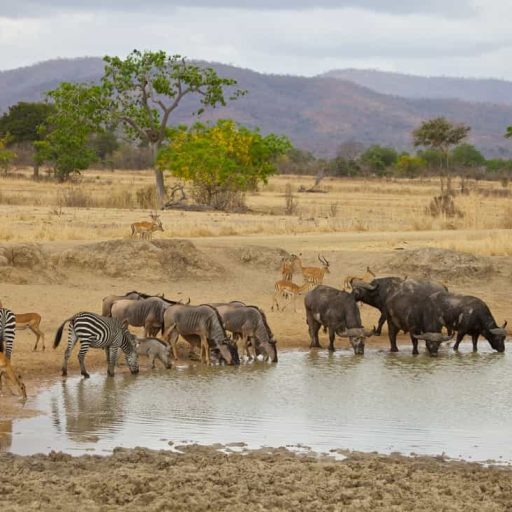
Despite its proximity to urban centers, Mikumi hosts a rich diversity of wildlife, including elephants, lions, giraffes, zebras, and buffaloes. The park’s open landscapes allow for excellent visibility, making wildlife easier to spot. With fewer crowds than northern parks, Mikumi provides a relaxed and authentic safari experience while still delivering exciting encounters with Tanzania’s iconic animals.
Mikumi National Park is located in southeastern Tanzania, forming part of the country’s Southern Safari Circuit. It lies approximately 300 kilometers west of Dar es Salaam and borders the vast Nyerere National Park ecosystem. Covering about 3,230 square kilometers, Mikumi is Tanzania’s fourth-largest national park and plays an important role in regional wildlife conservation.
The park is easily accessible by road via the Dar es Salaam–Iringa highway, making it one of the most convenient parks to visit. It is also reachable by domestic flights to nearby airstrips. Mikumi’s location between mountains and plains creates a mix of habitats that support a wide variety of wildlife and bird species.

January – January falls within the green season, bringing lush vegetation and scattered wildlife across the park. Animals are widely distributed due to abundant water sources, but sightings remain rewarding, especially on the open plains. Birdwatching is excellent, with migratory species present. The landscapes are vibrant and scenic, making this a great time for photography and peaceful safaris.
February – February continues with green, fertile conditions. Wildlife remains active, with herbivores grazing across the plains and predators following prey movements. Birdlife is abundant, and visitor numbers are relatively low, allowing for a relaxed and uncrowded safari experience in this easily accessible park.
March – March marks the beginning of the long rains. Vegetation becomes thicker, and some roads may become muddy or difficult to navigate. Wildlife disperses further due to increased water availability, but sightings are still possible. Birdwatching remains a highlight, with many species active during this period.
April – April is one of the wettest months, and access to certain areas may be limited. The park becomes lush and green, offering stunning scenery. Wildlife viewing can be slower due to dense vegetation, but the experience is peaceful and quiet. This is a good time for travelers seeking solitude and scenic landscapes.
May – May marks the transition toward the end of the rainy season. Rainfall decreases, and the park remains green and vibrant. Wildlife activity increases, and birdlife continues to thrive. Visitor numbers are low, making it a great time for a quiet safari experience.
June – June signals the beginning of the dry season. Vegetation starts to thin, and animals begin to gather around permanent water sources. Wildlife becomes easier to spot, and cooler temperatures make game drives comfortable and enjoyable.
July – July offers excellent safari conditions, with wildlife concentrating around waterholes and open plains. Lions and other predators are more active, increasing the chances of exciting sightings. Clear skies and dry landscapes enhance visibility and photography opportunities.
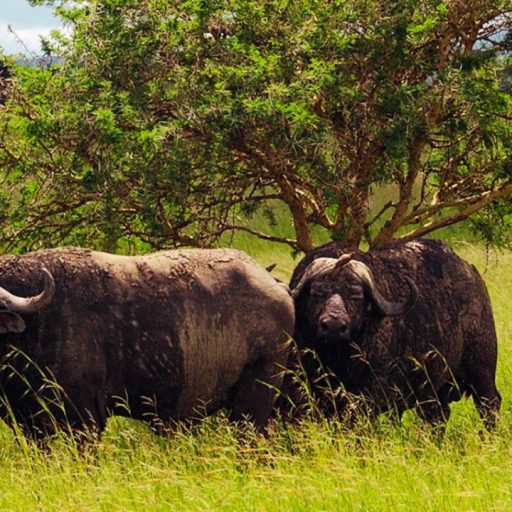
August – August continues the dry season with outstanding wildlife viewing. Large mammals such as elephants, giraffes, and buffaloes are commonly seen. The open plains make it easy to spot animals, and the weather remains pleasant for game drives.
September – September is one of the best months for wildlife viewing. Animals are concentrated near water sources, and predator-prey interactions are more frequent. The dry conditions provide excellent visibility and rewarding safari experiences.
October – October is the hottest and driest month. Wildlife gathers around remaining water sources, making sightings consistent and exciting. This is an excellent time to observe large mammals and predators in action.
November – November brings the short rains, refreshing the landscape. Vegetation begins to green, and wildlife disperses slightly. Birdwatching improves significantly with the arrival of migratory species, adding variety to safari experiences.
December – December features lush landscapes and active wildlife. While animals are more spread out, sightings remain rewarding. Birdlife is abundant, and the park offers a peaceful and scenic safari experience, especially during the festive season.
Book a free 30-minute call to get personalized advice about safaris, Kilimanjaro routes, and the best times to visit.

Gipson
Mikumi National Park was established in 1964 and is part of the larger Selous ecosystem. The park has long been an important conservation area, protecting wildlife and habitats in southern Tanzania. Its location along a major highway has made it one of the most visited parks in the Southern Circuit. Today, Mikumi plays a key role in conservation while providing accessible safari experiences for visitors.
A: Mikumi is unique for its accessibility and open landscapes, which make wildlife easy to spot. It offers a classic safari experience similar to the Serengeti but with fewer crowds. Its proximity to Dar es Salaam makes it ideal for short trips, while still providing opportunities to see a wide range of animals in a natural setting.
A: A stay of 2 to 3 days is ideal to fully explore Mikumi National Park. This allows enough time for multiple game drives across different areas, increasing the chances of seeing a variety of wildlife. Shorter visits are possible, but longer stays provide a more relaxed and rewarding safari experience.
A: The best time to visit Mikumi is during the dry season from June to October, when wildlife gathers around water sources and is easier to spot. However, the green season from November to March offers lush scenery, excellent birdwatching, and fewer tourists, making it a great alternative for those seeking a quieter experience.