Ngorongoro Crater

Discover the iconic Ngorongoro Crater

Widely regarded as one of Africa’s most breathtaking natural wonders, the Ngorongoro Crater offers a unique safari experience within a perfectly preserved ecosystem. Formed millions of years ago when a massive volcano collapsed, the crater is now the world’s largest intact volcanic caldera. It is home to an extraordinary concentration of wildlife, including the Big Five—lion, elephant, buffalo, leopard, and the critically endangered black rhinoceros. The enclosed nature of the crater allows for exceptional game viewing throughout the year, making it one of the best places in Africa to see a high density of animals in a relatively small area.

Together with the Serengeti National Park and Mount Kilimanjaro, the Ngorongoro Crater is part of a UNESCO World Heritage Site, recognized for its ecological importance and outstanding natural beauty.

Where is the Ngorongoro Crater located?

The Ngorongoro Crater is located in northern Tanzania within the Ngorongoro Conservation Area, a protected region that supports both wildlife and human habitation. It lies west of the town of Karatu and southeast of the Serengeti ecosystem, forming an essential part of the Northern Safari Circuit. The crater itself spans approximately 260 square kilometers and is surrounded by steep walls rising over 600 meters from the crater floor.

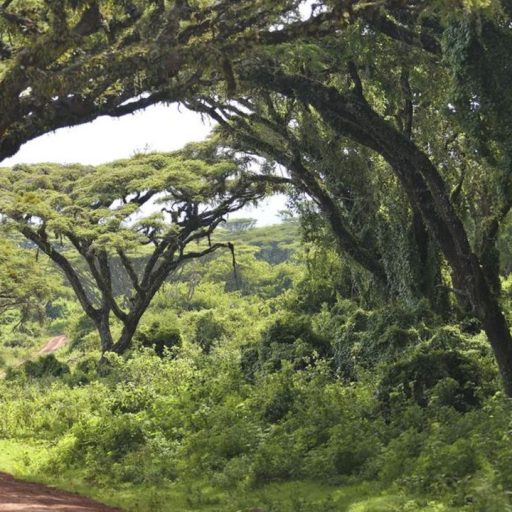
Positioned along the eastern edge of the Great Rift Valley, the Ngorongoro area features diverse landscapes including highland forests, open grasslands, and soda lakes. Its proximity to other major destinations such as the Serengeti makes it an ideal addition to most safari itineraries, offering a contrasting yet complementary experience.

Safari Packing List in PDF

A comprehensive checklist of everything you’ll need for your adventure in the savannah

Best Time to Visit Ngorongoro Crater (Month-by-Month Guide)

January

January is a fantastic time to visit Ngorongoro Crater, with lush green landscapes following the short rains. Wildlife is abundant across the crater floor, and visibility remains good despite the vegetation. Predator activity is steady, and birdlife is vibrant with migratory species present. The weather is warm and pleasant, making it ideal for photography and game drives.

February

February continues to offer excellent safari conditions. The crater remains green and scenic, and animals are easy to spot due to the high density of wildlife in this enclosed ecosystem. This is also a great time to combine with the southern Serengeti National Park for the wildebeest calving season, enhancing the overall safari experience.

March

March marks the beginning of the long rains, but wildlife viewing in the crater remains reliable year-round. The landscape becomes even more lush and dramatic, and visitor numbers begin to decrease. Occasional showers may occur, but they rarely disrupt game drives, making it a quieter and rewarding time to visit.

April

April experiences heavier rainfall, which can make some access roads muddy and challenging. However, the crater still offers consistent wildlife sightings due to its permanent water sources. The scenery is at its greenest, and the reduced number of visitors provides a more exclusive and peaceful safari experience.

May

May continues the rainy season, though conditions begin to improve toward the end of the month. Wildlife remains present and active, and the crater’s enclosed nature ensures good viewing opportunities. This is an ideal time for travelers seeking fewer crowds, lower accommodation rates, and lush scenery.

June

June marks the beginning of the dry season, bringing cooler temperatures and clearer skies. Vegetation starts to thin, making wildlife easier to spot. Animals gather around water sources, increasing viewing opportunities. This is one of the best months to visit, with excellent conditions for photography and game drives.

July

July is a peak safari month in Ngorongoro Crater, offering dry weather and outstanding wildlife viewing. The cooler temperatures make for comfortable game drives, and animal activity is high throughout the crater floor. Due to its popularity, early booking is recommended for accommodations.

August

August continues the dry season with excellent visibility and abundant wildlife. Animals are easier to locate as they concentrate around water sources, and predator-prey interactions are frequent. The weather remains cool and pleasant, making it one of the most popular months to visit.

September

September offers similar conditions to August, with dry weather and consistent wildlife sightings. The crater remains one of the best places in Tanzania to see the Big Five, including the rare black rhinoceros. It is an ideal time for photography and uninterrupted safari experiences.

October

October marks the transition toward the short rains. Wildlife viewing is still excellent, and the landscape begins to change as light rains refresh the environment. Visitor numbers may slightly decrease, offering a more relaxed safari experience without compromising on sightings.

November

November brings short rains that transform the crater into a lush green paradise. Wildlife remains abundant and easy to spot, while birdlife becomes more active with migratory species arriving. Rainfall is usually brief and does not significantly affect safari activities.

December

December is a beautiful time to visit, with green landscapes and active wildlife. The festive season brings more visitors, but the experience remains highly rewarding. The crater continues to offer reliable wildlife sightings, making it an excellent end-of-year safari destination.

Top Attractions in Ngorongoro Crater

The Crater Floor Safari Experience

The crater floor is the main highlight, offering one of the highest concentrations of wildlife in Africa. It consists of open grasslands, swamps, and a central soda lake that attracts flamingos and other bird species. The relatively small size of the crater makes it possible to see a wide range of animals in a single game drive, including lions, elephants, buffaloes, and occasionally black rhinos.
crater (1)
Lerai Forest (1)

Lerai Forest – Elephant & Leopard Habitat

The Lerai Forest is a lush yellow-barked acacia forest located on the crater floor. It is a prime area for spotting elephants, particularly large bull elephants, as well as leopards that use the trees for cover. The forest provides a beautiful contrast to the open plains and adds diversity to the safari experience within the crater.

Lake Magadi – Flamingos & Scenic Beauty

Lake Magadi is a shallow alkaline lake situated within the crater, often filled with flamingos and other water birds. It serves as an important water source for wildlife and creates stunning photographic opportunities. The surrounding area is also frequented by predators and herbivores, making it an active and scenic part of the crater ecosystem.
lake magadi

Animals in Ngorongoro Crater

The Ngorongoro Crater supports an incredible variety of wildlife due to its enclosed ecosystem and permanent water sources. Visitors can expect to see lions, elephants, buffaloes, hyenas, zebras, and wildebeests throughout the year. It is also one of the few places in Tanzania where the endangered black rhinoceros can be spotted with relative consistency.

Unlike larger parks, animals in the crater do not migrate extensively, which makes sightings more predictable. This unique feature ensures that even a single day visit can provide an exceptional safari experience with a high chance of encountering a wide range of species.

Best Accommodations Ngorongoro Crater

Free 30-minute call with our travel expert

Book a free 30-minute call to get personalized advice about safaris, Kilimanjaro routes, and the best times to visit.

Gipson

Travel Expert

History of the Ngorongoro Crater

The Ngorongoro Crater was formed approximately two to three million years ago when a massive volcanic mountain erupted and collapsed, creating the vast caldera seen today. For centuries, the area has been inhabited by pastoral communities, particularly the Maasai, who have lived in harmony with wildlife.

In 1959, the Ngorongoro Conservation Area was established to balance wildlife conservation with human habitation. Unlike national parks, this area allows limited human settlement and traditional grazing practices. The region was later designated a UNESCO World Heritage Site due to its ecological significance and cultural importance.

Today, the Ngorongoro Crater stands as one of Africa’s most iconic landscapes, attracting visitors from around the world who come to witness its unique blend of natural beauty, wildlife abundance, and cultural heritage.

Frequently Asked Questions about Ngorongoro Crater

Yes, the Ngorongoro Crater is one of Africa’s most remarkable safari destinations. Its unique enclosed ecosystem supports a very high concentration of wildlife, making it possible to see a wide variety of animals within a short time. The stunning scenery, combined with reliable wildlife sightings, makes it a must-visit destination for any traveler exploring northern Tanzania.
Most visitors spend one full day exploring the crater floor, which is usually sufficient for excellent wildlife viewing. However, staying for two to three days in the surrounding highlands allows for a more relaxed experience and the opportunity to explore other parts of the Ngorongoro Conservation Area.
Yes, the Ngorongoro Crater is one of the best places in Tanzania to see the Big Five—lion, elephant, buffalo, leopard, and black rhinoceros. While sightings of the rhino may require some luck, the crater offers one of the highest chances of spotting this rare and endangered species.