
 Dutch
Dutch Spanish
 French
 Russian
 Chinese (Simplified)
Ruaha National Park is Tanzania’s largest national park and one of Africa’s last true wilderness areas, offering a raw and authentic safari experience far from the crowds of the Northern Circuit. Defined by vast savannah plains, rugged hills, ancient baobab trees, and the life-giving Great Ruaha River, the park presents a dramatic and ever-changing landscape that supports an extraordinary diversity of wildlife.
What truly sets Ruaha apart is its sense of isolation and exclusivity. The park hosts one of the largest elephant populations in East Africa, along with significant numbers of lions, leopards, cheetahs, and African wild dogs. With fewer visitors and expansive terrain, Ruaha delivers intimate wildlife encounters, rich predator-prey interactions, and a deep connection to untouched African wilderness.
Ruaha National Park is located in south-central Tanzania, forming the heart of the country’s Southern Safari Circuit. It covers approximately 20,226 square kilometers, making it the largest national park in Tanzania. The park lies west of Iringa town and is part of the larger Rungwa-Kizigo-Muhesi ecosystem, one of East Africa’s most significant conservation landscapes.
The Great Ruaha River flows along the park’s eastern boundary and serves as a vital water source, especially during the dry season when wildlife congregates along its banks. The park is accessible by road from Iringa or by domestic flights to nearby airstrips. Its remote location ensures a quiet safari experience, with vast, untouched landscapes and minimal tourist traffic.

January – January falls within the green season, bringing lush vegetation and scattered wildlife across the park. Many animals are widely distributed due to abundant water sources, but sightings remain rewarding. Birdwatching is excellent, with migratory species present. The landscape is vibrant and scenic, making it a great time for photography, although dense vegetation can make spotting predators slightly more challenging.
February – February continues with green, fertile landscapes. Wildlife remains active, with herbivores grazing across open plains and predators following prey movements. Birdlife is abundant, making it a paradise for birdwatchers. The park remains quiet with very few visitors, offering an exclusive and peaceful safari experience in one of Tanzania’s most remote wilderness areas.
March – March marks the beginning of the long rains. The park becomes lush and dramatically green, though some roads may become difficult to navigate. Wildlife disperses further due to increased water availability. Birdwatching continues to be excellent, and the scenery is ideal for photography, with dramatic skies and rich vegetation dominating the landscape.
April – April experiences heavy rainfall, making access to certain areas challenging. The park is at its greenest, with thick vegetation and flowing rivers. Wildlife viewing can be slower due to dense cover, but the park offers solitude and untouched beauty. This is an ideal time for travelers seeking quiet, scenic safaris rather than high-density wildlife viewing.
May – May marks the transition out of the rainy season. Rainfall decreases, and the park remains lush and vibrant. Wildlife begins to move more frequently, and birdlife is still abundant. This is a peaceful time to visit, with fewer tourists and excellent opportunities to enjoy Ruaha’s landscapes and wildlife without crowds.
June – June signals the beginning of the dry season. Vegetation starts to thin, and animals begin to gather around permanent water sources such as the Great Ruaha River. Wildlife viewing improves significantly, and cooler temperatures make game drives comfortable and enjoyable.
July – July offers excellent safari conditions. Wildlife concentrates around rivers and waterholes, making sightings more reliable. Large predators, including lions and leopards, become more active, increasing chances of witnessing hunting behavior. Clear skies and dry landscapes provide ideal conditions for photography and extended game drives.
August – August continues the dry season with exceptional wildlife viewing. Large herds of elephants gather along the riverbanks, while predators remain active. The park’s open landscapes make it easier to spot animals, and the lack of crowds enhances the overall safari experience.
September – September is one of the best months to visit Ruaha. Wildlife is highly concentrated near water sources, and predator-prey interactions are frequent. The dry conditions create excellent visibility, making game drives highly productive and rewarding.
October – October is the hottest and driest month. Wildlife remains concentrated around the Great Ruaha River, offering outstanding viewing opportunities. The harsh conditions often lead to dramatic predator-prey encounters, making it one of the most exciting months for safari enthusiasts.
November – November brings the short rains, transforming the landscape into fresh greenery. Wildlife begins to disperse, but sightings remain good. Birdwatching improves significantly with the arrival of migratory species, making it a great time for bird enthusiasts.
December – December features lush landscapes and active wildlife. While animals are more spread out, the park remains rewarding for safari experiences. Birdlife is abundant, and the scenery is vibrant, offering excellent opportunities for photography and nature exploration.
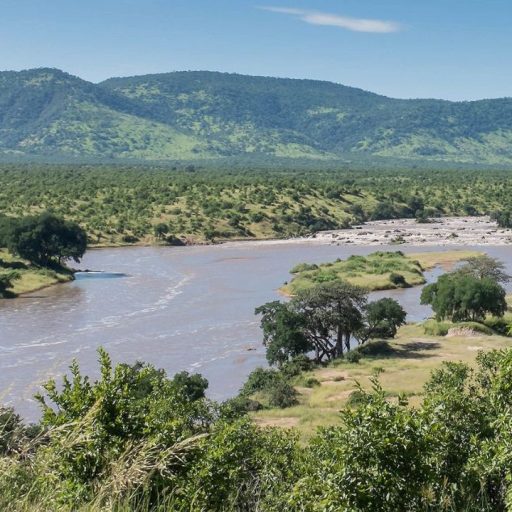

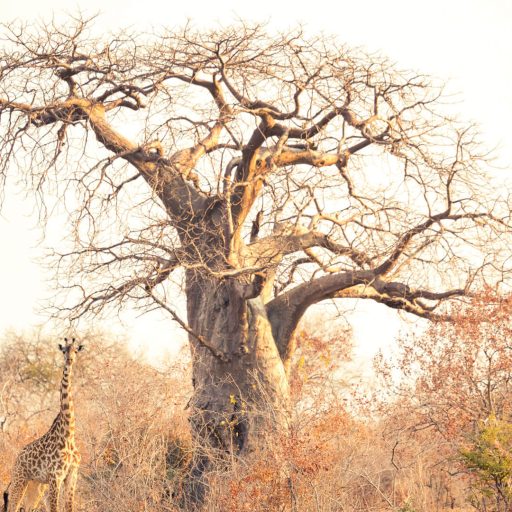
Ruaha National Park supports an extraordinary diversity of wildlife, including elephants, lions, leopards, cheetahs, giraffes, zebras, buffaloes, and antelopes. It is particularly known for its large predator population and one of the biggest lion populations in Africa. The park is also a stronghold for endangered African wild dogs. With over 570 bird species recorded, Ruaha is a prime destination for birdwatching, offering both resident and migratory species.
Book a free 30-minute call to get personalized advice about safaris, Kilimanjaro routes, and the best times to visit.

Gipson
A: Ruaha stands out for its vast size, remote wilderness, and low tourist numbers, offering an exclusive safari experience. It is known for large elephant herds, strong predator populations, and diverse ecosystems. Its untouched landscapes and authentic safari atmosphere make it ideal for travelers seeking a more private and adventurous wildlife experience compared to the Northern Circuit parks.
A: A stay of 3 to 4 days is recommended to fully explore Ruaha National Park. Its large size means that wildlife is spread out, and more time allows for better chances of seeing predators, elephants, and diverse landscapes. Longer stays also provide opportunities for relaxed game drives and deeper immersion into the park’s remote wilderness environment.
A: The best time to visit Ruaha is during the dry season from June to October, when wildlife gathers around water sources, making animals easier to spot. However, the green season from November to March offers lush scenery, excellent birdwatching, and fewer tourists, making it appealing for photographers and nature enthusiasts seeking quieter experiences.