
 Dutch
Dutch Spanish
 French
 Russian
 Chinese (Simplified)
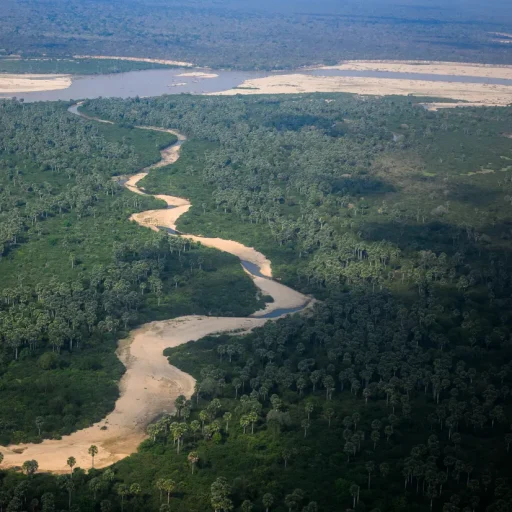
Nyerere National Park, carved out of the legendary Selous ecosystem, is one of Africa’s largest protected wilderness areas and a defining destination of Tanzania’s Southern Circuit. Known for its vast, untamed landscapes, the park features winding rivers, oxbow lakes, open plains, and miombo woodlands that support an exceptional diversity of wildlife and bird species in a truly remote setting.
What sets Nyerere apart is its unique blend of safari experiences. In addition to classic game drives, visitors can enjoy boat safaris along the Rufiji River and guided walking safaris—offering close, immersive encounters with nature. With fewer crowds than northern parks, Nyerere delivers an exclusive, adventurous safari atmosphere where raw wilderness and authentic exploration take center stage.
Nyerere National Park is located in southeastern Tanzania, forming the core of the country’s Southern Safari Circuit. It lies within the larger Selous ecosystem and covers approximately 30,893 square kilometers, making it one of the largest national parks in Africa. The park is named after Julius Nyerere, Tanzania’s founding father, and represents a major conservation success story.
The Rufiji River flows through the park, creating a network of channels, lagoons, and lakes that sustain wildlife year-round. Nyerere is accessible by road from Dar es Salaam or by domestic flights to several airstrips within the park. Its remote location ensures a quiet, uncrowded safari experience with spectacular natural scenery.
January – January falls within the green season, bringing lush vegetation and abundant water sources across the park. Wildlife is widely dispersed, but sightings remain rewarding, especially along the Rufiji River and surrounding lakes. Birdwatching is excellent, with migratory species present. The scenery is vibrant and photogenic, making this a beautiful time to visit despite slightly more challenging wildlife tracking.
February – February continues with green landscapes and active wildlife. Animals are still spread out due to plentiful water, but predators can be spotted following prey movements. Birdlife is abundant, and the park remains peaceful with very few visitors. This is an ideal time for travelers seeking a quiet safari experience combined with excellent birdwatching and scenic beauty.
March – March marks the beginning of the long rains. The park becomes lush and green, with rivers and lakes replenished. Some roads may become muddy and difficult to navigate. Wildlife disperses further, but birdwatching remains exceptional. Dramatic skies and vibrant vegetation make this a rewarding time for photographers.
April – April is one of the wettest months, and access to some areas may be limited. The park is at its most beautiful, with dense vegetation and flowing waterways. Wildlife viewing can be slower, but the experience is peaceful and exclusive. Many lodges may close during this period due to heavy rains.
May – May sees the rains beginning to ease, and the park remains lush and full of life. Wildlife activity increases as animals begin to move more freely. Birdlife continues to thrive, and visitor numbers are low. This transitional period offers a quiet and scenic safari experience.
June – June marks the start of the dry season. Vegetation begins to thin, and wildlife starts concentrating around permanent water sources such as the Rufiji River. Game viewing improves significantly, and cooler temperatures make safari activities more comfortable.
July – July offers excellent safari conditions, with wildlife gathering along riverbanks and lakes. Boat safaris become particularly rewarding, providing close-up views of hippos, crocodiles, and birdlife. Predator activity increases, and the dry conditions make wildlife easier to spot.
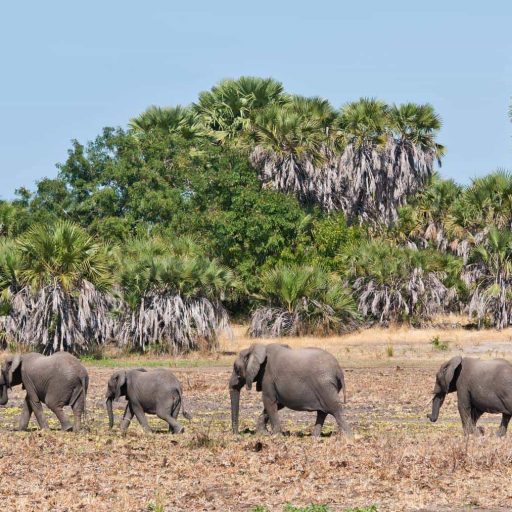
August – August continues the dry season with outstanding wildlife viewing. Large mammals such as elephants, buffaloes, and giraffes are commonly seen near water sources. Predators are active, and the park’s open landscapes enhance visibility. The weather is pleasant, making it a popular time to visit.
September – September is one of the best months for wildlife viewing. Animals are concentrated around water sources, leading to frequent predator-prey interactions. The dry conditions and clear skies make game drives highly productive and rewarding.
October – October is the hottest and driest month. Wildlife is heavily concentrated near the Rufiji River, offering exceptional viewing opportunities. The harsh conditions often result in dramatic wildlife encounters, making it an exciting time for safari enthusiasts.
November – November brings the short rains, refreshing the landscape. Vegetation begins to green, and wildlife disperses slightly. Birdwatching improves with the arrival of migratory species, and the park becomes more scenic.
December – December features lush landscapes and active wildlife. While animals are more spread out, sightings remain rewarding. Birdlife is abundant, and the park offers a peaceful safari experience with fewer crowds compared to peak dry-season months.

Book a free 30-minute call to get personalized advice about safaris, Kilimanjaro routes, and the best times to visit.
Gipson
A: Nyerere stands out for its combination of classic game drives, boat safaris, and walking safaris, offering diverse ways to experience wildlife. Its vast size and low visitor numbers create an exclusive safari atmosphere. The presence of the Rufiji River adds a unique water-based dimension to safaris, making it one of Tanzania’s most varied and immersive destinations.
A: A stay of 3 to 4 days is ideal to fully experience Nyerere National Park. This allows time for game drives, boat safaris, and walking safaris, as well as exploring different parts of the park. Longer stays provide better chances of spotting elusive wildlife and enjoying the park’s diverse landscapes at a relaxed pace.
A: The best time to visit is during the dry season from June to October, when wildlife gathers around water sources, making animals easier to spot. However, the green season from November to March offers lush scenery, excellent birdwatching, and fewer tourists, making it ideal for those seeking a quieter and more scenic safari experience.