January
January is a great month to visit Tarangire National Park. The landscape is lush following the short rains, and wildlife is widely dispersed across the park. Birdlife is abundant with migratory species present, making it ideal for birdwatching and photography. Safari drives are comfortable with warm daytime temperatures.
February
February continues the green season. Wildlife remains active, though herds may be more spread out. Predator activity is steady, and the scenery is vibrant and beautiful. Visitor numbers are low, offering a peaceful and intimate safari experience.
March
March marks the start of the long rains. Animals are slightly more dispersed due to abundant water sources, but sightings are still rewarding. The park becomes greener and scenic, providing dramatic photographic opportunities with misty mornings and cloud-covered skies.
April
April experiences heavier rainfall, making some tracks inside the park more challenging to navigate. Despite this, wildlife remains present, and the scenery is stunning. Birdwatching is excellent, and the park is quiet due to fewer visitors.
May
May continues the wet season, though rainfall gradually decreases toward the end of the month. The park is lush and green, with wildlife active across the landscape. Birdlife is abundant, making this a great time for photography and nature enthusiasts.
June
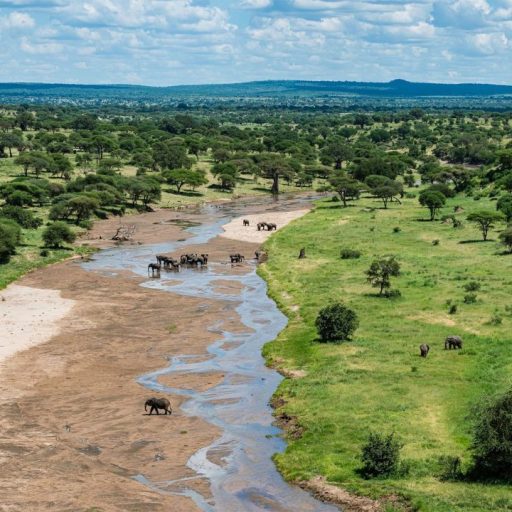
June marks the beginning of the dry season. Wildlife starts concentrating near the Tarangire River, the park’s permanent water source. Animals are easier to spot, and the cooler weather makes early morning and late afternoon game drives enjoyable.
July
July is one of the best months to visit Tarangire. Large herds of elephants gather near the river, predators are active, and wildlife viewing is exceptional. The dry conditions make it easy to locate animals, and skies are clear for photography.
August
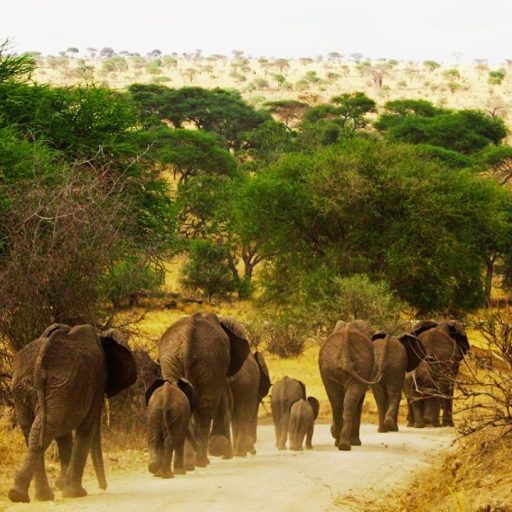
August continues the dry season with excellent wildlife concentrations. The park hosts one of the largest elephant populations in Tanzania. Visitors can expect fantastic sightings of elephants, zebras, giraffes, and predators, with moderate crowds and clear skies.
September
September offers peak game viewing conditions. Animals remain concentrated around water sources, making them easier to locate. Predator-prey interactions are commonly observed, and the dry season landscapes create a stunning backdrop for photography.
October
October marks the end of the dry season. Wildlife is still concentrated around water sources, and temperatures rise. Safari drives are productive, with great photographic opportunities and fewer tourists compared to peak months.
November
November brings the short rains, refreshing the park’s vegetation. Animals begin to disperse as water becomes more widely available. Bird activity increases, providing excellent opportunities for birdwatchers and nature photographers.
December
December combines green scenery with active wildlife. Visitor numbers increase slightly during the holiday season, but wildlife is abundant, and the park remains accessible. The combination of dramatic landscapes and diverse animals makes this a rewarding month for a safari visit.

 Dutch
Dutch Spanish
 French
 Russian
 Chinese (Simplified)