
 Dutch
Dutch Spanish
 French
 Russian
 Chinese (Simplified)
Katavi National Park is one of Tanzania’s most remote and least-visited safari destinations, offering a truly raw and untouched wilderness experience. Located in the far west of the country, the park is characterized by vast floodplains, seasonal rivers, and dense woodlands that support an incredible concentration of wildlife. Its isolation ensures an exclusive safari atmosphere, where visitors can explore nature without crowds.
What makes Katavi exceptional is its dramatic dry-season wildlife gatherings. As water sources shrink, thousands of animals congregate along the remaining rivers and floodplains, creating intense predator-prey interactions. Large herds of buffaloes, elephants, and antelopes dominate the landscape, while lions, crocodiles, and hippos thrive in this harsh yet fascinating environment.
Katavi National Park is located in western Tanzania, near the shores of Lake Tanganyika. It covers approximately 4,471 square kilometers and lies in a remote region southwest of the town of Mpanda. The park forms part of the western safari circuit, known for its isolation and pristine wilderness.
Access to Katavi is primarily by domestic flights from major cities such as Dar es Salaam and Arusha. Due to its remote location, the park receives very few visitors compared to northern and southern parks. This remoteness is part of its appeal, offering a truly authentic safari experience in one of Africa’s last untouched wilderness areas.
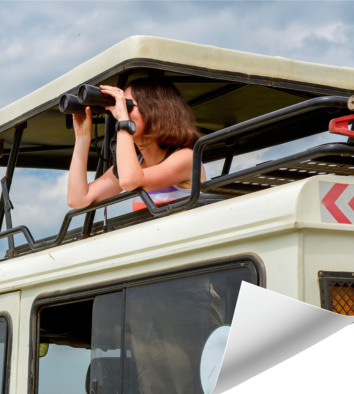
January – January is part of the green season, with lush vegetation and scattered wildlife. Water is widely available, so animals are dispersed across the park. Birdwatching is excellent, with migratory species present. The landscape is vibrant and scenic, offering beautiful photographic opportunities, though wildlife can be more difficult to locate due to dense vegetation.
February – February continues with green conditions and active wildlife. Herbivores graze across the plains, and predators follow their movements. Birdlife remains abundant, making it a rewarding time for birdwatchers. Visitor numbers are extremely low, providing a peaceful and exclusive safari experience.
March – March marks the start of the long rains. The park becomes lush and dramatic, with replenished water sources. Some areas may become difficult to access due to muddy conditions. Wildlife disperses further, but birdwatching remains exceptional.
April – April is one of the wettest months, and access is very limited. The park is incredibly green and quiet, offering solitude. Wildlife viewing is more challenging, but the scenery is at its most vibrant. Many camps may close during this period.
May – May sees decreasing rainfall, and the park remains lush. Wildlife activity begins to increase as animals start moving more frequently. Birdlife continues to thrive, and the park remains uncrowded and peaceful.
June – June marks the beginning of the dry season. Vegetation starts to thin, and wildlife begins concentrating near remaining water sources. Game viewing improves significantly, and temperatures are cooler.
July – July offers excellent safari conditions. Animals gather along rivers and floodplains, making sightings more reliable. Predator activity increases, and clear skies enhance visibility and photography.
August – August continues the dry season with exceptional wildlife viewing. Large herds of buffaloes and elephants are commonly seen, and predators are highly active. The open landscapes provide excellent viewing opportunities.
September – September is one of the best months to visit Katavi. Wildlife is heavily concentrated around shrinking water sources, leading to dramatic predator-prey interactions. This is peak safari season for the park.
October – October is the driest and most intense month. Water sources are extremely limited, and wildlife gathers in large numbers. Hippos crowd into shrinking pools, and crocodiles become more aggressive. This is one of the most dramatic wildlife spectacles in Africa.
November – November brings the short rains, refreshing the landscape. Wildlife begins to disperse, but sightings remain rewarding. Birdwatching improves with the arrival of migratory species.
December – December features green landscapes and active wildlife. While animals are more spread out, the park remains beautiful and peaceful. Birdlife is abundant, and the scenery is ideal for photography.
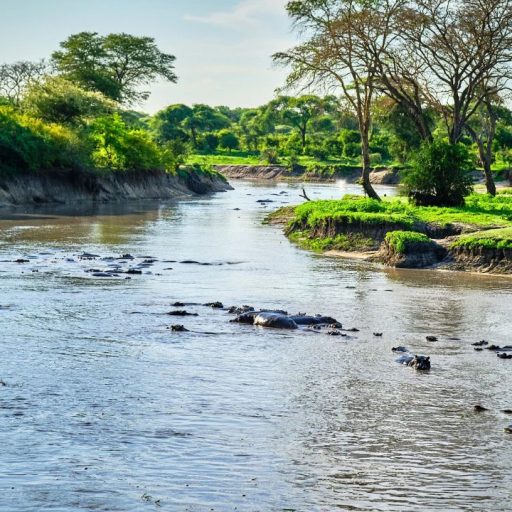
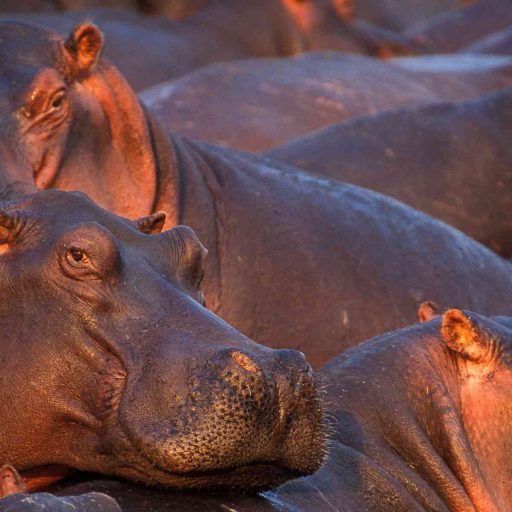

Katavi National Park hosts an incredible concentration of wildlife, particularly during the dry season. Large herds of buffaloes, elephants, zebras, and antelopes dominate the plains. Predators such as lions, leopards, and hyenas are commonly seen. The park is also known for its massive hippo populations and large crocodiles. Birdlife is diverse, with over 400 species recorded, making it a rewarding destination for birdwatchers.
Book a free 30-minute call to get personalized advice about safaris, Kilimanjaro routes, and the best times to visit.
Gipson
Katavi National Park was established in 1974 to protect its unique ecosystems and wildlife. The area has historical significance for local communities and was once a hunting ground. Over time, conservation efforts have preserved its biodiversity and wilderness character. Today, Katavi remains one of Tanzania’s most pristine parks, offering visitors a glimpse into what African safaris were like decades ago.
A: Katavi is unique for its extreme remoteness, low visitor numbers, and dramatic dry-season wildlife concentrations. It offers one of the most authentic and untouched safari experiences in Africa, with intense predator-prey interactions and large animal gatherings rarely seen elsewhere.
A: A stay of 3 to 4 days is recommended to fully explore Katavi. Its remote nature and vast landscapes require time to appreciate, and longer stays increase the chances of witnessing dramatic wildlife interactions and exploring different parts of the park.
A: The best time to visit is during the dry season from June to October, when wildlife gathers around limited water sources. This period offers the most dramatic and rewarding safari experiences. The green season is quieter and more scenic but less reliable for wildlife viewing.