
 Dutch
Dutch Spanish
 French
 Russian
 Chinese (Simplified)
A world-renowned rainforest destination in southwestern Uganda, Bwindi Impenetrable National Park is famous for its mountain gorillas, ancient tropical forests, and extraordinary biodiversity. The park is one of Africa’s most important conservation areas and offers one of the most unforgettable wildlife experiences in the world through gorilla trekking adventures.
Bwindi Impenetrable National Park is characterized by dense montane forests, mist-covered hills, deep valleys, waterfalls, and rich vegetation that supports a wide variety of wildlife species. The park provides a unique combination of adventure, conservation, cultural encounters, and breathtaking natural scenery. Its untouched rainforest environment and rare mountain gorillas make it one of East Africa’s most iconic tourism destinations.
Bwindi Impenetrable National Park is located in southwestern Uganda along the edge of the Albertine Rift Valley near the border with the Democratic Republic of Congo. The park lies approximately 460 kilometers southwest of Kampala and can be accessed by road or domestic flights to nearby airstrips.
The park covers steep forested mountains and valleys at elevations ranging from 1,160 to over 2,600 meters above sea level. Its location near Mgahinga Gorilla National Park and Queen Elizabeth National Park makes it a popular addition to Uganda safari itineraries. Bwindi’s mountainous rainforest landscapes create one of Africa’s most spectacular wilderness environments.

January: Dry conditions with comfortable trekking trails and excellent gorilla viewing opportunities.
February: Ideal trekking weather with clear forest paths and active gorilla families.
March: Beginning of rainy season with greener vegetation and fewer visitors.
April: Heavy rains create muddy trails but enhance the rainforest scenery.
May: Rain continues with lush forest landscapes and active birdlife.
June: Start of dry season with improved trekking conditions and clear mountain views.
July: One of the best months for gorilla trekking and forest photography.
August: Cool temperatures and dry conditions provide excellent hiking experiences.
September: Dry weather continues with comfortable trekking conditions across the park.
October: Good trekking opportunities with moderate rainfall and beautiful scenery.
November: Short rains begin, bringing fresh vegetation and vibrant forest landscapes.
December: Excellent month for gorilla trekking with cooler weather and scenic rainforest views.
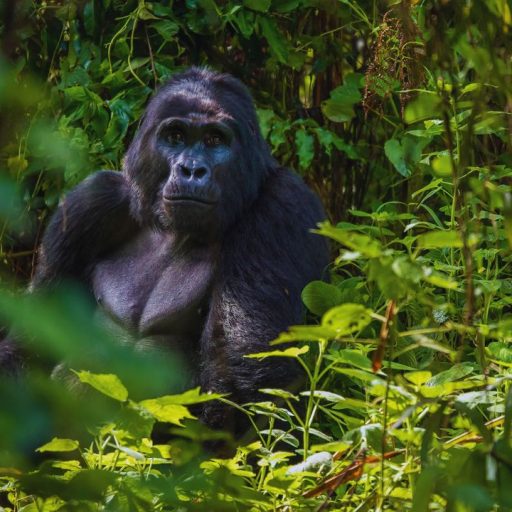

The ancient rainforest of Bwindi Impenetrable National Park is one of the oldest and most biologically diverse forests in Africa. Dense vegetation, towering trees, vines, and mist-covered hills create a mysterious and beautiful wilderness environment throughout the park. The rainforest supports hundreds of bird species, primates, butterflies, and unique plant life. Exploring the forest trails provides exceptional opportunities for nature walks, photography, and wildlife observation.
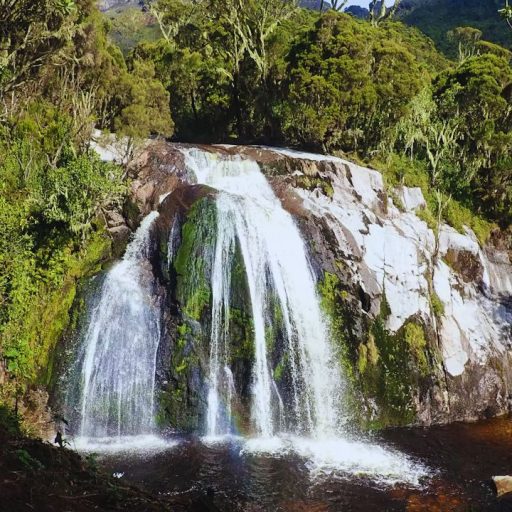
The waterfalls and forest trails of Bwindi offer scenic hiking experiences through untouched tropical landscapes. Hidden waterfalls flow through deep valleys surrounded by thick rainforest vegetation and diverse wildlife habitats. Guided walks allow visitors to explore quiet trails while discovering birds, butterflies, monkeys, and traditional forest ecosystems. The combination of waterfalls, mountain scenery, and natural beauty makes the park ideal for adventure and eco-tourism activities.
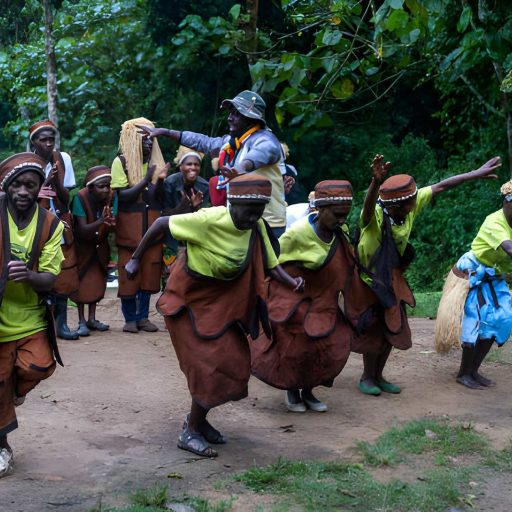
Batwa cultural experiences provide visitors with the opportunity to learn about the indigenous Batwa people who originally lived within the Bwindi forest. Traditional dances, storytelling, music, and guided cultural walks offer insight into the Batwa’s ancient forest lifestyle and survival skills. These experiences help preserve local heritage while supporting surrounding communities through sustainable tourism initiatives. Cultural encounters add a meaningful human connection to the Bwindi safari experience.
Bwindi Impenetrable National Park supports an incredible diversity of wildlife within its dense rainforest ecosystems. The park is home to nearly half of the world’s remaining mountain gorillas and also protects chimpanzees, black-and-white colobus monkeys, blue monkeys, forest elephants, and numerous small mammals.
Birdlife is equally remarkable with over 350 recorded species including Albertine Rift endemics, hornbills, turacos, and colorful forest birds. The combination of tropical rainforest habitats and mountainous landscapes creates one of Africa’s richest biodiversity hotspots.
Book a free 30-minute call to get personalized advice about safaris, Kilimanjaro routes, and the best times to visit.

Gipson
Bwindi Impenetrable National Park was established in 1991 to protect its ancient rainforest ecosystems and endangered mountain gorilla populations. The forest has existed for thousands of years and is considered one of Africa’s oldest surviving rainforests.
The park was later designated a UNESCO World Heritage Site because of its outstanding biodiversity and global conservation importance. Conservation programs have played a vital role in protecting gorillas while supporting local communities through tourism and sustainable development initiatives. Today, Bwindi is internationally recognized as one of the world’s leading gorilla conservation success stories.
Bwindi Impenetrable National Park is famous for mountain gorilla trekking and its ancient tropical rainforest ecosystems. The park protects nearly half of the world’s remaining mountain gorillas and offers one of Africa’s most extraordinary wildlife experiences. Its dense forests, rich biodiversity, and scenic mountain landscapes make it one of Uganda’s top tourism destinations. Bwindi is also recognized as a UNESCO World Heritage Site and a globally important conservation area.
Most visitors spend between two and four days exploring Bwindi Impenetrable National Park depending on trekking activities and travel plans. Gorilla trekking usually requires a full day, while additional days allow visitors to enjoy forest walks, birdwatching, waterfalls, and cultural experiences with local communities. Longer stays provide more opportunities to explore different sectors of the park and experience its diverse rainforest environments. Bwindi’s remote beauty makes extended visits especially rewarding.
The best time to visit Bwindi Impenetrable National Park is during the dry seasons from June to August and December to February. These months provide better trekking conditions with less muddy trails and clearer forest paths during gorilla tracking activities. Although rain is possible throughout the year due to the rainforest climate, dry periods improve accessibility and hiking experiences. Cooler temperatures and scenic mountain views make trekking particularly enjoyable during these seasons.
Bwindi Impenetrable National Park is home to mountain gorillas, chimpanzees, black-and-white colobus monkeys, blue monkeys, forest elephants, and several other rainforest mammals. The park also supports hundreds of bird species, butterflies, reptiles, and unique plant life within its tropical forest ecosystems. Gorilla families remain the main attraction and offer unforgettable wildlife encounters during guided trekking experiences. Bwindi’s biodiversity makes it one of Africa’s richest rainforest conservation areas.
Bwindi Impenetrable National Park is considered one of Africa’s top birdwatching destinations because of its exceptional rainforest bird diversity. The park is home to more than 350 bird species including hornbills, turacos, sunbirds, and numerous Albertine Rift endemic species. Dense tropical forests and mountain habitats provide ideal conditions for birdlife throughout the year. Birdwatchers and nature enthusiasts enjoy excellent sightings along the park’s scenic forest trails.
Bwindi Impenetrable National Park can easily be combined with several of Uganda’s leading tourism destinations for extended safari adventures. Many travelers combine the park with Queen Elizabeth National Park for wildlife safaris or Kibale National Park for chimpanzee trekking experiences. The park is also frequently paired with Lake Bunyonyi and Mgahinga Gorilla National Park for scenic relaxation and additional gorilla trekking opportunities.
