
 Dutch
Dutch Spanish
 French
 Russian
 Chinese (Simplified)
Tanzania Safari Planning
When is the Best Time for a Tanzania Safari in 2026?
Timing is everything in the Tanzanian bush. Whether you want to witness the Great Migration river crossings or prefer the intimate, predator-rich calving season, here is our detailed guide to finding your perfect window — straight from GIP Adventure's safari team in Arusha.
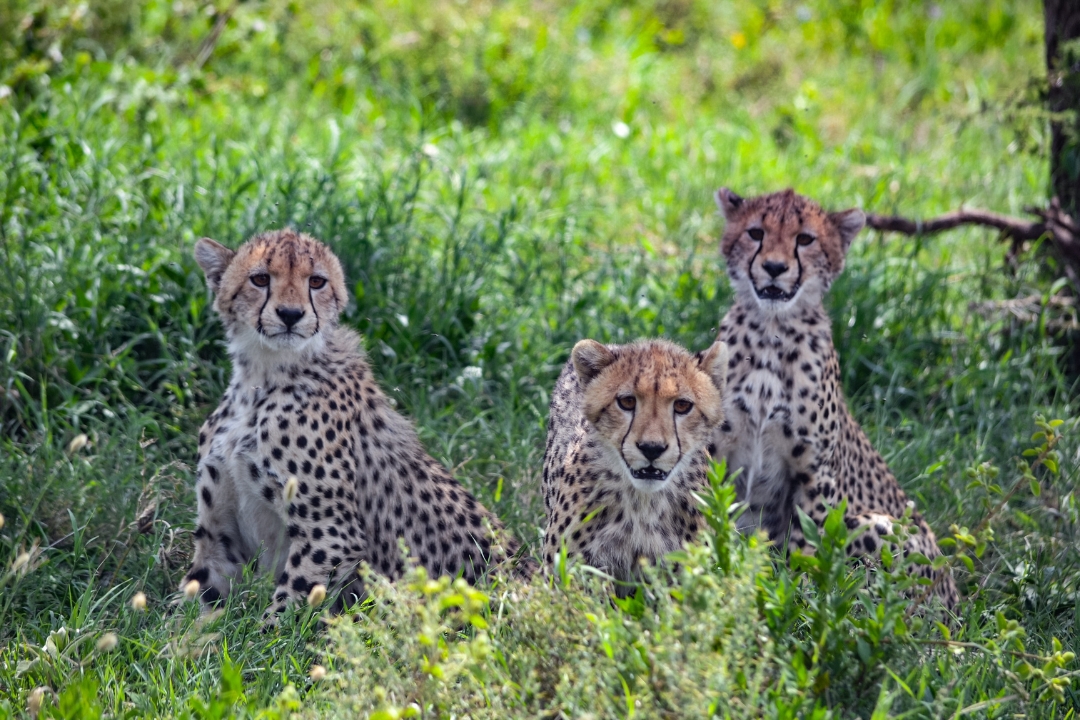
The golden plains of the Serengeti wait for no one — choose your season wisely.
Tanzania is a year-round destination, but the "best" time depends entirely on your bucket list. Do you want to witness the dramatic Mara River crossings, or are you chasing the quiet, predator-rich calving season? In 2026, we're seeing shifting weather patterns that make understanding these micro-seasons more important than ever — and the right timing can transform a good safari into an extraordinary one.
This guide breaks down Tanzania's four key safari seasons in detail, explains exactly where the wildlife will be each month, and shares the planning insights our guides use to help travelers pick the dates that match what they actually want to see.
In this guide: The peak dry season → The calving season → The green season → The short rains → 2026 seasonal comparison → FAQs
The Peak Dry Season (June – October)
Widely considered the "Golden Window," this is when the vast majority of international travelers visit Tanzania. As the rains stop and surface water dries up across the plains, wildlife is forced to congregate around the few remaining permanent water holes and rivers — making game viewing remarkably predictable and rewarding.
June – Early July: The Migration Builds Momentum
As the long rains end, the wildebeest and zebra herds begin their march north from the Southern Serengeti, gathering into larger and larger groups. Days are dry, skies are clear, and the bush is still green enough to be photogenic without the crowds of peak season.
July – September: The River Crossings
This is the window safari documentaries are made of. As the herds push into the Northern Serengeti, they face the crocodile-infested Mara River — and the chaotic, high-stakes crossings that follow are among the most dramatic wildlife events on the planet. Lion and leopard sightings are also exceptional, as predators capitalise on the concentration of prey.
October: The Last of the Golden Light
October still delivers all the benefits of dry-season game viewing, but with noticeably fewer vehicles at the popular sightings as peak-season travelers thin out. The herds begin their slow return south, and golden late-afternoon light makes this a favourite month among photographers.
- Weather: Crisp, cool mornings and warm, sunny days. Low humidity and minimal mosquito activity throughout the dry season.
- Expert note: Because this is peak season, top-tier lodges and camps near the Mara River book out 8–12 months in advance — earlier for July and August specifically.
- Pack for it: Layers matter — early morning game drives can dip close to freezing before the sun climbs, even though afternoons are warm.

The Calving Season (January – February)
For the safari connoisseur, the short dry season in the south is often the favourite window of the entire year. The Southern Serengeti and Ndutu plains turn emerald green after the short rains, and the wildebeest herds gather here to drop their young — an estimated 8,000 calves born every single day at the peak of the season.
January: The Herds Settle on the Ndutu Plains
By early January, the herds have settled across the nutrient-rich short grass of the Ndutu and Southern Serengeti plains, drawn by the fresh growth that follows the November rains. This is one of the most reliable places on Earth to watch newborn wildebeest take their first steps within minutes of birth.
February: Peak Predator Action
February brings the calving season to its peak. The sheer volume of vulnerable newborns draws cheetahs, lions, and hyenas into close, constant pursuit — making this one of the most action-packed months for predator-prey interactions anywhere in Africa.
Why we love it: You get the best of both worlds — lush, photographic scenery and the intense predator activity that follows the birth of thousands of calves daily. It's also significantly quieter than the July–September peak.
The Green Season (April – May)
Tanzania's "long rains" fall mostly in April and May, transforming the landscape into a dramatic, lush, almost otherworldly version of the dry-season savanna. Many lodges close or offer steep discounts during this period, and the parks are noticeably emptier — a real draw for travelers who prioritise solitude and value over guaranteed sightings.
- Weather: Heavy, often brief afternoon downpours with clear mornings; humidity and mosquito activity increase.
- Wildlife: Animals disperse more widely across the landscape, since water and grazing are abundant everywhere — sightings take a little more patience and local knowledge.
- Birdwatching: This is peak season for migratory birds and breeding plumage, making it a favourite among dedicated birders.
- Value: Rates can drop by 20–40% compared to peak season, and many camps offer their most attentive, personalised service with fewer guests on site.
The Short Rains (November – December)
November and December bring shorter, more intermittent rains that green up the plains ahead of calving season without disrupting travel the way the long rains can. It's an underrated shoulder season — quiet trails, returning migratory birds, and the first signs of the herds beginning their move back south.
- Weather: Brief afternoon or evening showers, often followed by spectacular cloud formations and sunsets.
- Wildlife: The migration is generally found moving between the Serengeti and the Ndutu area, with resident wildlife easy to find throughout.
- Crowds: Among the quietest months of the year in the major parks, with December picking up again closer to the holidays.
2026 Seasonal Comparison
| Season | Months | Wildlife Highlight | Crowd Levels |
|---|---|---|---|
| Peak | June – October | River crossings / Big Five | High |
| Calving | January – February | Predator action / newborns | Moderate |
| Green | April – May | Birdwatching / dramatic scenery | Low |
| Short Rains | November – December | Migratory birds / quiet trails | Low–Moderate |
Rule of thumb: chasing a specific event — like a river crossing — means booking the peak window 8–12 months ahead. Chasing value and solitude means leaning into the green season or short rains instead.


Plan around the wildlife, not the calendar
GIP Adventure's Arusha-based team tracks herd movements and rainfall patterns year-round to help you book the exact window that matches what you want to see.
Safari Timing FAQs
Is it worth visiting during the rainy season?
Absolutely, if you're a birdwatcher or photographer. The Green Season (April–May) offers dramatic skies, lush vistas, and significantly lower prices, provided you don't mind the occasional downpour.
Which parks are best for the Great Migration?
The migration is a year-round cycle. It's centred in the south around Ndutu during January–March for calving, then moves to the Northern Serengeti and the Mara River from July–September for the crossings.
How far in advance should I book for peak season?
For July–September, especially camps near the Mara River, we recommend booking 8–12 months ahead. Calving season camps around Ndutu should be booked at least 6–9 months in advance.
What is the cheapest time to safari in Tanzania?
The Green Season (April–May) typically offers the lowest rates, with many camps discounting 20–40% compared to peak season pricing.
Ready to Pick Your Dates?
We'll help you align your travel dates with the best wildlife movements for 2026 and 2027.
Consult a Safari Expert