Tanzania

From Mount Kilimanjaro’s iconic snow-capped peak, to the endless plains of the Serengeti and the Great Migration — Tanzania is spellbinding.

EAST AFRICA'S CROWN JEWEL

Tanzania — Land of Kilimanjaro & the Great Migration

Tanzania is one of Africa’s most extraordinary destinations — a land of superlatives where the world’s highest freestanding mountain towers above ancient savannah plains, and over a million wildebeest thunder across the Serengeti in the greatest wildlife spectacle on Earth.

Bordered by the Indian Ocean to the east and flanked by three of Africa’s Great Lakes, Tanzania encompasses an astonishing diversity of landscapes: from the snow-capped peak of Kilimanjaro to the depths of Lake Tanganyika, the world’s second deepest lake. The country borders the Indian Ocean to the east and includes the islands of Zanzibar, Pemba, and Mafia.

Tanzania at a Glance
Capital City
Dodoma (official); Dar es Salaam (commercial)
Population
Approx. 65 million people
Currency
Tanzanian Shilling (TZS)
Geographical Size
945,087 km² of diverse landscapes
Languages
Kiswahili & English
Time Zone
East Africa Time (UTC+3)
Electricity
230V / 50Hz – British Type G plugs
Best Time to Visit
June – October (Perfect safari season)

Tanzania Tours and Adventures

Our Tanzania Sample Itineraries

Experience the best of Tanzania, from the legendary Serengeti plains and Ngorongoro Crater to the turquoise shores of Zanzibar. Our curated routes capture the ultimate blend of wildlife, culture, and coastal beauty.
Start From
Per Person Sharing
Start From
Per Person Sharing
Start From
Per Person Sharing
Start From
Per Person Sharing
Start From
Per Person Sharing
Start From
Per Person Sharing

945,087

km² of breathtaking land area, making Tanzania one of Africa's largest countries.

16+

UNESCO World Heritage Sites and biosphere reserves protecting Tanzania's natural wonders.

120+

Ethnic groups and tribes, each with unique traditions, languages, and cultural heritage.

38%

Of Tanzania's total land area is protected as national parks, game reserves, and conservation areas.

Must See Destinations

Tanzania's Top Attractions

From the world’s greatest wildlife spectacle to Africa’s highest peak and pristine island beaches — Tanzania offers experiences found nowhere else on Earth.

Serengeti National Parks

Ngorongoro Crater

Tarangire National Park

Lake Manyara National Park

Mkomazi National Park

Arusha National Park

When to Visit

Best Time to Visit Tanzania

Tanzania is a year-round destination, but each season offers a different and equally rewarding experience.

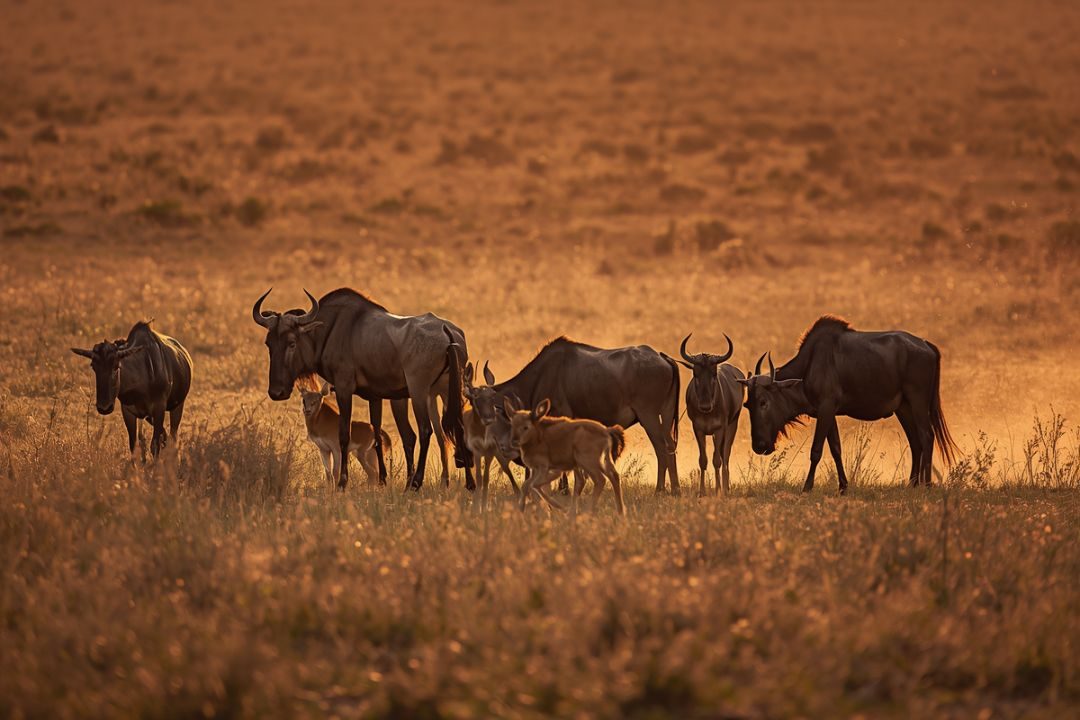
Calving season

Calving Season (Southern Serengeti)

Months: January – March

Witness the miracle of life as hundreds of thousands of wildebeest calves are born on the Serengeti’s southern plains. Predator activity is intense as lions, cheetahs, and hyenas take advantage of the abundance.
BEST FOR: Calving season, predator action, fewer crowds.
Long Rains

Long Rains / Green Season

Months: April – May

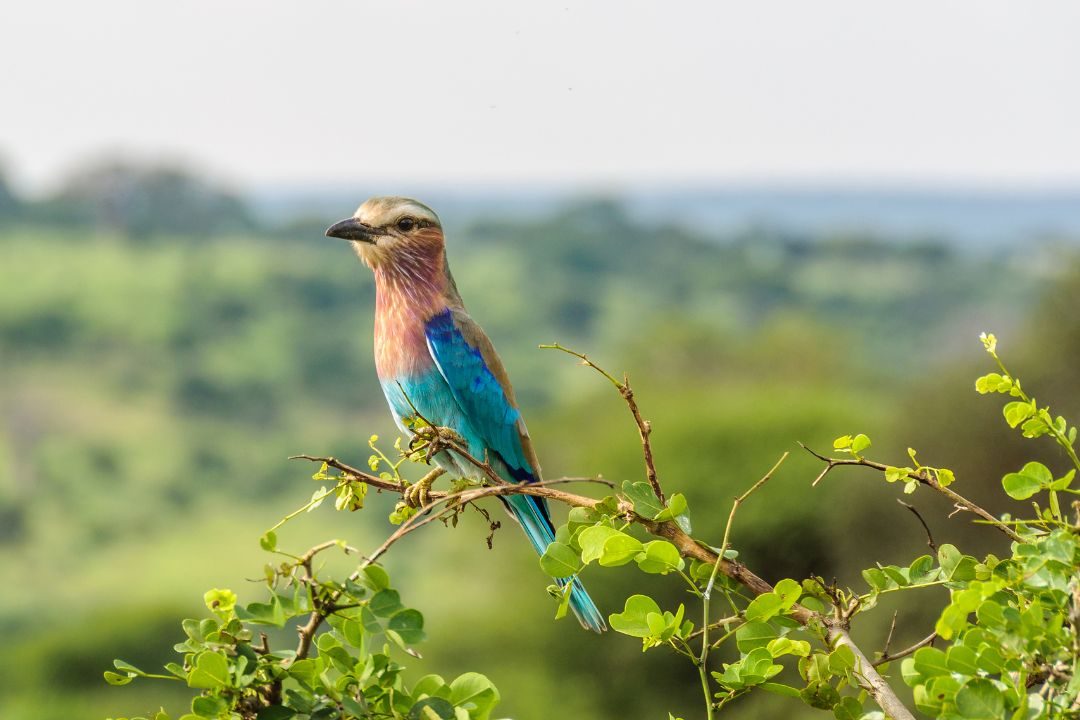
The long rains transform Tanzania into a lush, green paradise. While some camps close, this is an excellent time for birdwatching, photography, and experiencing Tanzania without the crowds at significantly lower prices.
BEST FOR: Birdwatching, photography, budget travel
Rivercrossing

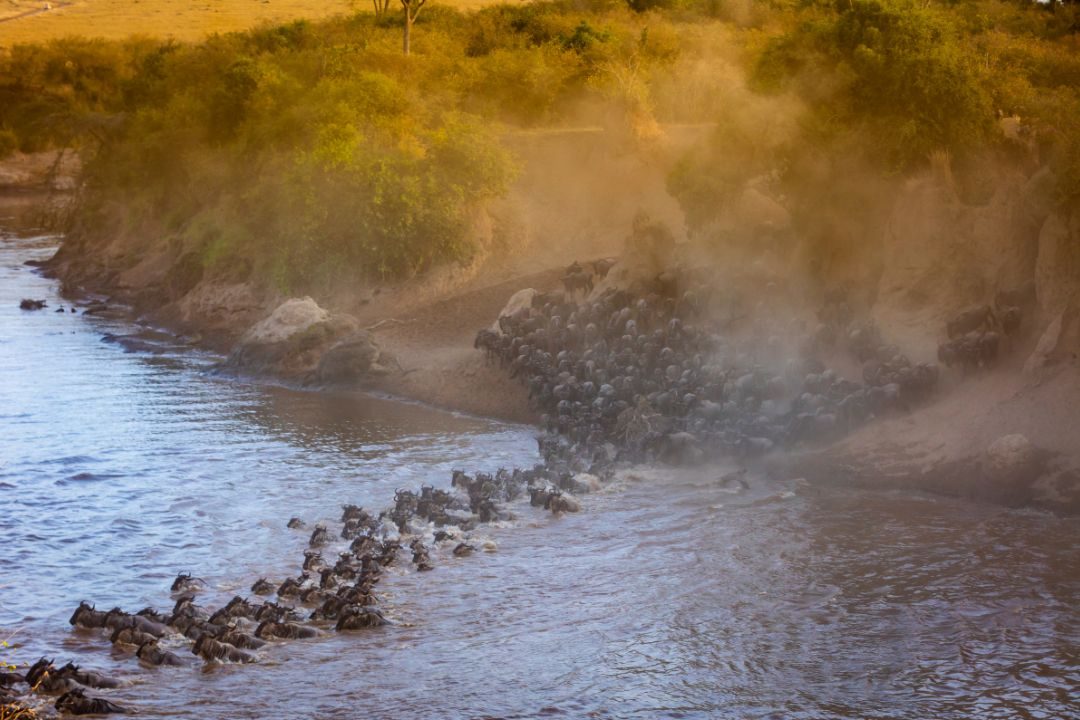
Peak Safari Season

Months: June – October

The prime safari season. Vegetation thins, animals concentrate around water sources, and the dramatic Mara River crossings reach their peak. This is the best time for wildlife viewing across all of Tanzania’s parks.
BEST FOR: Great Migration, river crossings, Big Five
Zanzibar (1)

Short Rains / Shoulder Season

Months: November – December

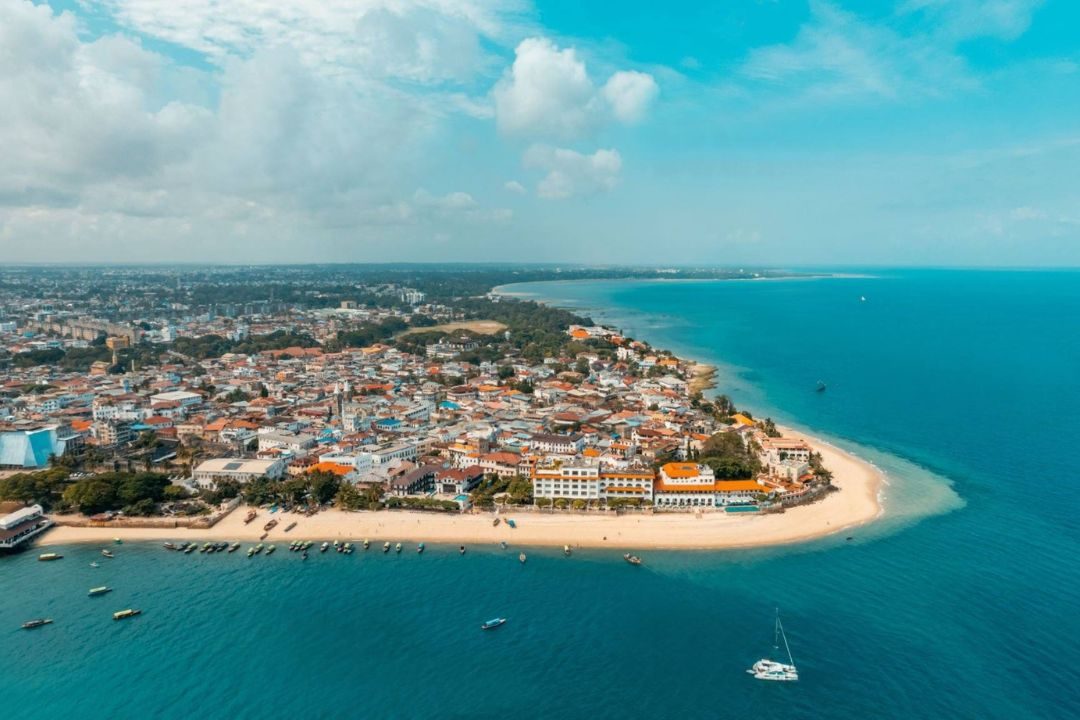
The short rains bring scattered showers and renewed greenery. The wildebeest begin their southward migration back to the Serengeti’s southern plains. Zanzibar enjoys excellent beach weather during this period.
BEST FOR: Zanzibar, green season photography, value

Tanzania Experiences

Wildlife, wilderness, and tropical islands.

Discover Tanzania’s unrivaled diversity. From chasing the Great Migration to relaxing on pristine beaches, our experiences bring the best of the wild to life.

Other Destinations

Southern & Western Tourist Circuits

Beyond the famous Northern Circuit, Tanzania’s southern and western parks offer extraordinary wildlife experiences away from the crowds.
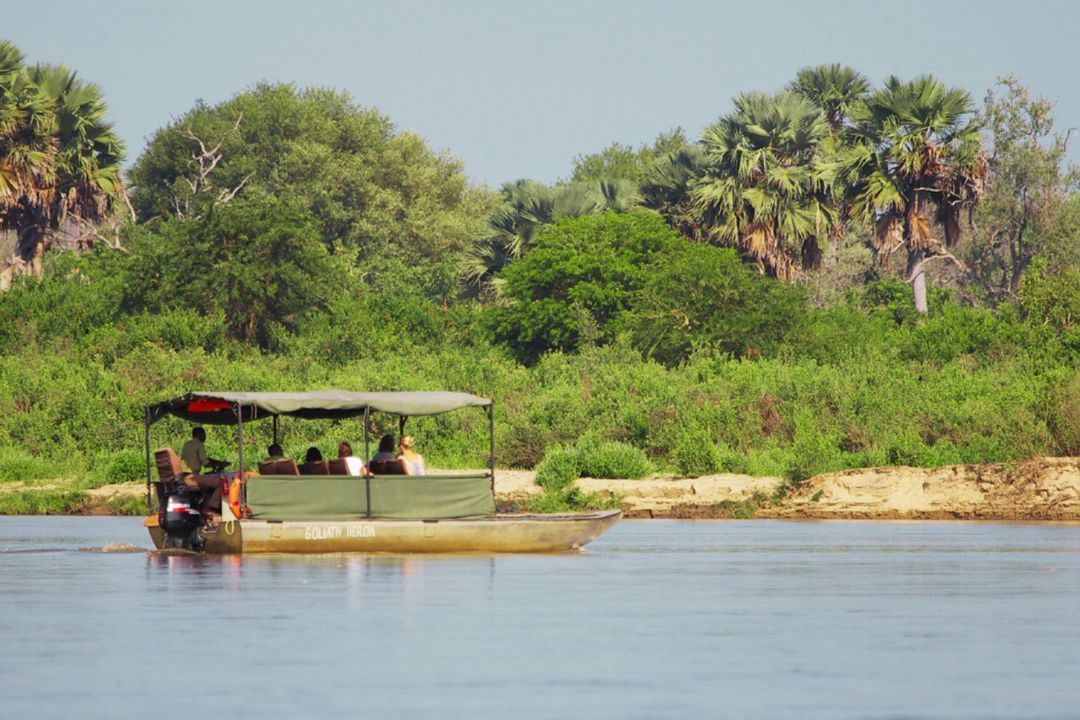
boat safari

The Southern Circuit

Less visited but equally spectacular, the Southern Circuit offers a more remote and exclusive safari experience. Ruaha National Park is Tanzania’s largest and hosts impressive elephant herds and rare wild dogs.

Highlights

Wild Dogs & Remote Wilderness

Highlights

5–8 days
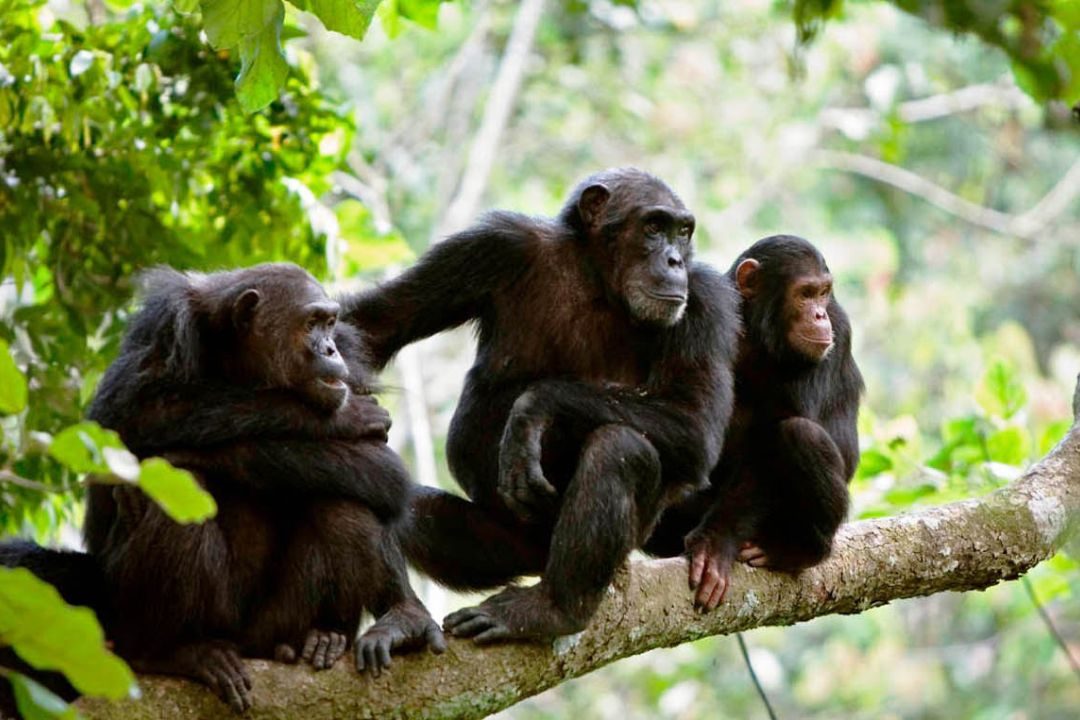
Chimpanzee Trekking (1)

The Southern Circuit

Tanzania’s most remote circuit, the Western parks border Lake Tanganyika. Gombe Stream and Mahale Mountains are the only places in Tanzania to trek wild chimpanzees, while Katavi offers a truly off-the-beaten-track experience.

Highlights

Chimpanzee Trekking

Highlights

4–7 days

What you Need to Know

Discover Tanzania

Tanzania's Diverse Landscapes

Tanzania is East Africa’s largest country, encompassing an extraordinary range of landscapes — from the snow-capped peak of Kilimanjaro to the depths of Lake Tanganyika, the world’s second deepest lake. The country borders the Indian Ocean to the east and includes the islands of Zanzibar, Pemba, and Mafia.

Highest Point

Mt. Kilimanjaro 5,895m

Coastline

1,424 km Indian Ocean

Major Lakes

Victoria, Tanganyika, Nyasa

Highest Point

38% of total land in Tanzania

Savanna Plains

Savannah Plains

The iconic Serengeti and Masai Steppe stretch across northern and central Tanzania, supporting the world's greatest wildlife migrations.
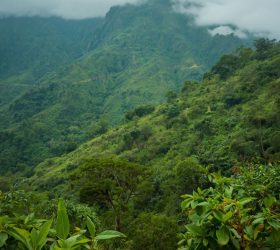
Mountain Range

Mountain Ranges

The Eastern Arc Mountains and the volcanic peaks of the Crater Highlands form dramatic backdrops and harbour unique endemic species.
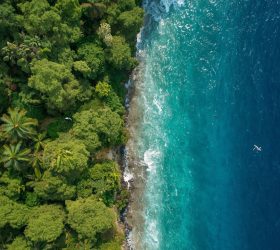
Coastal Forest

Coastal Forests

The Eastern Arc forests are among Africa's most biodiverse ecosystems, home to endemic species found nowhere else on Earth.
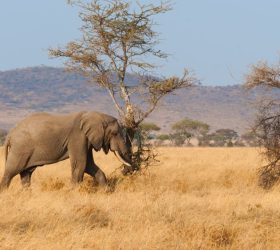
Tanzania's Tropical Climate

Tanzania enjoys a tropical climate year-round, though conditions vary significantly by altitude and region. The coast is hot and humid, while the highlands are cooler and more temperate. There are two rainy seasons: the long rains (masika) from March to May, and the short rains (vuli) from October to December.

Dry Season

June – October

Long Rains

March – May

Short Rains

Oct – December

Coast Temp

25–35°C year-round

dry season

Dry Season (Jun–Oct)

The best time for wildlife viewing. Vegetation thins, animals concentrate around water sources, and skies are clear. Ideal for the Great Migration river crossings.
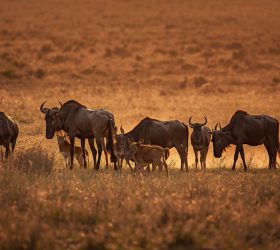
Calving season

Green Season (Nov–May)

Lush landscapes, fewer tourists, and lower prices. Excellent for birdwatching and witnessing the calving season in the Serengeti (January–March).
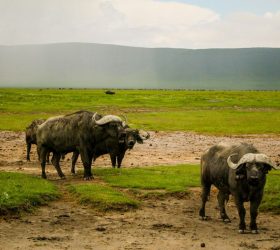
ngorongoro

Highland Climate

Areas like Arusha and the Ngorongoro Highlands enjoy a cooler, more temperate climate year-round, with temperatures ranging from 10–25°C.
A Rich and Complex History

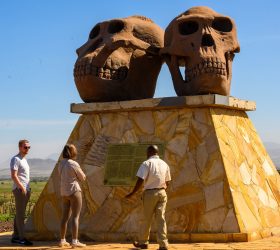
Tanzania’s history spans millennia, from the earliest human ancestors discovered at Olduvai Gorge to the Swahili trading civilisations, Arab and Portuguese influence, German and British colonial rule, and finally independence in 1961 under Julius Nyerere. The union of Tanganyika and Zanzibar in 1964 created the United Republic of Tanzania.

Independence

9 December 1961

Union Formed

26 April 1964

Olduvai Gorge

1.8 million years of history

Stone Town

UNESCO Heritage since 2000

Olduvai-Gorge3

Ancient Origins

Olduvai Gorge in the Ngorongoro Conservation Area is one of the most important paleoanthropological sites in the world, with fossils dating back 1.8 million years
zanzibar people

Swahili Civilisation

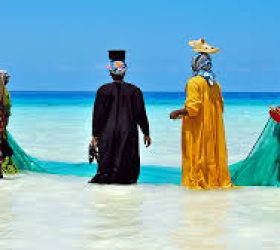
For centuries, the East African coast was a hub of Indian Ocean trade. The Swahili culture blended Bantu, Arab, Persian, and Indian influences, creating a unique civilisation.
dar es salaam

Modern Tanzania

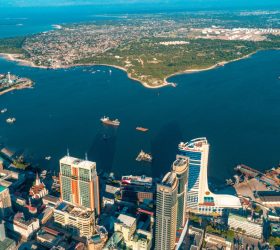
Under Julius Nyerere's leadership, Tanzania pursued a policy of African socialism (Ujamaa). Today it is a stable democracy and one of Africa's fastest-growing economies.
A Tapestry of Cultures

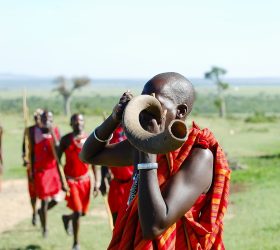
Tanzania is home to over 120 ethnic groups, making it one of Africa’s most culturally diverse nations. The Sukuma are the largest group, followed by the Chagga, Hehe, Makonde, and the world-famous Maasai. Despite this diversity, Kiswahili serves as a unifying national language, fostering a strong sense of Tanzanian identity.

Ethnic Groups

120+ distinct groups

Largest Group

Sukuma people

National Language

Kiswahili

Religion

Christian, Muslim, Traditional

maasai culture 1

The Maasai

Perhaps Tanzania's most iconic people, the Maasai are semi-nomadic pastoralists known for their distinctive red shukas, elaborate beadwork, and warrior traditions.
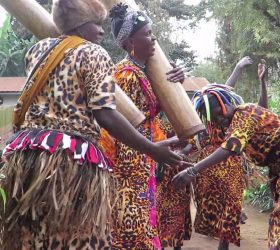
The Chagga

The Chagga

Living on the slopes of Kilimanjaro, the Chagga are known for their agricultural expertise, particularly coffee and banana cultivation, and their sophisticated irrigation systems.

zanzibar people

Zanzibar's People

Zanzibaris reflect centuries of Indian Ocean trade, blending African, Arab, Indian, and Portuguese heritage into a unique Swahili culture with distinctive architecture, music, and cuisine.

Flavours of Tanzania

Tanzanian cuisine reflects the country’s diverse cultures and coastal trading history. Staples include ugali (maize porridge), rice, and cassava, accompanied by stews, grilled meats, and fresh seafood. Zanzibar’s cuisine is particularly renowned for its aromatic spice-infused dishes, fresh seafood, and the famous Zanzibar pizza.

Ethnic Groups

Staple Food Ugali (maize porridge)

Famous Dish

Nyama Choma (grilled meat)

Local Drink

Kilimanjaro, Konyagi & Safari Lager

Zanzibar Spices

Cloves, cardamom, cinnamon

maasai culture 1

The Maasai

Perhaps Tanzania's most iconic people, the Maasai are semi-nomadic pastoralists known for their distinctive red shukas, elaborate beadwork, and warrior traditions.

The Chagga

The Chagga

Living on the slopes of Kilimanjaro, the Chagga are known for their agricultural expertise, particularly coffee and banana cultivation, and their sophisticated irrigation systems.

zanzibar people

Zanzibar's People

Zanzibaris reflect centuries of Indian Ocean trade, blending African, Arab, Indian, and Portuguese heritage into a unique Swahili culture with distinctive architecture, music, and cuisine.

Travel Essentials

Practical Information

Everything you need to know to plan your Tanzania adventure — from transport and currency to customs and shopping.

By Air

Julius Nyerere International Airport (DAR) and Kilimanjaro International Airport (JRO) are the main international gateways. Domestic flights connect major parks and towns.

By Road

Buses and dala-dalas (minibuses) connect major towns. Taxis and ride-hailing apps (Bolt, Uber) are available in Dar es Salaam and Arusha. Self-drive is possible but challenging.

By Water

Ferries connect Dar es Salaam to Zanzibar (fast ferry: 2 hours). Lake ferries operate on Lakes Victoria, Tanganyika, and Nyasa for scenic travel.

Currency

The Tanzanian Shilling (TZS) is the official currency. USD is widely accepted in tourist areas, lodges, and national parks. Carry small denominations.

Exchange

Banks and forex bureaux offer exchange services. ATMs are available in major cities. Credit cards are accepted at larger hotels and lodges but not widely elsewhere.

Tipping

Tipping is customary. For safari guides and Mountain Guides and Porters, USD 10–20 per day is standard. Hotel staff, porters, and restaurant servers also appreciate tips.

Mobile Networks

Vodacom, Airtel, and Tigo are the main providers. SIM cards are cheap and widely available. Coverage is good in cities and tourist areas but limited in remote parks.

Internet

Wi-Fi is available in most hotels, lodges, and restaurants in cities. Remote safari camps may have limited or no connectivity — embrace the digital detox!

International Calls

Tanzania’s country code is +255. International roaming can be expensive; a local SIM card is recommended for extended stays.

Dress Code

Dress modestly, especially in Zanzibar and other Muslim areas. Cover shoulders and knees when visiting mosques or local communities. Swimwear is appropriate only at beaches and pools.

Greetings

Tanzanians are warm and hospitable. A handshake is the standard greeting. Learning basic Kiswahili phrases (Jambo! Habari? Asante!) is greatly appreciated.

Photography

Always ask permission before photographing people. Some communities charge a small fee. Photography is prohibited at government buildings, airports, and military installations.

What to Buy

Tingatinga paintings, Makonde wood carvings, Maasai beadwork, Zanzibar spices, and Tanzanite gemstones (found only in Tanzania) make excellent souvenirs.

Where to Shop

Arusha’s Central Market, Dar es Salaam’s Kariakoo Market, and Zanzibar’s Stone Town bazaars offer authentic local goods. Bargaining is expected in markets.

Tanzanite

Found only in the Merelani Hills near Kilimanjaro, Tanzanite is a rare blue-violet gemstone. Buy from reputable dealers with certificates of authenticity.

Voltage & Frequency

Tanzania uses 230V / 50Hz electricity. Power outages can occur, especially in rural areas. Most lodges have backup generators.

Plug Types

Type G (British 3-pin) plugs are standard. Bring a universal adapter if your devices use different plug types. USB charging is widely available in modern hotels.

Power Banks

A portable power bank is highly recommended for safari trips, as charging opportunities may be limited in remote camps and during game drives.

Stay Safae & Healthy

Health & Safety

Tanzania is generally safe for travellers. With the right preparation, your visit will be healthy, safe, and unforgettable.

Vaccinations

Yellow Fever vaccination is mandatory if arriving from an endemic country. Recommended vaccines include Hepatitis A & B, Typhoid, Tetanus, Meningitis, and Rabies. Consult a travel health clinic 6–8 weeks before departure.

Malaria Prevention

Malaria is present throughout Tanzania, including Zanzibar. Take antimalarial medication as prescribed, use DEET-based insect repellent, sleep under mosquito nets, and wear long sleeves and trousers after dusk.

Food & Water Safety

Drink only bottled or purified water. Avoid ice in drinks unless you are certain it is made from purified water. Eat at reputable establishments i.e well reviewed Restaurants and Hotels and avoid raw or undercooked food from street vendors.

Medical Facilities

Major cities have hospitals and clinics. Arusha and Dar es Salaam have the best medical facilities. Remote areas have limited healthcare. Comprehensive travel insurance with medical evacuation cover is essential.

Sun & Heat

Tanzania is close to the equator and the sun is intense. Use high-SPF sunscreen, wear a wide-brimmed hat, and stay hydrated. Heat exhaustion is a risk during strenuous activities like Kilimanjaro trekking.

face-mask

COVID-19 Precautions

As of 2024, Tanzania has fully reopened to international visitors with no COVID-19 restrictions. No PCR tests, vaccination certificates, or health declarations are required for entry. Always verify the latest requirements with the Tanzania Immigration Department and your airline before travel.

corona

COVID-19 Travel Update

Tanzania has fully reopened to international visitors with no COVID-19 restrictions. No PCR tests, vaccination certificates, or health declarations are required for entry. Always verify the latest requirements with the Tanzania Immigration Department and your airline before travel.

Common Questions

Frequently Asked Questions

Most nationalities require a visa to enter Tanzania. You can obtain a visa on arrival at major entry points or apply online through the Tanzania e-Visa portal (evisa.go.tz). East African Community (EAC) citizens from Kenya, Uganda, Rwanda, Burundi, and South Sudan do not require a visa. Costs vary by nationality, typically USD 50 for a single-entry tourist visa.

Yellow Fever vaccination is required if arriving from a yellow fever endemic country. Recommended vaccinations include Hepatitis A and B, Typhoid, Tetanus, Meningitis, and Rabies (for extended stays). Malaria prophylaxis is strongly recommended for all visitors. Consult your doctor or a travel health clinic at least 6–8 weeks before departure.

Tanzania is generally considered safe for tourists. The country has a stable political environment and is welcoming to visitors. However, petty crime such as pickpocketing and bag snatching can occur in busy urban areas. Exercise normal precautions: avoid displaying valuables, use reputable transport, and be aware of your surroundings. Safari areas are very safe.

The best time to visit depends on what you want to see. For the Great Migration river crossings, visit July–October. For calving season in the Serengeti, visit January–March. For climbing Kilimanjaro, January–March and June–October offer the best conditions. For Zanzibar beaches, June–October and December–February are ideal. Tanzania is a year-round destination.

The Tanzanian Shilling (TZS) is the official currency, but US Dollars (USD) are widely accepted in tourist areas, national parks, and lodges. Bring crisp, clean USD bills printed after 2006 — older or damaged notes may be refused. Euros and British Pounds can be exchanged at banks and forex bureaux. Credit cards are accepted at larger establishments.

Pack neutral-coloured, lightweight clothing (khaki, olive, beige) for game drives. Layers are essential as mornings and evenings can be cool. Include a wide-brimmed hat, sunscreen, insect repellent, and sturdy walking shoes. For Zanzibar, add swimwear and modest clothing for town visits. Soft-sided bags are required for light aircraft transfers. A good camera and binoculars are essential.

As of 2024, Tanzania has lifted all COVID-19 related entry restrictions. No COVID-19 test, vaccination certificate, or health declaration is required for entry. However, requirements can change, so always verify the latest guidelines from the Tanzania Immigration Department and your home country’s travel advisory before departure.

Domestic flights are the most efficient way to travel between safari destinations — airlines like Coastal Aviation, Auric Air, and Precision Air connect major parks and towns. For the Northern Circuit, most visitors join organised safari tours with 4WD vehicles. Buses connect major towns but are slow. In Dar es Salaam and Arusha, taxis and ride-hailing apps (Bolt, Uber) are available.