
 Dutch
Dutch Spanish
 French
 Russian
 Chinese (Simplified)
- Gip Adventure
- Tanzania National Parks
- Aberdare National Park
Aberdare National Park
Discover the Diverse Beauty of Aberdare National Park
Nestled in Kenya’s central highlands, Aberdare National Park is a unique safari destination known for its cool climate, misty forests, and dramatic mountain landscapes. Unlike the open savannah parks, Aberdare features dense bamboo forests, waterfalls, deep ravines, and rolling moorlands that create a completely different safari experience.
The park is famous for its tree lodges and wildlife viewing from elevated decks overlooking waterholes. It is also historically significant, as it is where Queen Elizabeth II was staying when she ascended to the throne in 1952. Aberdare offers a peaceful and scenic retreat, ideal for nature lovers and travelers seeking tranquility.
Where is the Aberdare National Park located?
Aberdare National Park is located in central Kenya, west of Mount Kenya and approximately 150 kilometers north of Nairobi. The park lies within the Aberdare Mountain Range, forming part of the eastern escarpment of the Great Rift Valley.
The park is easily accessible by road from Nairobi, making it a convenient destination for short safaris or weekend getaways. Its high-altitude location gives it a cooler climate compared to other parks in Kenya.
Safari Packing List in PDF
Best Time to Visit Aberdare National Park (Month-by-Month Guide)
January – Dry and clear with excellent views and good wildlife activity.
February – Ideal conditions for game viewing and exploring forest trails.
March – Start of long rains; vegetation becomes lush and green.
April – Heavy rains; waterfalls are at their most spectacular.
May – Continued rains with fewer visitors and vibrant landscapes.
June – Cooler temperatures and improving conditions for travel.
July – Dry season begins; wildlife frequently visits waterholes.
August – One of the best months for wildlife viewing and clear skies.
September – Excellent conditions continue with active wildlife.
October – Mild weather and good opportunities for photography.
November – Short rains begin; birdlife becomes more active.
December – Green scenery with pleasant weather and fewer crowds.
Top Attractions in Aberdare National Park
Karuru Falls
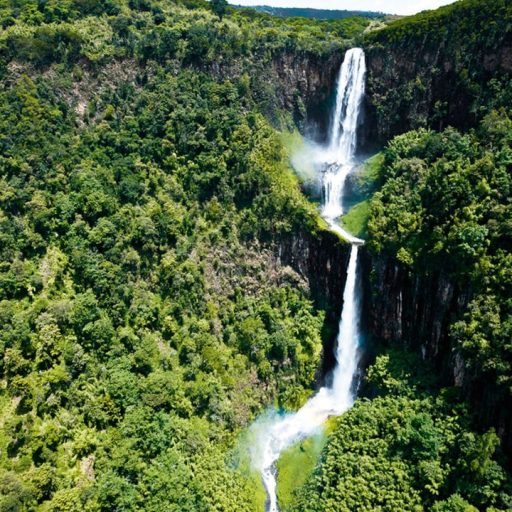
Karuru Falls is the tallest waterfall in Kenya, cascading in multiple tiers down a forested escarpment. The falls are a breathtaking sight, especially during the rainy season when water flow is at its peak. The surrounding forest provides a scenic and tranquil setting for visitors.
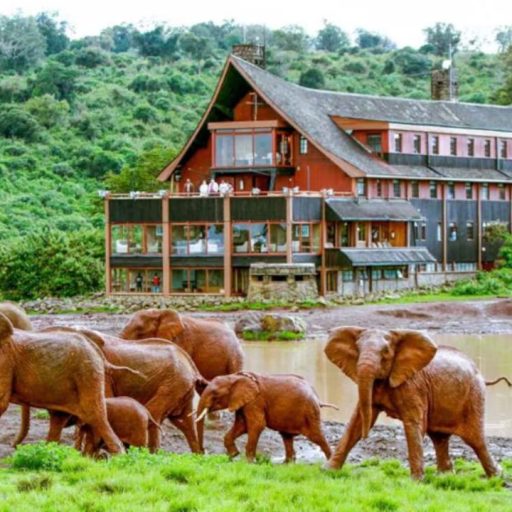
The Ark Lodge
Aberdare Ranges and Moorlands
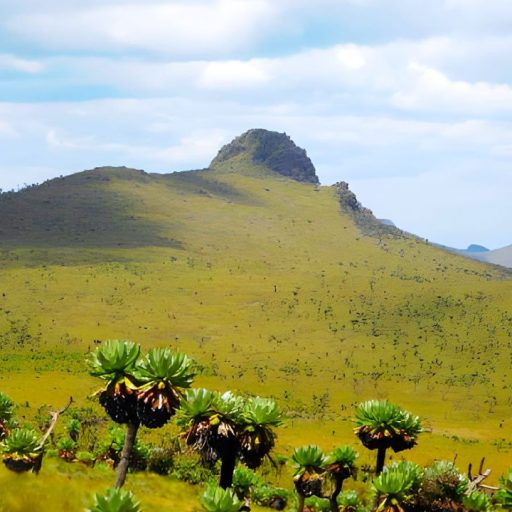
The Aberdare Mountain Range offers scenic hiking opportunities through moorlands and bamboo forests. Visitors can explore unique landscapes, including mist-covered hills and panoramic viewpoints. The cool climate and fresh air make it ideal for nature walks.

Treetops Lodge
Wildlife in Aberdare National Park
Aberdare is home to a wide range of wildlife, including elephants, buffaloes, leopards, and the elusive bongo antelope. The dense forests make sightings more challenging, but the park’s waterholes provide excellent opportunities to observe animals, especially at night.
The park also supports black rhinos, hyenas, and various primates such as colobus monkeys and baboons. Birdlife is abundant, with species adapted to forest and highland environments. Aberdare’s unique ecosystem makes it a haven for both wildlife and bird enthusiasts.


Free 30-minute call with our travel expert
Book a free 30-minute call to get personalized advice about safaris, Kilimanjaro routes, and the best times to visit.

Gipson
- Online
History of the Aberdare National Park
Aberdare National Park was established in 1950 to protect its diverse ecosystems and water catchment areas. The park plays a crucial role in supplying water to surrounding regions and supporting Kenya’s biodiversity.
Historically, the Aberdare forests were used as a hideout by freedom fighters during the Mau Mau Uprising. Today, the park is recognized for both its ecological importance and its historical significance, making it a key destination in Kenya’s tourism landscape.
Frequently Asked Questions about Aberdare National Park
Aberdare National Park is famous for its cool climate, dense forests, and scenic waterfalls like Karuru Falls. It is also known for its unique tree lodges where visitors can watch wildlife from elevated platforms.
The park’s misty landscapes and highland scenery set it apart from other safari destinations in Kenya. Its combination of natural beauty and tranquility makes it a favorite among nature lovers.
Yes, although wildlife can be harder to spot due to dense vegetation, Aberdare offers excellent viewing opportunities at waterholes and salt licks. Visitors often see elephants, buffaloes, and other animals from lodges like The Ark Lodge.
Night viewing is particularly rewarding, as many animals come to drink under floodlights. This unique setup provides a different kind of safari experience.
Aberdare stands out for its mountainous terrain, cool climate, and forest ecosystems, unlike the open savannahs of parks like Maasai Mara National Reserve. It offers a more tranquil and scenic environment.
The presence of waterfalls, caves, and tree lodges adds to its uniqueness. It is ideal for travelers looking for a quieter and more relaxed safari.
Aberdare is easily accessible by road from Nairobi, taking approximately 3–4 hours. The journey passes through scenic highland landscapes and rural areas.
Visitors can also arrange private transfers or guided tours for convenience. Its proximity to Nairobi makes it a popular choice for short trips.
The best time to visit Aberdare is during the dry seasons from January to February and June to October. During these months, wildlife is easier to spot and trails are more accessible.
The rainy seasons offer lush greenery and spectacular waterfalls, though travel conditions may be more challenging. Each season offers a different but rewarding experience.
Yes, visitors can stay at the park at lodges such as Treetops Lodge and The Ark Lodge. These accommodations provide unique wildlife viewing experiences directly from the property.
Staying at the park allows guests to enjoy nighttime animal activity and the peaceful atmosphere of the forest. It enhances the overall safari experience in Aberdare.