A vast and untamed wilderness in southeastern Kenya, Tsavo National Park is one of the most diverse safari destinations in East Africa. Known for its dramatic volcanic landscapes, rolling hills, and natural springs, the park offers a striking contrast to typical savannah environments. Together with its neighboring counterpart, Tsavo East National Park, it forms one of the largest protected wildlife areas in Africa.
Tsavo is famous for its scenic beauty, including lava flows, crater lakes, and lush oases. The park is also home to a wide variety of wildlife, including elephants, lions, leopards, and rhinos. Its rugged terrain and fewer crowds provide a more exclusive and adventurous safari experience compared to other parks in Kenya.
Tsavo National Park is located in southeastern Kenya, between the coastal city of Mombasa and the capital, Nairobi. The park lies near the Tanzania border and is easily accessible by road, rail (via the SGR), or by air through several airstrips within the park.
The park’s proximity to Mount Kilimanjaro enhances its scenic appeal, offering distant views of the iconic peak. This location makes Tsavo West a popular stop for travelers combining coastal holidays with inland safaris.
January – Hot and dry with excellent wildlife viewing near water sources.
February – Ideal conditions continue, with clear skies and active animals.
March – Beginning of long rains; landscapes become greener with fewer visitors.
April – Peak rainy season; roads may be muddy but scenery is lush and vibrant.
May – Continued rains, with wildlife concentrated around permanent water sources.
June – Start of dry season with cooler temperatures and improved accessibility.
July – Excellent game viewing with animals gathering around springs and rivers.
August – One of the best months for safaris with clear visibility and dry conditions.
September – Dry weather continues, offering consistent wildlife sightings.
October – Warm and dry, with good opportunities for photography.
November – Short rains begin; birdlife increases with migratory species arriving.
December – Green landscapes return, with active wildlife and fewer crowds.
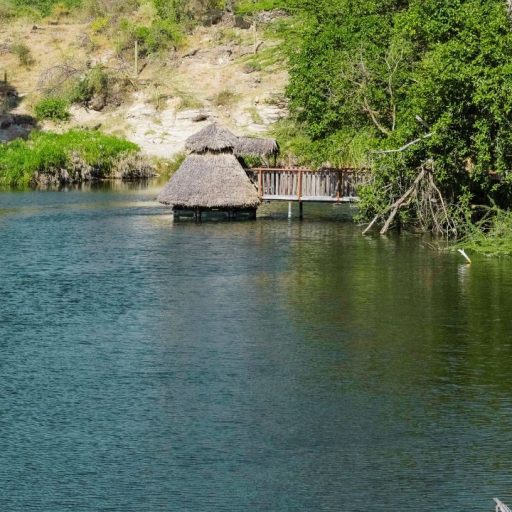
Mzima Springs is one of the park’s most famous attractions, where crystal-clear water flows from underground streams originating from Mount Kilimanjaro. The springs attract hippos, crocodiles, and a variety of fish, which can be observed from an underwater viewing chamber. The surrounding greenery creates a peaceful oasis in the otherwise dry landscape.
Formed by volcanic eruptions centuries ago, the Shetani Lava Flow is a dramatic expanse of black volcanic rock stretching across the park. The name “Shetani,” meaning devil in Swahili, reflects local beliefs about its fiery origins. This unique geological feature provides a striking contrast to the surrounding vegetation.
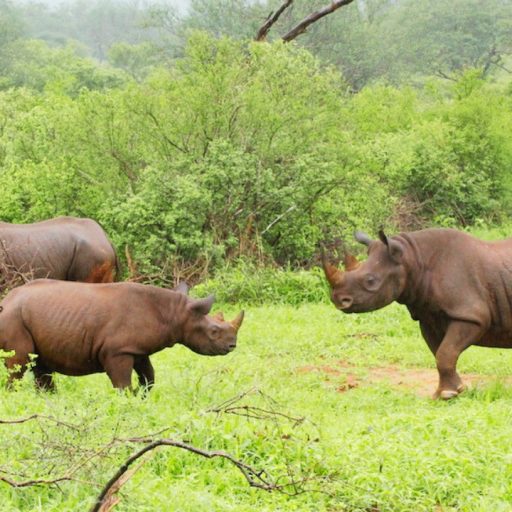
Tsavo is home to a rich diversity of wildlife, including elephants, lions, leopards, buffaloes, and giraffes. The park is also known for its black rhino population, protected within the Ngulia Sanctuary. Visitors may also encounter cheetahs, hyenas, and a wide variety of antelope species.
Bird enthusiasts will find Tsavo particularly rewarding, with over 600 recorded bird species. The combination of volcanic terrain, wetlands, and savannah supports a thriving ecosystem that offers excellent wildlife viewing year-round.
Book a free 30-minute call to get personalized advice about safaris, Kilimanjaro routes, and the best times to visit.
Gipson
Tsavo National Park was established in 1948 as part of the larger Tsavo ecosystem, one of the oldest and largest conservation areas in Kenya. The park was later divided into Tsavo East and Tsavo West due to the construction of a major highway and railway.
The region has a rich cultural history, with local communities coexisting alongside wildlife for generations. Conservation efforts have focused on protecting endangered species, particularly rhinos and elephants. Today, Tsavo stands as a key pillar of Kenya’s wildlife conservation and tourism industry.
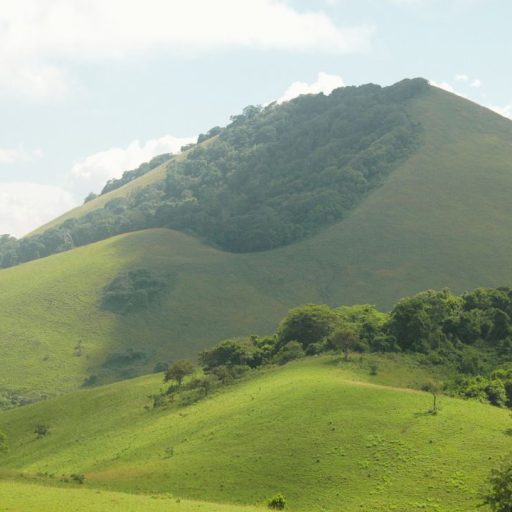
Tsavo West National Park is famous for its dramatic landscapes, including volcanic lava flows, natural springs, and scenic hills. The park’s most iconic attraction is Mzima Springs, where visitors can observe hippos and crocodiles in crystal-clear water. It is also known for its black rhino sanctuary and diverse wildlife.
The park’s combination of rugged terrain and lush oases creates a unique safari experience unlike other parks in Kenya. Its scenic beauty, combined with fewer crowds, makes it a top destination for travelers seeking a more exclusive adventure.
Yes, Tsavo West offers excellent wildlife viewing opportunities, especially during the dry season when animals gather around water sources. Visitors can spot elephants, lions, leopards, buffaloes, and even endangered black rhinos within the sanctuary.
The park’s varied habitats, including wetlands, forests, and open plains, support a wide range of species. Although wildlife may be more spread out compared to smaller parks, the diversity and natural setting make sightings rewarding.
Tsavo West is more mountainous and scenic, with volcanic features, springs, and dense vegetation. In contrast, Tsavo East National Park is flatter, drier, and known for its red-dust elephants and open plains.
While Tsavo East offers easier wildlife spotting due to its open terrain, Tsavo West provides a more diverse and visually dramatic safari experience. Many travelers choose to visit both parks for a complete Tsavo adventure.
Tsavo West is easily accessible by road from both Nairobi and Mombasa, making it a convenient stop for travelers exploring Kenya. The park is also served by the Standard Gauge Railway, with nearby stations providing easy access.
For those preferring faster travel, several airstrips within the park allow for domestic flights from major cities. This flexibility makes Tsavo West accessible for both short and extended safaris.
The best time to visit Tsavo West is during the dry season from June to October and January to February. During these months, wildlife is easier to spot as animals gather around water sources, and roads are more accessible.
However, the green season (March to May and November to December) offers beautiful landscapes, fewer tourists, and excellent birdwatching opportunities. Each season provides a different but equally rewarding experience.
Yes, on clear days, visitors can catch distant views of Mount Kilimanjaro from certain نقاط within the park. The mountain adds a scenic backdrop to the already dramatic landscapes of Tsavo West.
Although the views are not as prominent as in Amboseli, they still enhance the overall safari experience. Early mornings and late afternoons offer the best chances for clear visibility.