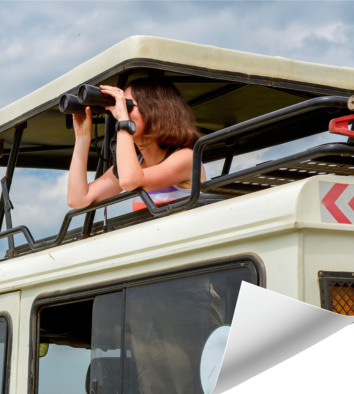
Discover the Diverse Beauty of Masai Mara National Reserve
A world-famous safari destination located in southwestern Kenya, Maasai Mara National Reserve is one of Africa’s most iconic wildlife ecosystems. It forms the northern extension of the Serengeti ecosystem and is best known for its vast savannahs, big cat populations, and the dramatic Great Migration.
The reserve is named after the Maasai people, the traditional inhabitants of the region, and the word “Mara” meaning “spotted,” referring to the dotted landscape of acacia trees across the plains. It offers breathtaking scenery, abundant wildlife, and unforgettable safari experiences.
Where is the Masai Mara National Reserve located?
Maasai Mara is located in southwestern Kenya within the Great Rift Valley ecosystem, bordering Serengeti National Park in Tanzania. It lies approximately 225 kilometers from Nairobi and is accessible by road or short domestic flights to nearby airstrips.
Its remote yet accessible location makes it one of the most visited safari destinations in Africa, offering year-round wildlife viewing.
Safari Packing List in PDF
A comprehensive checklist of everything you’ll need for your adventure in the savannah
Best Time to Visit Masai Mara National Reserve (Month-by-Month Guide)
January – Dry season with excellent wildlife viewing and fewer crowds.
February – Warm and clear conditions, ideal for photography and game drives.
March – Start of long rains, landscapes become greener and more scenic.
April – Heavy rains, fewer tourists, and lush vegetation across the plains.
May – Rain continues but wildlife remains active in greener surroundings.
June – Start of dry season, animals begin concentrating around water sources.
July – Peak safari season and start of the Great Migration river crossings.
August – Best wildlife viewing month with dramatic Mara River crossings.
September – Excellent game viewing with stable weather and active predators.
October – End of dry season, wildlife still highly visible across open plains.
November – Short rains bring fresh grass and returning migratory birds.
December – Green season with scenic landscapes and active wildlife.
Top Attractions in Masai Mara National Reserve
Maasai Mara Savannah Plains
Vast open grasslands filled with wildebeest, zebras, lions, cheetahs, and elephants. The endless plains create one of the most iconic safari landscapes in the world, offering unmatched wildlife viewing opportunities throughout the year.
Mara River
A lifeline of the ecosystem, the Mara River is famous for dramatic wildebeest crossings during the Great Migration. It is also home to large populations of crocodiles and hippos, making it one of the most thrilling safari highlights.
Great Migration
A natural wonder where millions of wildebeest, zebras, and gazelles move between Maasai Mara and Serengeti in search of fresh grazing. The river crossings are intense and unforgettable, attracting visitors from all over the world.
Hot Air Balloon Safaris
Hot Air Balloon Safaris – A unique experience that offers aerial views of the vast savannah at sunrise. Floating above the plains reveals wildlife movement, golden landscapes, and panoramic views of the entire reserve.
Wildlife in Masai Mara National Reserve
Maasai Mara is home to the Big Five: lions, leopards, elephants, buffaloes, and rhinos. It also hosts cheetahs, hyenas, giraffes, zebras, and countless antelope species. The reserve is especially famous for its large lion population and frequent predator-prey interactions. Birdlife is also rich, with over 450 recorded species across the ecosystem.
The Maasai Mara ecosystem has long been inhabited by the Maasai people, who lived in harmony with wildlife for centuries. The reserve was officially established in 1961 to protect wildlife migration routes and conserve the unique savannah ecosystem.
Over time, it became one of Africa’s most important conservation areas, forming a continuous ecological system with the Serengeti and supporting one of the greatest wildlife spectacles on Earth.
Frequently Asked Questions about Masai Mara National Reserve
Maasai Mara National Reserve is famous for the Big Five, the Great Migration, and its dramatic wildlife encounters across vast savannah plains. It is also known for its scenic beauty and world-class safari experiences.
Most visitors spend 3–4 days in Maasai Mara to fully experience game drives, wildlife sightings, and the Great Migration if visiting during peak season.
Activities include game drives, hot air balloon safaris, cultural visits to Maasai villages, photography safaris, and nature walks in designated areas.

 Dutch
Dutch Spanish
 French
 Russian
 Chinese (Simplified)