EAST AFRICA'S CROWN JEWEL
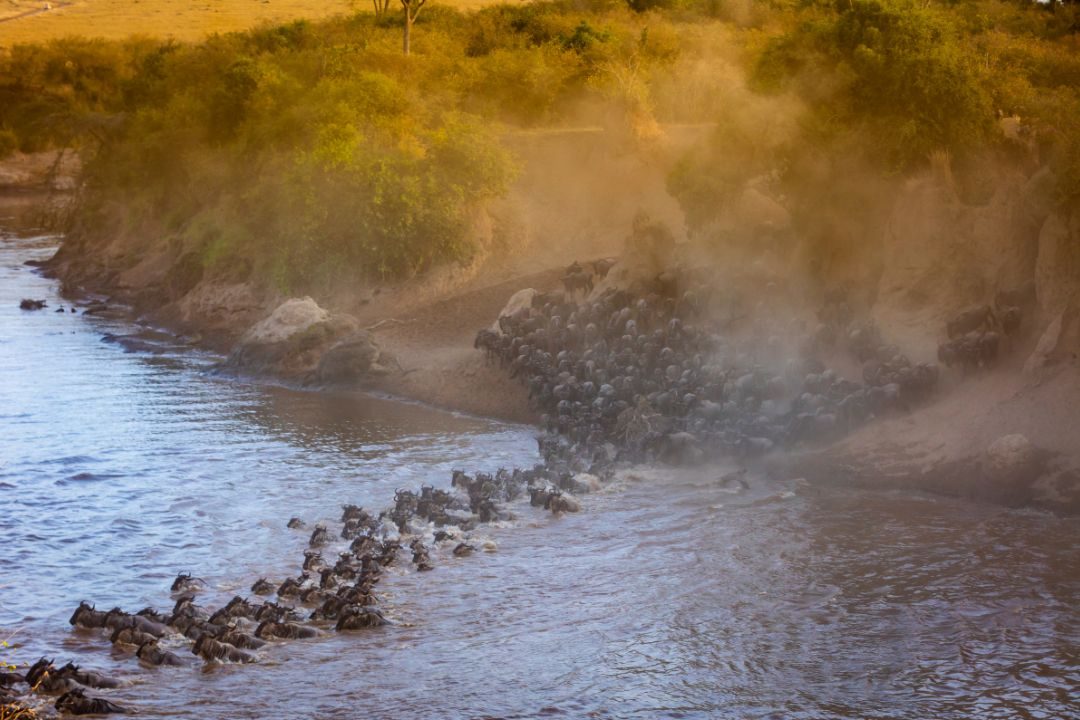
Kenya is one of Africa’s most extraordinary destinations — a land of superlatives where the world’s second highest mountain towers above ancient savannah plains, and over a million wildebeest thunder across the Maasai Mara in the greatest wildlife spectacle on Earth.
Bordered by the Indian Ocean to the east and flanked by three of Africa’s Great Lakes, Kenya encompasses an astonishing diversity of landscapes: from the snow-capped peak of Mount Kenya to the depths of Lake Turkana, the world’s largest desert lake. The country borders the Indian Ocean to the east and includes the islands of Lamu, Pate, and Manda.
km² of breathtaking land area, making Kenya one of Africa's diverse countries.
UNESCO World Heritage Sites and biosphere reserves protecting Kenya's natural wonders.
Ethnic groups and tribes, each with unique traditions, languages, and cultural heritage.
Of Kenya's total land area is protected as national parks, game reserves, and conservation areas.
Must See Destinations
When to Visit
Kenya is a year-round destination, but each season offers a different and equally rewarding experience.
Safari and Adventures
Other Destinations
Highlights
Highlights
Highlights
Highlights
What you Need to Know
Mt. Kenya 5,199m
536 km Indian Ocean
Victoria, Turkana, Naivasha
12% of total land in Kenya

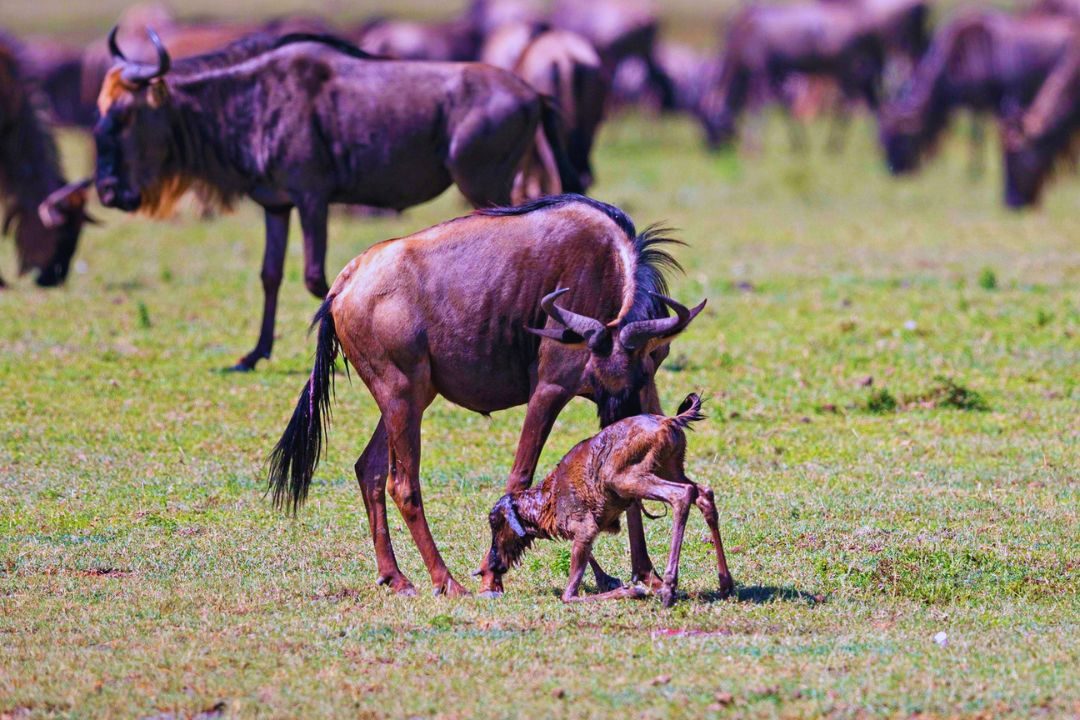
The iconic Maasai Mara and Laikipia Plateau stretch across southern and northern Kenya, supporting the world's greatest wildlife migrations.
The Aberdare Range and the dramatic peaks of Mount Kenya form breathtaking backdrops and harbour unique endemic species.
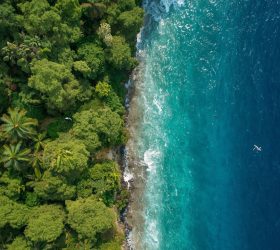
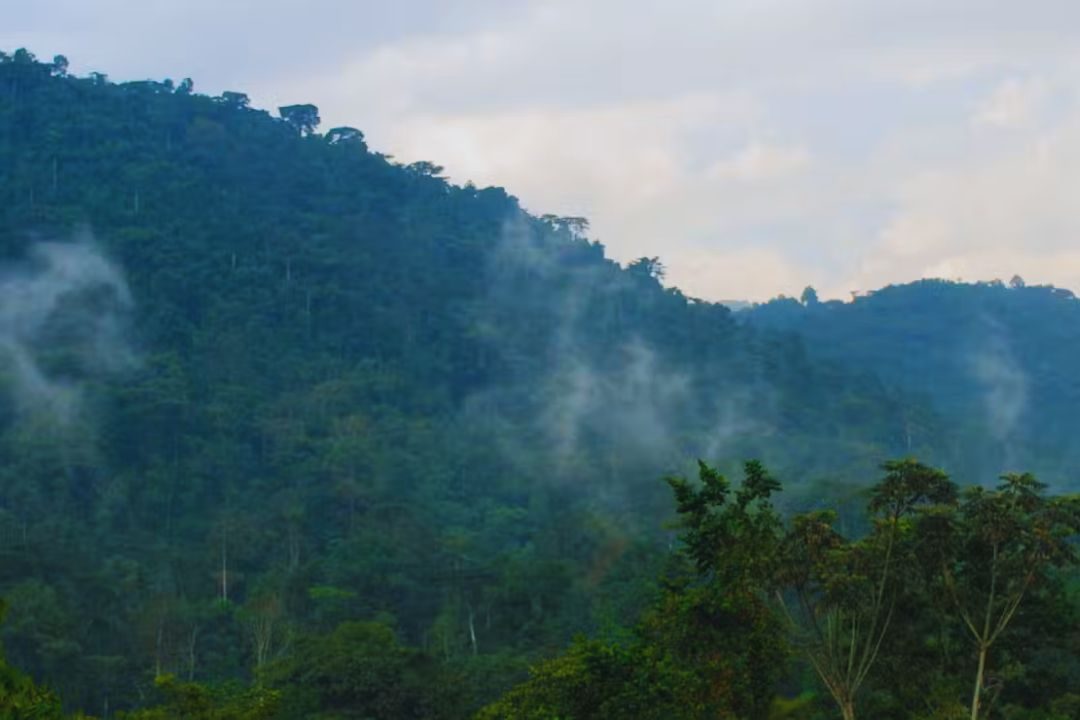
The Arabuko-Sokoke forest is among Africa's most biodiverse ecosystems, home to endemic species found nowhere else on Earth.
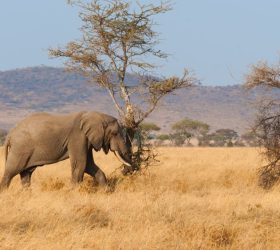
June – October
March – May
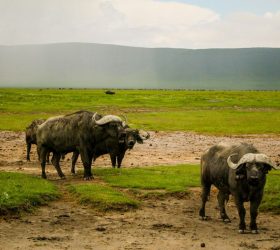
Oct – December
22–30°C year-round

The best time for wildlife viewing. Vegetation thins, animals concentrate around water sources, and skies are clear. Ideal for the Great Migration river crossings in the Maasai Mara.
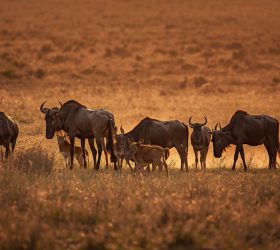
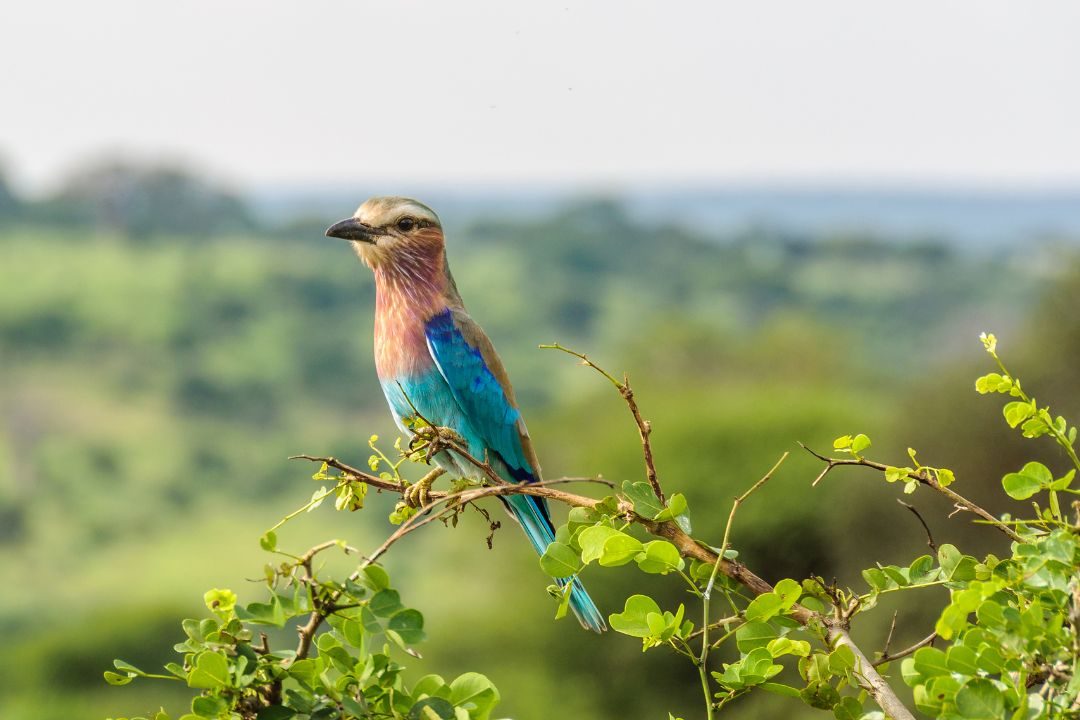
Lush landscapes, fewer tourists, and lower prices. Excellent for birdwatching, photography, and witnessing the vibrant post-rain wilderness across Kenya’s savannahs
Areas like Nairobi and the Central Highlands enjoy a cooler, more temperate climate year-round, with temperatures ranging from 10–25°C.
12 December 1963
12 December 1964
Millions of years of history
UNESCO Heritage since 2001

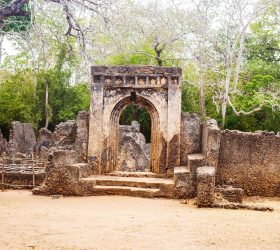
The Rift Valley in Kenya is one of the most important paleoanthropological sites in the world, with fossil remains of early human ancestors dating back millions of years.
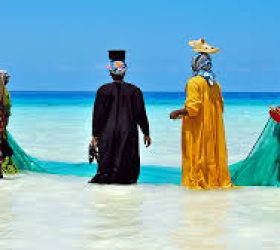
For centuries, the East African coast was a hub of Indian Ocean trade. The Swahili culture blended Bantu, Arab, Persian, and Indian influences, creating a unique civilisation.

Under Jomo Kenyatta's leadership, Kenya pursued a path of nation-building and economic development. Today it is a stable democracy and a regional hub for trade, technology, and tourism in East Africa.
70+ distinct groups
Kikuyu people
Kiswahili
Christian, Muslim, Traditional

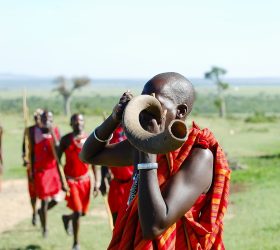
Perhaps Kenya's most iconic people, the Maasai are semi-nomadic pastoralists known for their distinctive red shukas, elaborate beadwork, and warrior traditions.
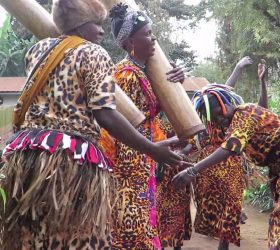
Renowned worldwide for their exceptional prowess in long-distance running, the Kalenjin are deeply connected to the Rift Valley landscape and hold rich agricultural and pastoral traditions.

Kenya’s coastal communities reflect centuries of Indian Ocean trade, blending African, Arab, Indian, and Portuguese heritage into a unique Swahili culture with distinctive architecture, music, and cuisine.
Tanzanian cuisine reflects the country’s diverse cultures and coastal trading history. Staples include ugali (maize porridge), rice, and cassava, accompanied by stews, grilled meats, and fresh seafood. Zanzibar’s cuisine is particularly renowned for its aromatic spice-infused dishes, fresh seafood, and the famous Zanzibar pizza.
Staple Food Ugali (maize porridge)
Nyama Choma (grilled meat)
Kilimanjaro, Konyagi & Safari Lager
Cloves, cardamom, cinnamon

Perhaps Tanzania's most iconic people, the Maasai are semi-nomadic pastoralists known for their distinctive red shukas, elaborate beadwork, and warrior traditions.

Living on the slopes of Kilimanjaro, the Chagga are known for their agricultural expertise, particularly coffee and banana cultivation, and their sophisticated irrigation systems.

Zanzibaris reflect centuries of Indian Ocean trade, blending African, Arab, Indian, and Portuguese heritage into a unique Swahili culture with distinctive architecture, music, and cuisine.
Travel Essentials
By Air
Jomo Kenyatta International Airport (NBO) and Moi International Airport (MBA) are the main international gateways. A vast network of domestic flights connects major parks and towns, including convenient safari links via Wilson Airport.
By Road
Intercity buses and matatus (minibuses) connect major towns and regions. Taxis and ride-hailing apps (Uber, Bolt, Little Cab) are widely available in Nairobi and Mombasa. Self-drive is possible but requires experience with local traffic.
By Water
Ferries connect the coast to islands like Lamu. On Lake Victoria, various passenger and vehicle ferries operate between mainland ports and islands, offering essential travel across the western lake region.
Currency
The Kenyan Shilling (KES) is the official legal tender. While USD is widely accepted in safari lodges, use local cash for markets. Bring notes dated 2016 or newer; older bills are often refused.
Exchange
Banks and forex bureaus provide exchange services in cities and at airports. ATMs are common in hubs, accepting major cards. Credit cards are standard at larger hotels but limited in remote regions.
Tipping
Tipping is customary for quality service. For safari guides, USD 10–25 per guest per day is typical. For lodge staff, a pooled tip of USD 5–15 per night is recommended, plus small amounts for porters.
Mobile Networks
Safaricom, Airtel, and Telkom are the main providers. SIM cards are inexpensive and widely available. Coverage is excellent in cities and tourist areas but varies in remote wilderness.
Internet
Wi-Fi is available in most hotels, lodges, and restaurants in urban centers. Remote safari camps may have limited or no connectivity — embrace the beauty of a digital detox!
International Calls
Kenya’s country code is +254. International roaming can be expensive; purchasing a local SIM card is highly recommended for extended stays or if you require reliable data access.
Dress Code
Dress modestly, particularly in coastal regions and rural areas. Covering shoulders and knees is appreciated and considered respectful in public spaces. Swimwear should be reserved strictly for beaches and pools.
Greetings
Kenyans are warm and welcoming. A handshake is the standard greeting; it is often polite to use your right hand. Learning simple Kiswahili phrases (Jambo! Habari? Asante!) is a wonderful way to show respect.
Photography
Always ask permission before photographing individuals, children, or private property. Some communities may request a small fee for photos. Photography is strictly prohibited at government buildings, airports, military installations, and police stations.
What to Buy
Soapstone carvings, Maasai beadwork, intricate wood carvings, vibrant batik fabrics, and high-quality Kenyan coffee or tea make for excellent, authentic local souvenirs.
Where to Shop
Nairobi’s Maasai Markets, Mombasa’s Old Town bazaars, and local craft centers offer a wide array of goods. Bargaining is a normal and expected part of the experience in these markets.
Kenyan Crafts
Beyond traditional beadwork, look for unique Kisii soapstone items and handmade sisal baskets. Always purchase from reputable shops or cooperatives to ensure fair trade and quality.
Voltage & Frequency
Kenya uses 240V / 50Hz electricity. Occasional power fluctuations can occur, particularly in rural areas. Most safari lodges rely on backup generators or solar power systems.
Plug Types
Type G (British 3-pin) plugs are the national standard. It is highly recommended to carry a universal travel adapter if your electronic devices utilize different plug configurations.
Power Banks
A portable power bank is essential for safari trips. Charging opportunities may be limited or restricted to specific hours in remote bush camps and during long, trans-park game drives.
Stay Safae & Healthy
Yellow Fever vaccination is mandatory if you are arriving from an endemic country. Recommended routine and travel vaccines include Hepatitis A & B, Typhoid, Tetanus, and Polio. Consult a travel health clinic 6–8 weeks before departure to map your specific needs.
Malaria is present throughout Kenya, including coastal and lake regions. Take antimalarial medication as prescribed, use DEET-based insect repellent, sleep under mosquito nets, and wear long sleeves and trousers after dusk when mosquitoes are most active.
Drink only bottled or purified water. Avoid ice in drinks unless confirmed to be made from purified water. Eat at reputable, well-reviewed restaurants and hotels, and avoid raw or undercooked food from street vendors.
Nairobi and Mombasa have the best private hospitals and clinics. Facilities in rural or remote areas are limited. Comprehensive travel insurance with high-ceiling medical evacuation coverage is absolutely essential for safari and mountain trekking activities.
Kenya is bisected by the equator and the sun is intense. Use high-SPF sunscreen, wear a wide-brimmed hat, and stay hydrated. Heat exhaustion is a genuine risk during strenuous activities like bush walks or high-altitude climbing on Mount Kenya.
As of 2026, visitors must apply for an Electronic Travel Authorization (eTA) in advance of travel. Always check the official Kenyan immigration portal or consult your airline for the most current entry protocols and any updated health screening requirements before your departure.
Kenya has fully reopened to international visitors with no standard COVID-19 entry restrictions. Travelers are not required to provide proof of vaccination or negative test results. However, please be aware that the Kenyan Ministry of Health may conduct enhanced health screenings—including temperature checks—for arrivals displaying flu-like symptoms. It is advised to monitor official government health advisories and your airline’s specific policies shortly before your travel.
Common Questions
There are no standard COVID-19 restrictions, though health screenings (like temperature checks) may occur for symptomatic arrivals.