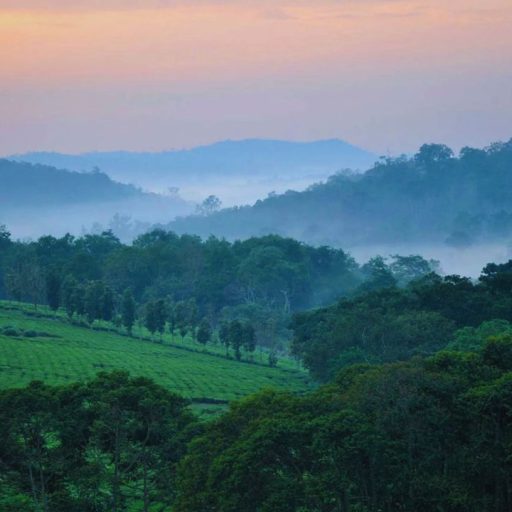
A world-renowned rainforest destination in western Uganda, Kibale National Park is famous for its chimpanzee trekking experiences, rich biodiversity, and beautiful tropical forests. The park is widely recognized as the primate capital of East Africa and offers some of the best opportunities in Africa to observe chimpanzees in their natural habitat.
Kibale National Park is characterized by dense tropical rainforest, swamp wetlands, grasslands, and crater lakes that support an incredible variety of wildlife species. The park provides a unique combination of chimpanzee encounters, birdwatching, nature walks, and scenic landscapes that attract visitors from around the world. Its untouched forest ecosystems and remarkable primate populations make it one of Uganda’s most important conservation areas.
Kibale National Park is located in western Uganda near the town of Fort Portal, approximately 320 kilometers west of Kampala. The park stretches across the districts of Kabarole, Kamwenge, Kyenjojo, and Kasese.
The park lies close to Queen Elizabeth National Park and the foothills of the Rwenzori Mountains, making it a popular addition to Uganda safari itineraries. Kibale’s tropical rainforest landscapes, crater lakes, and rich biodiversity create one of East Africa’s most scenic nature destinations.
January: Dry conditions with comfortable forest trails and excellent chimpanzee trekking opportunities.
February: Ideal weather for chimpanzee tracking and nature walks in the forest.
March: Beginning of rainy season with greener landscapes and active birdlife.
April; Heavy rains create muddy trails but enhance the rainforest scenery.
May: Rain continues with lush vegetation and beautiful forest landscapes.
June: Start of dry season with improved trekking conditions and clearer trails.
July; One of the best months for chimpanzee trekking and photography.
August: Cool temperatures and dry conditions provide excellent hiking experiences.
September: Dry weather continues with comfortable trekking conditions across the park.
October: Moderate rainfall with scenic forest views and active wildlife.
November: Short rains begin, bringing fresh vegetation and migratory birds.
December: Excellent trekking month with cooler weather and beautiful rainforest scenery.
Chimpanzee trekking is the most famous attraction in Kibale National Park and one of the best wildlife experiences in Uganda. Visitors walk through dense tropical forests searching for habituated chimpanzee groups living within the park. Observing chimpanzees feeding, communicating, and moving through the trees creates unforgettable moments for nature lovers and photographers. The experience combines adventure, conservation, and close encounters with one of humanity’s closest relatives in the wild.
The tropical rainforest of Kibale National Park is one of the most biodiverse forest ecosystems in East Africa. Towering trees, thick vegetation, and peaceful forest trails create a beautiful wilderness environment throughout the park. The rainforest supports numerous primates, birds, butterflies, and rare plant species that thrive within the protected ecosystem. Exploring the forest offers exceptional opportunities for photography, birdwatching, and guided nature walks.
Bigodi Wetland Sanctuary is one of the most popular eco-tourism attractions near Kibale National Park. The wetland is famous for its rich birdlife, monkeys, and scenic boardwalk trails through swamp vegetation and tropical forests. Guided community walks provide visitors with opportunities to observe wildlife while learning about local conservation initiatives. The sanctuary’s peaceful environment and biodiversity make it an excellent addition to chimpanzee trekking experiences.
The crater lakes surrounding Kibale National Park are among western Uganda’s most scenic natural attractions. Beautiful volcanic lakes surrounded by rolling hills, forests, and farmland create breathtaking landscapes ideal for relaxation and photography. The region provides panoramic viewpoints and peaceful walking experiences across rural communities and tropical scenery. The combination of crater lakes and rainforest environments adds exceptional beauty to the Kibale safari experience.
Kibale National Park, is home to the highest concentration of primates in East Africa and supports an extraordinary diversity of wildlife within its tropical forests. The park protects chimpanzees, black-and-white colobus monkeys, red-tailed monkeys, blue monkeys, L’Hoest’s monkeys, olive baboons, and several other primate species.
Birdlife is equally impressive with over 370 recorded bird species including hornbills, turacos, kingfishers, and forest birds. The combination of rainforest habitats, wetlands, and crater lake ecosystems creates one of Uganda’s richest biodiversity areas.
Book a free 30-minute call to get personalized advice about safaris, Kilimanjaro routes, and the best times to visit.
Gipson
Kibale National Park was officially established in 1993 to protect its tropical rainforest ecosystems and diverse wildlife populations. The forest had previously been managed as a forest reserve before becoming a national park due to its ecological importance and remarkable biodiversity.
Conservation efforts have focused on protecting chimpanzees, forest habitats, and surrounding ecosystems while supporting sustainable tourism and local communities. Today, Kibale is internationally recognized as one of Africa’s leading destinations for chimpanzee trekking and rainforest conservation.
Kibale National Park is famous for chimpanzee trekking and its rich tropical rainforest biodiversity. The park is home to the highest concentration of primates in East Africa including chimpanzees, colobus monkeys, and red-tailed monkeys. Its dense forests, crater lakes, and scenic landscapes make it one of Uganda’s top eco-tourism destinations. Kibale is also recognized as one of Africa’s best places for observing chimpanzees in their natural habitat.
Most visitors spend between two and three days exploring Kibale National Park depending on trekking activities and travel schedules. Chimpanzee trekking usually requires a full day, while additional days allow visitors to enjoy birdwatching, nature walks, crater lakes, and Bigodi Wetland Sanctuary experiences. Longer stays provide more opportunities to explore the rainforest ecosystems and surrounding attractions. Kibale’s peaceful environment and biodiversity make extended visits especially rewarding.
The best time to visit Kibale National Park is during the dry seasons from June to August and December to February. These months provide better trekking conditions with clearer forest trails and easier wildlife viewing opportunities. Although rain is possible throughout the year due to the rainforest climate, dry periods improve accessibility and hiking experiences. Cooler temperatures and scenic forest landscapes make trekking especially enjoyable during these seasons.
Kibale National Park is home to chimpanzees, black-and-white colobus monkeys, red-tailed monkeys, blue monkeys, olive baboons, and several other primate species. The park also supports forest elephants, bush pigs, butterflies, reptiles, and numerous bird species throughout its tropical rainforest ecosystems. Chimpanzees remain the main attraction and offer unforgettable wildlife encounters during guided trekking experiences. Kibale’s biodiversity makes it one of Uganda’s richest rainforest conservation areas.
Kibale National Park is considered one of Uganda’s best birdwatching destinations because of its exceptional rainforest bird diversity and varied habitats. The park supports more than 370 bird species including hornbills, turacos, kingfishers, and several forest endemics. Tropical forests, wetlands, and crater lake ecosystems provide ideal conditions for birdlife throughout the year. Birdwatchers and nature enthusiasts enjoy excellent sightings along the park’s scenic forest trails.
Kibale National Park can easily be combined with several of Uganda’s leading tourism destinations for extended safari adventures. Many travelers combine the park with Queen Elizabeth National Park for wildlife safaris or Bwindi Impenetrable National Park for gorilla trekking experiences. The park is also frequently paired with Rwenzori Mountains National Park and Lake Bunyonyi for mountain adventures and scenic relaxation.