Ol Pejeta Conservancy

Discover the Diverse Beauty of Ol Pejeta Conservancy

Located in the heart of Kenya’s Laikipia region, Ol Pejeta Conservancy is a leading wildlife conservation area known for its innovative approach to protecting endangered species. Set against the stunning backdrop of Mount Kenya, the conservancy offers a blend of classic safari experiences and impactful conservation efforts.

Ol Pejeta is internationally recognized for hosting the last two remaining northern white rhinos in the world, making it one of the most important conservation sites globally. The conservancy combines wildlife protection, community development, and tourism, offering visitors a meaningful and educational safari experience.

Where is the Ol Pejeta Conservancy located?

Ol Pejeta Conservancy is located in Laikipia County in central Kenya, approximately 200 kilometers north of Nairobi, near the town of Nanyuki. The conservancy lies between the foothills of Mount Kenya and the Aberdare ranges.

It is easily accessible by road (about 4–5 hours from Nairobi) or by scheduled flights to nearby airstrips. Its central location makes it a convenient addition to many Kenya safari itineraries.

Safari Packing List in PDF

A comprehensive checklist of everything you’ll need for your adventure in the savannah

Best Time to Visit Ol Pejeta Conservancy (Month-by-Month Guide)

January – Dry and warm with excellent wildlife visibility.

February – Ideal safari conditions with active animals and clear skies.

March – Start of long rains; landscapes become greener with fewer tourists.

April – Peak rainy season; lush scenery but some roads may be muddy.

May – Continued rains with wildlife concentrated near water sources.

June – Start of dry season with cooler temperatures and improved access.

July – Great wildlife viewing as animals gather around waterholes.

August – One of the best months for clear views and active wildlife.

September – Dry conditions continue, offering consistent safari experiences.

October – Warm and dry with good game viewing opportunities.

November – Short rains begin; birdlife becomes more vibrant.

December – Green landscapes return with active wildlife and fewer crowds.

Top Attractions in Ol Pejeta Conservancy

Northern White Rhinos

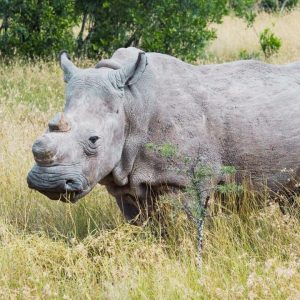
Ol Pejeta Conservancy is home to the last two northern white rhinos on Earth, making it a globally significant conservation site. Visitors can learn about ongoing efforts to save the species from extinction through advanced scientific programs. This rare experience highlights the importance of wildlife conservation

white rhino
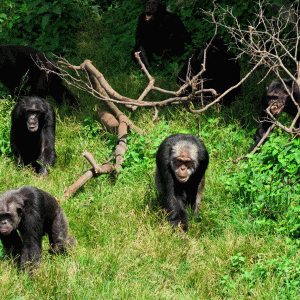
chimpanzees

Chimpanzee Sanctuary

The Sweetwaters Chimpanzee Sanctuary is the only place in Kenya where visitors can see rescued chimpanzees. Managed in partnership with conservation organizations, the sanctuary provides a safe haven for orphaned and abused chimpanzees. It offers an educational and inspiring experience for visitors.

Big Five Safaris

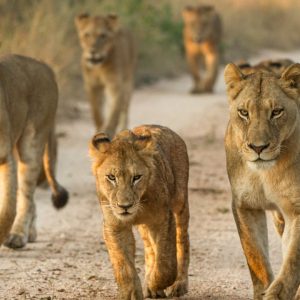
Ol Pejeta is one of the few places in Kenya where visitors can see all members of the Big Five—lion, leopard, elephant, buffalo, and rhino—in one location. The conservancy’s well-managed ecosystem ensures high chances of wildlife sightings throughout the year.
big 5
Ol Pejeta Conservancy (1)

Lion Tracking Experience

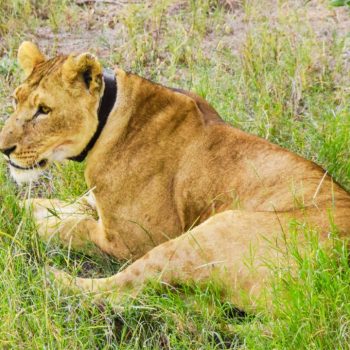
Visitors can participate in a unique lion tracking activity alongside conservation experts. This experience allows guests to follow lions using tracking equipment while learning about their behavior and conservation challenges. It offers a deeper understanding of predator ecology.

Wildlife in Ol Pejeta Conservancy

Ol Pejeta Conservancy hosts a wide range of wildlife, including elephants, lions, leopards, cheetahs, giraffes, zebras, and numerous antelope species. It is particularly known for its large population of black rhinos and successful conservation programs.

Birdlife is also abundant, with over 300 species recorded in the conservancy. The mix of open plains, riverine forests, and wetlands supports a rich ecosystem, making it a rewarding destination for both wildlife enthusiasts and birdwatchers.

Best Accommodations Ol Pejeta Conservancy

Free 30-minute call with our travel expert

Book a free 30-minute call to get personalized advice about safaris, Kilimanjaro routes, and the best times to visit.

Gipson

Travel Expert

History of the Ol Pejeta Conservancy

Ol Pejeta Conservancy was originally a cattle ranch before being transformed into a wildlife conservancy in the early 2000s. Since then, it has become a model for sustainable conservation, balancing wildlife protection with community development.

The conservancy has played a crucial role in rhino conservation, including hosting the last northern white rhinos transferred from Europe. Today, it is recognized globally for its innovative conservation efforts and commitment to preserving endangered species.

Frequently Asked Questions about Ol Pejeta Conservancy

Ol Pejeta Conservancy is famous for being home to the last two northern white rhinos in the world. It is also known for its successful black rhino conservation program and the Sweetwaters Chimpanzee Sanctuary.

The conservancy combines wildlife conservation with tourism, offering visitors a unique and educational safari experience. Its commitment to protecting endangered species makes it a globally important destination.

Yes, Ol Pejeta offers excellent wildlife viewing with high chances of seeing the Big Five. The conservancy’s open landscapes and well-managed environment make it easy to spot animals throughout the year.

Visitors can enjoy game drives, guided walks, and unique experiences like lion tracking. The diversity of wildlife ensures a rewarding safari experience.

Ol Pejeta stands out for its strong focus on conservation and community involvement. Unlike traditional national parks, it operates as a private conservancy with innovative programs to protect endangered species.

The presence of chimpanzees and northern white rhinos makes it unique. It offers a more interactive and educational safari compared to parks like Maasai Mara National Reserve.

Ol Pejeta can be reached by road from Nairobi in about 4–5 hours. The journey passes through scenic central highlands and rural landscapes.

Alternatively, visitors can take domestic flights to nearby airstrips for a quicker and more convenient option. This makes it accessible for both short visits and extended safaris.

The best time to visit Ol Pejeta is during the dry seasons from January to February and June to October. Wildlife is easier to spot during these months as animals gather around water sources.

The green season offers lush landscapes and fewer crowds, along with excellent birdwatching opportunities. Each season provides a unique experience.

Yes, Ol Pejeta is one of the best places in Kenya to see the Big Five in a single location. The conservancy has healthy populations of lions, elephants, buffaloes, leopards, and rhinos.

Its conservation-focused management ensures a thriving ecosystem that supports diverse wildlife. This makes it an ideal destination for a complete safari experience.