
 Dutch
Dutch Spanish
 French
 Russian
 Chinese (Simplified)
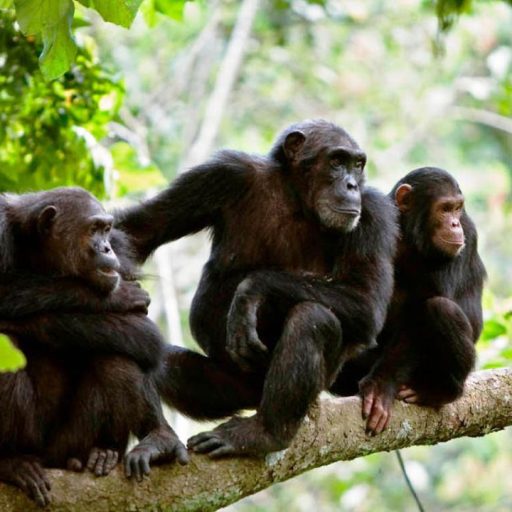
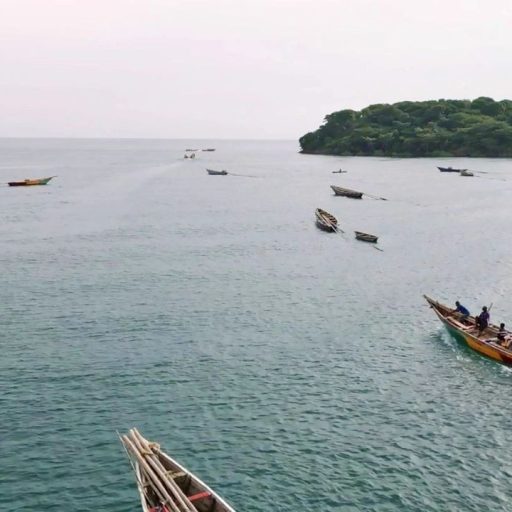
Gombe Stream National Park is one of Tanzania’s smallest yet most famous national parks, renowned worldwide for its chimpanzee research and intimate wildlife encounters. Located along the shores of Lake Tanganyika, this narrow strip of forested mountains offers a completely different safari experience focused on primates rather than large savannah animals.
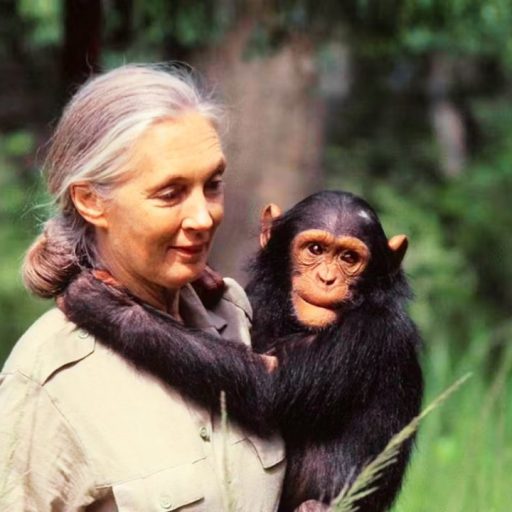
The park gained global recognition through the pioneering work of Jane Goodall, who began her groundbreaking chimpanzee research here in the 1960s. Today, visitors can follow in her footsteps, trekking through dense forests to observe chimpanzees in their natural habitat. Combined with scenic lake views and tranquil surroundings, Gombe offers a deeply immersive and educational experience.
Gombe Stream National Park is located in western Tanzania along the northeastern shore of Lake Tanganyika, just north of the town of Kigoma. It covers approximately 52 square kilometers, making it one of the smallest national parks in the country. Despite its size, it is globally significant due to its chimpanzee populations and research history.
The park is only accessible by boat from Kigoma, adding to its sense of remoteness and exclusivity. Its steep valleys, dense forests, and clear streams create a unique environment that supports primates and diverse birdlife. The lakeshore setting provides stunning views and opportunities for relaxation after trekking.

January – January falls within the green season, with lush forests and active wildlife. Chimpanzees are harder to track as they move deeper into the forest. However, the park is vibrant and scenic, and birdwatching is excellent. Visitor numbers are low, offering a peaceful experience.
February – February continues with green conditions and abundant forest life. Trekking can be more challenging due to dense vegetation, but sightings are still possible. The park remains quiet, making it ideal for travelers seeking solitude and immersion in nature.
March – March marks the beginning of heavier rains. Trails become slippery and trekking conditions more demanding. Chimpanzees may travel further, making them harder to locate. The forest is lush and beautiful, and birdlife thrives during this time.
April – April is one of the wettest months, and access may be limited. Trekking becomes difficult, but the park is at its greenest. Few visitors come during this period, offering a tranquil and undisturbed environment.
May – Rainfall begins to ease toward the end of May. The forest remains dense, but trekking conditions improve gradually. Wildlife is active, and the park retains its lush beauty.
June – June marks the start of the dry season. Trails become easier to navigate, and chimpanzee tracking improves. The forest begins to thin slightly, making sightings more reliable.
July – July offers excellent trekking conditions. Chimpanzees are easier to locate, and the weather is dry and comfortable. This is one of the best months to visit the park.
August – August continues the dry season with optimal conditions for chimpanzee tracking. Sightings are frequent, and the weather is pleasant. The lake also provides opportunities for relaxation.
September – September is among the best months for visiting Gombe. Chimpanzees are easier to find, and trekking conditions are ideal. The scenery remains beautiful with clear views and dry trails.
October – October remains dry and warm. Chimpanzee sightings are still good, and the weather supports both trekking and lakeside activities.
November – November brings the short rains, refreshing the forest. Chimpanzees begin to move more unpredictably, but the park becomes greener. Birdwatching improves with migratory species arriving.
December – December features lush vegetation and active wildlife. Trekking becomes more challenging, but the scenery is vibrant and rewarding. The park remains peaceful with fewer visitors.
Book a free 30-minute call to get personalized advice about safaris, Kilimanjaro routes, and the best times to visit.

Gipson