
 Dutch
Dutch Spanish
 French
 Russian
 Chinese (Simplified)
Kilimanjaro Guides & Trekking
Conquering the Roof of Africa: The Ultimate Kilimanjaro Route Guide (2026 Edition)
Seven routes, one summit. Here's everything you need to choose the right path up Mount Kilimanjaro, boost your summit success rate, and prepare for the climb of a lifetime — straight from GIP Adventure's mountain crew in Arusha.
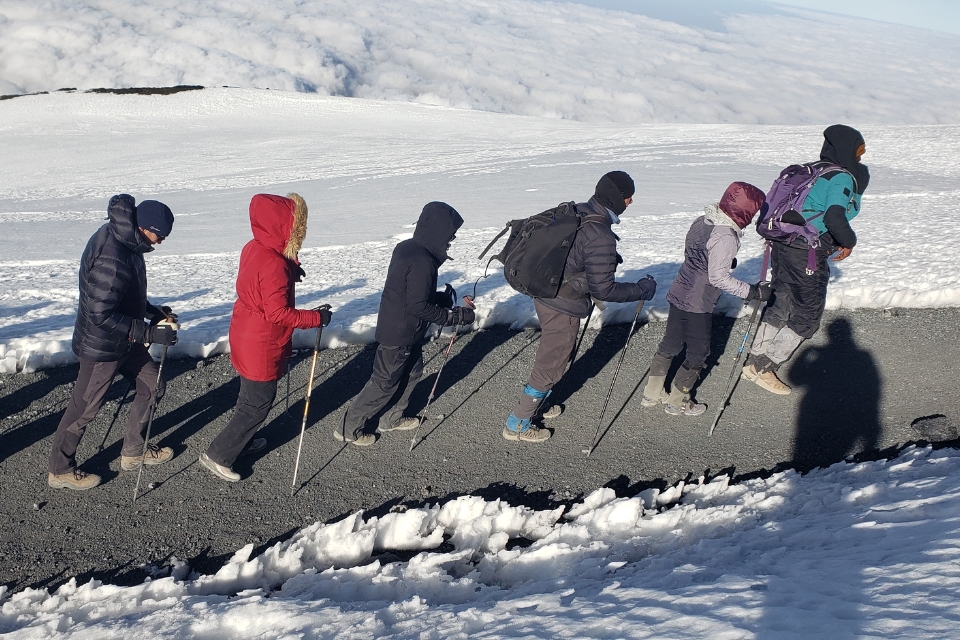
Sunrise above the clouds on the climb to Uhuru Peak, Mount Kilimanjaro.
At 5,895 metres, Kilimanjaro is the tallest free-standing mountain on Earth — and the only one of the legendary Seven Summits that almost any reasonably fit person can stand on top of, no climbing rope required. The catch? Which route you choose decides almost everything: your odds of reaching Uhuru Peak, how badly altitude hits you, and whether you remember the climb as a triumph or a forced march in the rain.
This guide breaks down all seven official Kilimanjaro routes side-by-side, walks through the 2026 season's best climbing windows, and gives you the acclimatization strategy our guides actually use on the mountain. Whether you're booking your first Kilimanjaro trek or comparing Lemosho vs. Machame for the tenth time, you'll find the answer here.
In this guide: Why Kilimanjaro → The 7 official routes compared → Best time to climb in 2026 → Acclimatization & summit success → What to pack → FAQs
Why Kilimanjaro Belongs on Every Adventurer's List
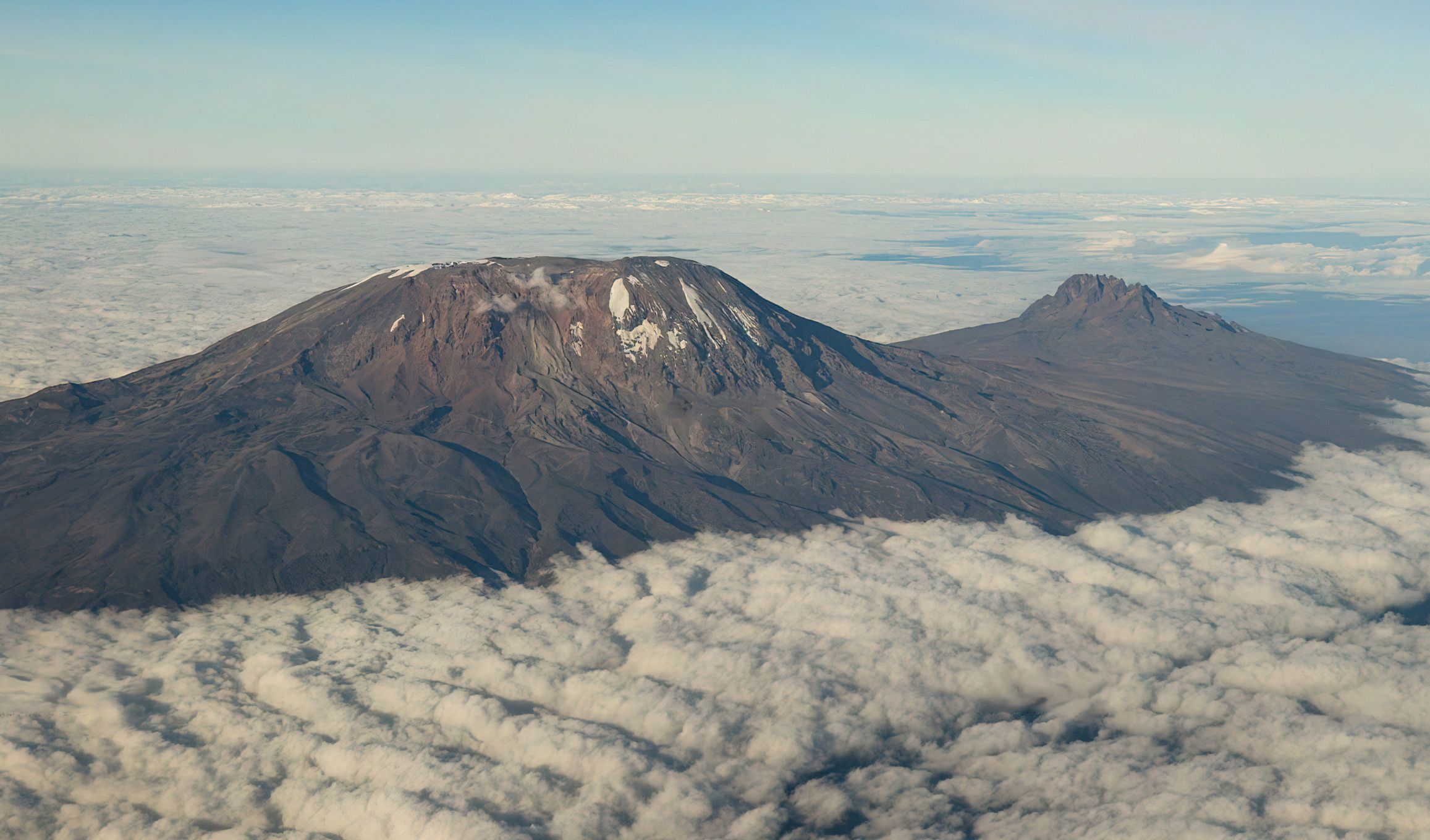
Kilimanjaro is unique among the world's great peaks: a dormant volcano rising solo from the Tanzanian savanna, with no neighbouring range to share the credit. Climbers walk through five distinct ecological zones in less than a week — cultivated farmland, lush rainforest, open moorland, an alpine desert, and finally an arctic summit zone capped in glacial ice. It's the only place on the continent where you can stand among Africa's "Big Five" wildlife one morning and arctic ice fields five days later.
No technical climbing skills, ropes, or prior mountaineering experience are required — but make no mistake, this is a serious physical and mental undertaking that deserves real preparation.
Kilimanjaro Routes at a Glance
There are seven officially recognised routes to the summit. Each climbs the mountain from a different side, with its own scenery, crowd levels, and acclimatization profile.
| Route | Duration | Difficulty | Scenery | Success Rate |
|---|---|---|---|---|
| Lemosho | 7–8 days | Moderate | Outstanding | Very High |
| Northern Circuit | 8–9 days | Moderate | Outstanding | Highest |
| Machame | 6–7 days | Moderate–Challenging | Excellent | High |
| Rongai | 6–7 days | Moderate | Good (drier side) | High |
| Shira | 7–8 days | Moderate | Excellent | High |
| Marangu | 5–6 days | Moderate | Good | Moderate |
| Umbwe | 5–6 days | Challenging | Dramatic | Lower (fast ascent) |
Rule of thumb: the more days you spend on the mountain, the higher your acclimatization and the higher your odds of summiting comfortably. Every extra night below the summit is a night your body adapts to thinner air.
The Seven Kilimanjaro Routes, In Detail
Here's how each route actually feels on the ground, based on our guides' seasons leading them.
Lemosho Route — The All-Round Favourite
Lemosho approaches from the west, opening with a genuinely wild rainforest walk before crossing the Shira Plateau toward Kibo. It's our most recommended route for first-time climbers because the extra days mean exceptional acclimatization, and the western approach sees far fewer trekkers than Machame.
Northern Circuit — The Longest, Highest-Odds Route
The newest official route, looping around Kilimanjaro's rarely-seen northern flank before joining the summit push. With 8–9 days on the mountain, it offers the best acclimatization profile of any route — ideal for climbers who want to maximise their summit odds and have the time to spend.
Machame Route — "The Whisky Route"
Kilimanjaro's most popular route for good reason: a dramatic, varied path with strong acclimatization built in via the Lava Tower "climb high, sleep low" detour. It's steeper and busier than Lemosho, but the camaraderie on the trail and the views from the Southern Icefields make it a perennial favourite.

Rongai Route — The Quiet Northern Path
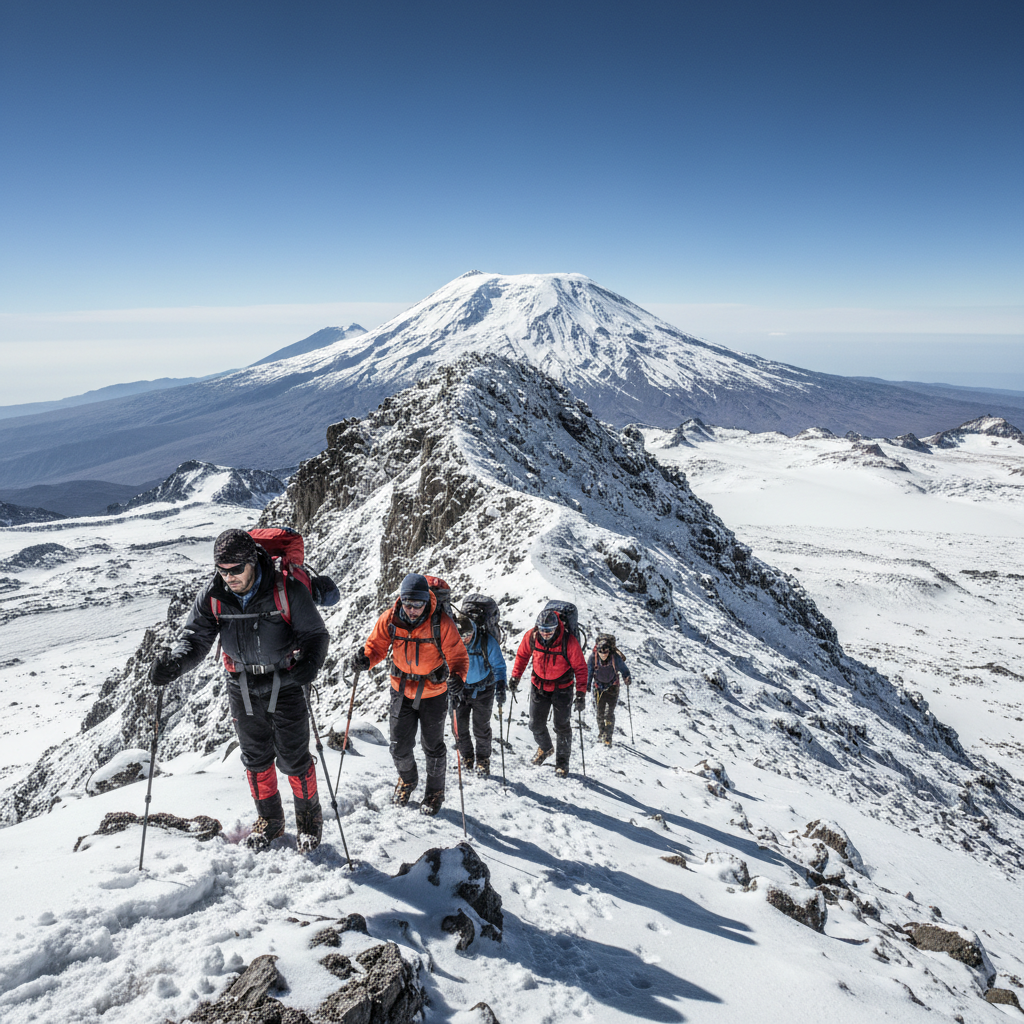
The only route approaching from the north, near the Kenyan border. Rongai is drier and quieter than the southern routes, making it a smart choice during the wetter shoulder months, with a gentler gradient and good chances of spotting buffalo and elephant on the lower slopes.
Shira Route — Lemosho's Quieter Cousin
Shira begins higher up than Lemosho, via a rougher drive to the trailhead, then merges with the Lemosho path across the plateau. It trades a little rainforest immersion for a shorter first day, while keeping the same superb acclimatization profile.
Marangu Route — "The Coca-Cola Route"
The oldest and only route with sleeping huts instead of tents, approaching and descending via the same path. It's the gentlest introduction logistically, but the shorter standard itinerary gives less time to acclimatize — we strongly recommend adding an extra night if you book this route.
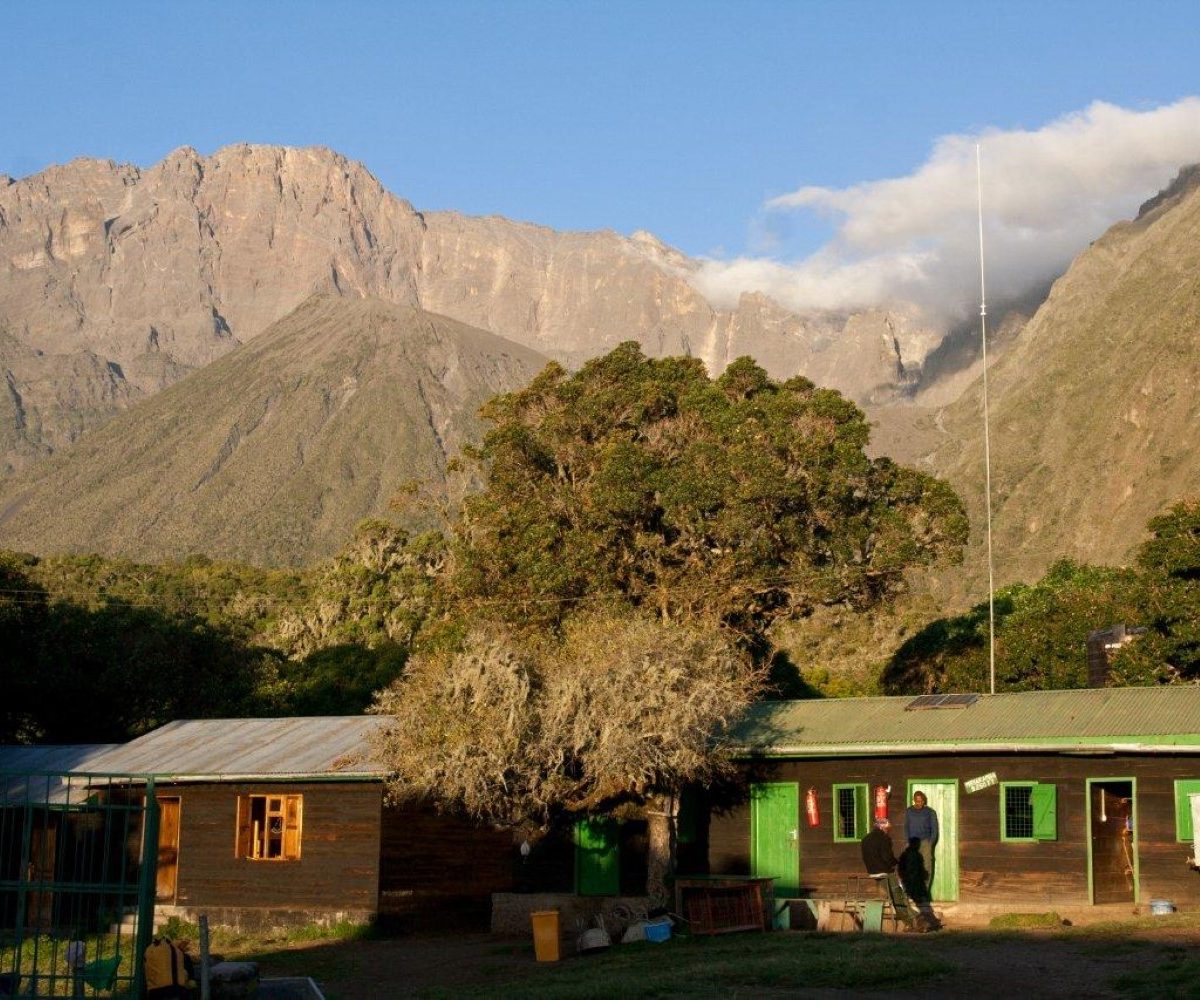
Umbwe Route — For Experienced Trekkers Only
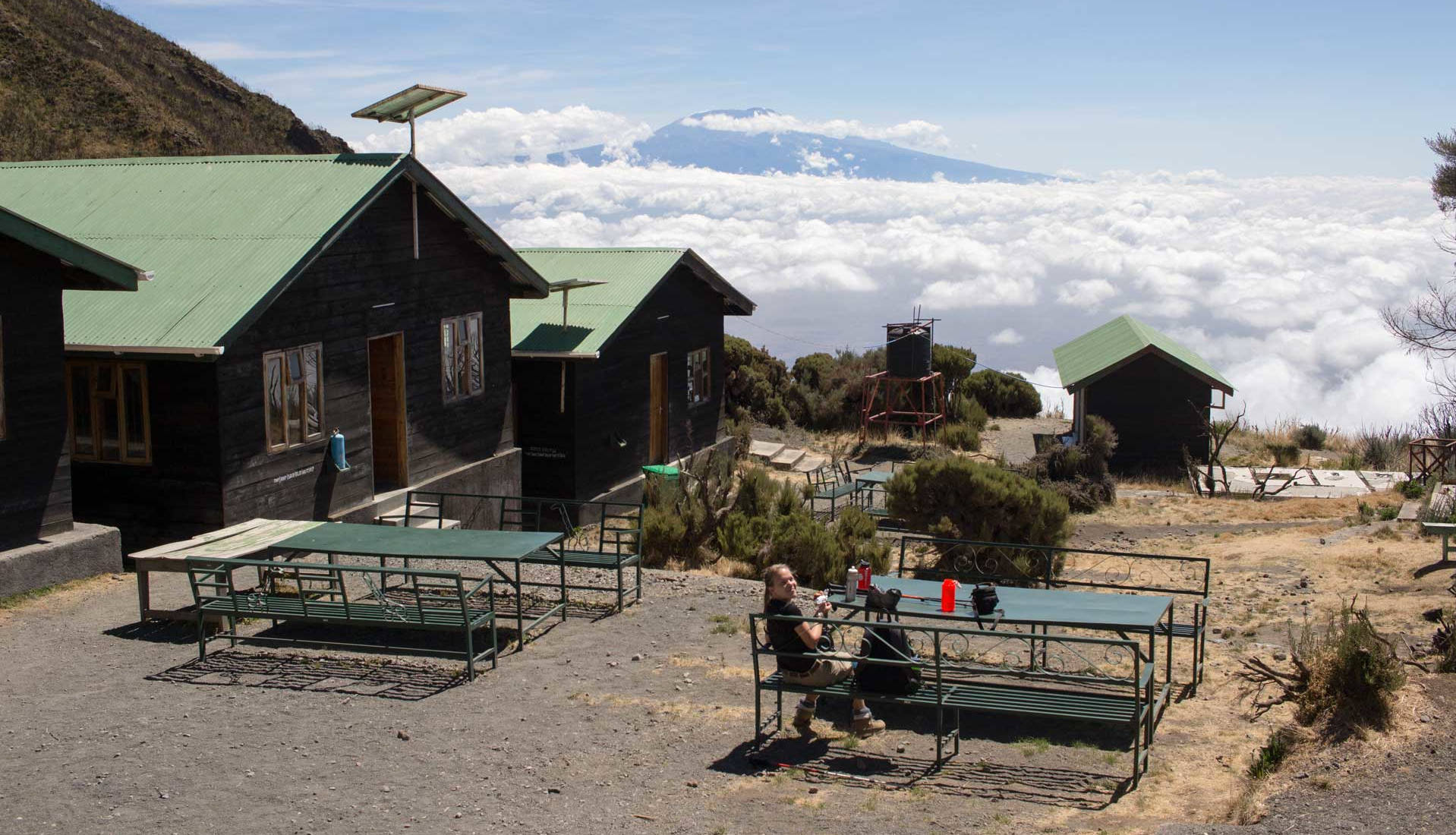
The steepest, most direct line up the mountain, climbing a narrow forested ridge with little room to acclimatize early on. Spectacular and quiet, but only recommended for fit, experienced trekkers who can extend it to 6+ days for safer acclimatization.
Best Time to Climb Kilimanjaro in 2026
Kilimanjaro can technically be climbed year-round, but two dry windows give the best combination of stable weather and clear summit views:
- Late June – October — the long dry season; cooler nights but the most reliable weather and clearest skies. The busiest and most popular window.
- January – mid-March — a shorter dry window, warmer than the mid-year season, with excellent visibility and noticeably quieter trails.
- April – May & November — the rainy seasons. Possible, with good rain gear, but trails are slippery and views are less reliable.
For 2026 specifically, we're seeing the strongest early bookings for the July–September window and the February dry pocket — both are worth locking in early, as permit numbers on the popular routes are capped daily by Kilimanjaro National Park.
Acclimatization: The Real Key to Summit Success
More climbers turn back from altitude sickness than from fitness limits. The single biggest lever you control is time on the mountain — every additional acclimatization day measurably improves your odds.
Our guide team's core acclimatization principles:
- Climb high, sleep low — routes like Machame and Lemosho build in deliberate detours (such as the Lava Tower) that gain altitude during the day before dropping back down to sleep, training your body to cope with thinner air.
- Choose a 7-day-plus itinerary wherever possible. The data is consistent: routes of 7 days or longer post meaningfully higher summit success rates than 5-day itineraries.
- Hydrate aggressively — aim for 3–4 litres of water a day on the mountain.
- "Pole pole" — Swahili for "slowly, slowly." It's the unofficial motto of every Kilimanjaro guide, and the pace that actually gets people to the top.
- Walk with a certified guide who monitors oxygen saturation daily — a simple pulse oximeter check each morning catches early warning signs before they become serious.
GIP Adventure tip: if your schedule allows it, adding just one extra acclimatization night to any route is the single highest-value change you can make to your itinerary.
What to Pack for Kilimanjaro
Layering is everything — you'll move through five climate zones in under a week, from humid rainforest to sub-zero summit night.
- Base layers: moisture-wicking thermal tops and leggings (avoid cotton).
- Mid layers: fleece or down jacket for camp evenings and summit night.
- Outer shell: waterproof, windproof jacket and trousers.
- Footwear: broken-in waterproof hiking boots, plus camp shoes and warm wool socks.
- Summit night essentials: insulated gloves, a warm hat, balaclava, and a headtorch with spare batteries.
- Health kit: sunscreen, lip balm with SPF, basic blister care, and any altitude medication discussed with your doctor.
- Hydration: a 2–3 litre hydration bladder plus an insulated bottle that won't freeze on summit night.
Climb with a team that knows the mountain
GIP Adventure guides are based year-round in Arusha, leading every official Kilimanjaro route with certified, English-speaking mountain crews.
Kilimanjaro Climbing FAQs
Which Kilimanjaro route has the highest success rate?
The Northern Circuit and Lemosho routes consistently post the highest summit success rates, largely because their longer itineraries allow significantly better acclimatization than shorter routes like Marangu or Umbwe.
How many days do I need to climb Kilimanjaro?
We recommend a minimum of 7 days on the mountain. While 5-day routes exist, the extra acclimatization time on a 7–9 day itinerary meaningfully improves both comfort and summit odds.
Do I need climbing experience to summit Kilimanjaro?
No technical climbing or mountaineering skills are required. Kilimanjaro is a trek, not a climb — the main demands are cardiovascular fitness, mental endurance, and proper acclimatization.
What is the best month to climb Kilimanjaro in 2026?
The driest, clearest conditions typically fall between late June and October, with a second, quieter dry window from January to mid-March.
How cold does it get on summit night?
Temperatures at the summit can drop to between -15°C and -20°C (5°F to -4°F) before dawn, so proper insulated layers are essential.
Ready to Stand on the Roof of Africa?
Our Arusha-based mountain team will help you choose the right route, the right season, and build an itinerary suited to your fitness and timeline.
Start Planning Your Climb