
Dream Beaches
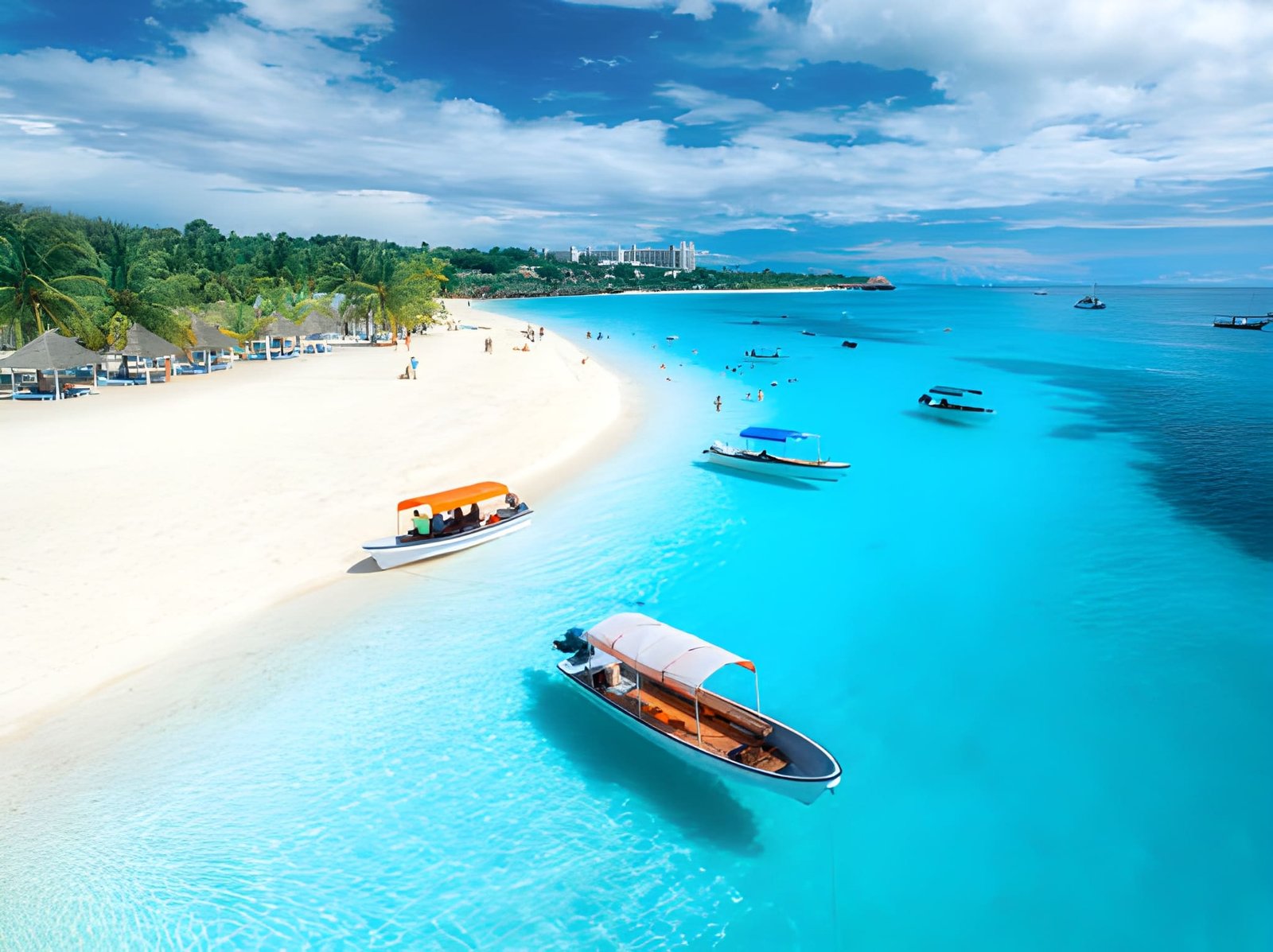
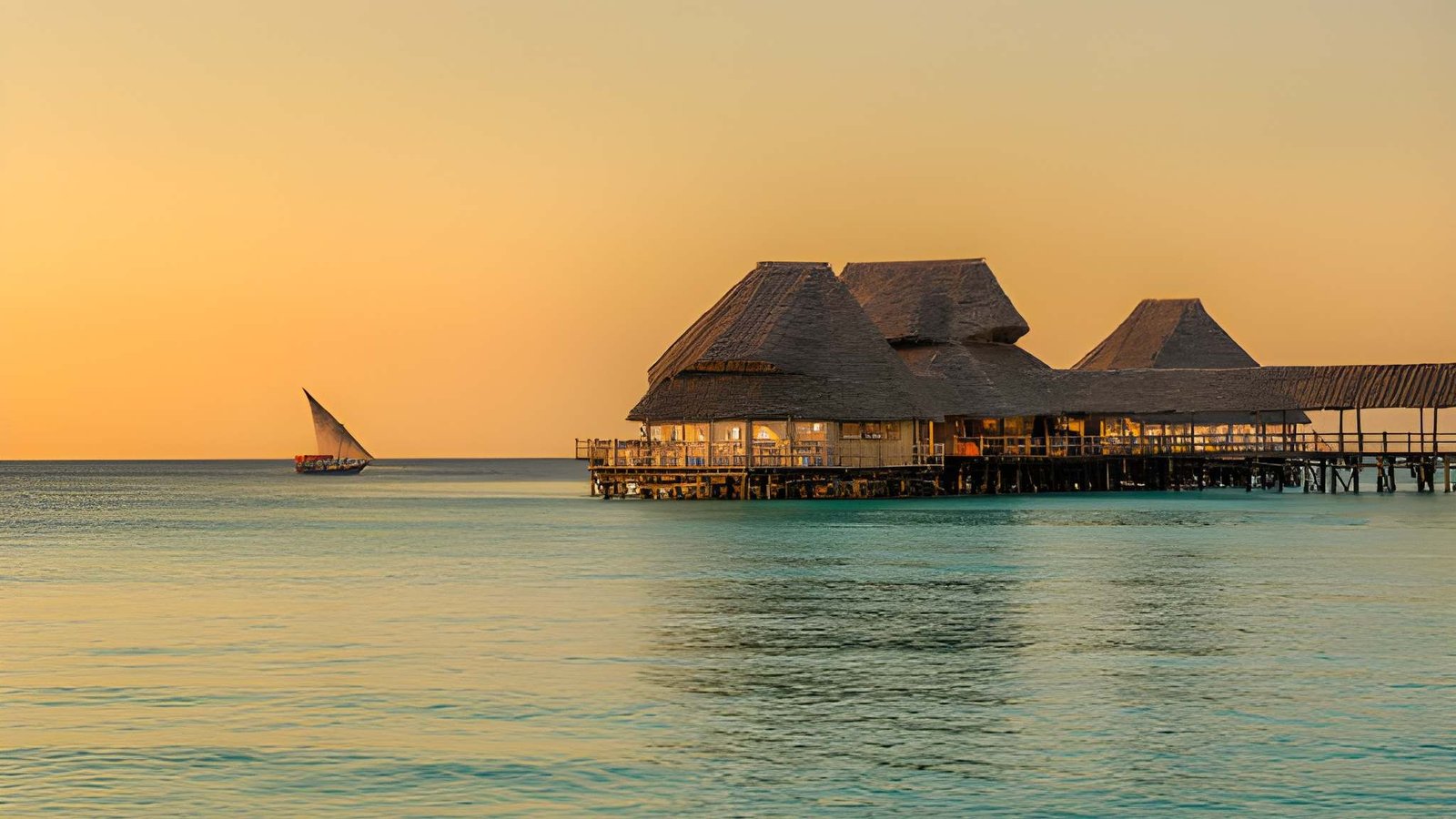
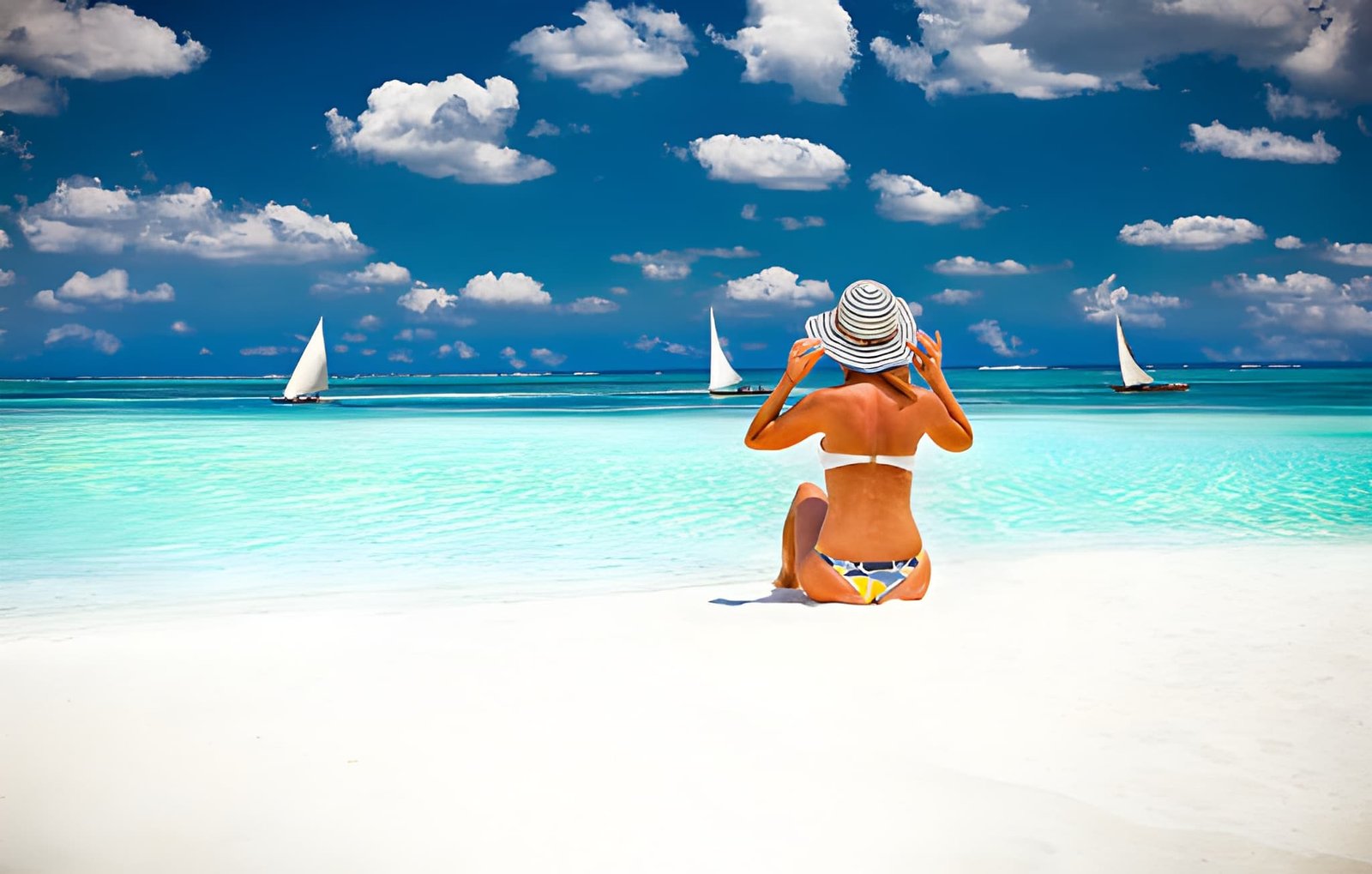
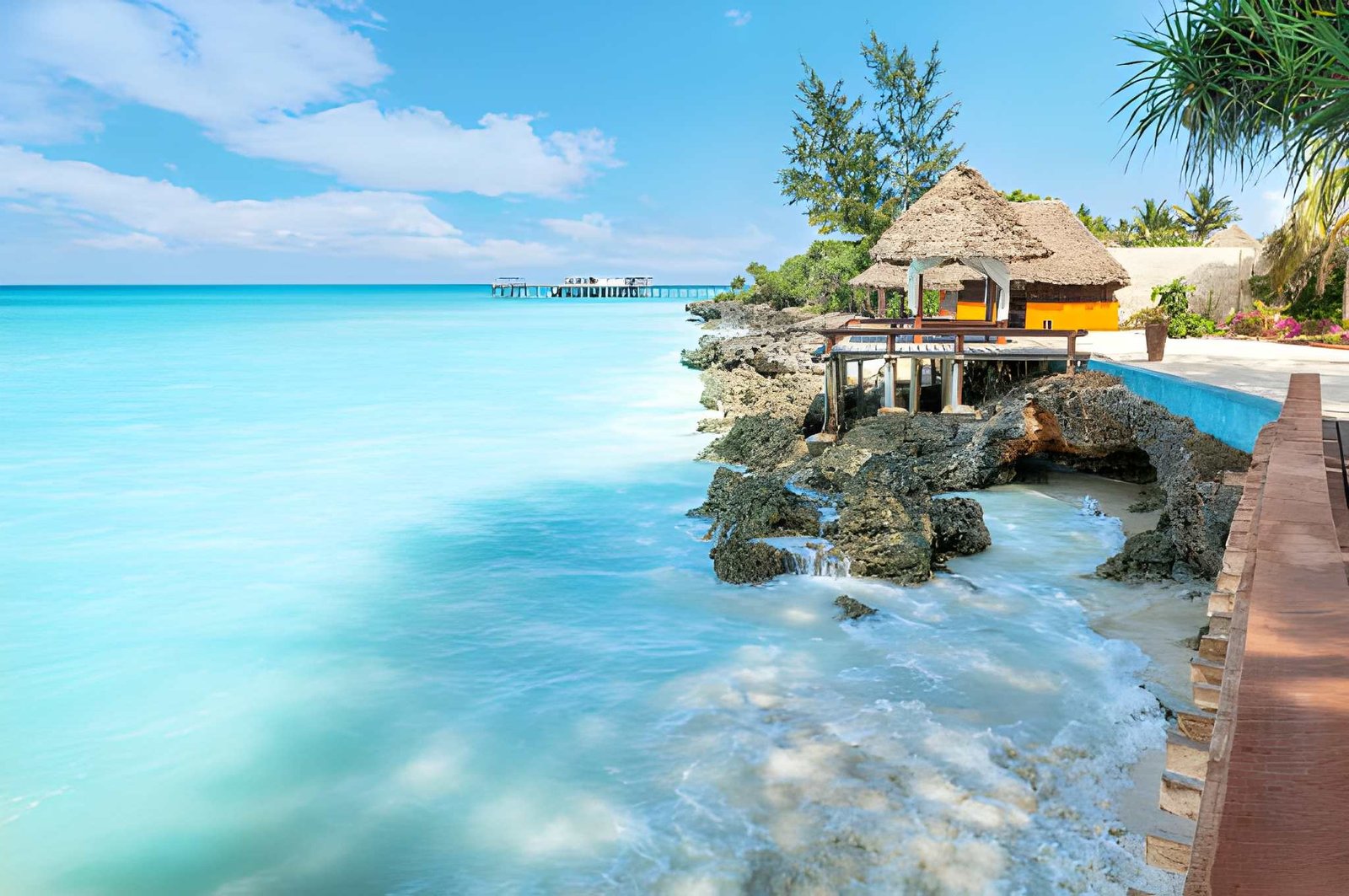
Powder-white sand and turquoise water at Nungwi, Kendwa, Paje and many more beaches around the island.

Climbing Kilimanjaro
The complete guideRoutes & fitness calculatorWhat to packOur climbs
6-Day Kilimanjaro: Marangu Route7-Day Kilimanjaro: Machame Route6-Day Kilimanjaro: Umbwe Route7-Day Kilimanjaro: Rongai Route7-Day Kilimanjaro: Shira Plateau / Morrum Barrier Route9-Day Kilimanjaro: Lemosho Route4-Day Mount Meru Trek5-Day Ol Doinyo Lengai & Lake Natron Trek10-Day Kilimanjaro Trekking & Wildlife Safari11-Day Kilimanjaro Trekking & Wildlife SafariTour styles
Big 5 Safaris (7)Great Migration Safaris (6)Classic Wildlife Safaris (32)Wildlife-Themed Safaris (8)Fly-in & Luxury Safaris (8)Honeymoon Safaris (6)Mountain Trekking (10)Beach & Zanzibar Holidays (9)Gorilla & Primate Safaris (19)Multi-Country & Combination Safaris (9)Helicopter Safaris (5)Cultural Tours (2)Day Trips (10)Family SafarisCity Tours & Airport TransfersTailor-Made / Custom TripsPlan
All toursTanzania safari guidePlan a custom tripTanzania
All of TanzaniaNational ParksGame ReservesIslandsHistorical SitesMountains & VolcanoesLakes & WaterfallsCities & CoastKenya
All of KenyaNational ParksReserves & ConservanciesMountains & CoastCitiesUganda
All of UgandaNational ParksWildlife ReservesLakes & WaterfallsCities & GatewaysMore
Cultural experiencesLodges & campsAll destinationsTanzania Islands
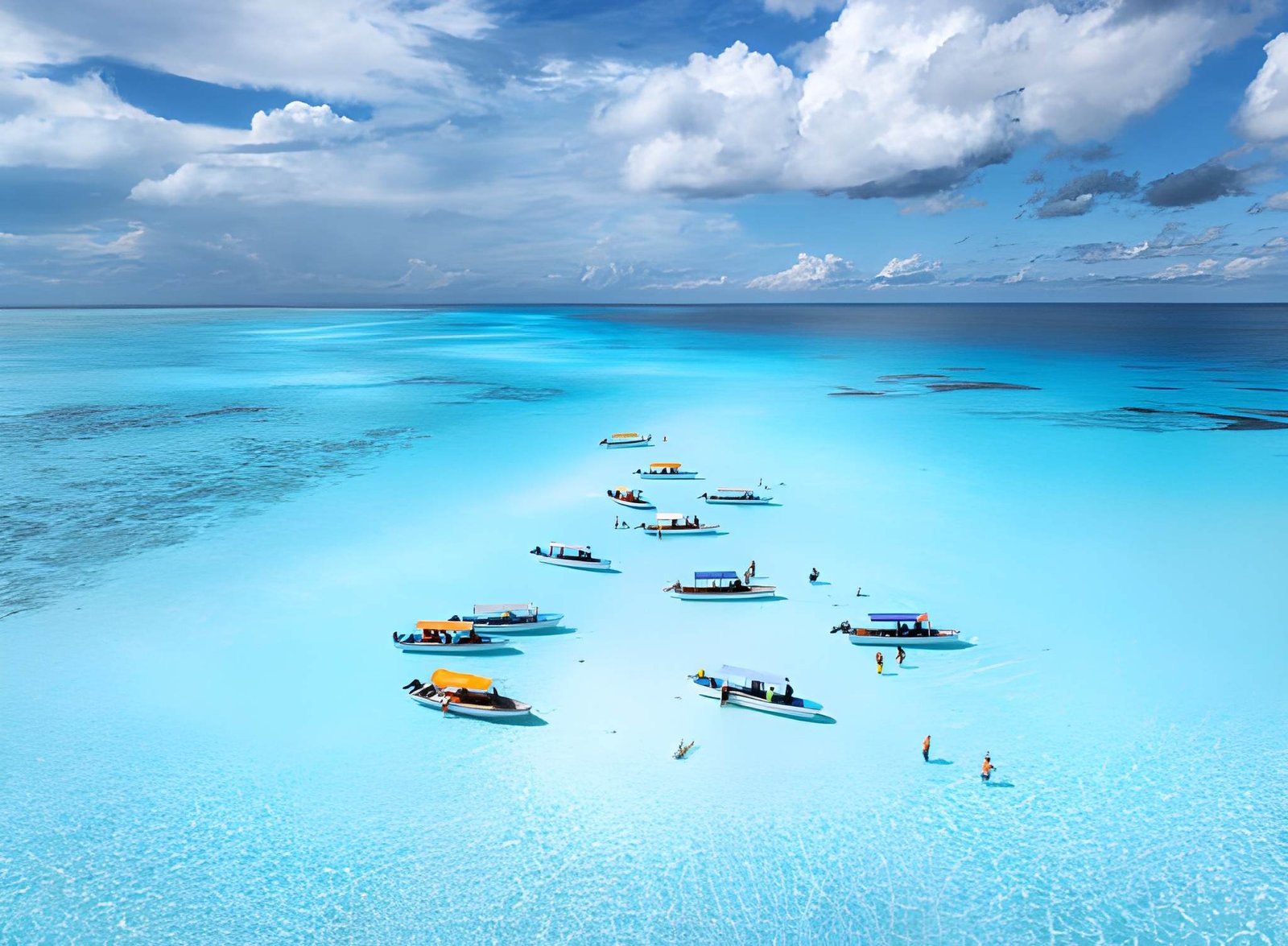
Dazzling white-sand beaches, crystal-clear water, the winding alleys of Stone Town and the scent of cloves and cinnamon: Zanzibar is the perfect island finale to any Tanzania safari.
Discover Zanzibar
Zanzibar enchants and beguiles with its oriental mystique and forgotten exoticism. The very name evokes the Spice Islands and the dhow trade, sultans and palaces built of limestone and coral against palm trees and crashing surf. Covering about 2,462 km², it is an unrivalled, scenic and breathtaking place to spend your holiday.
The island is famed for dazzling sandy beaches, crystal-clear water and coral reefs, but it offers much more: laid-back beach life, water sports, history and culture in Stone Town, wildlife in Jozani Forest and fragrant spice tours. From the spectacular beaches of Nungwi to the magnificent Stone Town, Zanzibar truly feels like paradise on Earth.
Why Zanzibar
Whatever your interests, Zanzibar adds a perfect finishing touch to your Tanzania adventure.
Powder-white sand and turquoise water at Nungwi, Kendwa, Paje and many more beaches around the island.
A UNESCO World Heritage Site of narrow alleys, carved doors, palaces and markets.
Visit a spice farm and learn how cloves, cinnamon, black pepper and cardamom are grown and used.
Swim with dolphins at Kizimkazi and meet the rare Kirk's red colobus monkeys of Jozani Forest.
Location
Zanzibar lies in the Indian Ocean about 35 km off the coast of mainland Tanzania. Unguja, commonly called Zanzibar Island, is the largest island of the archipelago, with Pemba to the north and Mafia to the south.
Abeid Amani Karume International Airport receives direct international flights and short connections from Arusha, the Serengeti, Nyerere and Dar es Salaam. Fast ferries also link Stone Town with Dar es Salaam in about two hours.
When to visit
Zanzibar's climate is good throughout the year, with temperatures averaging 21 to 30°C.
The most popular time to visit, with sunny days, cooler breezes and calm seas. July is the coolest month.
Hot, sunny weather perfect for beaches and diving. February is the hottest month.
Brief showers and fewer visitors, with lush scenery.
The wettest months, with heavy showers, lower prices and very quiet beaches.
Zanzibar can be visited year-round, but each month brings different weather and sea conditions.
Hot and sunny, ideal for beaches and diving.
The hottest month, with calm seas and clear water.
Long rains begin mid-month; good value.
The wettest month; many hotels offer low rates.
Rains ease late in the month; quiet beaches.
Dry season begins, with pleasant breezes.
The coolest month, sunny and comfortable.
Dry and sunny, a perfect safari-and-beach month.
Excellent weather and clear water.
Warm and dry, great for diving and snorkelling.
Short rains bring brief showers.
Hot and sunny again, with festive-season visitors.
Explore the area
Each corner of the island offers a different experience.
Wildlife
The Jozani Forest Reserve protects the last substantial remnant of Zanzibar's indigenous forest and is home to Kirk's red colobus monkeys, a primate unique to Zanzibar, along with excellent birdlife including the lovely Fischer's turaco.
Off the southwestern tip at Kizimkazi, humpback and bottlenose dolphins are known residents, and it may be possible to swim with them. Coral reefs around the island teem with tropical fish, turtles and colourful marine life.
Where to look: Jozani Forest
A rare monkey found only on Zanzibar, easily seen in Jozani.
Where to look: Kizimkazi, southwest coast
Resident dolphins seen on morning boat trips.
Where to look: Kizimkazi
Also resident in the area, though less often seen.
Where to look: Reefs and Mnemba Atoll
Often seen while snorkelling around the reefs.
Where to look: Prison Island
Giant tortoises live on nearby Prison Island.
Where to look: Jozani Forest
A beautiful green bird of the forest.
Where to look: Coral reefs around the island
Colourful parrotfish, angelfish and more on every snorkel trip.
Where to look: Offshore, July to October
Migrating whales are sometimes seen passing the island.

Stone Town
Stone Town is a labyrinth of narrow streets and alleys, perfect for culture enthusiasts and food lovers. Our local expert guides will take you through the old slave market, Freddie Mercury House, the House of Wonders, the Sultan's Palace and the Darajani food market.
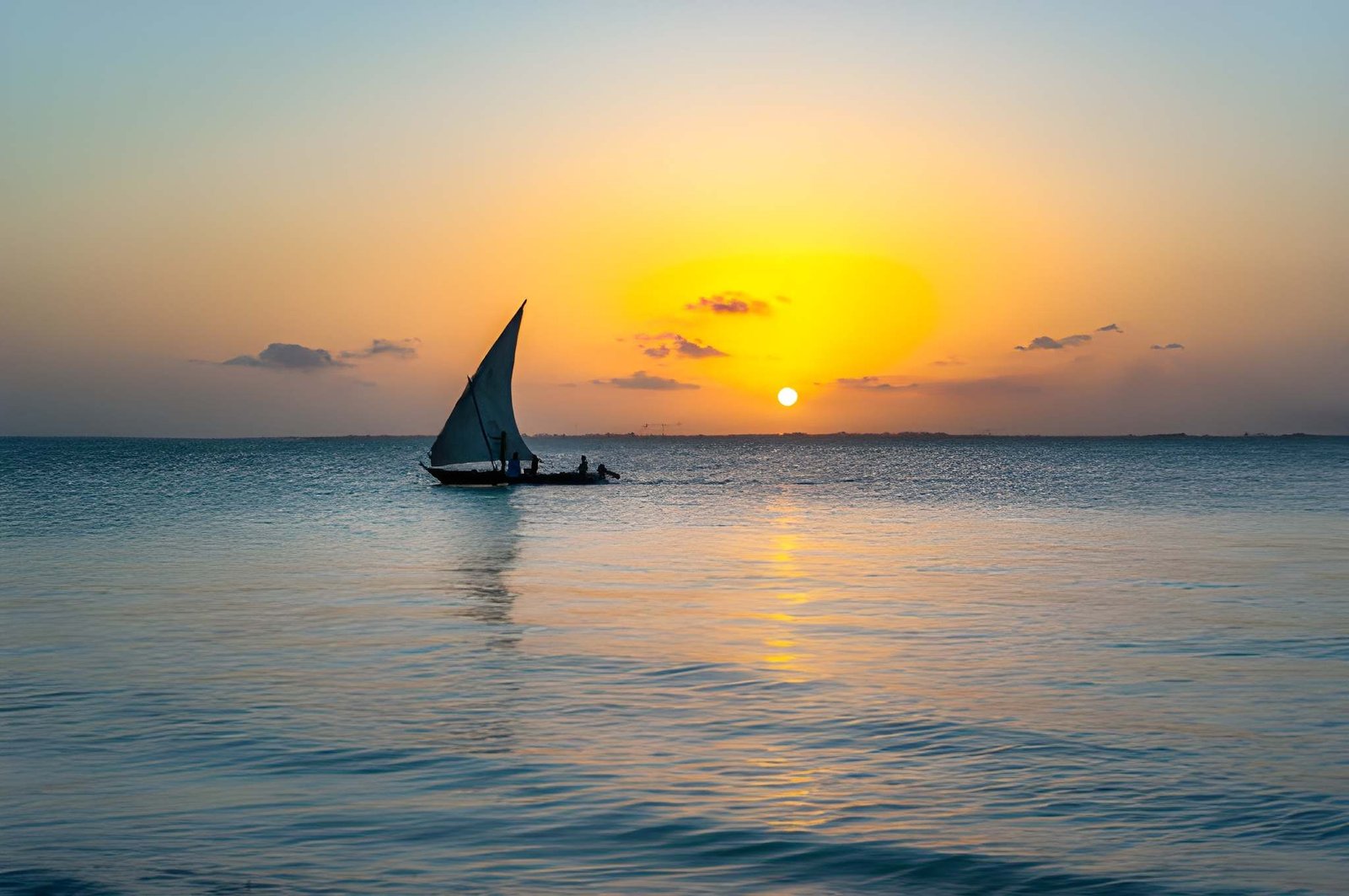
As the sun sets, join the locals at Forodhani Gardens for Zanzibari street food, or watch the dhows sail across the harbour from a rooftop terrace.
Safaris to 中文
Beach holidays and safari-and-beach itineraries that include Zanzibar.
Tanzania · 5 days
Serengeti · Ngorongoro
Tanzania · 5 days
Ngorongoro
Tanzania · 14 days
Nyerere · Ruaha · Zanzibar
Tanzania · 6 days
Zanzibar
Tanzania · 11 days
Stone Town · Nungwi · Kizimkazi
Tanzania · 5 days
Stone Town
Tanzania · 6 days
Stone Town

Tanzania · 11 days
Ngorongoro · Serengeti · Stone Town
Tanzania & Kenya · 12 days
Amboseli · Tarangire · Serengeti · Ngorongoro
Stay in 中文
From historic hotels in Stone Town to beach resorts in Nungwi.

Tell us your dates and style and we will plan the perfect Zanzibar stay, on its own or after your safari.
Usually replies within minutesHeritage
For centuries, Zanzibar was a meeting point of cultures, as traders from Arabia, Persia, India and Africa sailed the monsoon winds. In the 19th century, the Omani sultans moved their capital here, and Zanzibar became the world's leading producer of cloves, as well as a centre of the East African slave trade until its abolition in 1873.
Zanzibar united with Tanganyika in 1964 to form the United Republic of Tanzania. Its rich Swahili culture, architecture and cuisine reflect this long history, and Stone Town was declared a UNESCO World Heritage Site in 2000.
June to October and December to February offer the best weather. The wettest months are March to May and November.
By direct international flights, short flights from Arusha, the Serengeti or Dar es Salaam, or by fast ferry from Dar es Salaam.
Four to seven days is ideal to enjoy the beaches, Stone Town and a few excursions.
Yes. Zanzibar is the most popular beach extension after a Tanzania safari.
Stone Town walking tours, spice tours, Jozani Forest, dolphin trips at Kizimkazi, Prison Island and Mnemba snorkelling.
Nungwi and Kendwa in the north have swimmable water at all tides; Paje in the southeast is great for kitesurfing.
Your safari starts here
Let Gip Adventure plan your perfect island escape on the Spice Island.
Chat with usOnline