
The Great Migration
Follow one of nature's greatest wildlife spectacles as wildebeests and zebras move through the ecosystem.

Climbing Kilimanjaro
The complete guideRoutes & fitness calculatorWhat to packOur climbs
6-Day Kilimanjaro: Marangu Route7-Day Kilimanjaro: Machame Route6-Day Kilimanjaro: Umbwe Route7-Day Kilimanjaro: Rongai Route7-Day Kilimanjaro: Shira Plateau / Morrum Barrier Route9-Day Kilimanjaro: Lemosho Route4-Day Mount Meru Trek5-Day Ol Doinyo Lengai & Lake Natron Trek10-Day Kilimanjaro Trekking & Wildlife Safari11-Day Kilimanjaro Trekking & Wildlife SafariTour styles
Big 5 Safaris (7)Great Migration Safaris (6)Classic Wildlife Safaris (32)Wildlife-Themed Safaris (8)Fly-in & Luxury Safaris (8)Honeymoon Safaris (6)Mountain Trekking (10)Beach & Zanzibar Holidays (9)Gorilla & Primate Safaris (19)Multi-Country & Combination Safaris (9)Helicopter Safaris (5)Cultural Tours (2)Day Trips (10)Family SafarisCity Tours & Airport TransfersTailor-Made / Custom TripsPlan
All toursTanzania safari guidePlan a custom tripTanzania
All of TanzaniaNational ParksGame ReservesIslandsHistorical SitesMountains & VolcanoesLakes & WaterfallsCities & CoastKenya
All of KenyaNational ParksReserves & ConservanciesMountains & CoastCitiesUganda
All of UgandaNational ParksWildlife ReservesLakes & WaterfallsCities & GatewaysMore
Cultural experiencesLodges & campsAll destinationsTanzania National Parks
Endless golden plains, extraordinary wildlife and the legendary Great Migration come together in one of Africa's most celebrated safari destinations.
Discover Serengeti
Serengeti National Park is one of Africa's most celebrated safari destinations, known for endless golden plains and exceptional wildlife. Its ecosystem supports elephants, lions, buffaloes, leopards and many other species, while the annual Great Migration brings millions of wildebeests and zebras across the landscape.
Together with the Ngorongoro Conservation Area and Mount Kilimanjaro, the Serengeti forms part of Tanzania's remarkable natural heritage and offers an unforgettable setting for wildlife encounters.
Why Serengeti
From dramatic predator encounters to peaceful views across the plains, the Serengeti offers a wildlife experience that changes with the seasons.
Follow one of nature's greatest wildlife spectacles as wildebeests and zebras move through the ecosystem.
Lions, elephants, buffaloes, leopards and rhinos are among the iconic animals found across the ecosystem.
Open grasslands, rivers, woodland and rocky outcrops create a constantly changing safari backdrop.
The Serengeti remains rewarding throughout the year, with different seasons bringing different highlights.
Location
Serengeti National Park is located in northern Tanzania and forms part of one of Africa's most significant wildlife ecosystems. The park covers approximately 1.5 million hectares and stretches west toward Lake Victoria.
To the north, the Serengeti connects with Kenya's Maasai Mara ecosystem, allowing wildlife to move freely across borders during the Great Migration. To the south lies the Ngorongoro Conservation Area.
When to visit
Wildlife movements, rainfall and landscape conditions change throughout the year. Your ideal travel period depends on the experience you want most.
The southern plains become especially rewarding as wildebeests give birth and predator activity increases.
Lush scenery, fewer visitors and excellent opportunities for a quieter safari experience.
Wildlife concentrates around water while migration activity moves through the western and northern regions.
The landscape turns green again as the migration cycle continues southward toward the plains.
There is no single perfect month. Each period offers its own combination of wildlife, scenery, migration activity and visitor levels.
Calving season in the southern Serengeti. Green scenery, abundant wildlife and strong predator activity.
Calving continues, with predators taking advantage of vulnerable newborns and excellent wildlife viewing.
The landscape remains lush as the herds prepare to move and seasonal conditions begin to change.
Long rains bring greener scenery and fewer visitors, although some roads can become challenging.
The rains begin to ease while the migration starts moving northward and the landscape remains lush.
Dry-season conditions begin and migration river crossings become a major highlight in the western corridor.
A prime period for migration activity, dramatic river crossings and excellent general game viewing.
Migration spectacle continues in northern Serengeti near the Mara River, with strong wildlife concentrations.
Dry weather and good wildlife viewing continue, offering a balanced safari experience with fewer crowds than August.
As the dry season ends, wildlife remains easy to spot and migration activity begins shifting southward.
Short rains refresh the landscape while the migration continues southward across the plains.
The herds return toward the southern plains as the landscape becomes lush and wildlife remains rewarding.
Explore the area
The Serengeti is vast, and each region offers a different landscape, wildlife rhythm and safari atmosphere.
Wildlife
The Serengeti is home to more than seventy species of large mammals and is one of Africa's most wildlife-rich areas. Wildlife movements can be constant and unpredictable, making every game drive different.
Experienced safari guides use local knowledge, communication systems and an understanding of animal movements to help create rewarding viewing opportunities.
Where to look: Seronera Valley, the kopjes and the southern plains
The Serengeti holds one of Africa's largest lion populations. Prides rest on the granite kopjes and follow the migration herds across the plains.
Where to look: Sausage and acacia trees along the Seronera River
Shy and solitary, leopards are best found draped in trees along the Seronera River. Patient guides and good luck make all the difference.
Where to look: Northern and western woodlands, and Seronera
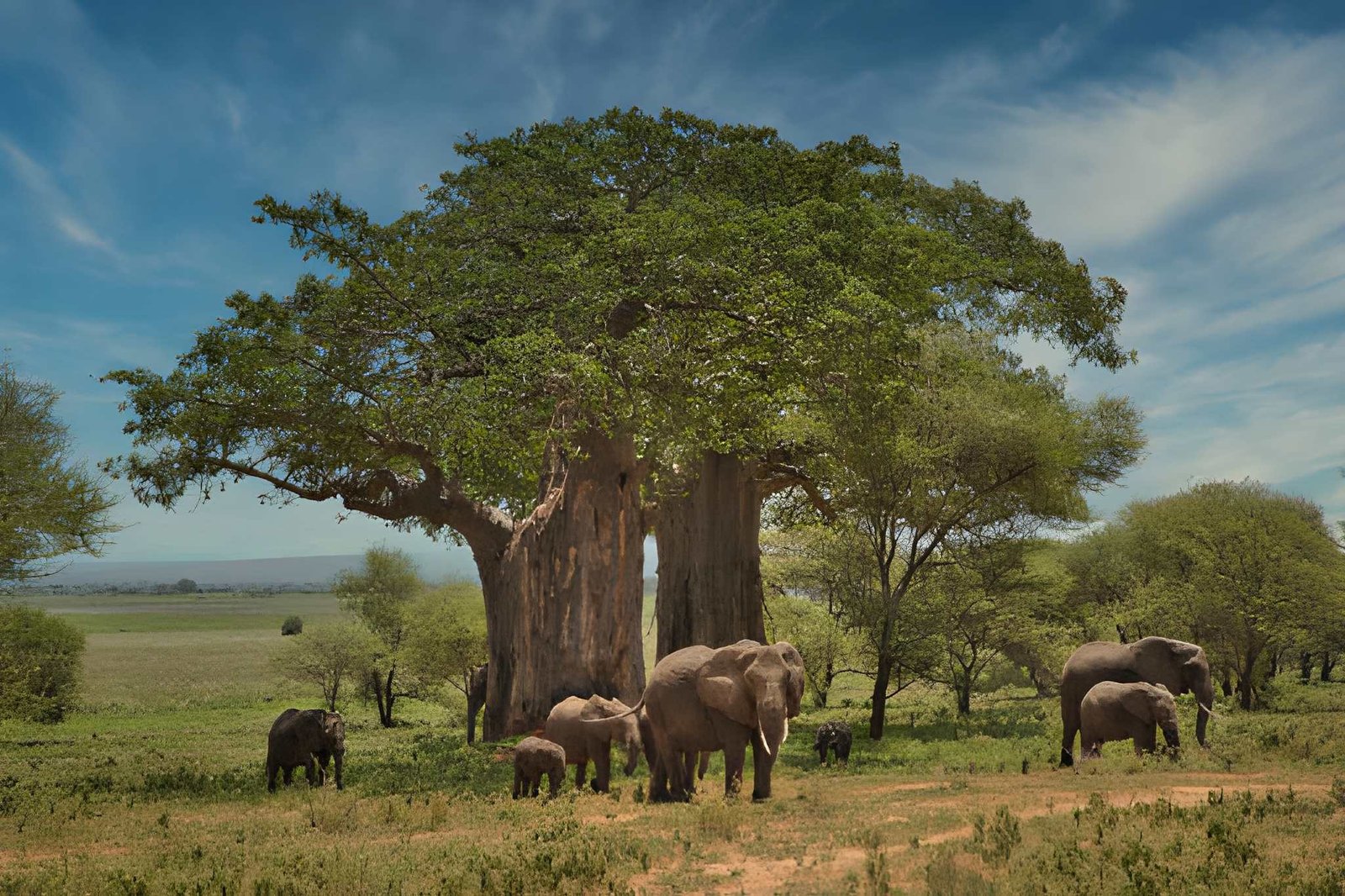
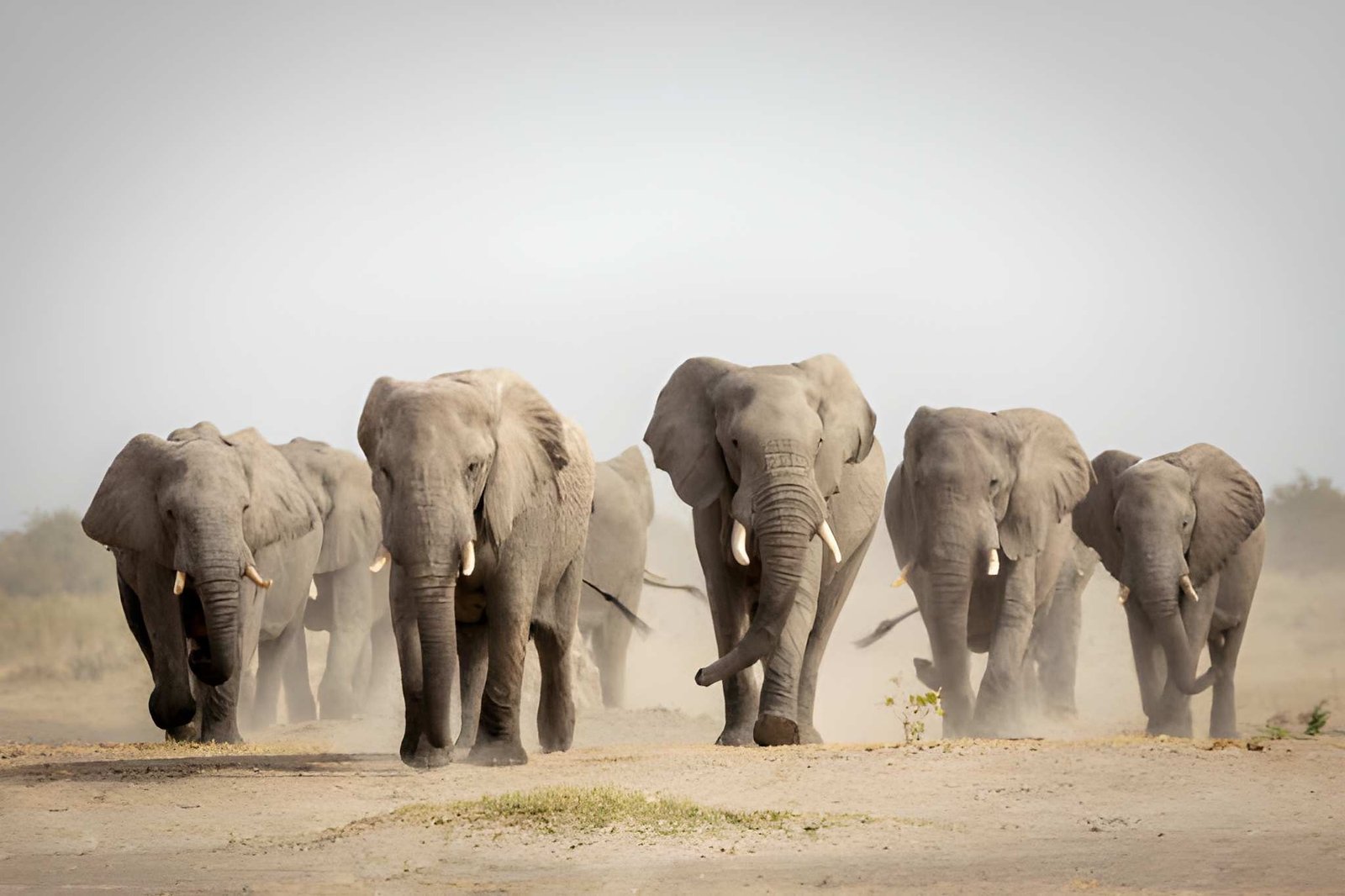
Family herds move through the woodlands and riverine areas, especially in the northern and western Serengeti.
Where to look: Throughout the park, near water and long grass
Large herds graze across the park, while old bulls often rest alone near rivers and marshes.
Where to look: Moru Kopjes, a protected area in the south-west
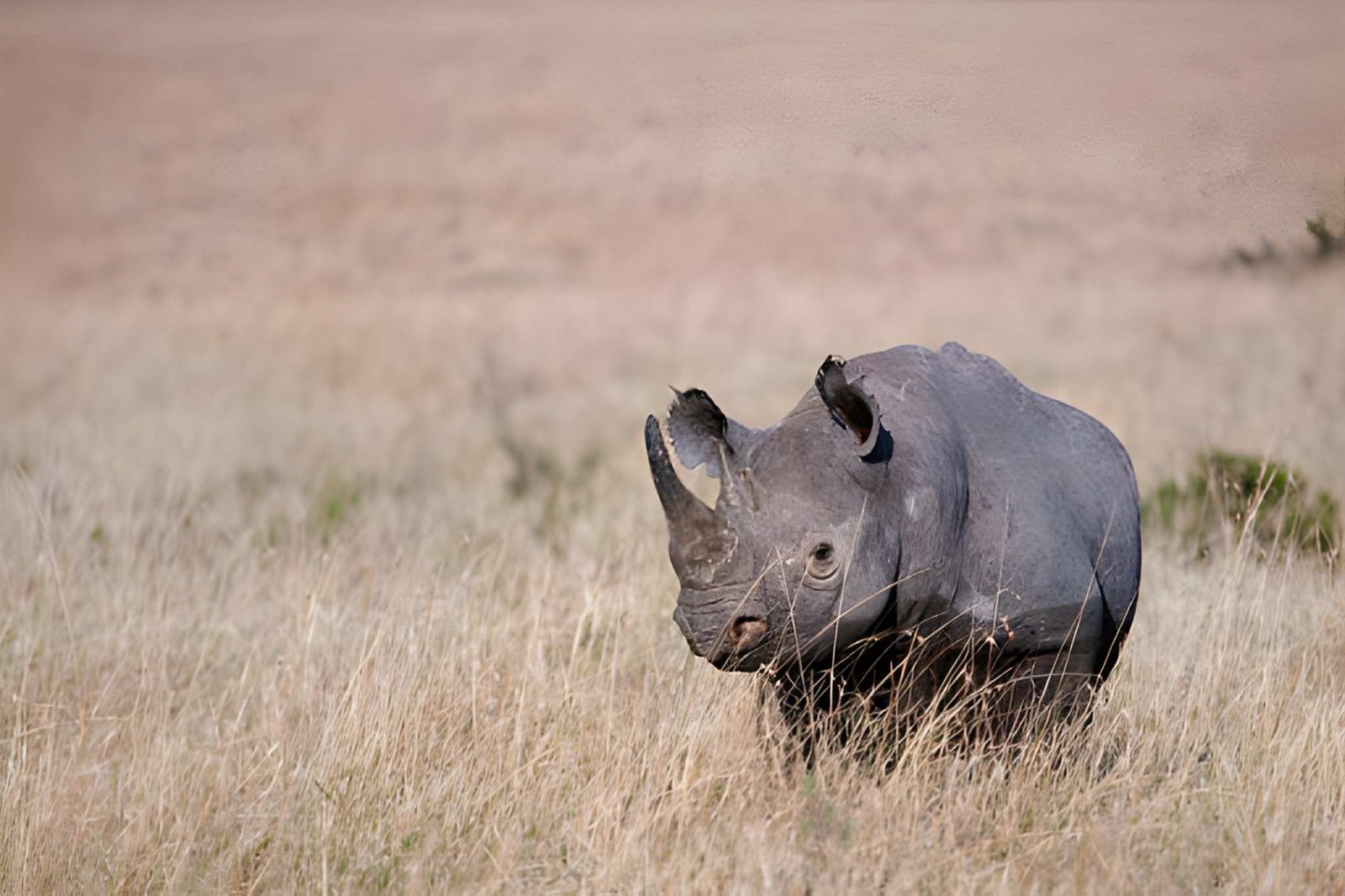
Black rhinos are rare and closely protected. Sightings are a real privilege, most likely around the Moru Kopjes.
Where to look: Open short-grass plains of the south, including Ndutu
The open southern plains are perfect cheetah country. Look for them on termite mounds, scanning the grass for gazelles.
Where to look: Acacia woodland across the park
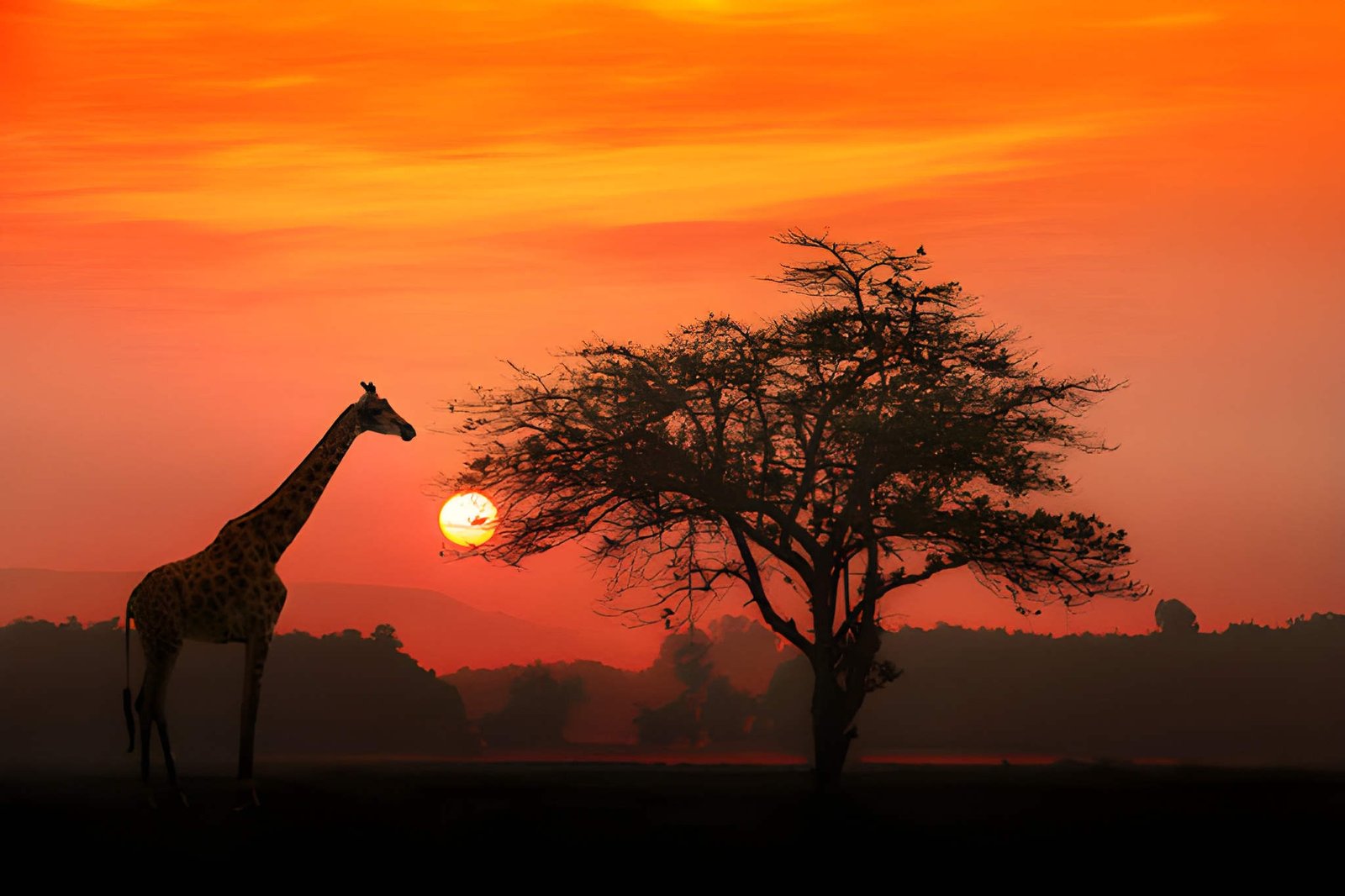
Graceful Masai giraffes, the tallest of all, browse the acacia woodlands throughout the Serengeti.
Where to look: Everywhere, moving with the migration
Hundreds of thousands of zebras travel with the wildebeest, often leading the herds to fresh grazing.
Where to look: Wherever the migration is: south in Jan–Mar, north in Jul–Oct
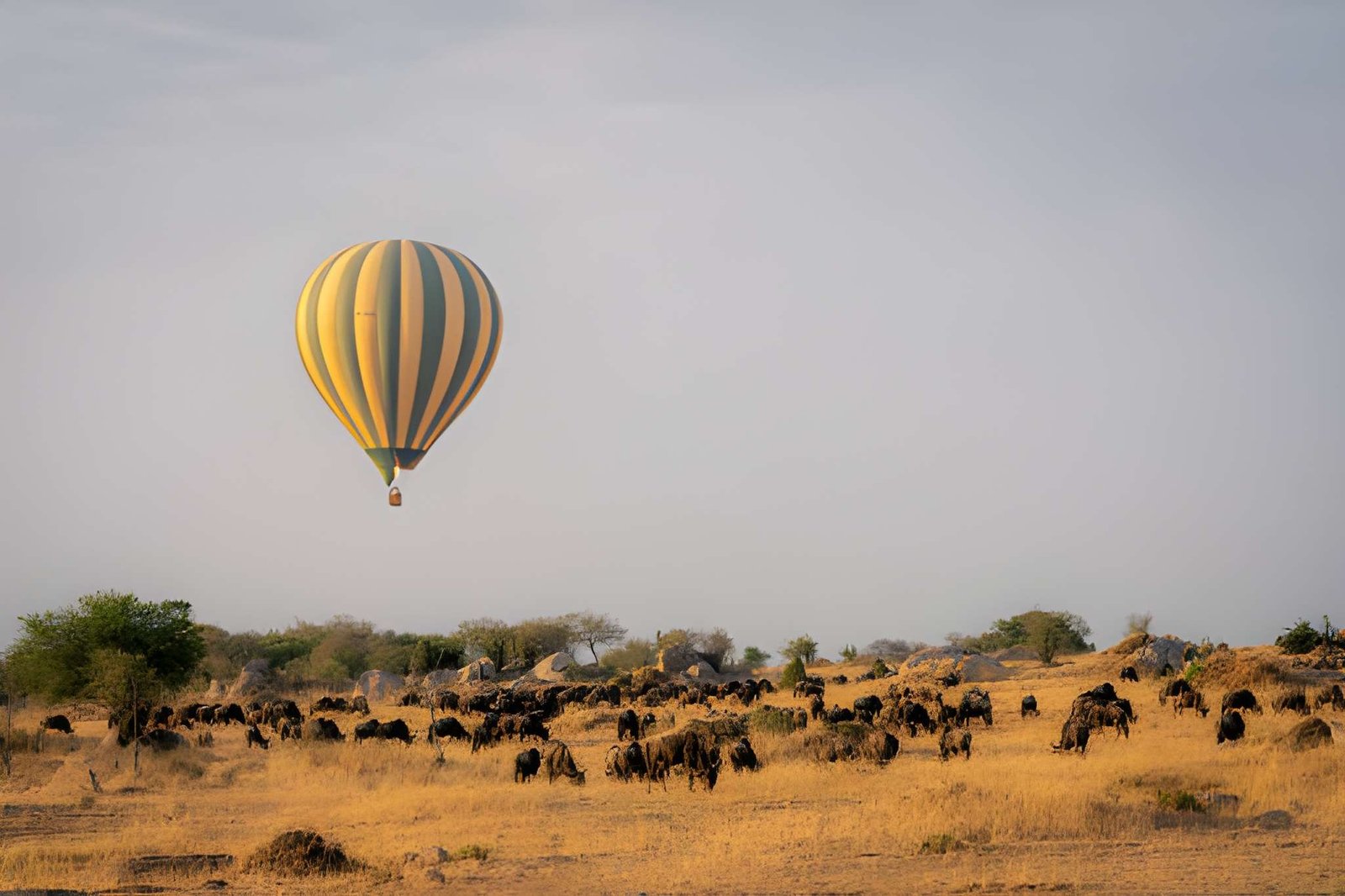
Around a million and a half wildebeest move in a great circle through the ecosystem, the heart of the Great Migration.
Where to look: Plains and kopjes throughout the park
Spotted hyenas are skilled hunters and scavengers, very common across the plains and especially active at dawn and dusk.
Where to look: Short-grass plains, especially in the south
Thomson's and Grant's gazelles graze the open plains in their thousands, and are a favourite prey of cheetahs.
Where to look: Retima Hippo Pool, and the Grumeti and Mara rivers
Dozens of hippos crowd the Retima Hippo Pool and the larger rivers, grunting and splashing through the day.

The Great Migration
Millions of wildebeests and zebras move through the Serengeti ecosystem in search of fresh grazing and water. The route changes with seasonal rainfall and grazing conditions, creating different wildlife highlights throughout the year.
From calving in the southern plains to river crossings farther north, the migration brings intense predator activity and some of the most memorable moments in safari.
Safaris to 中文
Hand-crafted itineraries that include the Serengeti, from short fly-in escapes to classic northern circuit journeys.
Tanzania · 5 days
Ngorongoro · Serengeti
Tanzania · 9 days
Tarangire · Ngorongoro · Serengeti
Tanzania · 13 days
Tarangire · Lake Manyara · Serengeti · Nyerere
Tanzania · 10 days
Tarangire · Lake Manyara · Serengeti
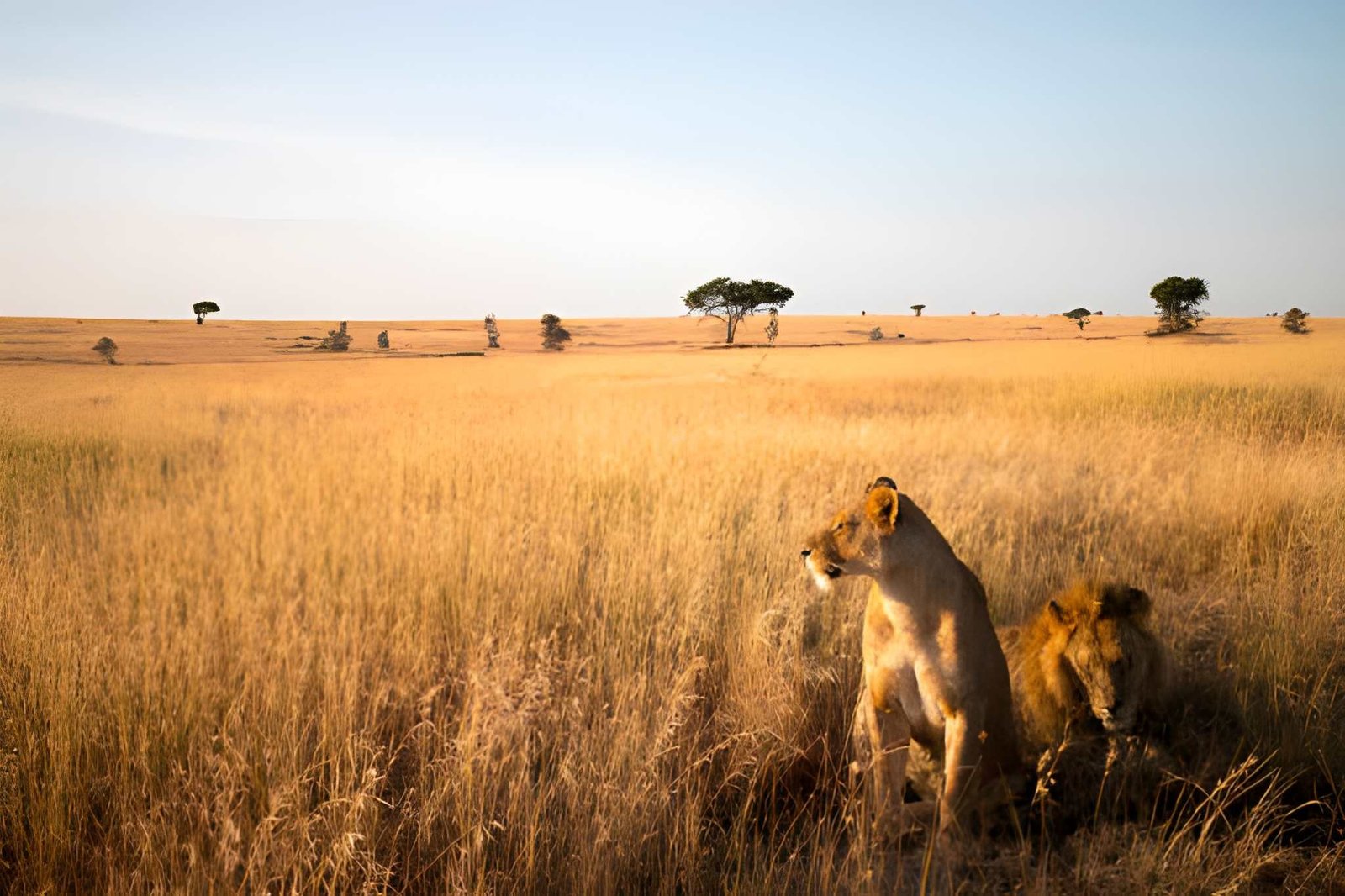
Tanzania · 4 days
Serengeti
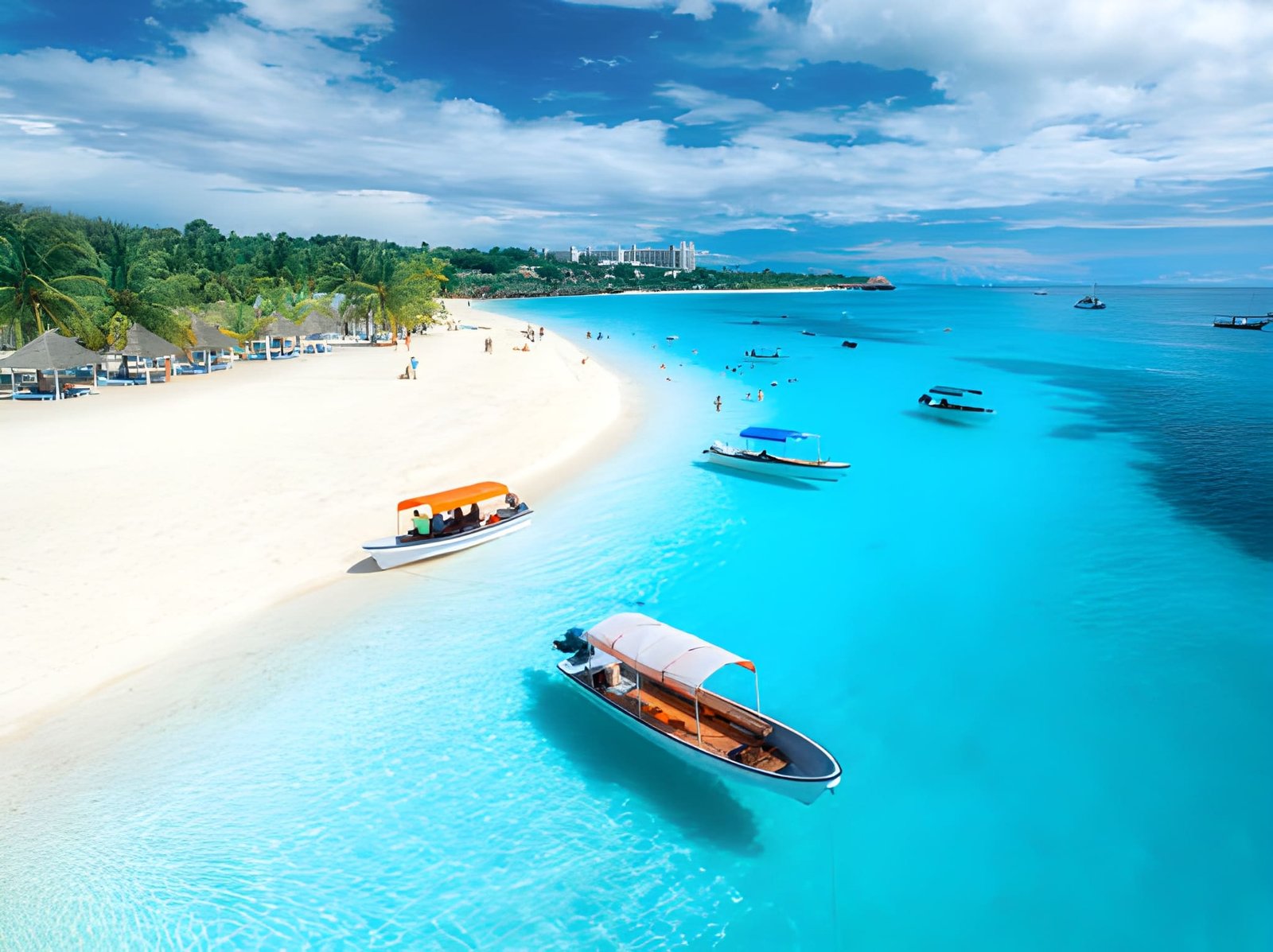
Tanzania · 5 days
Serengeti · Ngorongoro
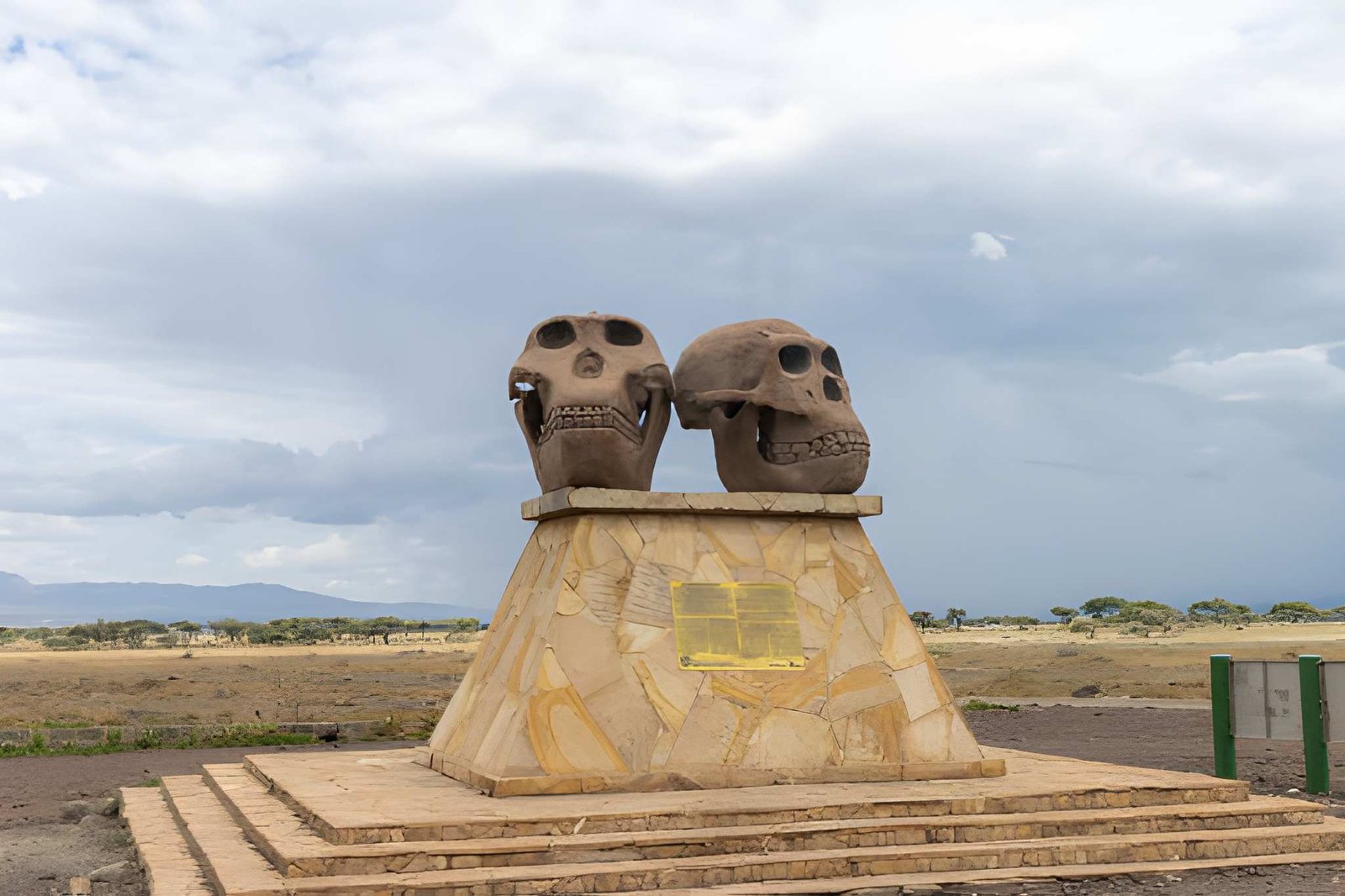
Tanzania · 5 days
Serengeti · Ngorongoro
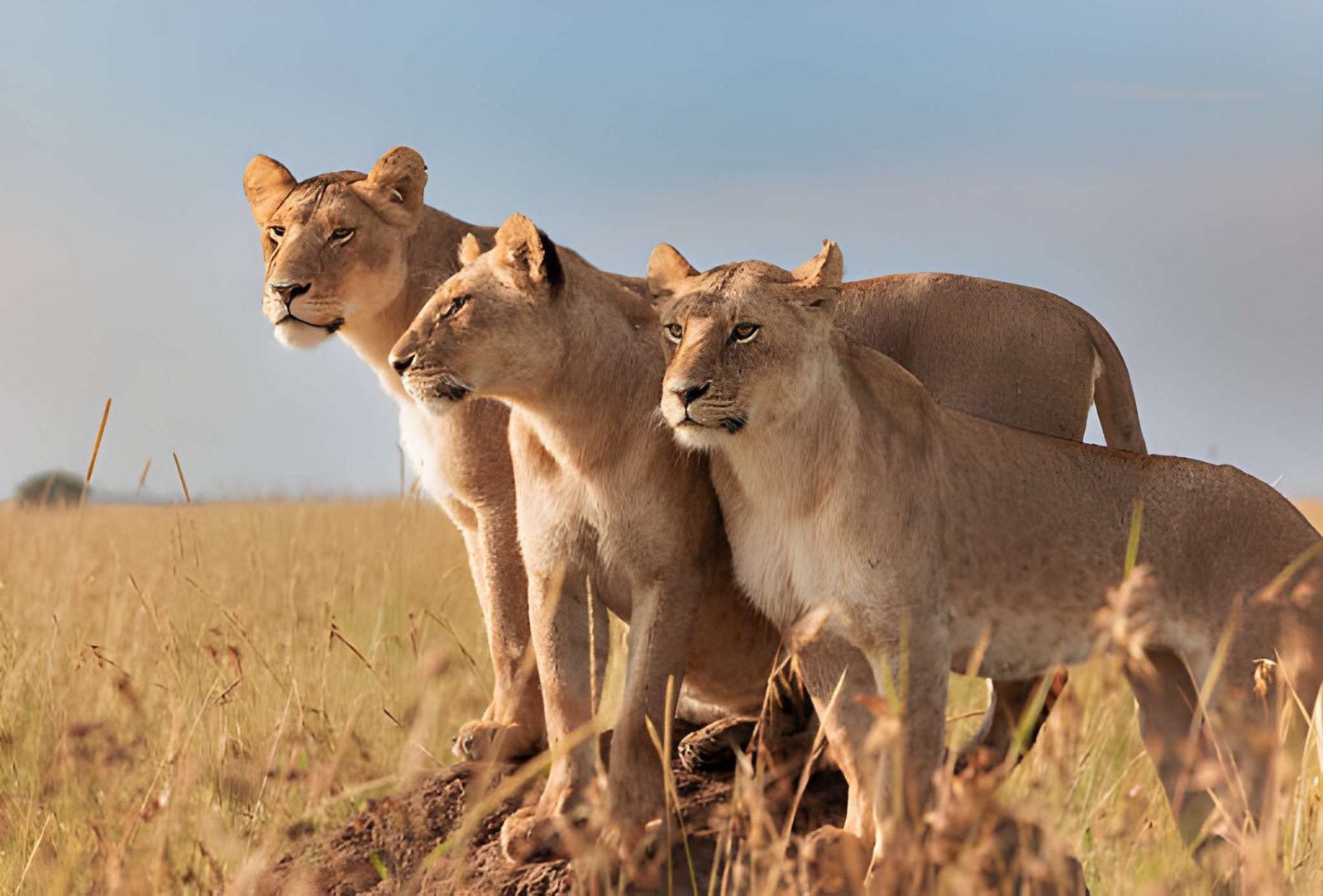
Tanzania · 7 days
Tarangire · Serengeti · Ngorongoro · Lake Manyara
Tanzania · 6 days
Ngorongoro · Serengeti
Stay in 中文
Choose accommodation based on your preferred region, safari style and the wildlife experience you want to enjoy.

Tell us what you want to see, how long you have and how you would like to travel. We'll help shape the right safari experience for you.
Usually replies within minutesHeritage
Long before European exploration, the Serengeti plains were inhabited by indigenous African communities who coexisted with wildlife for generations. The region was later documented by European explorers and became increasingly important for conservation.
Conservation efforts expanded through the twentieth century, with the Serengeti officially declared a national park and later recognized as a UNESCO World Heritage Site for its global ecological significance.
Today, the Serengeti remains one of Africa's most iconic protected areas and attracts visitors from around the world while continuing to support one of the planet's great natural ecosystems.
Yes. Its vast landscapes, exceptional biodiversity and the Great Migration make Serengeti one of the world's most renowned safari destinations.
The ideal number of days depends on the regions and experiences you want to include. A longer stay gives you more time to explore different areas and follow wildlife movements.
Every season has advantages. The dry season is excellent for general wildlife viewing, while January to March is particularly rewarding for the calving season.
The migration takes place throughout the year as the herds move through different parts of the Serengeti ecosystem. The exact timing varies with rainfall and grazing conditions.
Wildlife includes lions, leopards, elephants, buffaloes, cheetahs, rhinos, giraffes, zebras, wildebeests, hyenas, hippos and many antelope species.
Yes. Serengeti and the Ngorongoro Conservation Area are commonly combined in northern Tanzania safari itineraries.
Your safari starts here
Let Gip Adventure help you create a safari built around the wildlife, landscapes and experiences that matter most to you.
Chat with usOnline