
Boat Safaris
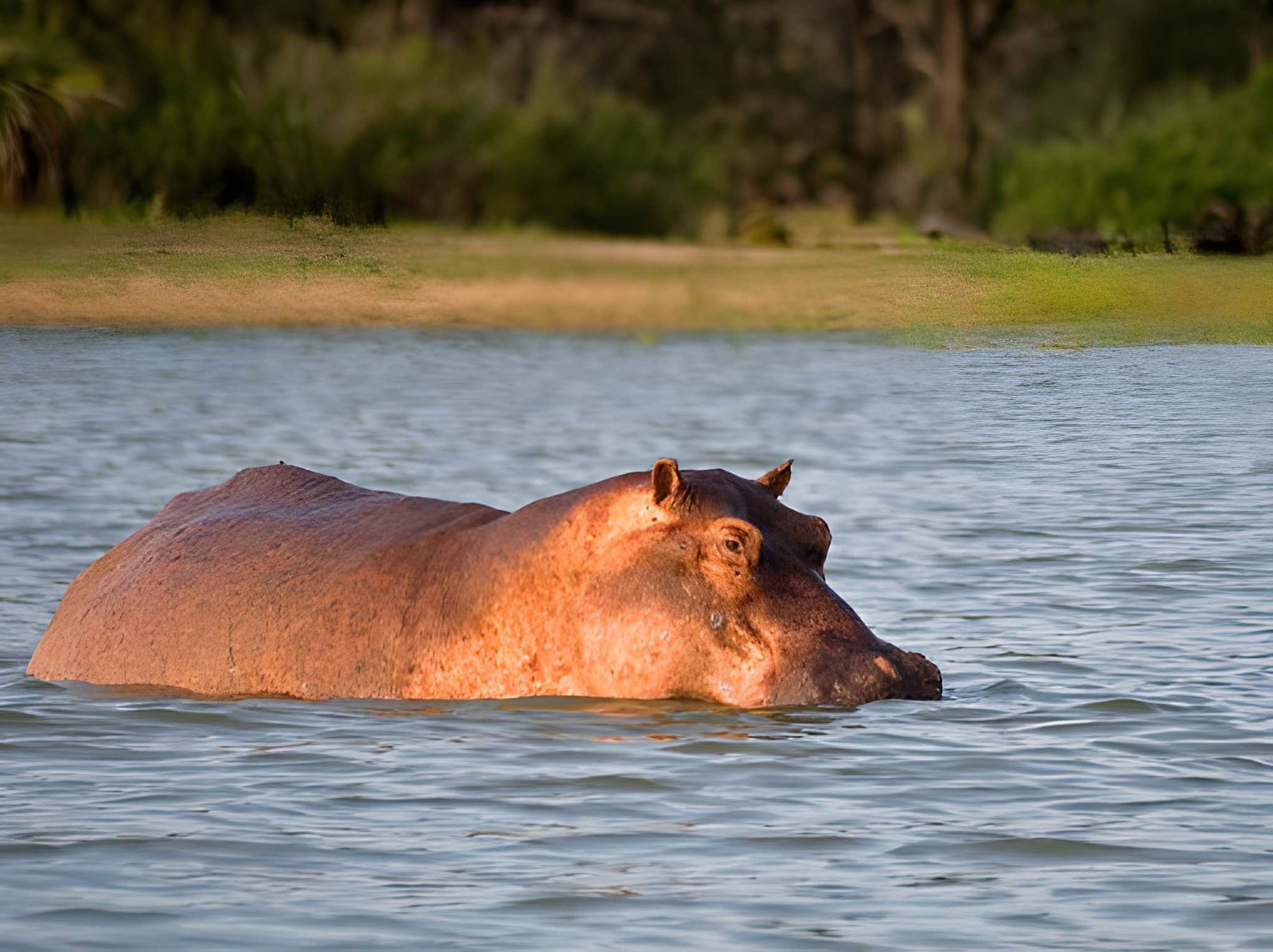
Glide along the Rufiji River past pods of hippos and basking Nile crocodiles, with elephants drinking at the water's edge.

Climbing Kilimanjaro
The complete guideRoutes & fitness calculatorWhat to packOur climbs
6-Day Kilimanjaro: Marangu Route7-Day Kilimanjaro: Machame Route6-Day Kilimanjaro: Umbwe Route7-Day Kilimanjaro: Rongai Route7-Day Kilimanjaro: Shira Plateau / Morrum Barrier Route9-Day Kilimanjaro: Lemosho Route4-Day Mount Meru Trek5-Day Ol Doinyo Lengai & Lake Natron Trek10-Day Kilimanjaro Trekking & Wildlife Safari11-Day Kilimanjaro Trekking & Wildlife SafariTour styles
Big 5 Safaris (7)Great Migration Safaris (6)Classic Wildlife Safaris (32)Wildlife-Themed Safaris (8)Fly-in & Luxury Safaris (8)Honeymoon Safaris (6)Mountain Trekking (10)Beach & Zanzibar Holidays (9)Gorilla & Primate Safaris (19)Multi-Country & Combination Safaris (9)Helicopter Safaris (5)Cultural Tours (2)Day Trips (10)Family SafarisCity Tours & Airport TransfersTailor-Made / Custom TripsPlan
All toursTanzania safari guidePlan a custom tripTanzania
All of TanzaniaNational ParksGame ReservesIslandsHistorical SitesMountains & VolcanoesLakes & WaterfallsCities & CoastKenya
All of KenyaNational ParksReserves & ConservanciesMountains & CoastCitiesUganda
All of UgandaNational ParksWildlife ReservesLakes & WaterfallsCities & GatewaysMore
Cultural experiencesLodges & campsAll destinationsTanzania National Parks
Water, walking and wilderness: boat safaris on the Rufiji River, guided bush walks and vast untouched landscapes make the Selous one of Africa's most unforgettable safari destinations.
Discover Nyerere & the Selous
The Selous Game Reserve, established in 1922, covers about 50,000 km², making it the largest protected wet wilderness in Africa and bigger than Switzerland. Almost 6% of Tanzania's land is covered by the Selous, and its northern photographic area is now protected as Nyerere National Park.
The reserve lies on the coastal plain stretching towards the Indian Ocean, where the many deltas of the Rufiji River empty into the sea opposite Mafia Island. It hosts the largest number of elephants found in a single park or reserve anywhere in the world, and is a UNESCO World Heritage Site.
Why Nyerere
Few parks offer the variety of safari experiences found in Nyerere, from boats and walks to classic game drives.
Glide along the Rufiji River past pods of hippos and basking Nile crocodiles, with elephants drinking at the water's edge.
Explore the bush on foot with expert guides, one of the most exciting ways to experience the wilderness.
The Selous is one of Africa's most important strongholds for the endangered African wild dog.
Africa's largest protected area offers a true sense of remoteness, with very few other visitors.
Location
Nyerere National Park lies in southern Tanzania, about 230 km southwest of Dar es Salaam. Most visitors arrive by a 45-minute flight from Dar es Salaam or Zanzibar, while road and rail journeys are also possible.
The park is defined by the great Rufiji River and its network of lakes, channels and sandbanks, including Lake Tagalala, where wildlife gathers at the water's edge to drink and wallow.
When to visit
The dry season is best for game viewing, while the wetter months bring lush scenery and superb birdlife.
Excellent game viewing as wildlife gathers along the Rufiji River and lakes. Ideal for boat and walking safaris.
The landscape turns green and migratory birds arrive; game viewing remains good.
Warm, green and quieter, with good wildlife and excellent birding.
The wettest period; many camps close and some areas become inaccessible.
Each month brings different conditions, from dry-season gatherings to lush green landscapes.
Warm and green, with good wildlife and excellent birdlife.
A quieter month with lush scenery and good boat safaris.
Rains increase; some camps begin to close.
The wettest month; many camps are closed.
Rains ease late in the month and camps start to reopen.
Dry season begins, with great boat and walking safaris.
Excellent game viewing as animals gather near water.
Prime season, with elephants, lions and wild dogs often seen.
Dry and clear, ideal for all safari activities.
Hot and dry, with dramatic gatherings along the Rufiji River.
Short rains refresh the landscape and birds arrive.
Green scenery and active birdlife, with good wildlife viewing.
Explore the area
Rivers, lakes, woodland and grassland create a rich mosaic of habitats.
Wildlife
Nyerere is rich in both plants and animals. It hosts the largest number of elephants found in a single park or reserve anywhere in the world, and in the long grassland you may even see rare sable antelope, lion and greater kudu.
On waterborne boat safaris, big game is usually seen, including Nile crocodiles and pods of hippos lying lazily on the Rufiji River's sandbanks. More than 400 bird species have been recorded, including the globally threatened wattled crane and corncrake.
Where to look: Along the Rufiji River and lakes
The Selous has historically held the largest elephant population of any reserve in the world.
Where to look: Woodland and grassland
One of Africa's most important strongholds for these endangered painted dogs.
Where to look: Lakes, river and open grassland
Large prides hunt across the park, often near the lakes.
Where to look: Rufiji River and lakes
Pods of hippos crowd the river channels and lakes, easily seen on boat safaris.
Where to look: Rufiji River sandbanks
Huge crocodiles bask on the sandbanks of the river.
Where to look: Floodplains and woodland
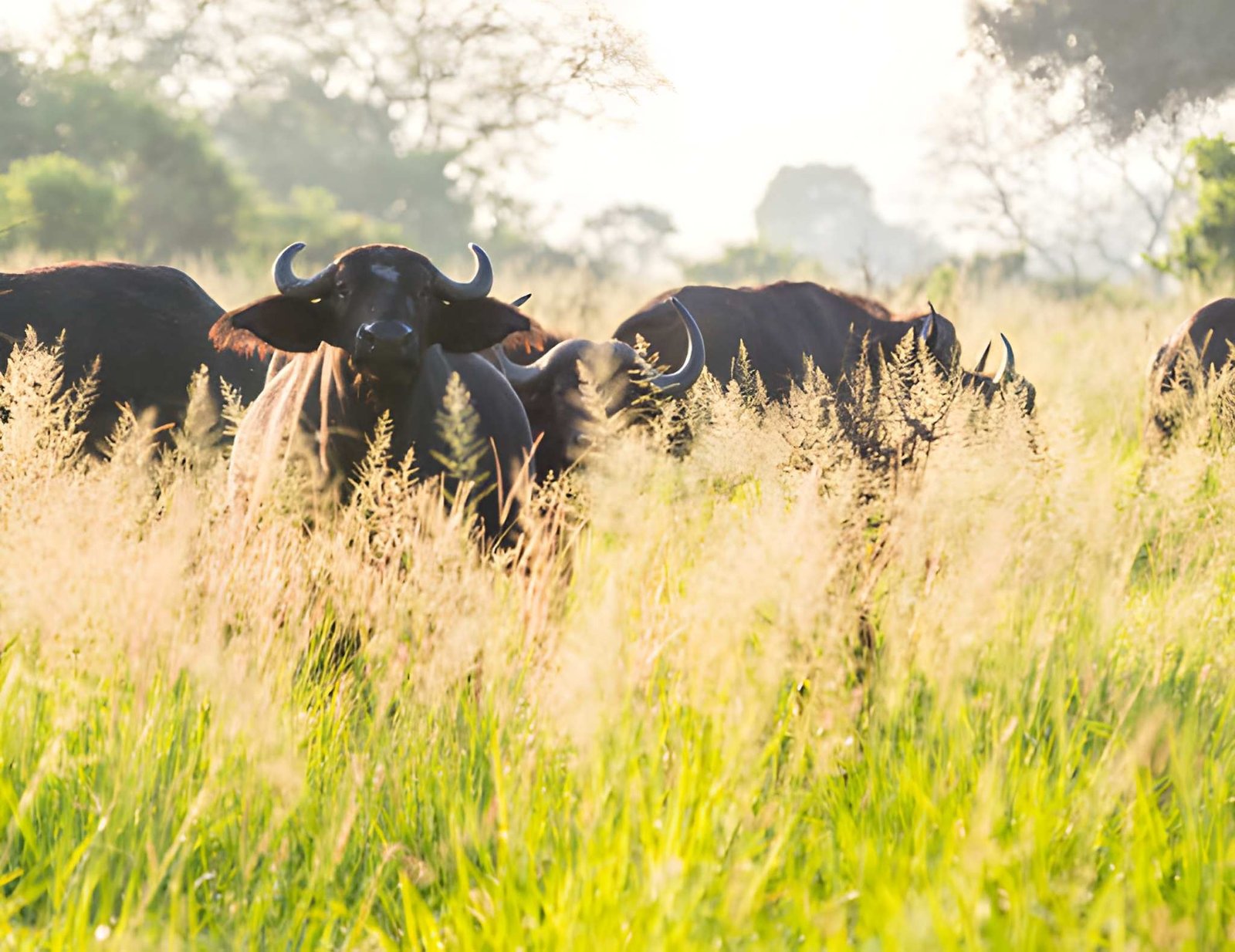
Large herds graze near water.
Where to look: Woodland north of the Rufiji River
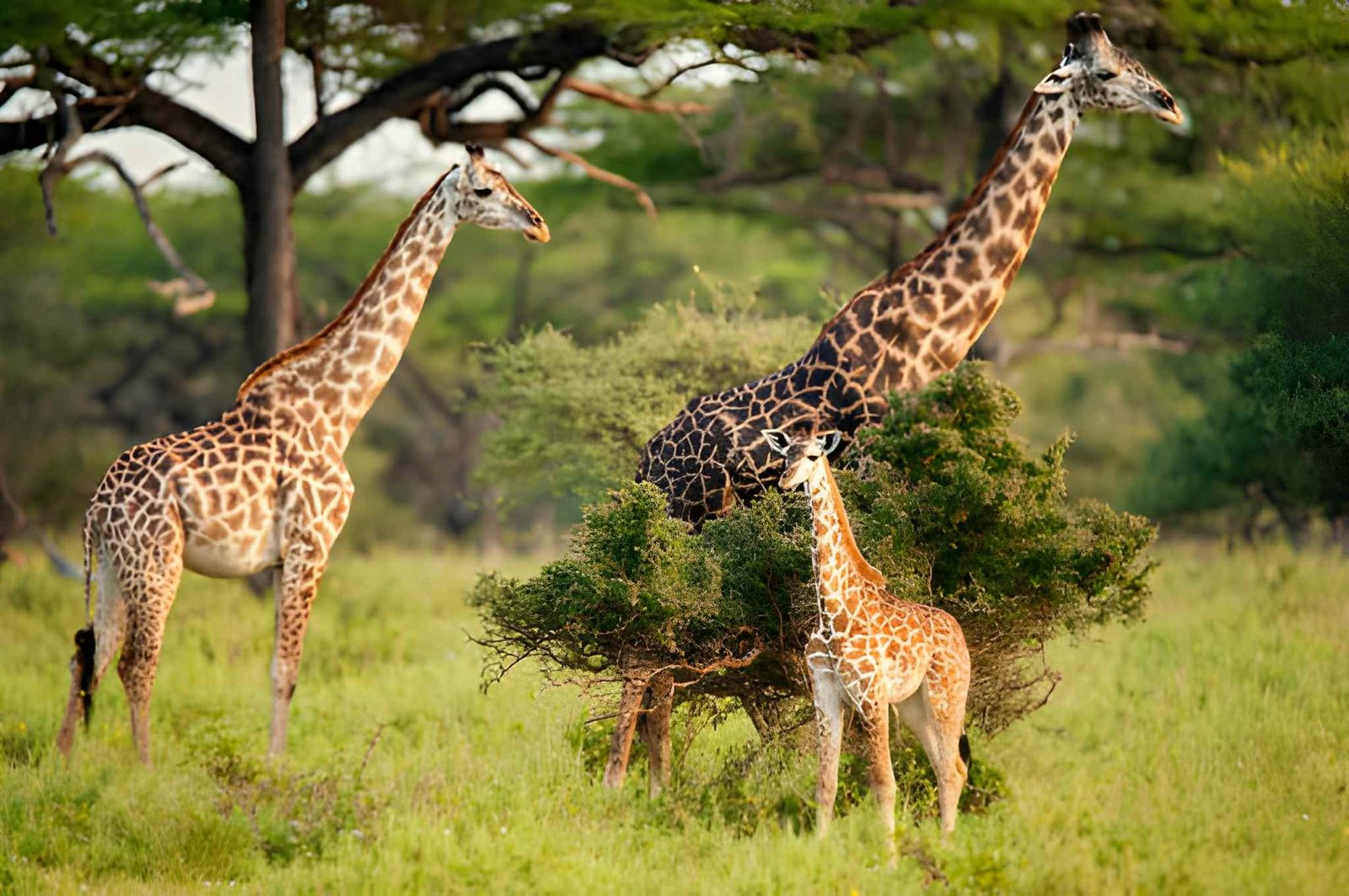
Giraffes live north of the river and are a common sight in the photographic area.
Where to look: Riverine woodland
Present but secretive.
Where to look: Miombo woodland and long grass
A rare and beautiful antelope.
Where to look: Thickets and woodland
Seen occasionally in denser bush.
Where to look: Woodland edges
A southern antelope rarely found in the north of Tanzania.
Where to look: Throughout the park
Common, especially around kills.

Boat Safaris on the Rufiji
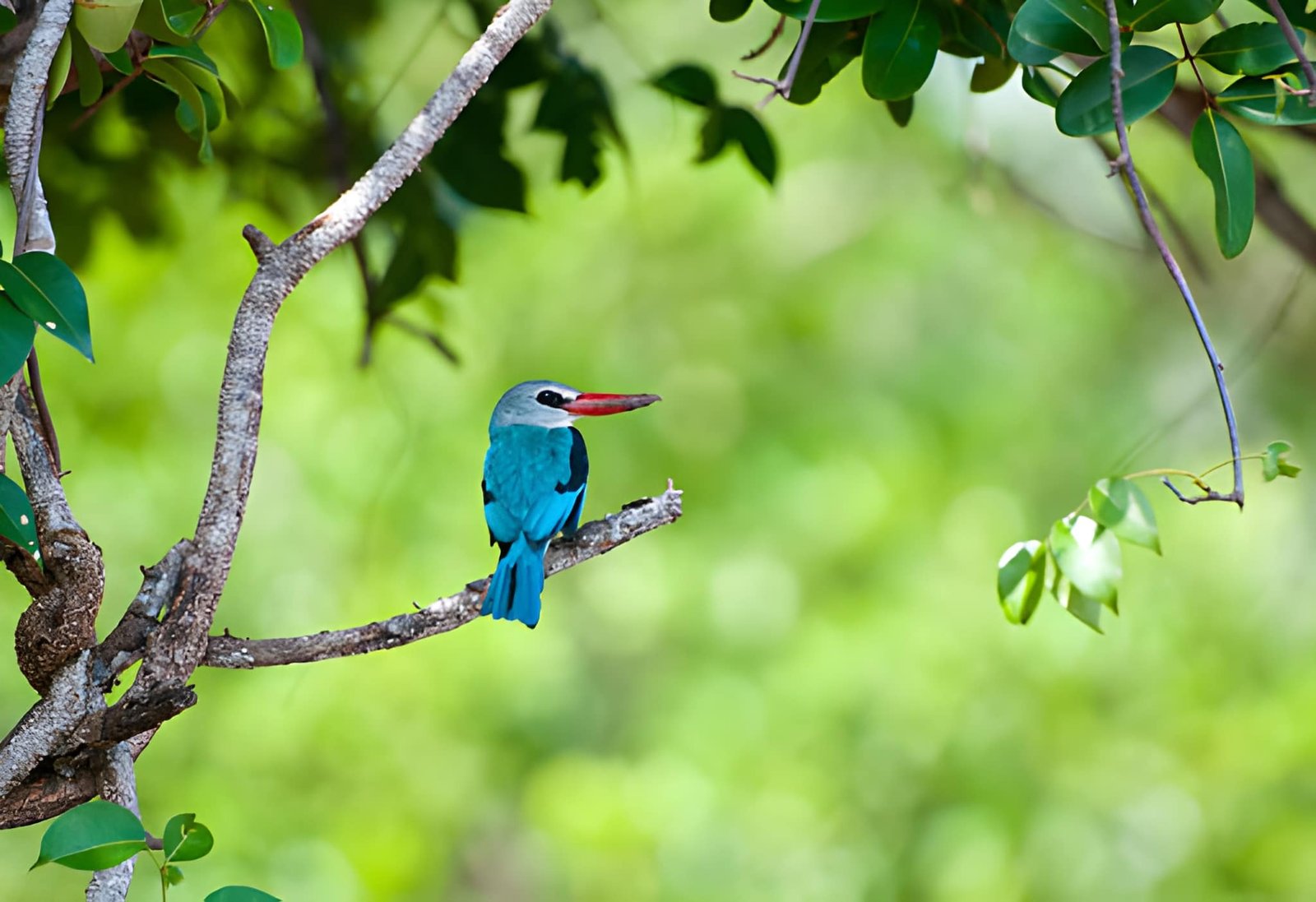
A boat safari on the Rufiji River is one of the highlights of any trip to southern Tanzania. Drift quietly past hippos, crocodiles and elephants drinking at the water's edge, while kingfishers, fish eagles and storks hunt along the banks.
As the sun sets over the river, the experience becomes truly magical. Combined with walking safaris and game drives, it makes Nyerere one of the most varied safari destinations in Africa.
Safaris to 中文
Itineraries that include Nyerere National Park, often combined with Ruaha, Mikumi or Zanzibar.
Tanzania · 13 days
Tarangire · Lake Manyara · Serengeti · Nyerere
Tanzania · 5 days
Nyerere
Tanzania · 5 days
Mikumi · Nyerere
Tanzania · 8 days
Nyerere · Mikumi · Ruaha
Tanzania · 7 days
Nyerere · Mikumi · Saadani
Tanzania · 7 days
Nyerere · Mikumi · Bagamoyo
Tanzania · 8 days
Nyerere · Mikumi · Saadani · Bagamoyo
Tanzania · 14 days
Nyerere · Ruaha · Zanzibar
Tanzania · 13 days
Nyerere · Mikumi · Ruaha
Stay in 中文
Riverside camps and lodges along the Rufiji River and lakes.

Tell us your dates and we will help you plan boat, walking and game drive safaris in Africa's greatest wilderness.
Usually replies within minutesHeritage
The Selous is Africa's oldest protected wet wilderness, first proclaimed in 1896, and rich in history dating back to the 1850s, when European explorers such as Burton and Speke passed through. The Maji Maji uprising against German rule also touched the area in 1905.
The reserve takes its name from the legendary hunter-explorer Frederick Courteney Selous, whose books were best sellers in Victorian England and who was killed here in 1917. In 2019, the northern photographic area was gazetted as Nyerere National Park, honouring Tanzania's founding president, Julius Nyerere.
Nyerere National Park was created in 2019 from the northern part of the Selous Game Reserve, where photographic safaris take place.
Boat safaris on the Rufiji River, walking safaris, wild dogs and a vast, remote wilderness with very few visitors.
June to October is best. Many camps close during the long rains from March to May.
Most visitors take a 45-minute flight from Dar es Salaam or Zanzibar. Road and rail options are also available.
Three nights is ideal to enjoy boat, walking and game drive safaris.
Yes. Nyerere is a short flight from Zanzibar, making it a perfect safari-and-beach combination.
Your safari starts here
Let Gip Adventure plan your journey into Africa's greatest wilderness.
Chat with usOnline