
Elephant Country
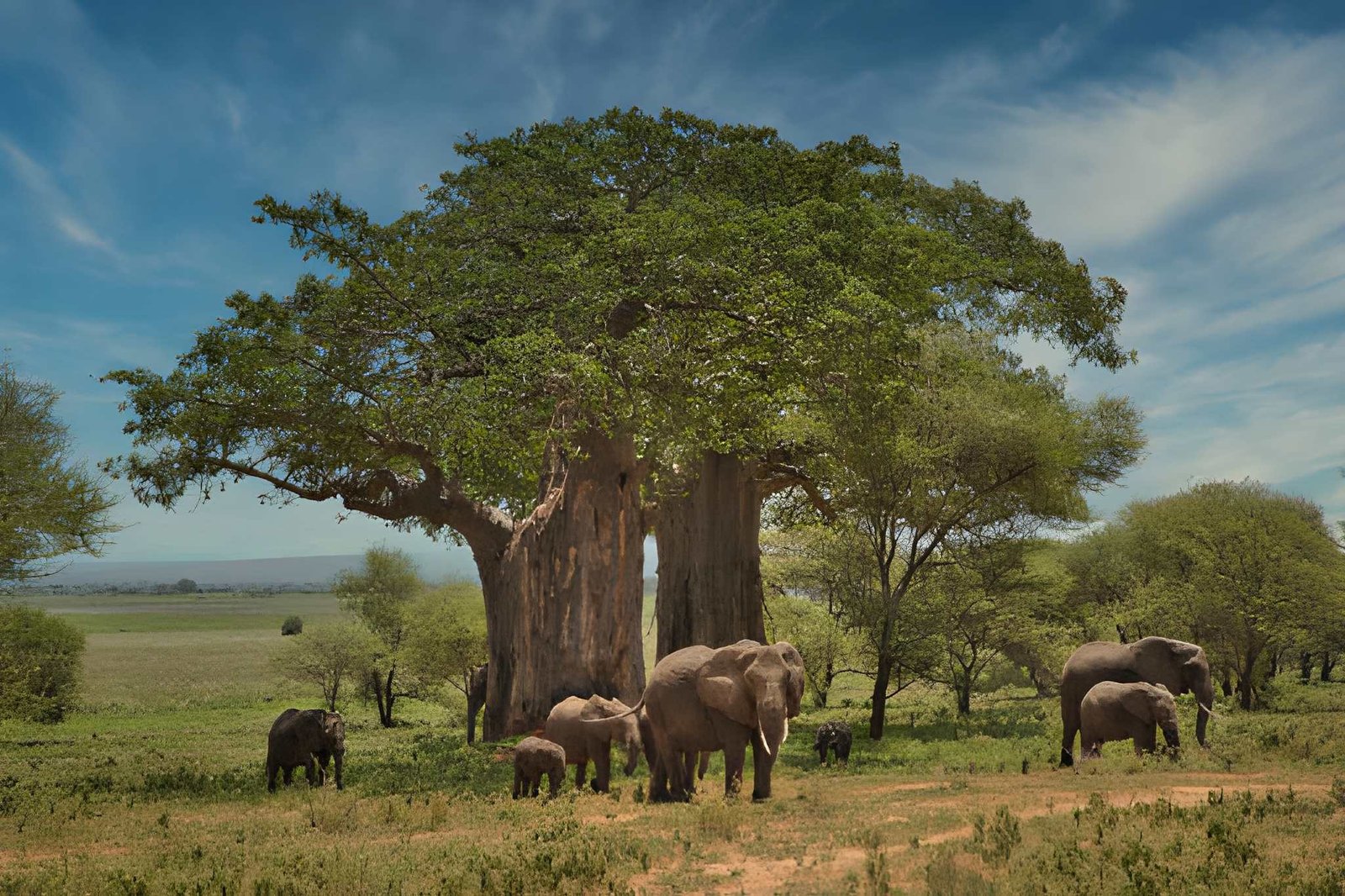
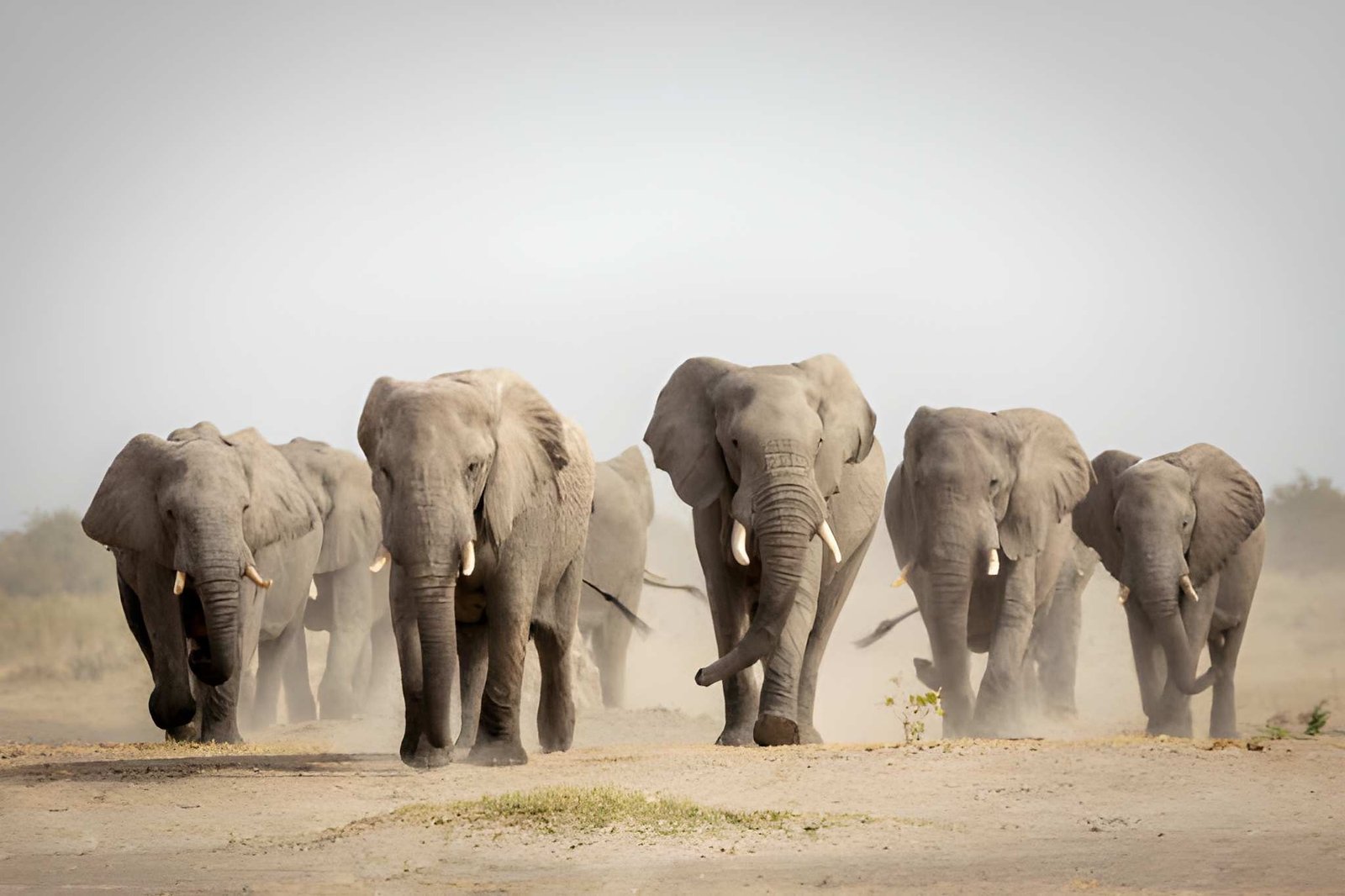
Tarangire hosts one of the highest densities of elephants in Tanzania, with large family herds gathering along the river in the dry season.

Climbing Kilimanjaro
The complete guideRoutes & fitness calculatorWhat to packOur climbs
6-Day Kilimanjaro: Marangu Route7-Day Kilimanjaro: Machame Route6-Day Kilimanjaro: Umbwe Route7-Day Kilimanjaro: Rongai Route7-Day Kilimanjaro: Shira Plateau / Morrum Barrier Route9-Day Kilimanjaro: Lemosho Route4-Day Mount Meru Trek5-Day Ol Doinyo Lengai & Lake Natron Trek10-Day Kilimanjaro Trekking & Wildlife Safari11-Day Kilimanjaro Trekking & Wildlife SafariTour styles
Big 5 Safaris (7)Great Migration Safaris (6)Classic Wildlife Safaris (32)Wildlife-Themed Safaris (8)Fly-in & Luxury Safaris (8)Honeymoon Safaris (6)Mountain Trekking (10)Beach & Zanzibar Holidays (9)Gorilla & Primate Safaris (19)Multi-Country & Combination Safaris (9)Helicopter Safaris (5)Cultural Tours (2)Day Trips (10)Family SafarisCity Tours & Airport TransfersTailor-Made / Custom TripsPlan
All toursTanzania safari guidePlan a custom tripTanzania
All of TanzaniaNational ParksGame ReservesIslandsHistorical SitesMountains & VolcanoesLakes & WaterfallsCities & CoastKenya
All of KenyaNational ParksReserves & ConservanciesMountains & CoastCitiesUganda
All of UgandaNational ParksWildlife ReservesLakes & WaterfallsCities & GatewaysMore
Cultural experiencesLodges & campsAll destinationsTanzania National Parks
Ancient baobabs, the Tarangire River and some of Tanzania's largest elephant herds make this one of the most rewarding and underrated parks of the northern circuit.
Discover Tarangire
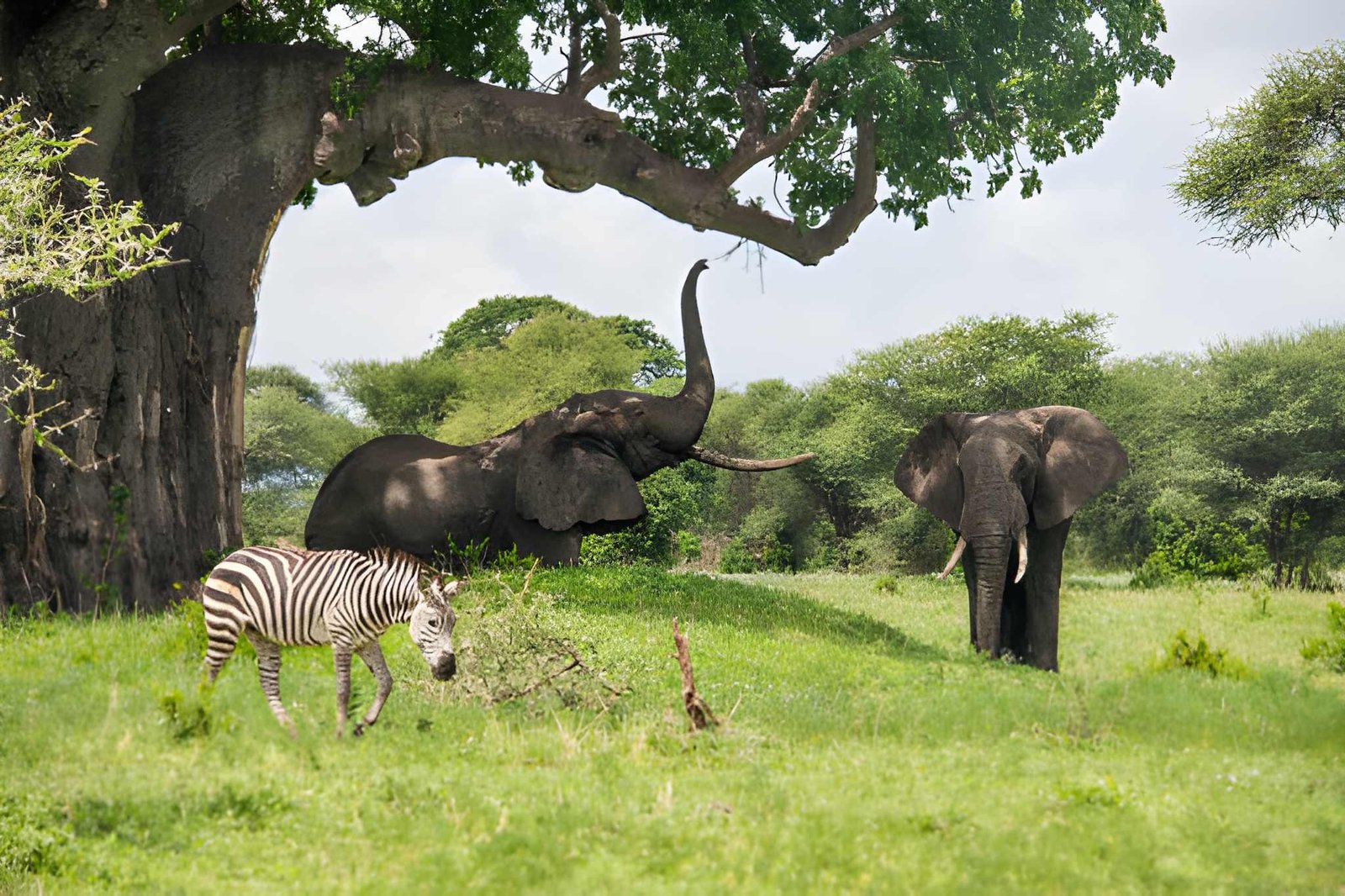
Tarangire National Park lies 118 km southwest of Arusha and covers a total of 2,850 km². Established to conserve and protect wildlife, it is famous for the giant baobab trees with their peeled, debarked trunks, for acacia woodland that dominates the landscape and for hosting one of the highest densities of elephants anywhere in Tanzania.
It is a popular stop for travellers on the northern safari circuit on their way to Ngorongoro and the great Serengeti. The park extends into two Game Controlled Areas and wildlife moves freely throughout, so during the dry season herds of gazelles, wildebeest, zebras, giraffes and parades of elephants migrate into Tarangire's scrub and plains, where the last grazing land and the waters of the Tarangire River remain.
Why Tarangire
Fewer vehicles, dramatic baobab country and wildlife that concentrates spectacularly in the dry season make Tarangire a highlight of any northern Tanzania safari.
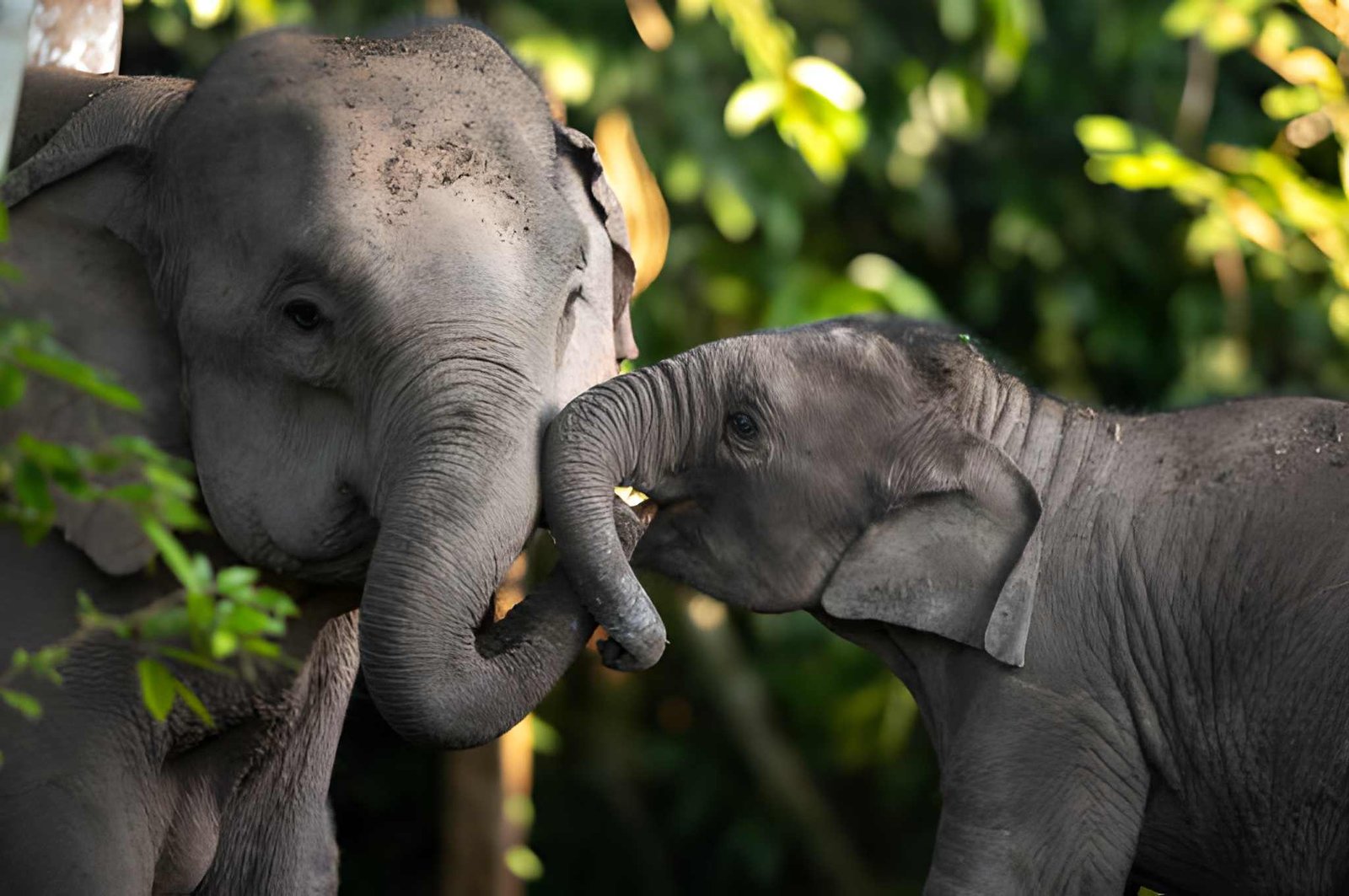
Tarangire hosts one of the highest densities of elephants in Tanzania, with large family herds gathering along the river in the dry season.
Ancient baobab trees, some many centuries old, rise above the acacia woodland and create the park's unmistakable landscape.
More than 500 bird species have been recorded, from the ostrich and the Kori bustard, the world's heaviest flying bird, to colourful barbets and hornbills.
Look for the long-necked gerenuk and the fringe-eared oryx, dry-country antelopes rarely seen in other northern parks, as well as the famous tree-climbing pythons.
Location
Tarangire National Park is about 118 km southwest of Arusha city centre, 198 km from Moshi and 158 km from Kilimanjaro International Airport. The entrance gate is 7 km off the surfaced Arusha–Dodoma road, roughly 1 to 2 hours' drive from Arusha and about an hour from Lake Manyara.
The park is the heart of a wider ecosystem of about 20,500 km², defined by the long-distance movements of eastern white-bearded wildebeest and plains zebra. In the dry season, wildlife from the surrounding Maasai Steppe concentrates near the Tarangire River, the park's main source of water.
When to visit
Tarangire is worth visiting all year round, but the experience changes dramatically between the dry and wet seasons.
The best time to visit. Wildlife concentrates along the Tarangire River and around Silale Swamp, with huge elephant herds and excellent predator sightings.
The landscape turns green and many animals disperse into the surrounding steppe, while birdlife and newborn animals bring fresh interest.
Lush scenery, fewer visitors and superb birding, with migratory birds present and good general game viewing.
The wettest period, with some animals moving out of the park and certain tracks becoming muddy. Excellent value and very few vehicles.
Dry-season months bring the biggest concentrations of wildlife, while the green season rewards birders and photographers who love lush landscapes.
Green and quiet, with good birding, newborn animals and pleasant game viewing.
A short dry spell between the rains, with lush scenery and many migratory birds.
Long rains begin; wildlife disperses and some roads can become challenging.
Usually the wettest month, offering lush scenery and very few visitors.
Rains ease and the park looks its greenest as animals begin to return.
Dry season begins and wildlife starts to gather along the Tarangire River.
Excellent game viewing, with growing elephant herds and great predator activity.
Peak season: huge concentrations of elephants, buffalo and plains game along the river.
Prime wildlife viewing as the landscape dries and animals stay close to water.
One of the best months, with dramatic gatherings before the short rains arrive.
Short rains refresh the landscape and herds begin to disperse into the steppe.
Green scenery returns, with good birding and fewer vehicles than the high season.
Explore the area
From the river valley to the remote southern swamps, each area of Tarangire offers a different landscape and atmosphere.
Wildlife
Tarangire is teeming with wildlife: large parades of elephants, herds of buffalo, wildebeest, impalas, zebras, hartebeest and eland are commonly seen congregating along the Tarangire River. Here, sightings of dry-country antelopes such as the gerenuk and the fringe-eared oryx are regular, a characteristic missing in most other parks.
Long, log-shaped and domed termite mounds offer refuge to dwarf mongoose, squirrels, snakes and monitor lizards, and food for starlings, hornbills and the red-and-yellow barbet. Tarangire is also one of the best places to look for the famous tree-climbing pythons, though seeing them is rare.
Where to look: Along the Tarangire River and around Silale Swamp
Tarangire's star attraction. Family herds of dozens, sometimes hundreds, gather near water in the dry season.
Where to look: Silale Swamp and the river valley
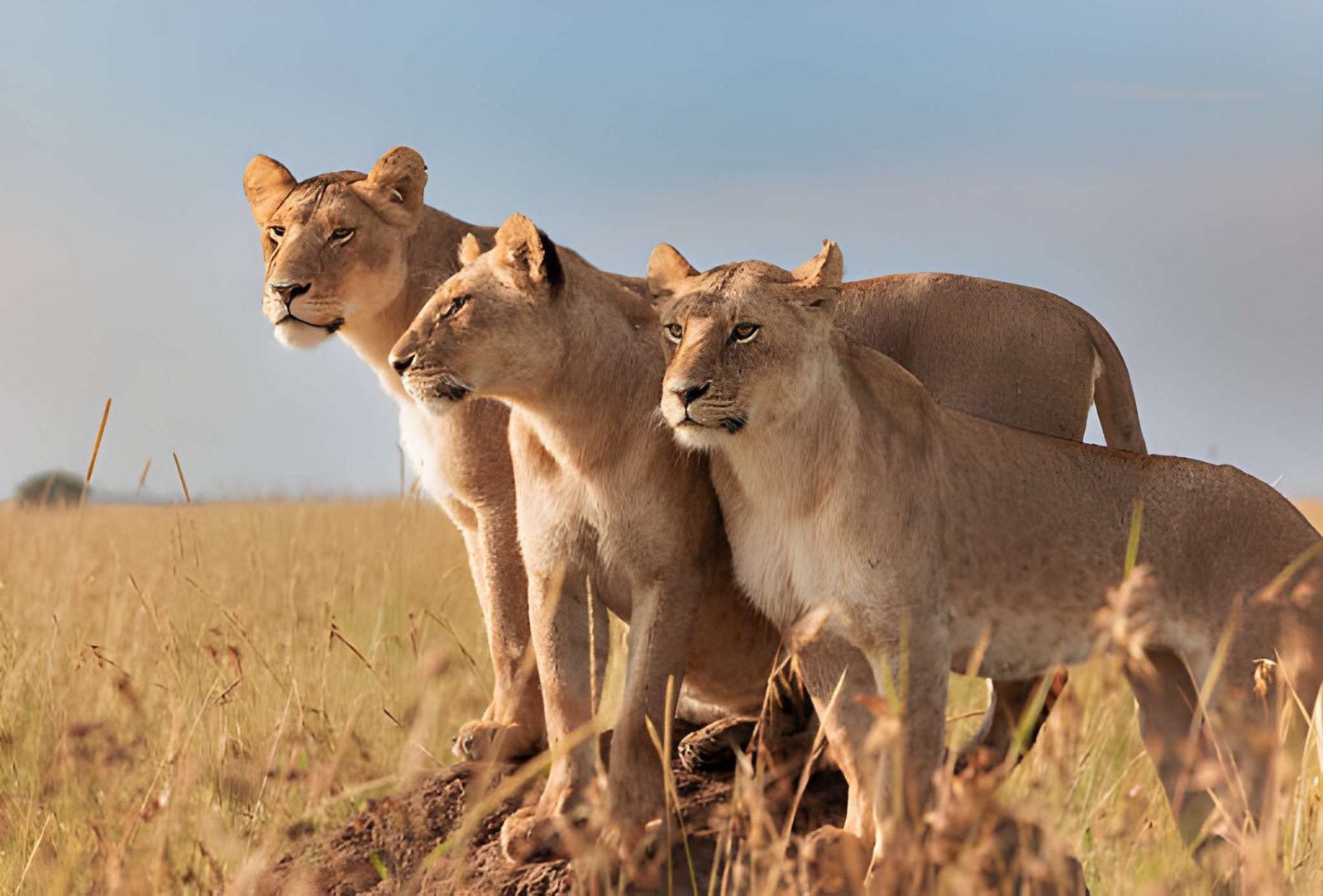
Prides hunt buffalo and plains game around the swamp and river, and are sometimes seen resting in trees.
Where to look: Riverine woodland and baobab country
Elusive but present, often resting in the branches of large trees near the river.
Where to look: Silale Swamp and the river floodplains
Large herds graze the swamps and floodplains, especially in the dry season.
Where to look: Acacia woodland across the park
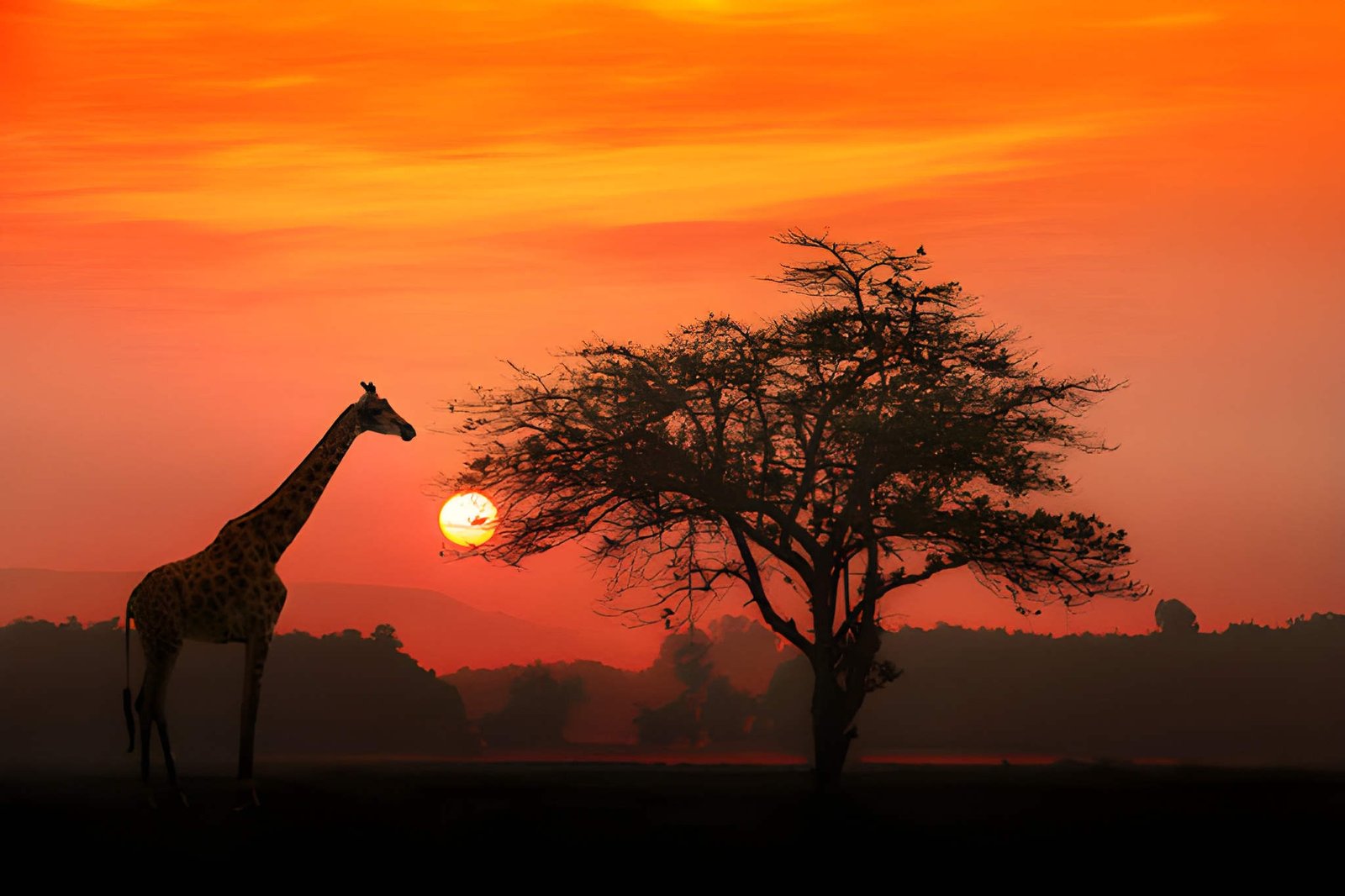
Masai giraffes are a common sight browsing among the acacias and baobabs.
Where to look: River valley and open plains
Thousands of zebras move into the park with the wildebeest during the dry season.
Where to look: River valley and plains, mainly June to October
Part of the Tarangire ecosystem migration, arriving from the Maasai Steppe as the land dries.
Where to look: Dry bush in the north and around the river
A long-necked antelope that stands on its hind legs to browse, a speciality of dry country.
Where to look: Drier open country in the north
A striking dry-country antelope with long straight horns, rarely seen in other northern parks.
Where to look: Trees and thickets near water
Tarangire is famous for tree-climbing pythons, though spotting one takes real luck.
Where to look: Open plains and grassland edges
Seen occasionally on the more open plains, especially in the dry season.
Where to look: The driest open parts of the park
The world's largest and fastest-running bird wanders the drier plains, alongside the Kori bustard.

The Dry Season Gathering
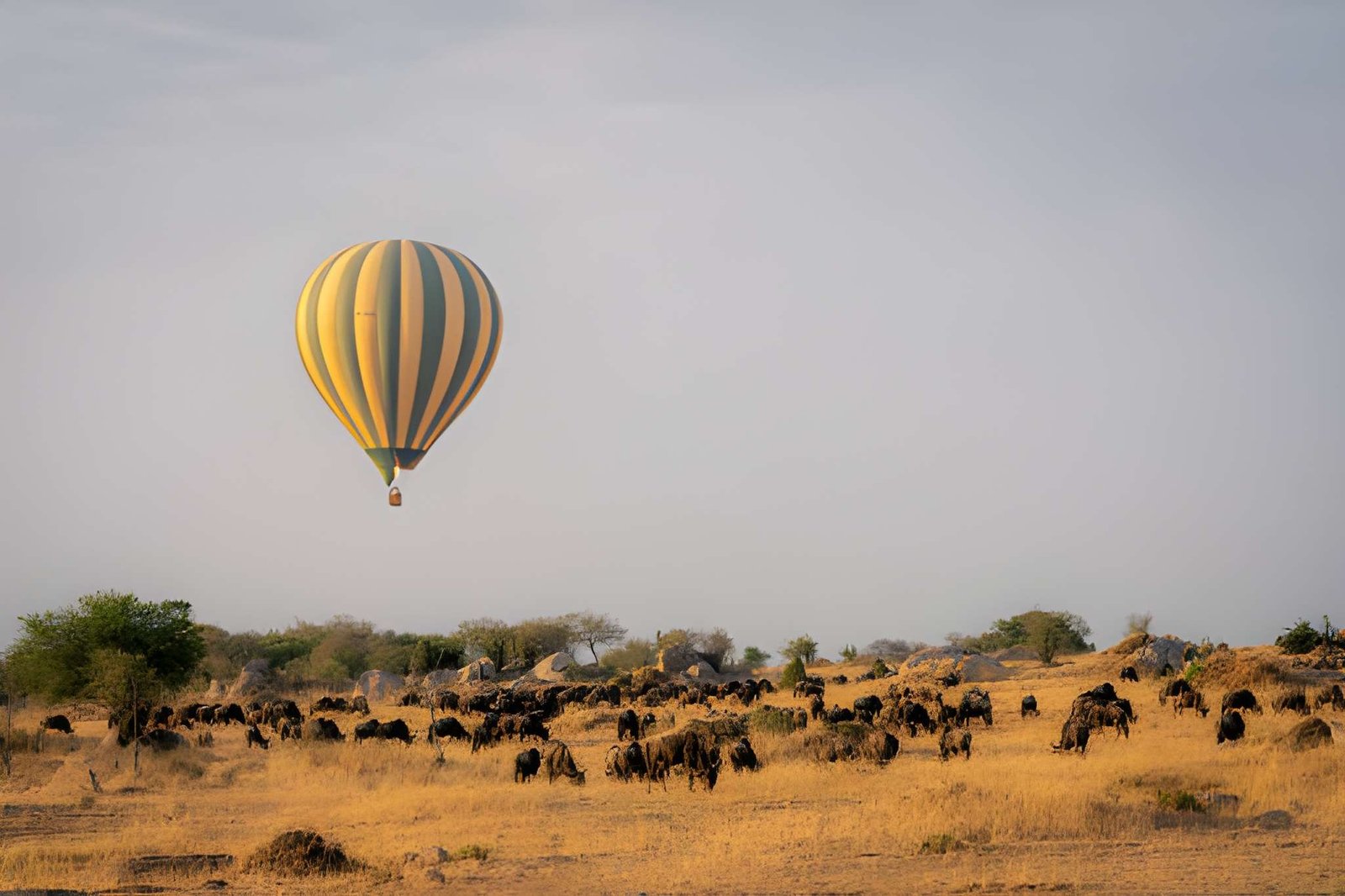
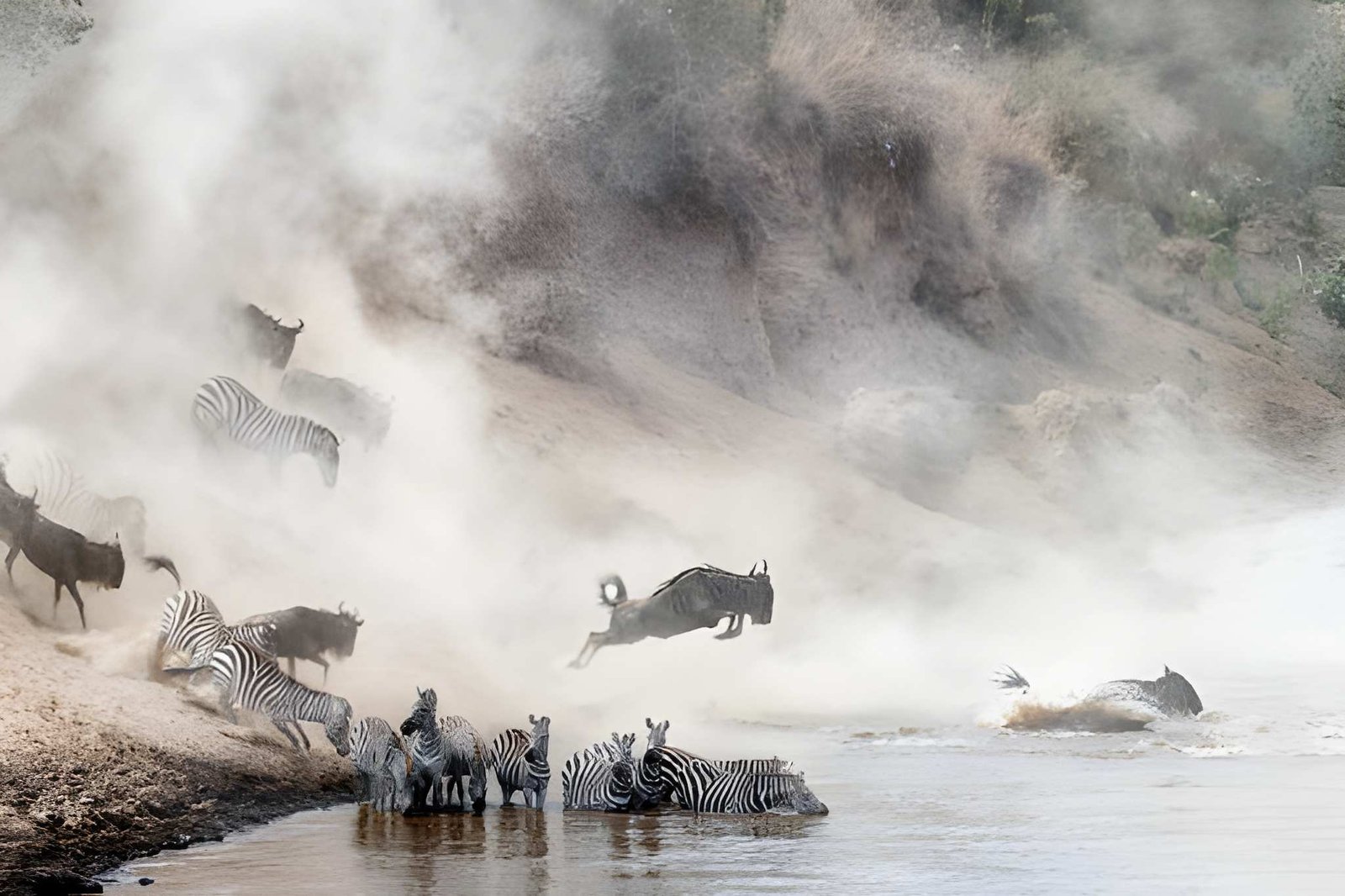
As the surrounding Maasai Steppe dries out from June onwards, thousands of animals move into Tarangire in search of water and grazing. Elephants, buffalo, zebras, wildebeest, gazelles and giraffes concentrate along the Tarangire River and around Silale Swamp.
This seasonal gathering brings some of the densest wildlife viewing in northern Tanzania, with predators close behind and elephants digging in the dry riverbed for water.
Safaris to 中文
Itineraries that include Tarangire, often combined with Lake Manyara, Ngorongoro and the Serengeti.
Tanzania · 9 days
Tarangire · Ngorongoro · Serengeti
Tanzania · 13 days
Tarangire · Lake Manyara · Serengeti · Nyerere
Tanzania · 10 days
Tarangire · Lake Manyara · Serengeti
Tanzania · 5 days
Serengeti · Ngorongoro
Tanzania · 7 days
Tarangire · Serengeti · Ngorongoro · Lake Manyara
Tanzania · 6 days
Ngorongoro · Serengeti
Tanzania · 7 days
Ngorongoro · Serengeti
Tanzania · 5 days
Ngorongoro
Tanzania · 5 days
Ngorongoro
Stay in 中文
From classic tented camps beside the park to luxury lodges deep inside it, choose the stay that suits your style.

Tell us how long you have and what you would love to see. We will help you build the perfect Tarangire and northern circuit safari.
Usually replies within minutesHeritage
For generations, the Tarangire area has been home to Maasai pastoralists, whose cattle shared the land and its seasonal waters with wildlife. The great baobabs, some believed to be many centuries old, have long served as landmarks, shelters and sources of food and water for people and animals alike.
Tarangire was declared a national park in 1970 to protect the vital dry-season refuge of the wider Tarangire–Manyara ecosystem. Today, conservation work continues across the surrounding Game Controlled Areas and community lands, keeping migration corridors open so wildlife can move freely between the park and the Maasai Steppe.
Yes. Tarangire offers some of the best elephant viewing in Africa, stunning baobab landscapes and over 500 bird species, often with fewer vehicles than other northern parks.
A full day of game viewing is a good minimum, while one or two nights lets you explore further, including Silale Swamp and quieter areas of the park.
June to October, when wildlife concentrates along the Tarangire River. The green season from November to May is excellent for birding and has fewer visitors.
About 118 km, or 1 to 2 hours by road. It is roughly an hour from Lake Manyara, making it easy to combine with Ngorongoro and the Serengeti.
Elephants, lions, leopards, buffalo, giraffes, zebras, wildebeest, gerenuk, fringe-eared oryx, tree-climbing pythons and over 500 bird species.
Yes. Tarangire is usually the first or last stop on a northern circuit safari with Lake Manyara, Ngorongoro and the Serengeti.
Your safari starts here
Let Gip Adventure plan a safari that puts you among Tarangire's elephants and baobabs at the best time of year.
Chat with usOnline