
Lion Country
Ruaha is home to more than 10% of Africa's remaining wild lions, with large prides often seen along the river.

Climbing Kilimanjaro
The complete guideRoutes & fitness calculatorWhat to packOur climbs
6-Day Kilimanjaro: Marangu Route7-Day Kilimanjaro: Machame Route6-Day Kilimanjaro: Umbwe Route7-Day Kilimanjaro: Rongai Route7-Day Kilimanjaro: Shira Plateau / Morrum Barrier Route9-Day Kilimanjaro: Lemosho Route4-Day Mount Meru Trek5-Day Ol Doinyo Lengai & Lake Natron Trek10-Day Kilimanjaro Trekking & Wildlife Safari11-Day Kilimanjaro Trekking & Wildlife SafariTour styles
Big 5 Safaris (7)Great Migration Safaris (6)Classic Wildlife Safaris (32)Wildlife-Themed Safaris (8)Fly-in & Luxury Safaris (8)Honeymoon Safaris (6)Mountain Trekking (10)Beach & Zanzibar Holidays (9)Gorilla & Primate Safaris (19)Multi-Country & Combination Safaris (9)Helicopter Safaris (5)Cultural Tours (2)Day Trips (10)Family SafarisCity Tours & Airport TransfersTailor-Made / Custom TripsPlan
All toursTanzania safari guidePlan a custom tripTanzania
All of TanzaniaNational ParksGame ReservesIslandsHistorical SitesMountains & VolcanoesLakes & WaterfallsCities & CoastKenya
All of KenyaNational ParksReserves & ConservanciesMountains & CoastCitiesUganda
All of UgandaNational ParksWildlife ReservesLakes & WaterfallsCities & GatewaysMore
Cultural experiencesLodges & campsAll destinationsTanzania National Parks
Vast, wild and wonderfully uncrowded, Ruaha is one of Africa's great predator parks, where the Great Ruaha River draws elephants, lions and rare antelope across a dramatic landscape.
Discover Ruaha
Ruaha National Park covers about 20,300 km², making it one of Tanzania's largest parks. It takes its name from the Great Ruaha River, which flows along its eastern border for about 160 km; the name comes from Luvaha, meaning great in the Hehe language.
Established in 1964, Ruaha is one of the most sought-after gems of southern Tanzania. It is wilder and less visited than the northern parks, offering a genuine wilderness experience with excellent wildlife and very few vehicles.
Why Ruaha
Ruaha rewards travellers who want big wildlife, big landscapes and the feeling of having the wilderness to themselves.
Ruaha is home to more than 10% of Africa's remaining wild lions, with large prides often seen along the river.
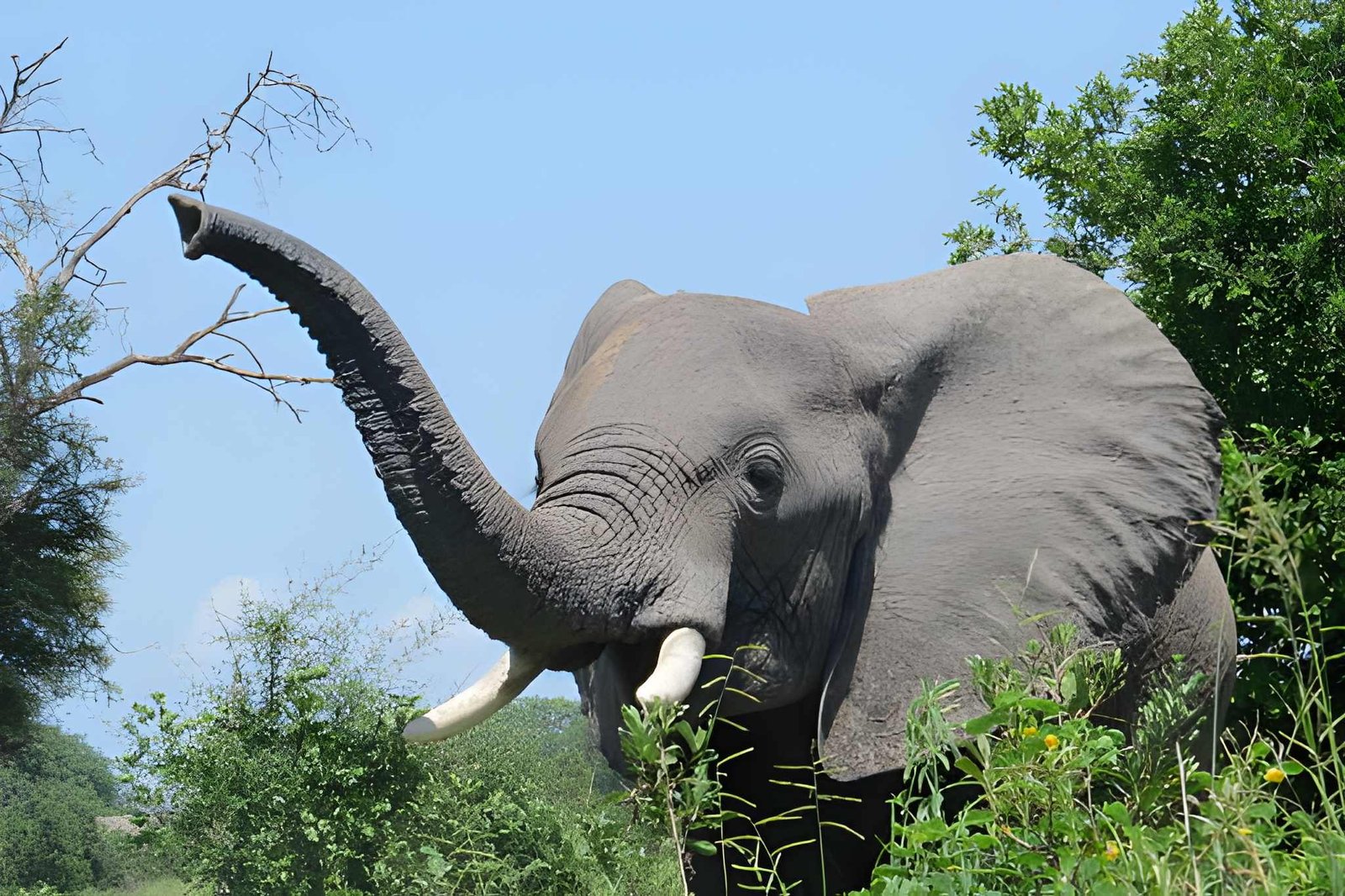
Large herds of elephants make Ruaha one of the leading parks in East Africa for these giants.
The park hosts more greater kudu than any other East African protected area; the kudu is the park's emblem.
Ruaha holds one of the world's largest populations of endangered African painted dogs (wild dogs).
Location
Ruaha National Park lies in central southern Tanzania, about 128 km west of Iringa, 695 km from Dar es Salaam and 430 km from Morogoro. Most visitors arrive by light aircraft from Dar es Salaam, Zanzibar, Arusha or Nyerere National Park.
Several rivers crisscross the park, including the Great Ruaha and the Mwagusi sand river, and where there is water there is wildlife. Ruaha forms part of a much larger ecosystem with surrounding game reserves and wildlife management areas.
When to visit
Ruaha is at its best in the dry season, but the green season brings its own rewards for birders and photographers.
Prime game viewing as wildlife concentrates along the Great Ruaha River and sand rivers. Excellent for big cats and elephants.
The bush turns green and migratory birds arrive, while game viewing remains good.
Lush scenery, newborn animals and superb birding, with very few visitors.
The wettest months; some camps close and roads can be difficult.
The dry months bring the best game viewing, while the green season offers beautiful landscapes and birdlife.
Green season with lush scenery, newborn animals and excellent birding.
Warm and green, with good predator activity and very few vehicles.
Lush landscapes before the heavier rains; great for photography.
Long rains; many camps close and roads become challenging.
Rains ease and the park begins to dry out.
Dry season begins; wildlife starts gathering along the rivers.
Excellent game viewing with cool mornings and clear skies.
Superb predator sightings as animals stay close to water.
Prime season, with big herds of elephants and buffalo along the river.
Hot and dry, with some of the most dramatic wildlife viewing of the year.
Short rains begin and the landscape starts to turn green.
Green scenery and active birdlife, with fewer visitors.
Explore the area
Rivers, baobab-studded hills and miombo woodland give Ruaha its varied landscapes.
Wildlife
Ruaha is rich in plant and animal species, as several rivers crisscross the park and where there is water there is wildlife: giraffes, buffalo, hippos, crocodiles, zebras, warthogs, elephants, topi and hyenas, to name a few.
Because Ruaha sits where East and Southern African habitats meet, species such as greater and lesser kudu, sable and roan antelope can be seen alongside classic savanna wildlife, making it one of the most diverse parks in Africa.
Where to look: Along the Great Ruaha River and sand rivers
Ruaha is home to more than 10% of Africa's wild lions, with large prides often seen hunting buffalo and giraffe.
Where to look: Great Ruaha River and Mwagusi sand river
Large herds gather along the rivers, digging for water in the dry riverbeds.
Where to look: Thickets and woodland near the rivers
The park's emblem, with magnificent spiralling horns.
Where to look: Open woodland and riverine areas
One of the world's largest populations of these endangered painted dogs lives here.
Where to look: Riverine woodland and rocky hills
Ruaha has a healthy leopard population, often seen in trees along the rivers.
Where to look: Open grassland in the north of the park
Seen on the more open plains, especially in the dry season.
Where to look: Riverbanks and woodland
Herds come to drink along the rivers in the dry season.
Where to look: Woodland throughout the park
Masai giraffes are common, and a favourite prey of Ruaha's lions.
Where to look: Pools in the Great Ruaha River
Large pods crowd the deeper pools of the river.
Where to look: Great Ruaha River
Big Nile crocodiles bask on the riverbanks.
Where to look: Miombo woodland in the west
A rare and striking antelope with sweeping horns.
Where to look: Throughout the park
Common, often seen near kills or at dawn and dusk.

Predator Paradise
Ruaha is one of the best places in Africa to watch predators. Large lion prides hunt buffalo and even giraffe, leopards rest in the trees along the rivers, and packs of painted dogs roam the woodland.
With so few vehicles in the park, sightings feel private and unhurried. Everything in this magnificent park is eye-catching, alluring and breathtaking.
Safaris to 中文
Itineraries that include Ruaha, often combined with Nyerere or Mikumi on a southern circuit safari.
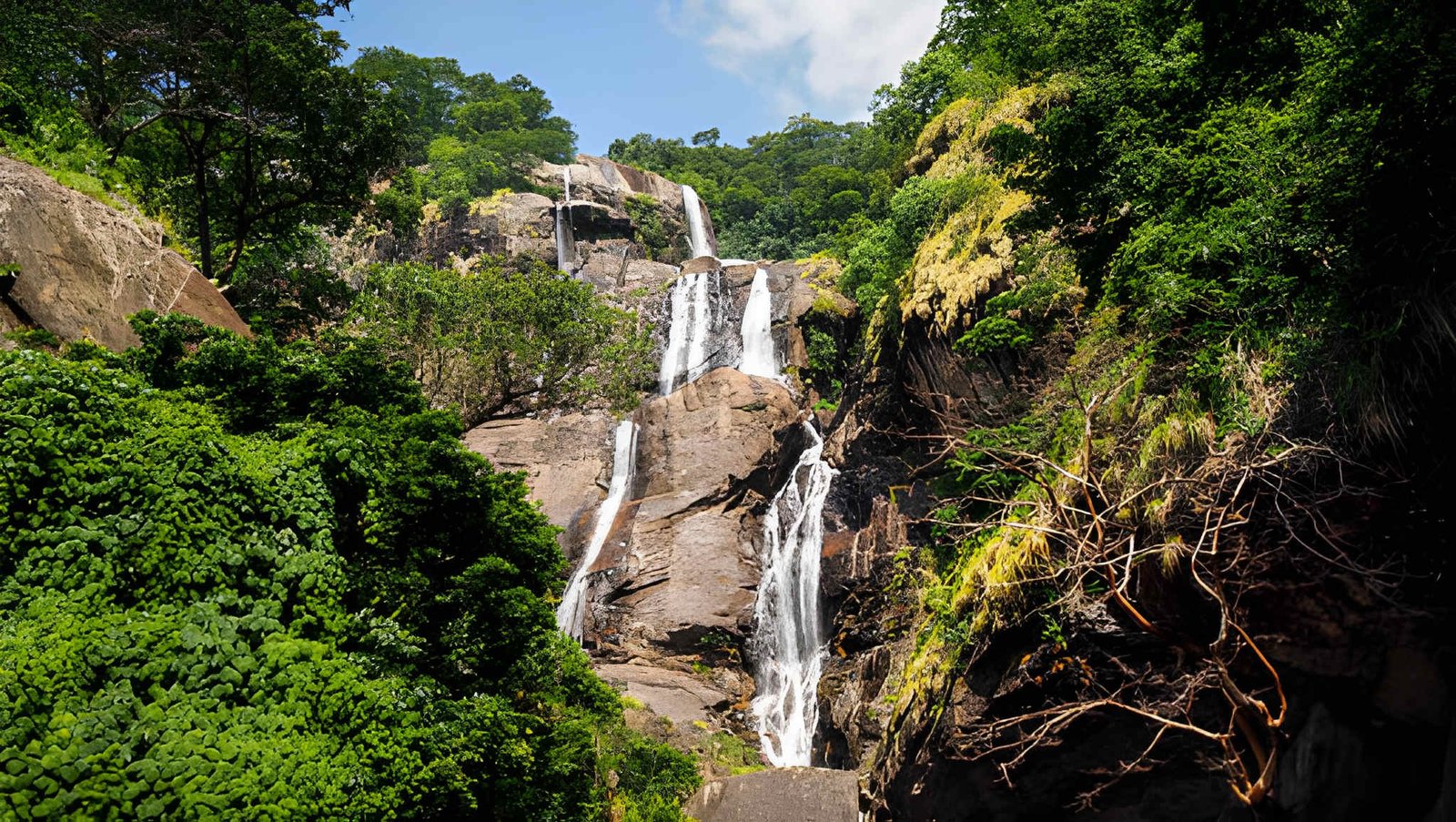
Tanzania · 7 days
Mikumi · Udzungwa · Ruaha
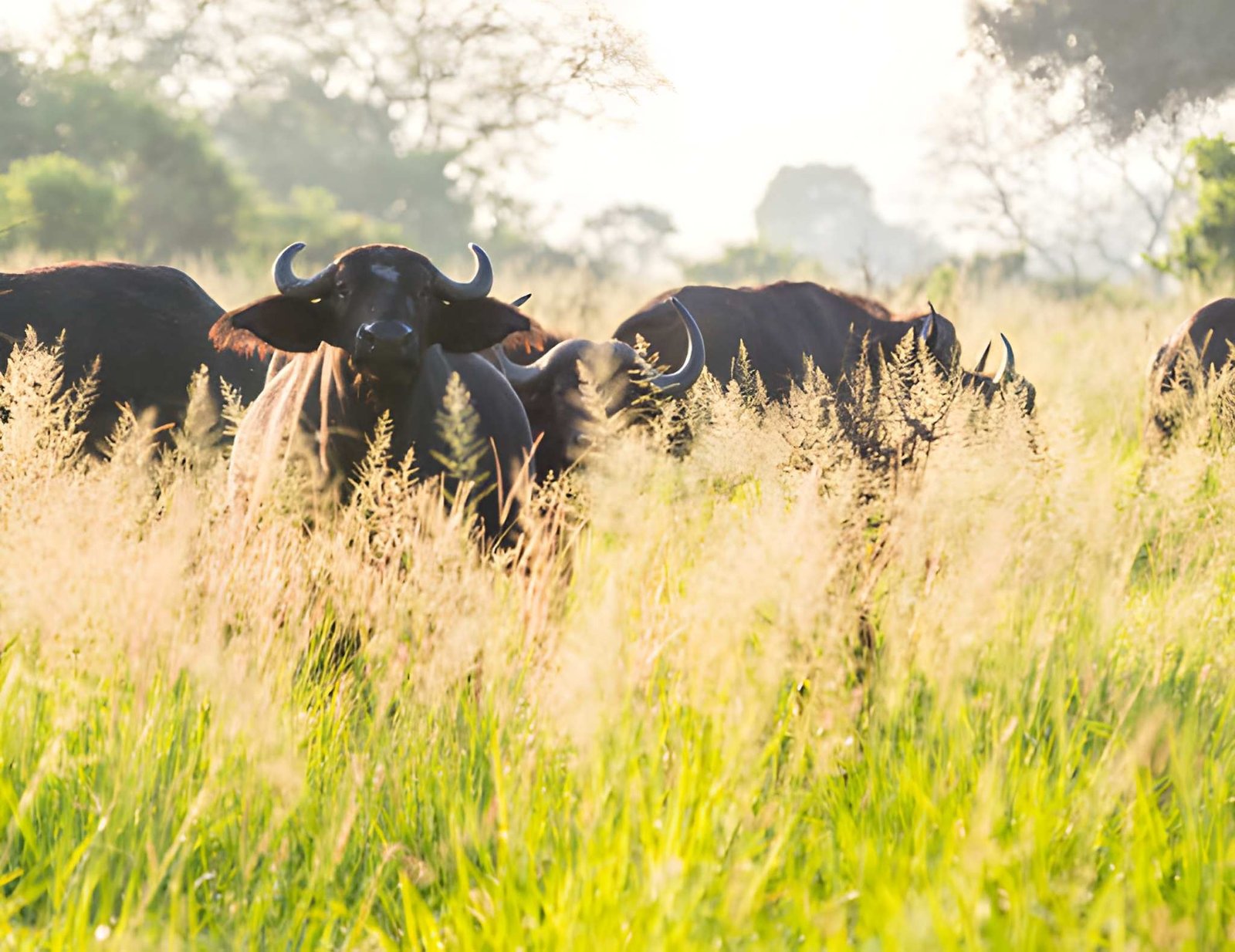
Tanzania · 8 days
Nyerere · Mikumi · Ruaha
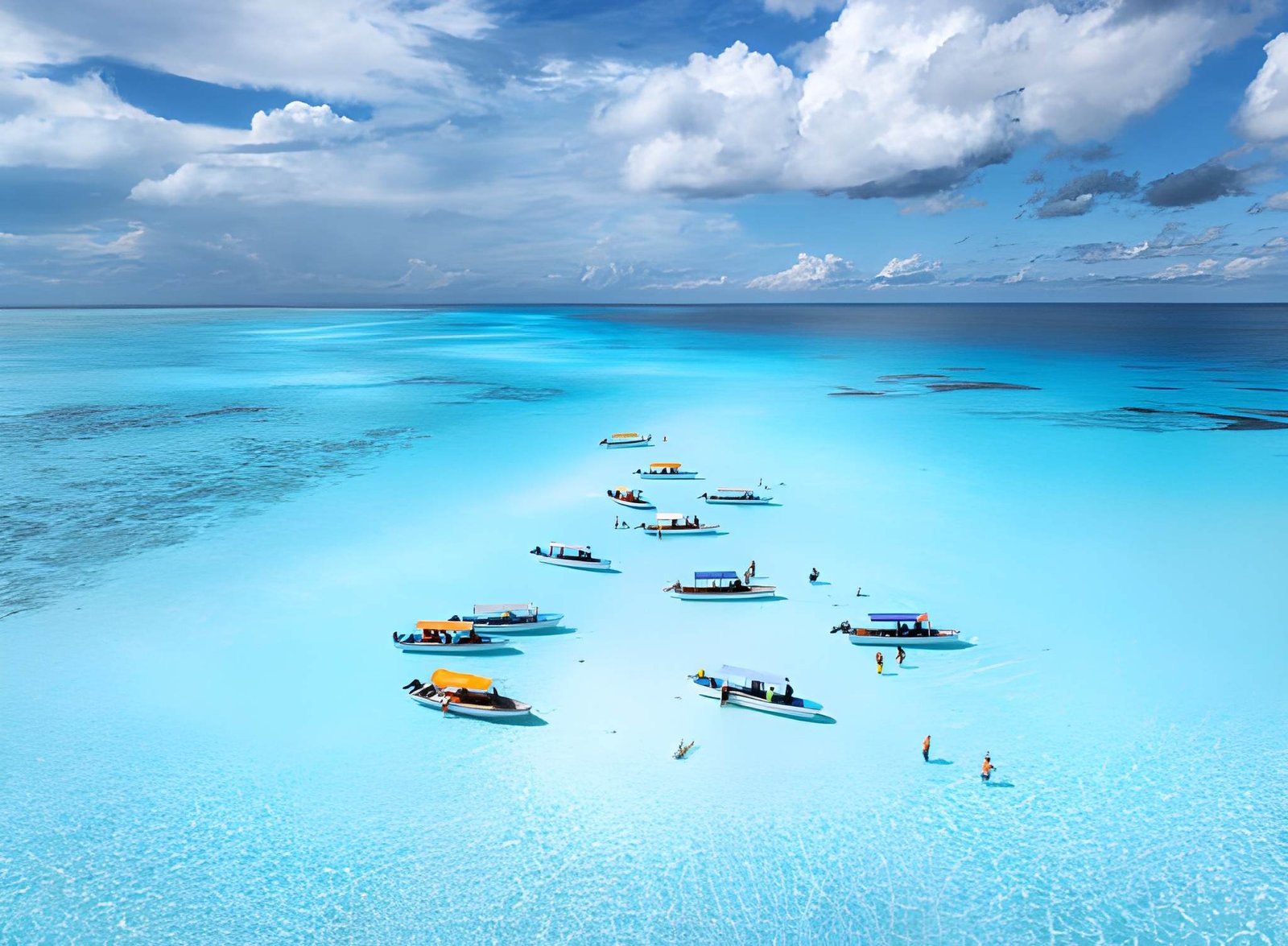
Tanzania · 14 days
Nyerere · Ruaha · Zanzibar
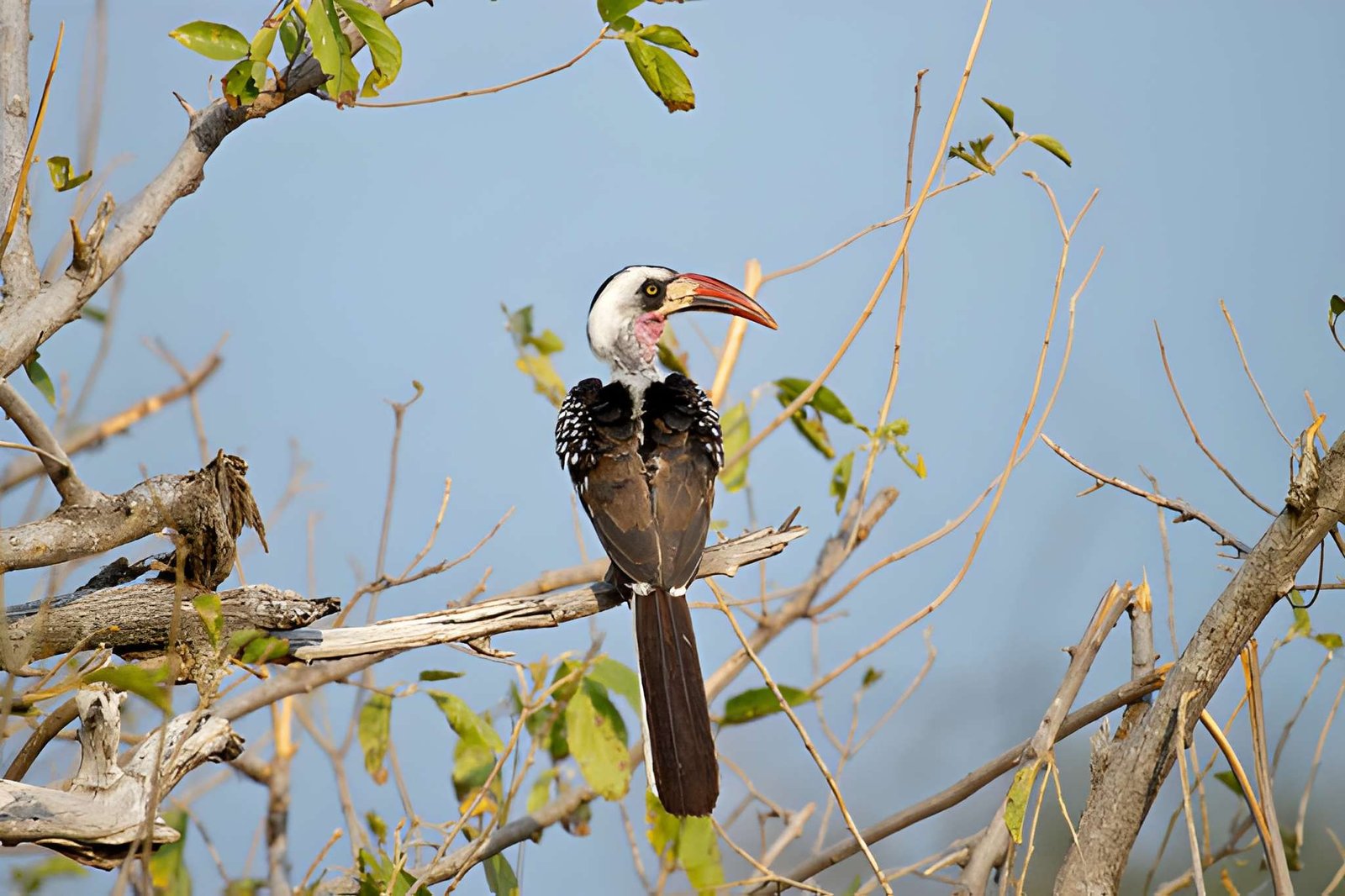
Tanzania · 13 days
Nyerere · Mikumi · Ruaha
Tanzania · 8 days
Nyerere · Ruaha

Tell us how long you have and we will design a southern circuit safari built around Ruaha's incredible wildlife.
Usually replies within minutesHeritage
The Ruaha area is the traditional homeland of the Hehe people, whose chief Mkwawa famously resisted German colonial forces in the 1890s. The name of the park comes from the Hehe word Luvaha, meaning great.
The area was first protected as part of the Saba Game Reserve in 1910, before becoming Ruaha National Park in 1964. In 2008 the park was expanded with the addition of the Usangu Game Reserve and other land, protecting vital wetlands and catchments.
Yes. Ruaha offers outstanding wildlife, especially lions, elephants and wild dogs, with very few vehicles and a true wilderness feel.
At least three nights is recommended, as the park is large and remote. Many travellers combine Ruaha with Nyerere for a week or more.
June to October, when wildlife concentrates along the rivers. The green season from January to March is excellent for birders.
Most visitors fly in by light aircraft. Driving is possible via Iringa, but it is a long journey from Dar es Salaam.
Lions, elephants, leopards, cheetahs, wild dogs, greater kudu, sable antelope, giraffes, hippos, crocodiles and more.
Yes. Ruaha is often combined with Nyerere National Park or Mikumi on a southern circuit safari, or with Zanzibar for a beach finish.
Your safari starts here
Let Gip Adventure take you into one of Africa's last great wildernesses.
Chat with usOnline