
Slave Chamber
A small underground chamber where slaves were secretly held after the trade was banned.

Climbing Kilimanjaro
The complete guideRoutes & fitness calculatorWhat to packOur climbs
6-Day Kilimanjaro: Marangu Route7-Day Kilimanjaro: Machame Route6-Day Kilimanjaro: Umbwe Route7-Day Kilimanjaro: Rongai Route7-Day Kilimanjaro: Shira Plateau / Morrum Barrier Route9-Day Kilimanjaro: Lemosho Route4-Day Mount Meru Trek5-Day Ol Doinyo Lengai & Lake Natron Trek10-Day Kilimanjaro Trekking & Wildlife Safari11-Day Kilimanjaro Trekking & Wildlife SafariTour styles
Big 5 Safaris (7)Great Migration Safaris (6)Classic Wildlife Safaris (32)Wildlife-Themed Safaris (8)Fly-in & Luxury Safaris (8)Honeymoon Safaris (6)Mountain Trekking (10)Beach & Zanzibar Holidays (9)Gorilla & Primate Safaris (19)Multi-Country & Combination Safaris (9)Helicopter Safaris (5)Cultural Tours (2)Day Trips (10)Family SafarisCity Tours & Airport TransfersTailor-Made / Custom TripsPlan
All toursTanzania safari guidePlan a custom tripTanzania
All of TanzaniaNational ParksGame ReservesIslandsHistorical SitesMountains & VolcanoesLakes & WaterfallsCities & CoastKenya
All of KenyaNational ParksReserves & ConservanciesMountains & CoastCitiesUganda
All of UgandaNational ParksWildlife ReservesLakes & WaterfallsCities & GatewaysMore
Cultural experiencesLodges & campsAll destinationsTanzania Historical Sites
A natural coral cave and a man-made slave chamber on Zanzibar's northwest coast tell a powerful story of the island's past and the illegal slave trade.
Discover Mangapwani
The Mangapwani Slave Caves are among the unusual and less visited destinations of Zanzibar. They lie on the coast about 20 km north of Stone Town, near the beach at Mangapwani.
The site has two parts: a natural coral cavern used for fresh water and shelter, and a man-made underground chamber where slaves were hidden after the trade was officially banned in 1873, before being shipped away illegally.
Why Mangapwani
A visit to Mangapwani is a sobering and important experience for anyone interested in Zanzibar's history.
A small underground chamber where slaves were secretly held after the trade was banned.
A natural cavern with a freshwater pool, used for centuries.
A beautiful beach nearby, a stark contrast to the site's history.
Easily combined with the Persian Baths and a spice tour.
Location
Mangapwani lies on the northwest coast of Zanzibar, about 20 km north of Stone Town. The caves are a short walk from the beach.
They are usually visited on the way from Stone Town to the northern beaches, together with the Kidichi and Kizimbani Persian Baths.
When to visit
The caves can be visited year-round.
Sunny, dry weather and calm seas, the most popular time to visit.
Hot and sunny, with clear water for swimming and snorkelling.
Brief showers and quieter sites.
The wettest months; visits are still possible between showers.
The dry months are most comfortable for exploring the caves and coast.
Hot and sunny, ideal for island trips.
The hottest month, with calm, clear seas.
Long rains begin mid-month.
The wettest month; visit between showers.
Rains ease late in the month.
Dry season begins with pleasant breezes.
The coolest month, sunny and comfortable.
Dry and sunny, perfect for excursions.
Excellent weather and clear water.
Warm and dry, great for boat trips.
Short rains bring brief showers.
Hot and sunny, with festive-season visitors.
Explore the area
History and nature on the coast.

A Journey Through History
After breakfast, visit the Kidichi and Kizimbani Persian Baths and the Mangapwani Slave Cave, with lunch along the way, before continuing to the beaches of Nungwi.
Your guide will explain the history of the slave trade in Zanzibar and its abolition, adding context to Stone Town's slave market memorial.
Safaris to 中文
Zanzibar itineraries that include the Mangapwani caves.
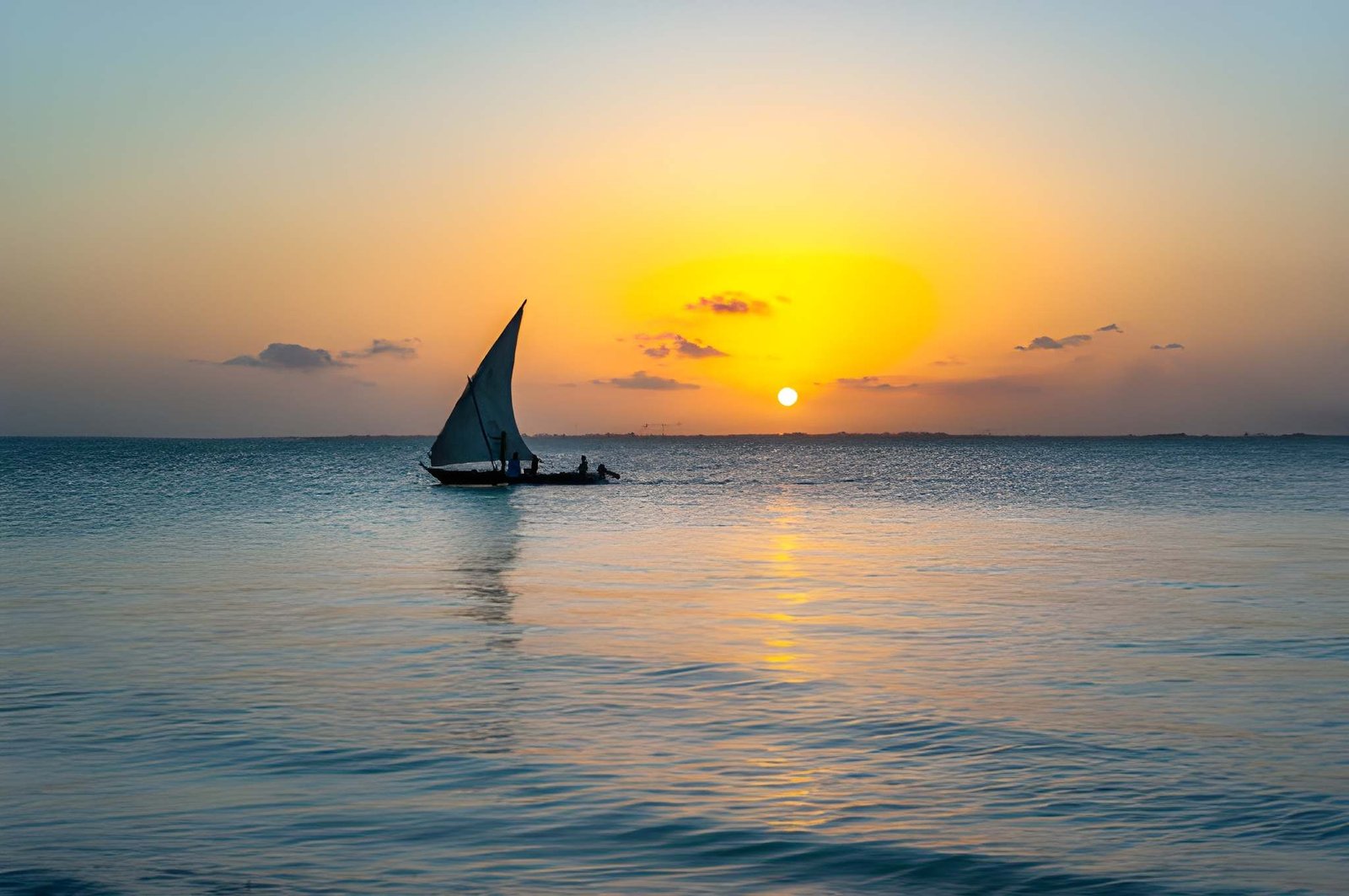
Tanzania · 6 days
Zanzibar
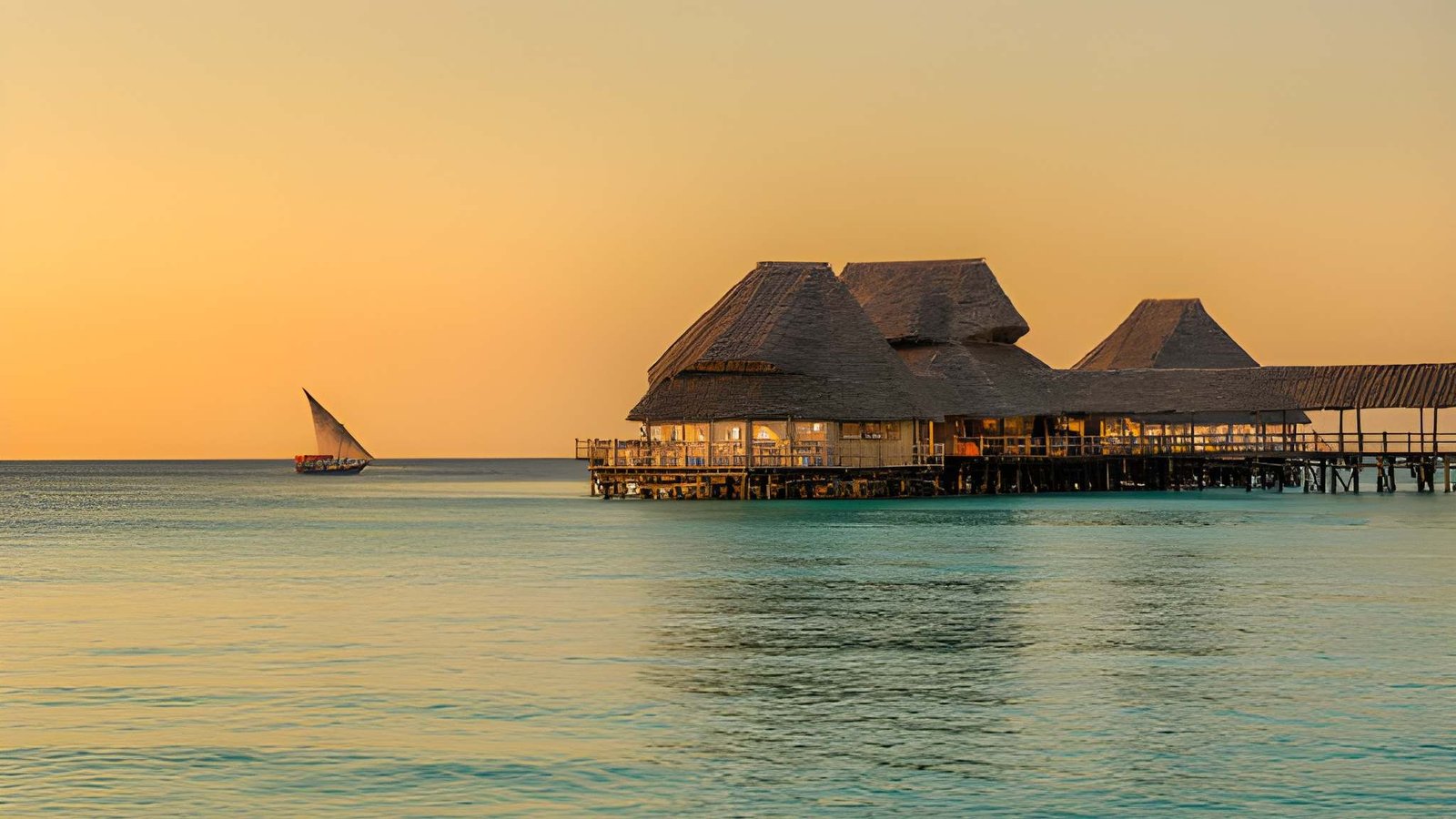
Tanzania · 11 days
Stone Town · Nungwi · Kizimkazi

Tanzania · 5 days
Stone Town
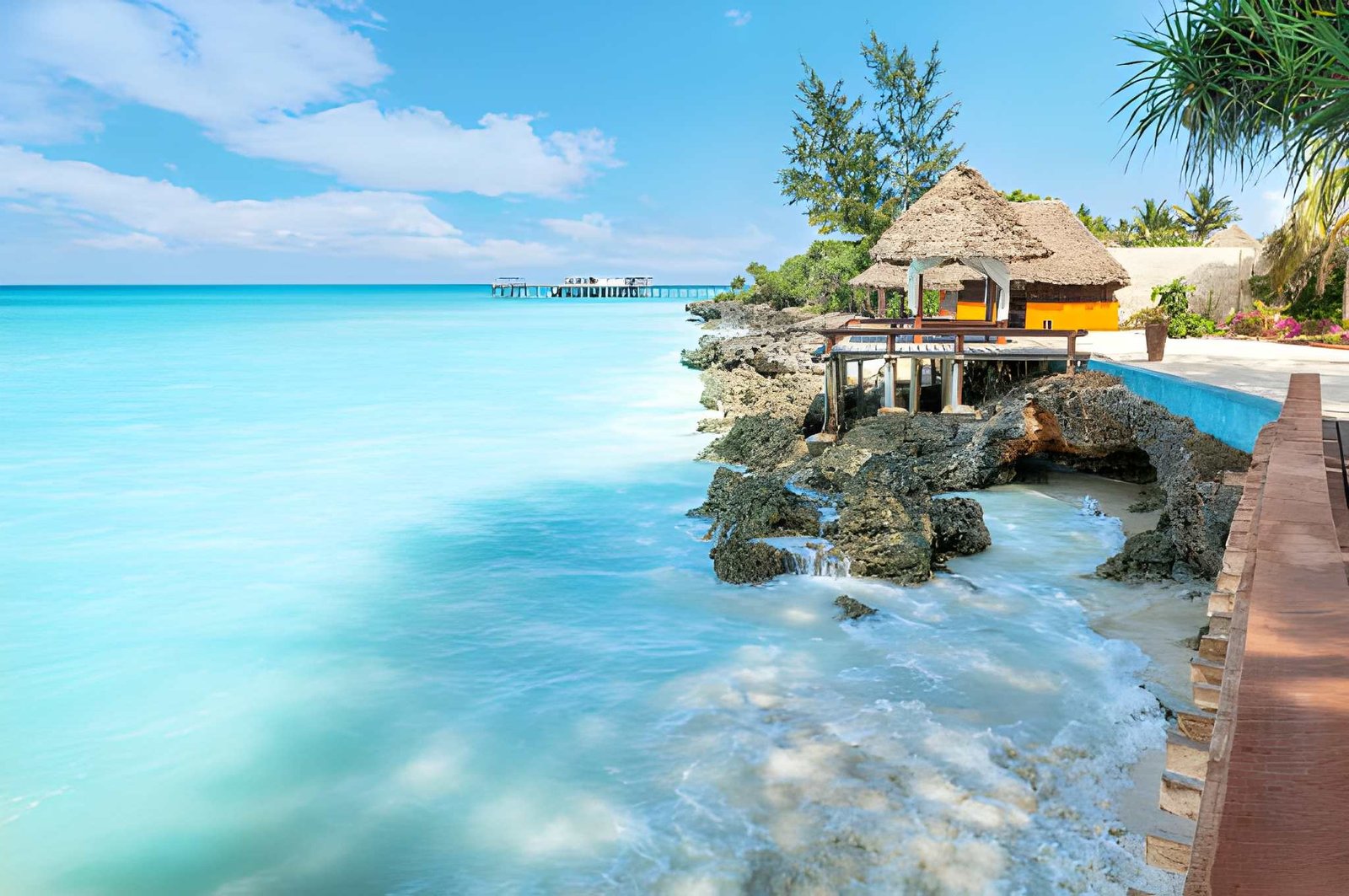
Tanzania · 6 days
Stone Town
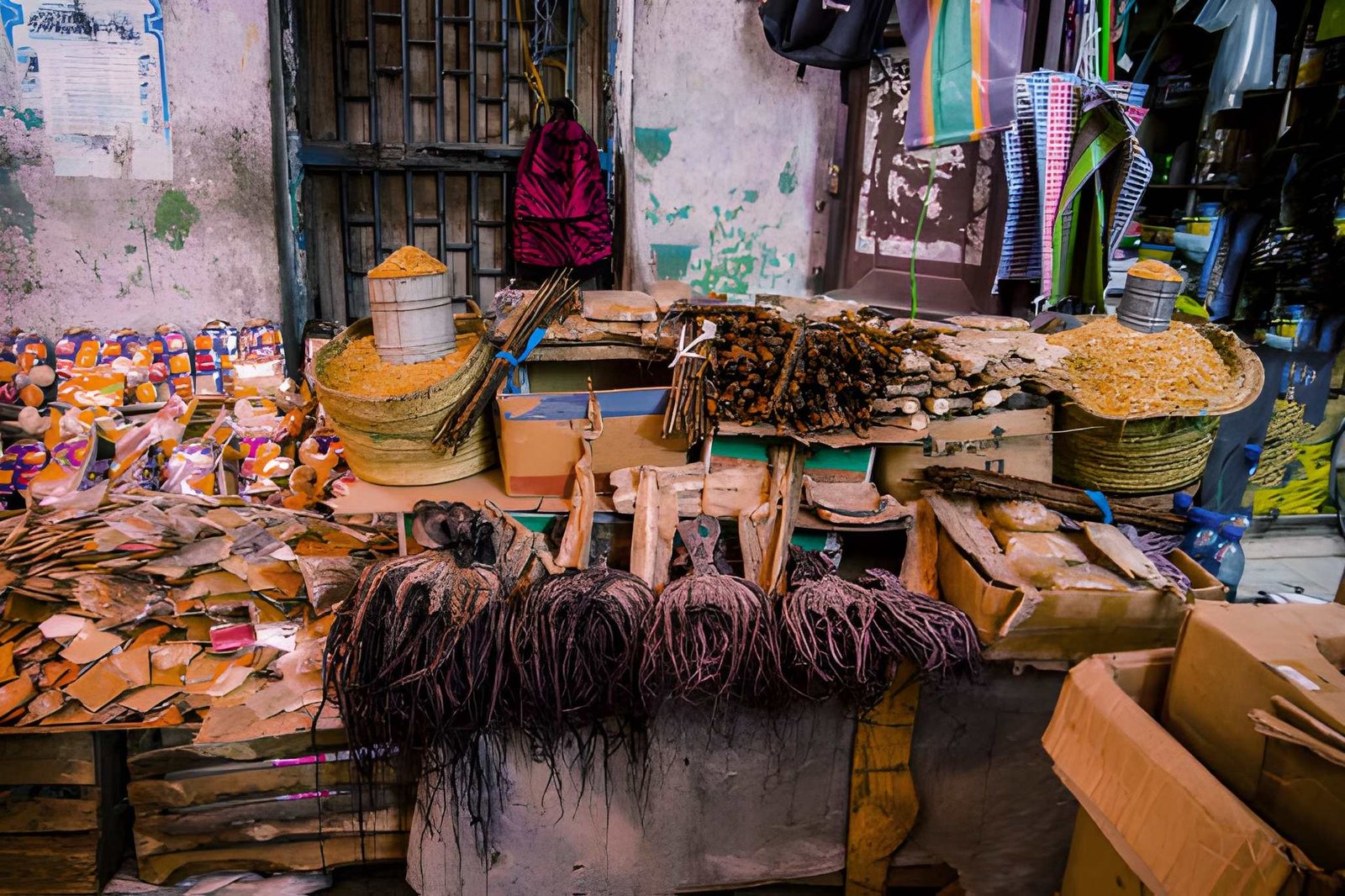
Tanzania · 11 days
Ngorongoro · Serengeti · Stone Town
Tanzania & Kenya · 12 days
Amboseli · Tarangire · Serengeti · Ngorongoro
Stay in 中文
Hotels in Stone Town and resorts in Nungwi.

Tell us your dates and we will plan a meaningful day exploring Zanzibar's past.
Usually replies within minutesHeritage
Zanzibar was the centre of the East African slave trade in the 19th century. When the British pressured Sultan Barghash to ban the trade in 1873, some traders continued illegally, hiding slaves in places such as the Mangapwani chamber.
Today the site is preserved as a memorial and a place of learning, helping visitors understand this painful chapter of history.
A natural coral cave and a man-made chamber where slaves were hidden after the trade was banned.
About 20 km north, around 30 to 40 minutes by road.
About an hour, or longer combined with other sites.
Yes, though the history is sobering, so guides adapt explanations for families.
The Persian Baths, a spice tour and the northern beaches.
A guide is recommended to understand the history fully.
Your safari starts here
Let Gip Adventure guide you through Mangapwani and Zanzibar's hidden past.
Chat with usOnline