
Pristine Coral Reef
Snorkel over one of the most diverse coral reefs in East Africa, with hundreds of fish species.

Climbing Kilimanjaro
The complete guideRoutes & fitness calculatorWhat to packOur climbs
6-Day Kilimanjaro: Marangu Route7-Day Kilimanjaro: Machame Route6-Day Kilimanjaro: Umbwe Route7-Day Kilimanjaro: Rongai Route7-Day Kilimanjaro: Shira Plateau / Morrum Barrier Route9-Day Kilimanjaro: Lemosho Route4-Day Mount Meru Trek5-Day Ol Doinyo Lengai & Lake Natron Trek10-Day Kilimanjaro Trekking & Wildlife Safari11-Day Kilimanjaro Trekking & Wildlife SafariTour styles
Big 5 Safaris (7)Great Migration Safaris (6)Classic Wildlife Safaris (32)Wildlife-Themed Safaris (8)Fly-in & Luxury Safaris (8)Honeymoon Safaris (6)Mountain Trekking (10)Beach & Zanzibar Holidays (9)Gorilla & Primate Safaris (19)Multi-Country & Combination Safaris (9)Helicopter Safaris (5)Cultural Tours (2)Day Trips (10)Family SafarisCity Tours & Airport TransfersTailor-Made / Custom TripsPlan
All toursTanzania safari guidePlan a custom tripTanzania
All of TanzaniaNational ParksGame ReservesIslandsHistorical SitesMountains & VolcanoesLakes & WaterfallsCities & CoastKenya
All of KenyaNational ParksReserves & ConservanciesMountains & CoastCitiesUganda
All of UgandaNational ParksWildlife ReservesLakes & WaterfallsCities & GatewaysMore
Cultural experiencesLodges & campsAll destinationsZanzibar Islands
A pristine coral reef sanctuary, ancient forest and giant coconut crabs make Chumbe Island one of the most celebrated marine conservation projects in the world.
Discover Chumbe
Chumbe Island is a snorkelling paradise, rich in history and with excellent wildlife, including hermit crabs and the giant coconut crab, which can weigh up to 4 kg. Over 60 bird species have been recorded, including the rare roseate tern.
The island's coral reef sanctuary is one of the most pristine in the region, protected as a private marine park. Visitors can snorkel over vibrant coral gardens, walk forest trails and explore the historic lighthouse.
Why Chumbe
Chumbe shows how tourism can protect the ocean, offering unforgettable snorkelling in an untouched reef.
Snorkel over one of the most diverse coral reefs in East Africa, with hundreds of fish species.
Search for the giant coconut crab, the world's largest land crab.
Walk through the island's coral rag forest with guides.
Climb the lighthouse built in 1904 for views over the reef and the ocean.
Location
Chumbe lies about 12 km southwest of Stone Town in the Zanzibar Channel. Boats depart from near Stone Town for day trips, which include guided snorkelling and forest walks.
The island and its reef are a private nature reserve, so visits are by arrangement only, helping to protect its fragile ecosystem.
When to visit
Chumbe can be visited most of the year, with calm seas best for snorkelling.
Sunny, dry weather and calm seas, the most popular time to visit.
Hot and sunny, with clear water for swimming and snorkelling.
Brief showers and quieter sites.
The wettest months; visits are still possible between showers.
Calm, clear water makes the dry months ideal for snorkelling.
Hot and sunny, ideal for island trips.
The hottest month, with calm, clear seas.
Long rains begin mid-month.
The wettest month; visit between showers.
Rains ease late in the month.
Dry season begins with pleasant breezes.
The coolest month, sunny and comfortable.
Dry and sunny, perfect for excursions.
Excellent weather and clear water.
Warm and dry, great for boat trips.
Short rains bring brief showers.
Hot and sunny, with festive-season visitors.
Explore the area
Reef, forest and history on a small island.
Wildlife
Chumbe's reef shelters hundreds of species of fish and corals, as well as turtles and dolphins in the surrounding waters. On land, the forest is home to the giant coconut crab and the rare Ader's duiker.
Birdlife is rich, with over 60 species recorded, including the roseate tern and many waders and waterbirds.
Where to look: Coral rag forest
The world's largest land crab, weighing up to 4 kg.
Where to look: Shoreline and forest
Common along the beaches and trails.
Where to look: Reef sanctuary
Hundreds of species on the protected reef.
Where to look: Shoreline
A rare seabird recorded on the island.
Where to look: Reef sanctuary
Occasionally seen while snorkelling.
Where to look: Forest
A rare small antelope.

The Reef Sanctuary
Guided snorkelling over Chumbe's reef sanctuary reveals vibrant corals and hundreds of species of fish, many of them rare elsewhere because of overfishing. The reef has been protected since the 1990s.
Guides explain the ecology of the reef and the importance of marine conservation, making the experience both beautiful and inspiring.
Safaris to 中文
Zanzibar itineraries that include Chumbe Island.
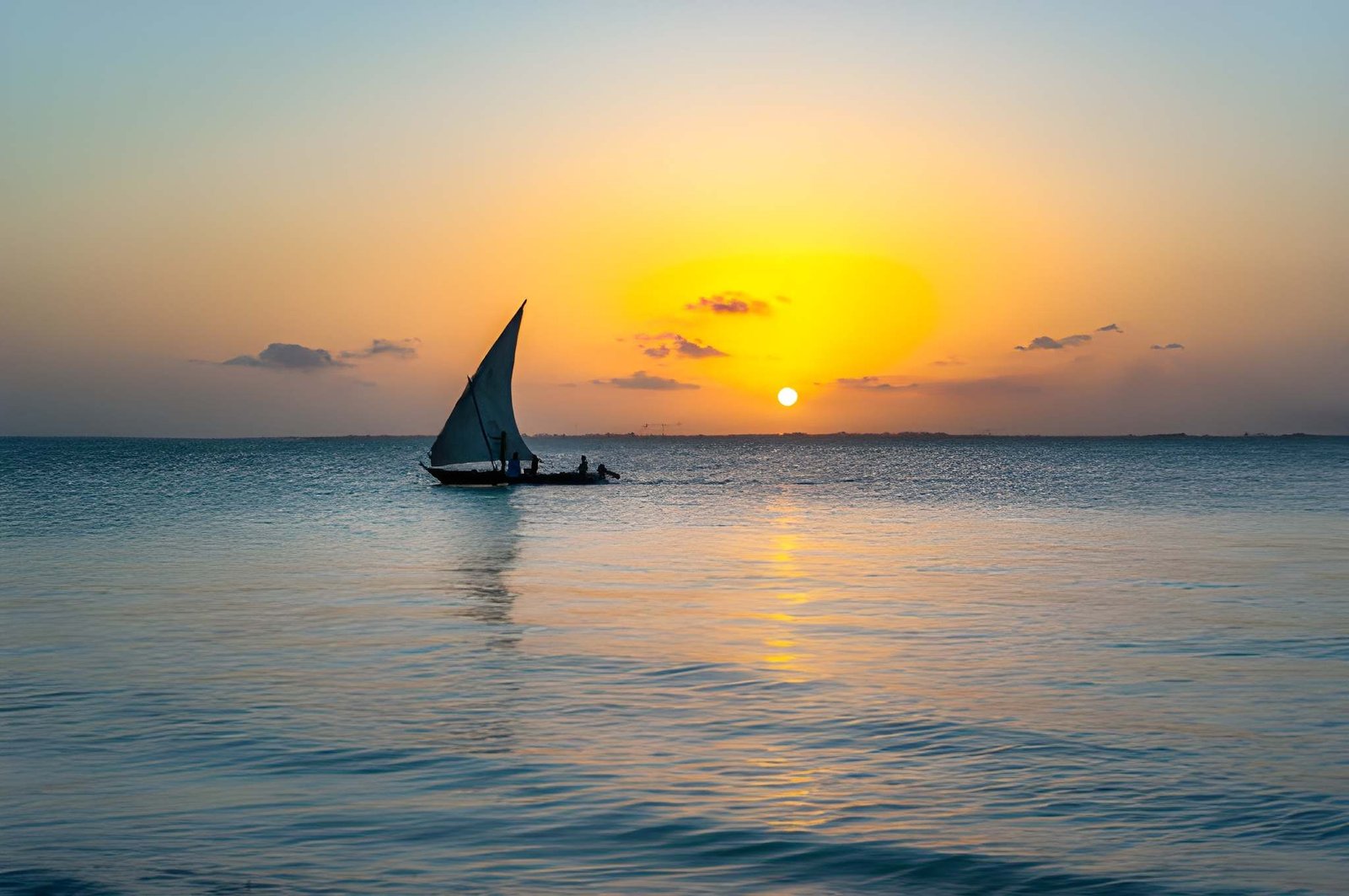
Tanzania · 6 days
Zanzibar
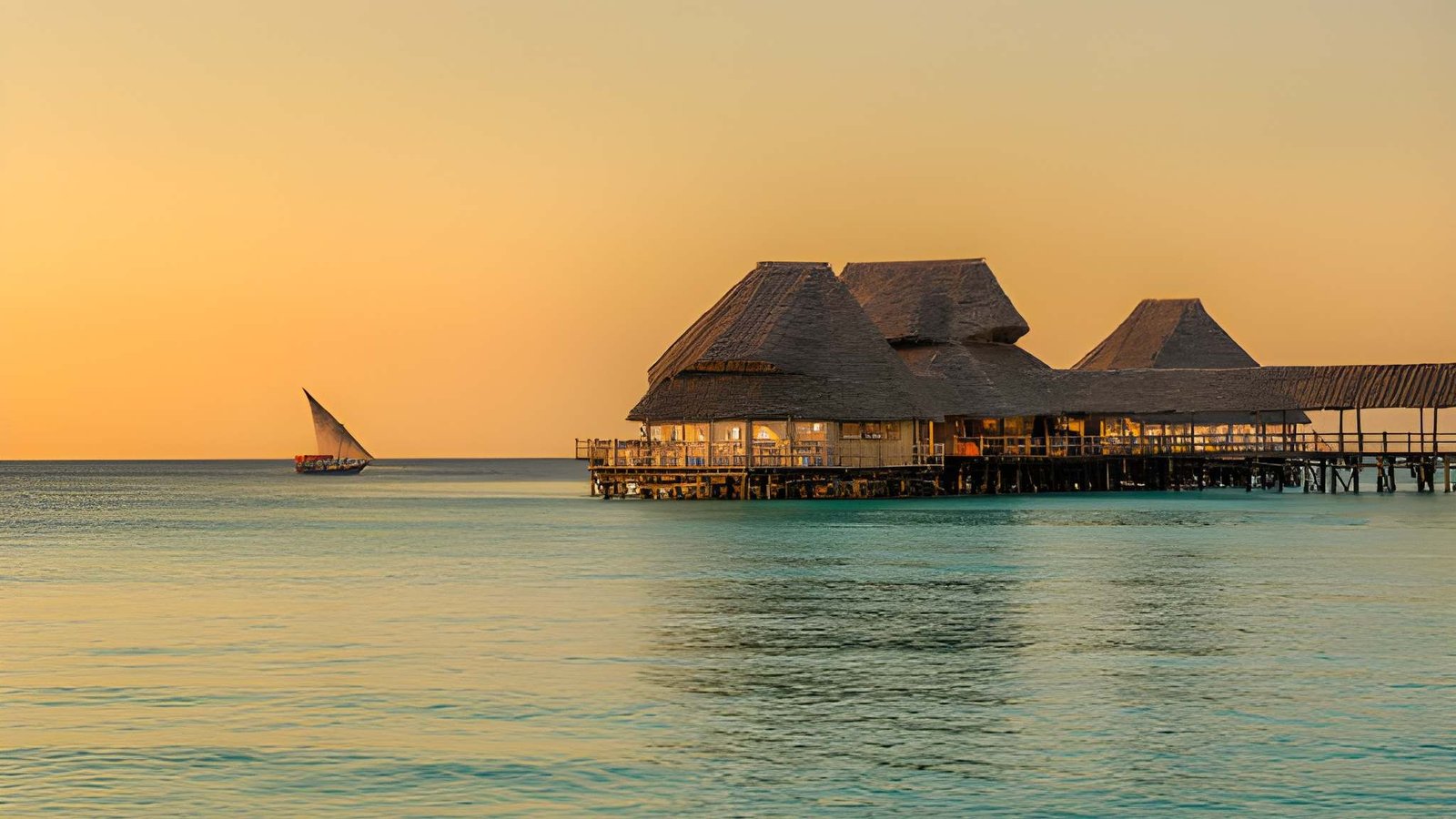
Tanzania · 11 days
Stone Town · Nungwi · Kizimkazi
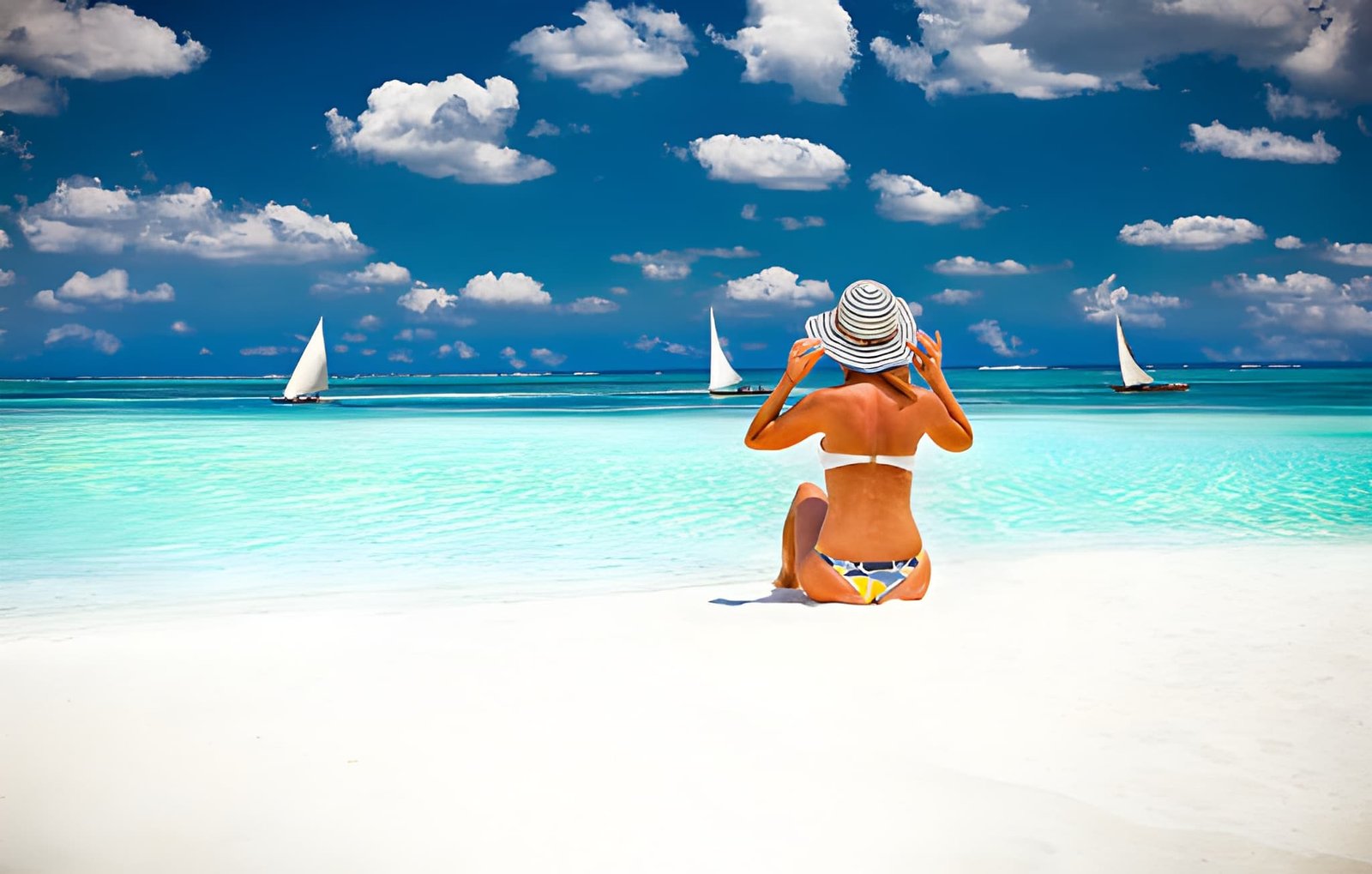
Tanzania · 5 days
Stone Town
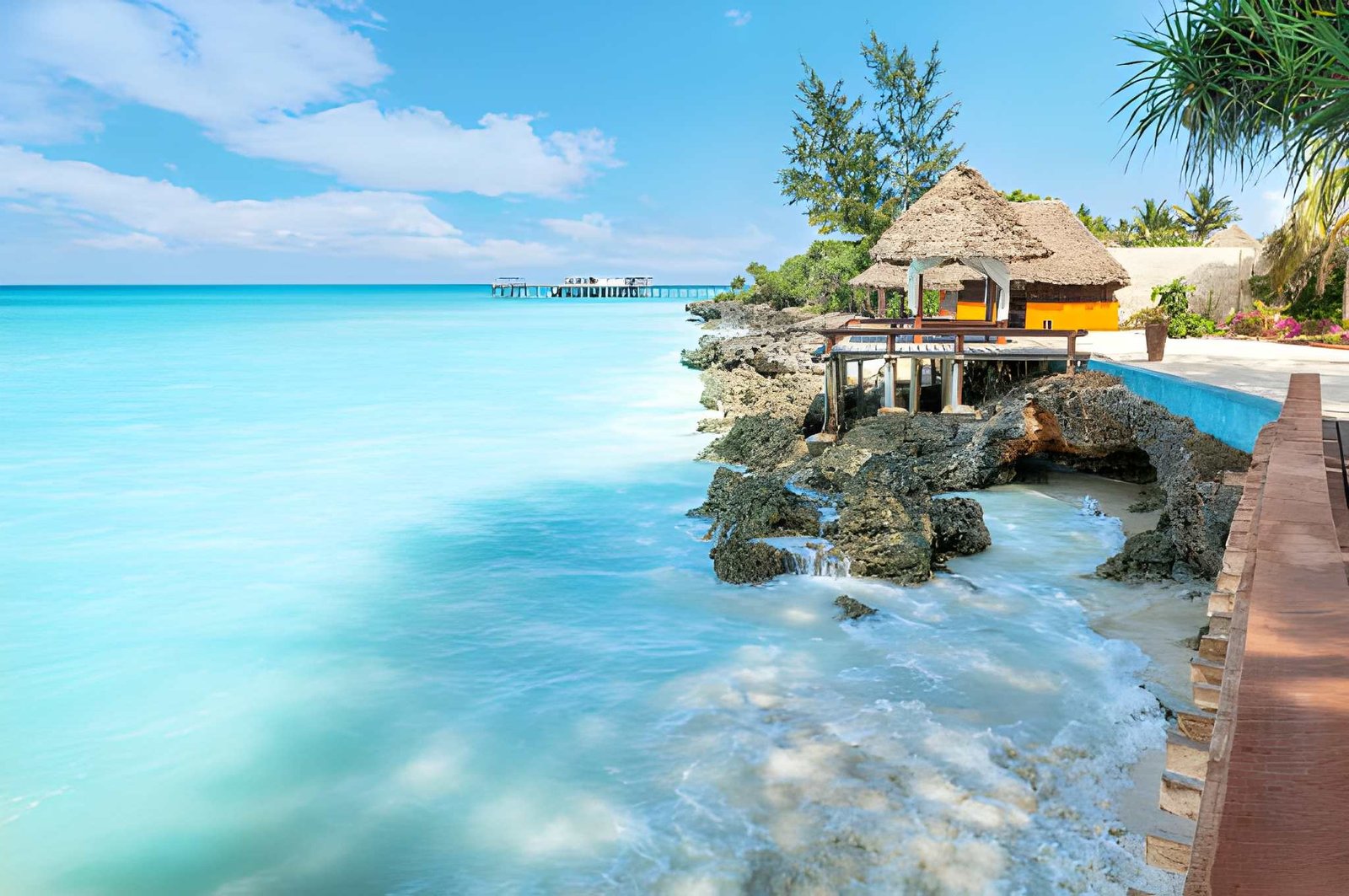
Tanzania · 6 days
Stone Town

Tanzania · 11 days
Ngorongoro · Serengeti · Stone Town
Tanzania & Kenya · 12 days
Amboseli · Tarangire · Serengeti · Ngorongoro
Stay in 中文
Hotels in Stone Town, close to the departure point for Chumbe.

Tell us your Zanzibar dates and we will arrange your Chumbe Island day trip.
Usually replies within minutesHeritage
Chumbe's lighthouse was built by the British in 1904 to guide ships into Zanzibar harbour. For decades, the island's reef was protected by default as a military zone.
In the 1990s, the island became a private marine reserve and Tanzania's first marine protected area, winning international awards for conservation and education.
By arranged day trip from Stone Town, including boat transfer, snorkelling and guided walks.
No. Guided snorkelling is suitable for most visitors, with life jackets available.
It protects one of the most pristine coral reefs in East Africa.
Yes, they live in the forest and are sometimes seen on guided walks.
The dry months offer the calmest seas.
Yes, with Stone Town tours and other Zanzibar excursions.
Your safari starts here
Let Gip Adventure arrange your visit to Chumbe Island's coral sanctuary.
Chat with usOnline