
Gateway to the Northern Circuit
The natural start and end point for safaris to Tarangire, Manyara, Ngorongoro and the Serengeti, with good roads and a domestic airport for fly-in safaris.

Climbing Kilimanjaro
The complete guideRoutes & fitness calculatorWhat to packOur climbs
6-Day Kilimanjaro: Marangu Route7-Day Kilimanjaro: Machame Route6-Day Kilimanjaro: Umbwe Route7-Day Kilimanjaro: Rongai Route7-Day Kilimanjaro: Shira Plateau / Morrum Barrier Route9-Day Kilimanjaro: Lemosho Route4-Day Mount Meru Trek5-Day Ol Doinyo Lengai & Lake Natron Trek10-Day Kilimanjaro Trekking & Wildlife Safari11-Day Kilimanjaro Trekking & Wildlife SafariTour styles
Big 5 Safaris (7)Great Migration Safaris (6)Classic Wildlife Safaris (32)Wildlife-Themed Safaris (8)Fly-in & Luxury Safaris (8)Honeymoon Safaris (6)Mountain Trekking (10)Beach & Zanzibar Holidays (9)Gorilla & Primate Safaris (19)Multi-Country & Combination Safaris (9)Helicopter Safaris (5)Cultural Tours (2)Day Trips (10)Family SafarisCity Tours & Airport TransfersTailor-Made / Custom TripsPlan
All toursTanzania safari guidePlan a custom tripTanzania
All of TanzaniaNational ParksGame ReservesIslandsHistorical SitesMountains & VolcanoesLakes & WaterfallsCities & CoastKenya
All of KenyaNational ParksReserves & ConservanciesMountains & CoastCitiesUganda
All of UgandaNational ParksWildlife ReservesLakes & WaterfallsCities & GatewaysMore
Cultural experiencesLodges & campsAll destinationsTanzania Cities & Coast
Green, busy and framed by the cone of Mount Meru, Arusha is where almost every northern Tanzania safari begins. It is also our home, and we love showing visitors its markets, coffee farms and stories.
Discover Arusha
Arusha sits on the southern slopes of Mount Meru at around 1,400 metres, which gives it a pleasantly mild climate, fertile soils and lush gardens. It is the safari capital of Tanzania: the starting point for journeys to Tarangire, Lake Manyara, Ngorongoro and the Serengeti, and a short drive from Kilimanjaro and Arusha National Park.
The city is also a significant regional centre. It hosts the headquarters of the East African Community and the African Court on Human and Peoples' Rights, and was home to the International Criminal Tribunal for Rwanda. In 1967 it gave its name to the Arusha Declaration, the founding statement of Tanzania's policy of Ujamaa and self-reliance.
Arusha is GIP Adventure's home base, and most of our guests spend at least a night here before or after their safari. Beyond the traffic and bustle of the centre you will find colourful markets, museums, craft centres, coffee farms and crater lakes, all within easy reach.
Why visit
Give Arusha a day and it rewards you with culture, history and easy nature escapes.
The natural start and end point for safaris to Tarangire, Manyara, Ngorongoro and the Serengeti, with good roads and a domestic airport for fly-in safaris.
Wander the central market and the craft and curio markets for spices, fabrics, carvings and Maasai beadwork.
Visit the Arusha Declaration Museum and the Natural History Museum in the old German boma to understand Tanzania's story.
Tour a coffee farm on the slopes of Mount Meru and follow the bean from cherry to cup.
Giraffes, buffaloes, colobus monkeys and flamingos within an hour of town, with walking and canoeing safaris.
A wide choice of hotels and lodges, from garden retreats to city hotels, to rest before or after your adventure.
Location
Arusha lies in north-eastern Tanzania at the foot of Mount Meru. Kilimanjaro International Airport (KIA) is about 50 km east, around an hour's drive, and Moshi is about 80 km further east. Arusha Airport, on the western edge of the city, handles light-aircraft flights to the Serengeti, Zanzibar and other parks.
Nairobi is roughly 270 km to the north, a journey of around five to six hours by road via the Namanga border, and regular shuttle buses connect the two cities. Tarangire is about two hours' drive away, Lake Manyara around two hours and the Ngorongoro Crater about three to four hours.
When to visit
Arusha's highland climate is pleasant all year, and the seasons follow the rest of northern Tanzania.
Sunny days and cool evenings, sometimes chilly; the busiest safari season, so book hotels early.
Short showers, green gardens and a festive atmosphere in town.
Warm, bright days and often clear views of Mount Meru and Kilimanjaro.
The wettest months; museums, markets and cafes make good rainy-day options.
What Arusha is like through the year.
Warm and bright, with good chances of clear mountain views.
Hot, dry days and green coffee farms on the slopes of Meru.
The long rains begin, usually as afternoon and evening showers.
The wettest month, when the city is quiet and lush.
Rains ease and the countryside is fresh and green.
Cooler weather arrives and the safari season gets under way.
The coolest month, with crisp mornings and evenings; bring a warm layer.
Cool, dry and busy, as travellers start and finish their safaris.
Dry and pleasant, a good time for walking in the city and Arusha National Park.
Warm and dry, with dusty roads before the rains.
The short rains bring fresh green colour back to town.
Warm and festive, with markets busy before the holidays.
Explore the area
Highlights in and around the city.

Spotlight
Start with coffee on a farm on the slopes of Mount Meru, learning how beans are picked, roasted and brewed. In the afternoon, explore the city centre with a local guide: the clock tower, the colourful central market, the Arusha Declaration Museum and the craft markets, finishing at the Cultural Heritage Centre for East African art and tanzanite.
If you have a little longer, head out to Arusha National Park for a game drive, a walking safari or a canoe trip on the Momella Lakes, with Kilimanjaro on the horizon on a clear day.
Safaris to 中文
Safaris, day trips and city tours based in and around Arusha.
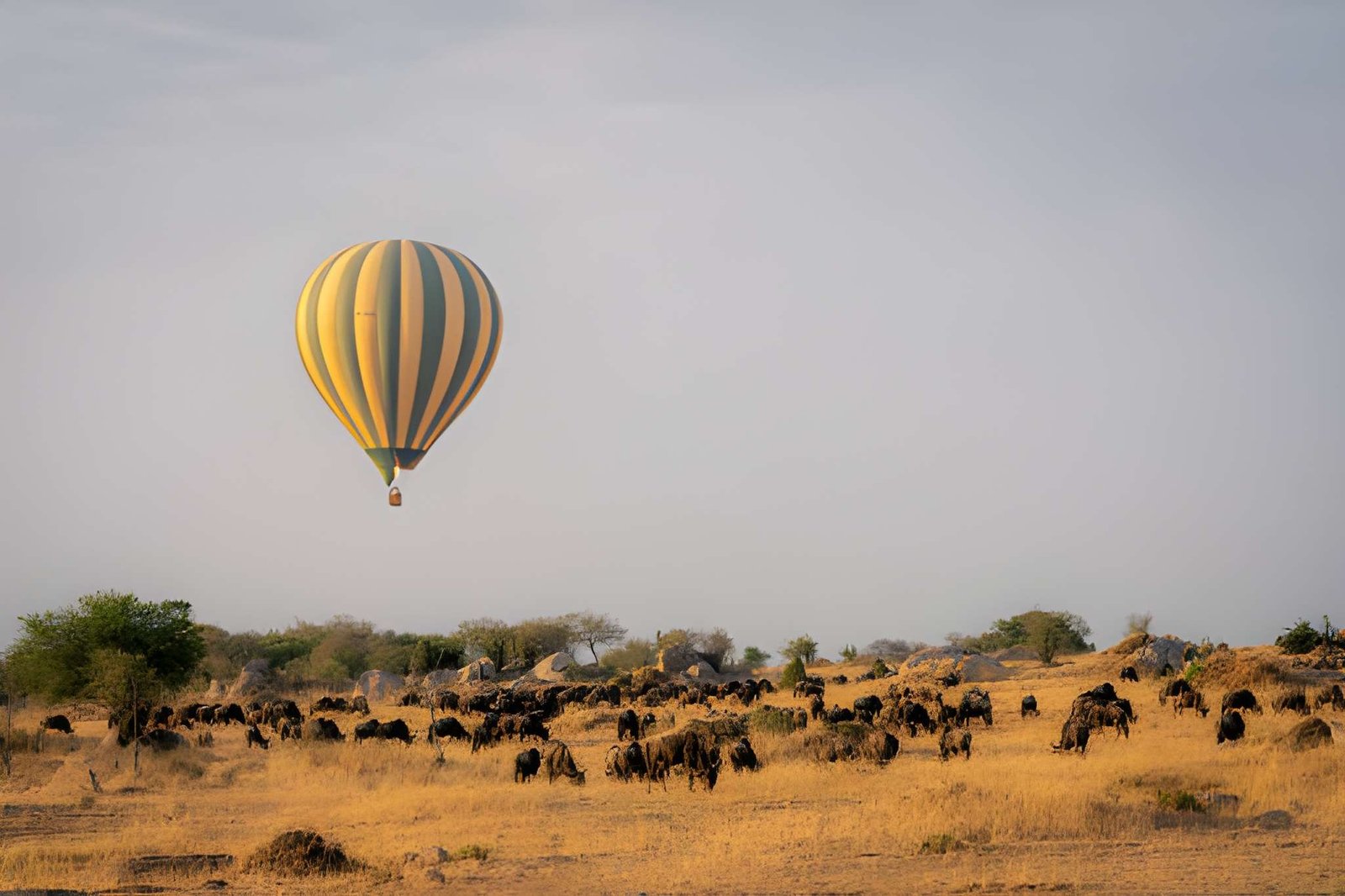
Tanzania · 10 days
Tarangire · Lake Manyara · Serengeti
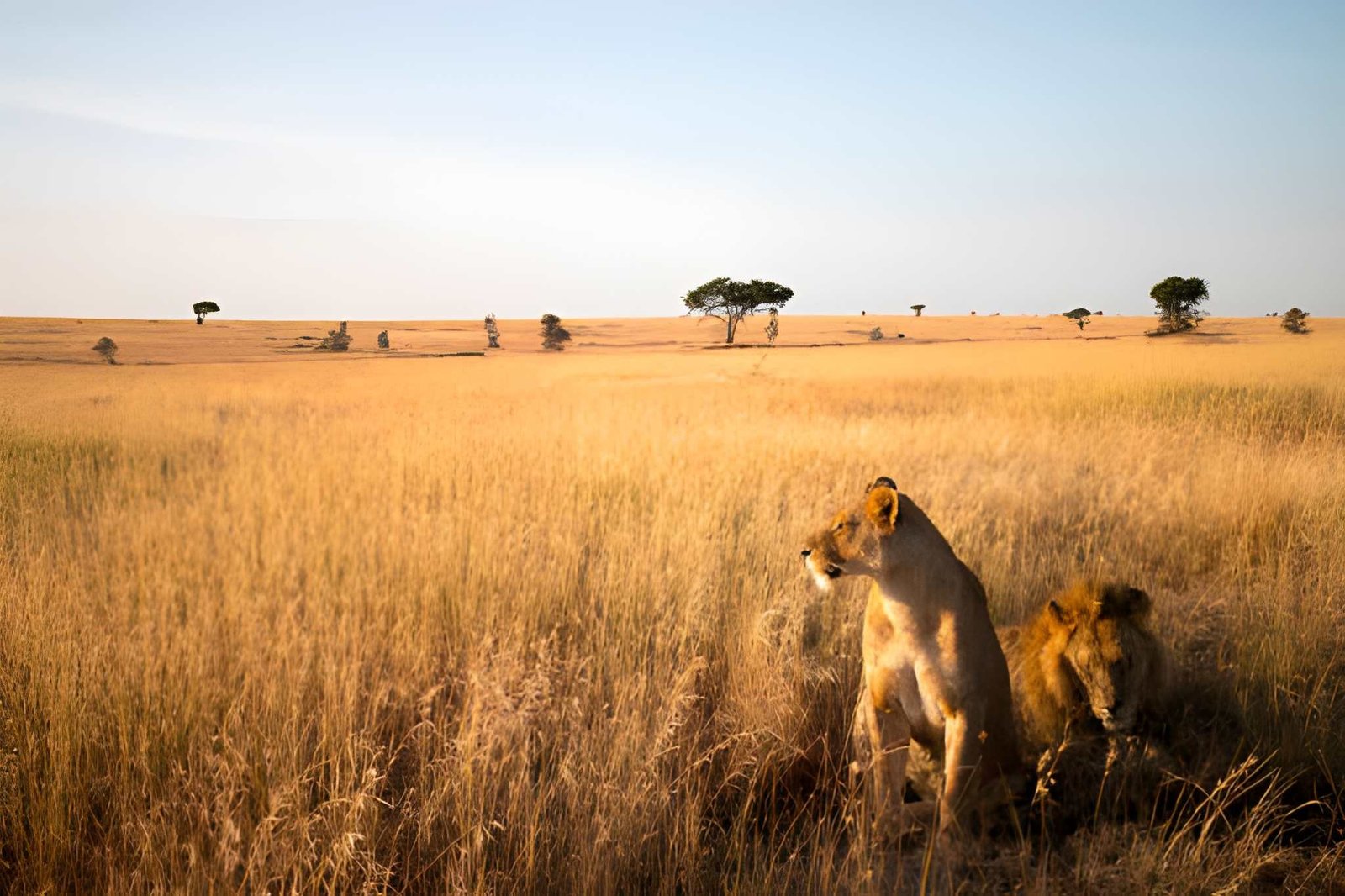
Tanzania · 4 days
Serengeti
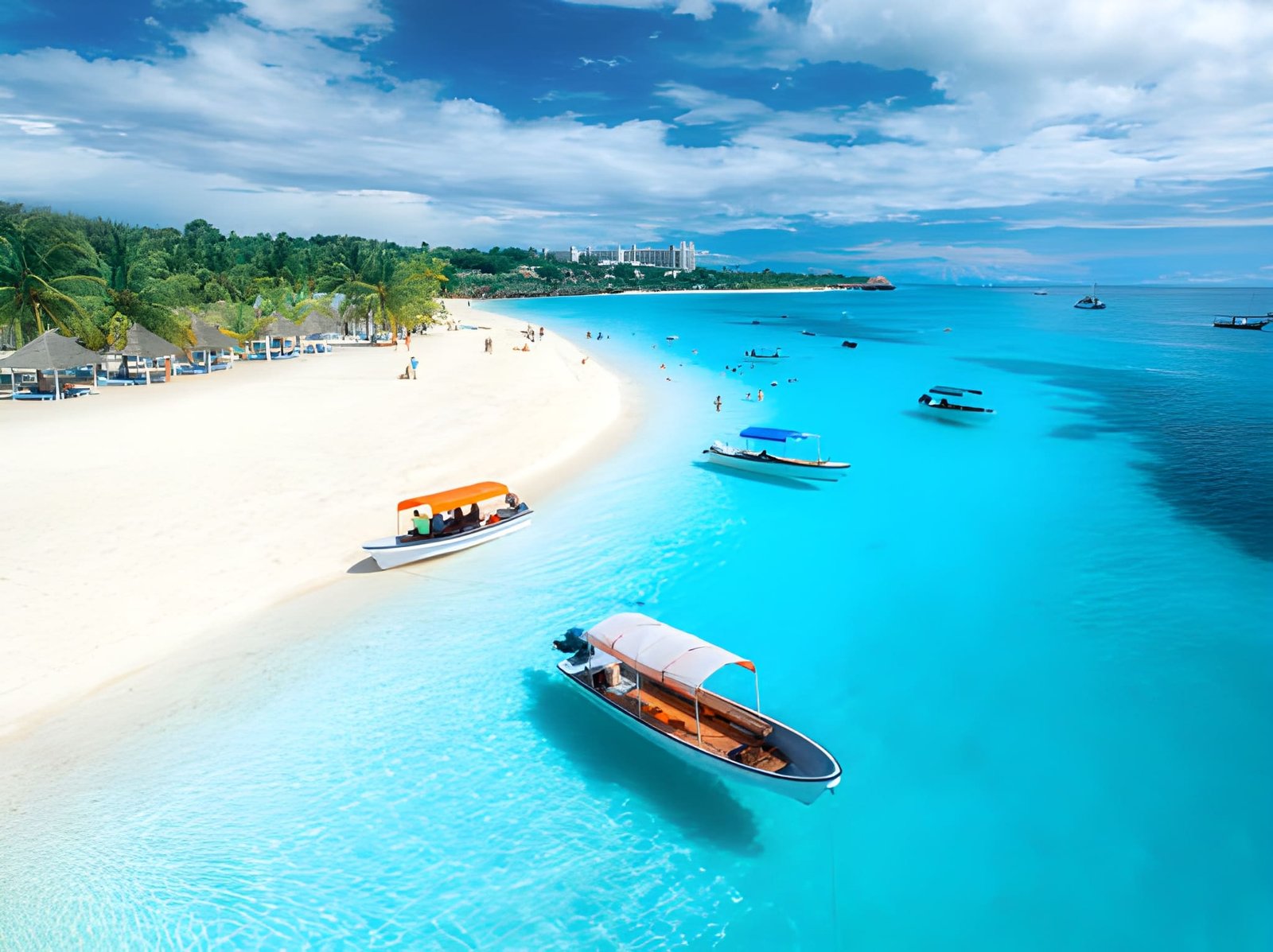
Tanzania · 5 days
Serengeti · Ngorongoro
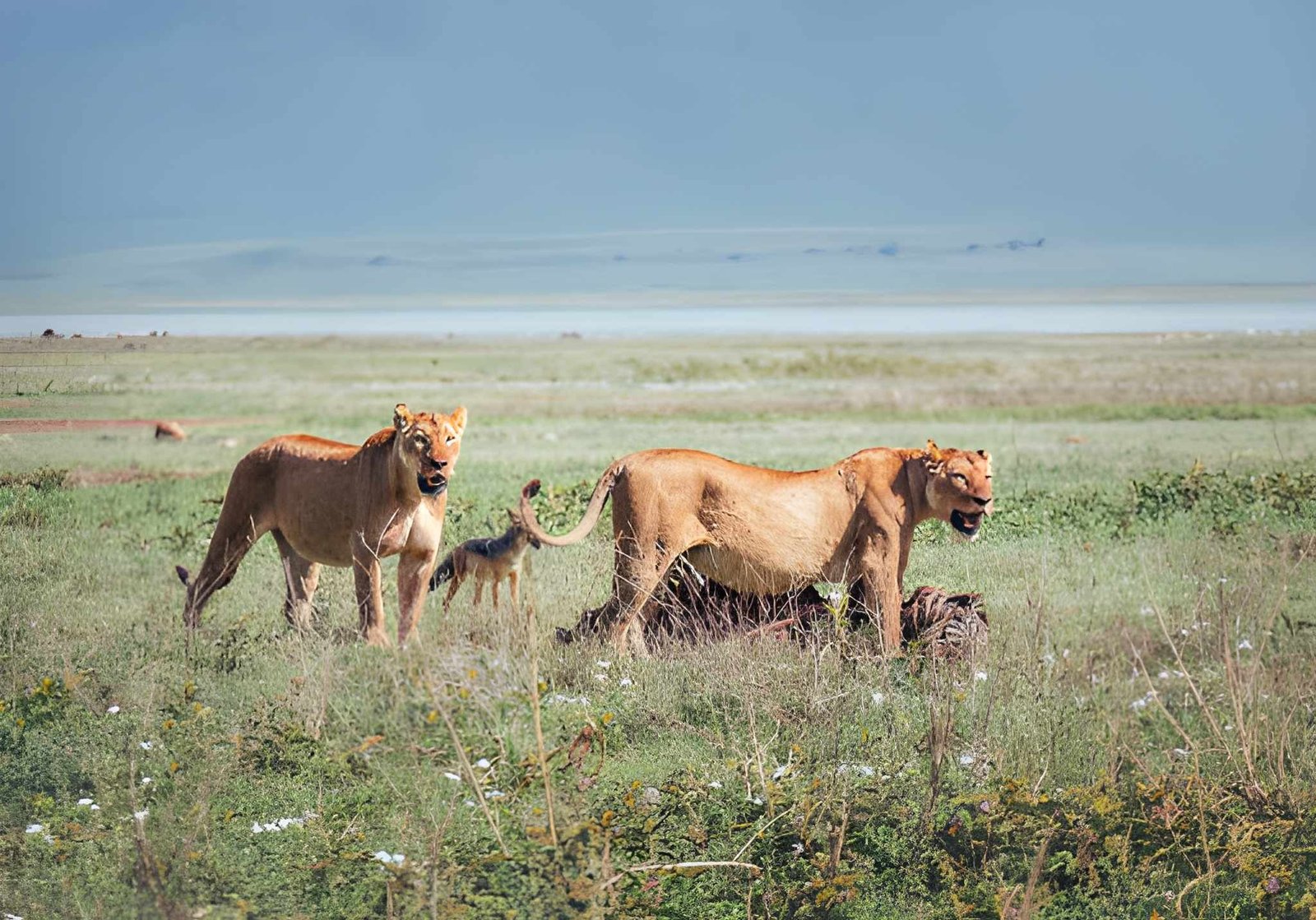
Tanzania · 2 days
Ngorongoro
Tanzania · 5 days
Serengeti · Ngorongoro
Tanzania · 6 days
Tarangire · Ngorongoro
Tanzania · 11 days
Tarangire · Ngorongoro · Serengeti · Lake Natron
Tanzania · 15 days
Tarangire · Ngorongoro · Serengeti · Lake Natron
Tanzania · 4 days
Ngorongoro
Stay in 中文
Garden lodges, coffee-farm retreats and city hotels in and around Arusha.

Arusha is our home, and we know it well. Tell us your arrival plans and a Gip Adventure specialist will arrange your airport transfer, a comfortable first night and a city or coffee tour to start your journey.
Usually replies within minutesHeritage
The lands around Arusha were home to the Arusha (Waarusha) and Meru peoples, farmers on the fertile slopes of Mount Meru, long before the town took shape. The German colonial administration built a fortified boma here around the beginning of the 20th century, and the town grew into a trading and farming centre, later expanding under British rule with coffee estates and markets.
After independence, Arusha became a symbol of national direction when President Julius Nyerere announced the Arusha Declaration in 1967, setting out Tanzania's path of Ujamaa and self-reliance. The city later hosted peace talks for the region and international institutions, earning it a reputation as a meeting place for East Africa.
Today Arusha is one of Tanzania's fastest-growing cities and the heart of its safari industry, while its markets, churches, mosques and neighbourhoods reflect the many communities who call it home.
About 50 km, or roughly one hour by road.
One night before your safari is usual; two lets you rest after a long flight and enjoy a city or coffee tour.
Generally yes. Use normal city precautions, avoid walking alone at night and use transport arranged by your hotel or guide.
Yes. Arusha National Park is under an hour away and offers game drives, walking safaris and canoeing.
Mild all year thanks to the altitude, with warm days and cool evenings, especially from June to August.
Yes, by road via Namanga in around five to six hours, or by short flight.
Maasai beadwork, carvings, fabrics, coffee, spices and tanzanite from reputable dealers.
Your safari starts here
Let Gip Adventure welcome you to our home city and launch your northern Tanzania safari in style.
Chat with usOnline