
Chimpanzee Trekking
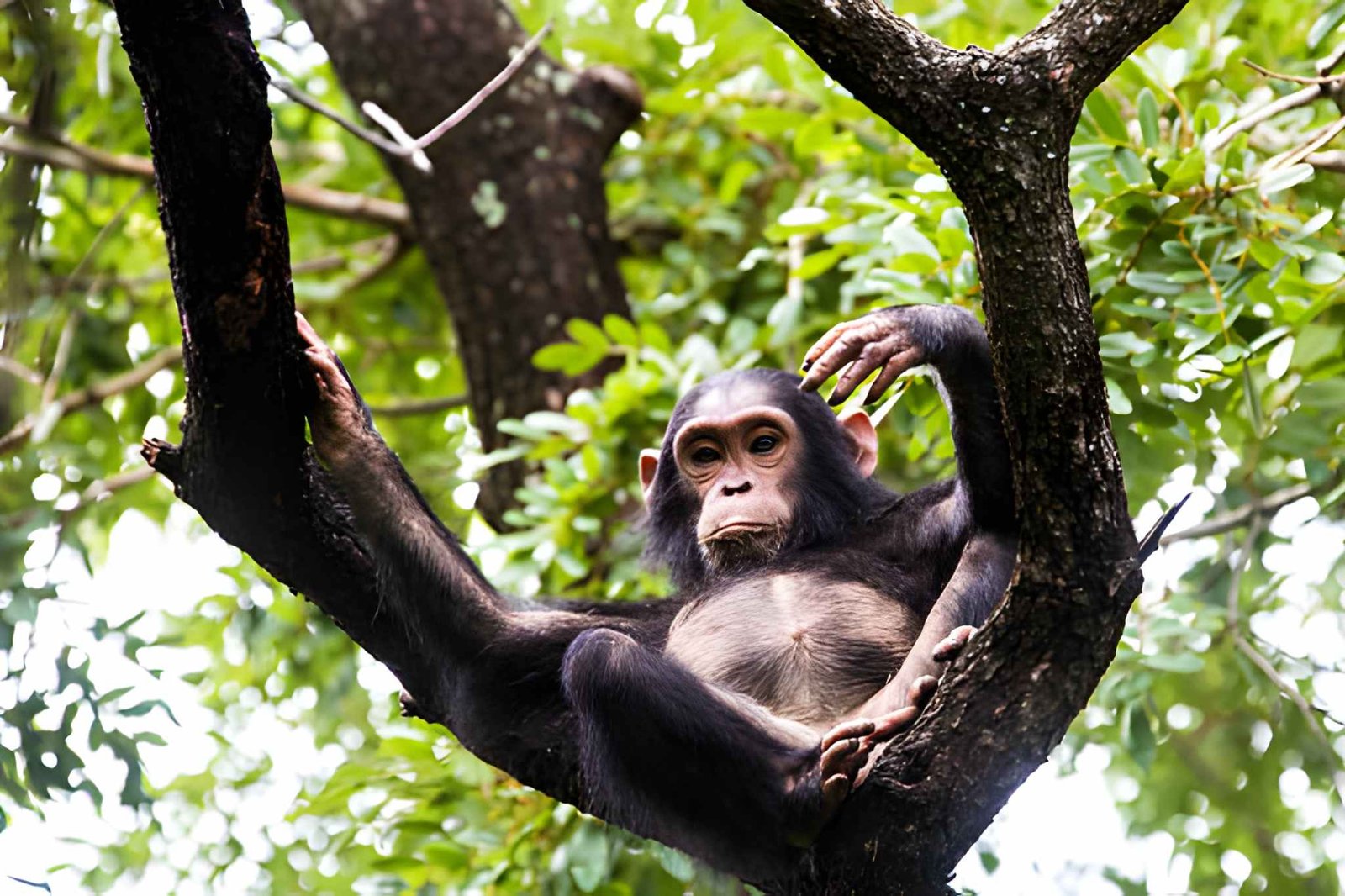
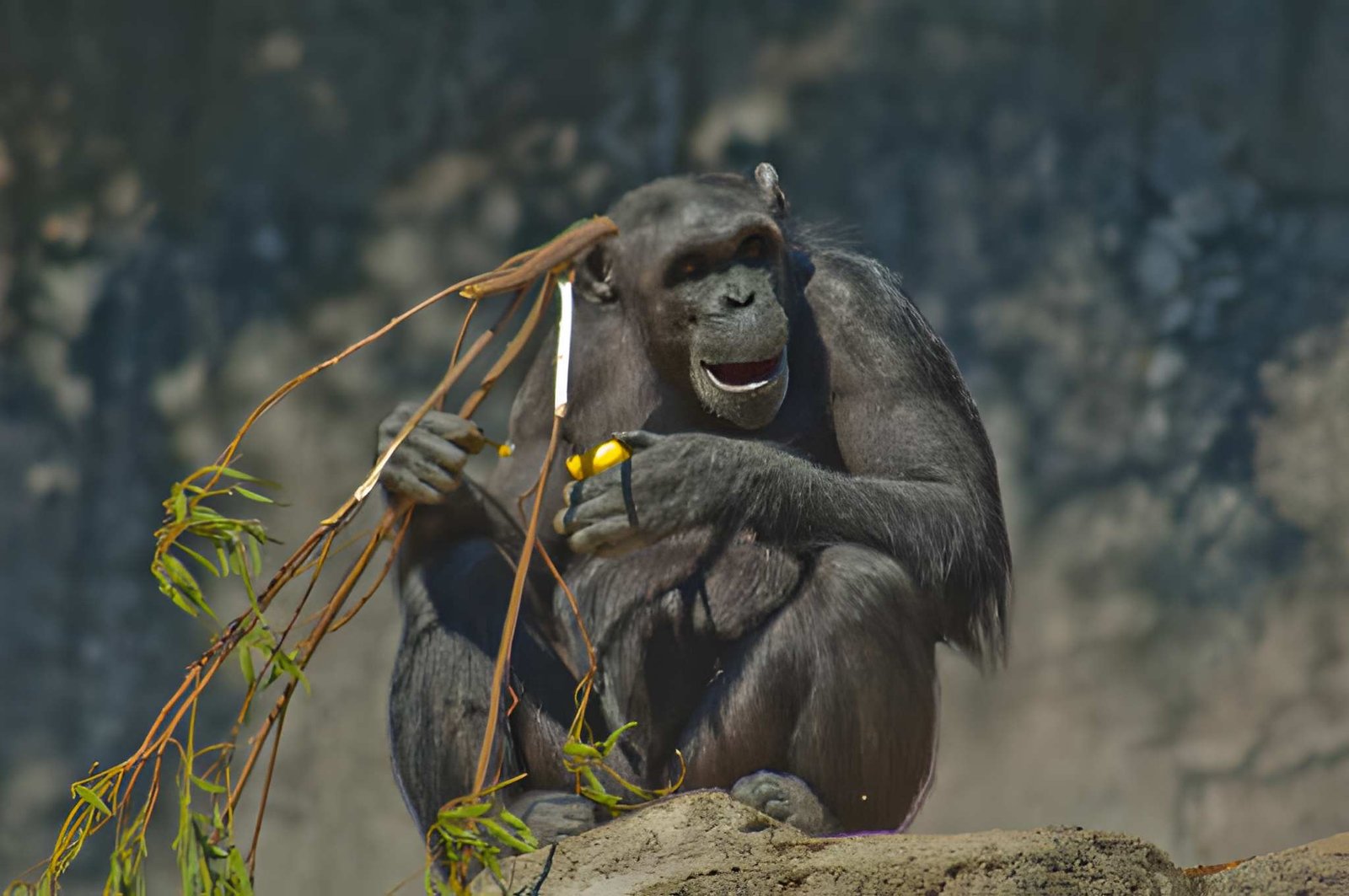
Track habituated chimpanzees through the forests of Gombe and Mahale, two of the best places in Africa to watch them up close.

Climbing Kilimanjaro
The complete guideRoutes & fitness calculatorWhat to packOur climbs
6-Day Kilimanjaro: Marangu Route7-Day Kilimanjaro: Machame Route6-Day Kilimanjaro: Umbwe Route7-Day Kilimanjaro: Rongai Route7-Day Kilimanjaro: Shira Plateau / Morrum Barrier Route9-Day Kilimanjaro: Lemosho Route4-Day Mount Meru Trek5-Day Ol Doinyo Lengai & Lake Natron Trek10-Day Kilimanjaro Trekking & Wildlife Safari11-Day Kilimanjaro Trekking & Wildlife SafariTour styles
Big 5 Safaris (7)Great Migration Safaris (6)Classic Wildlife Safaris (32)Wildlife-Themed Safaris (8)Fly-in & Luxury Safaris (8)Honeymoon Safaris (6)Mountain Trekking (10)Beach & Zanzibar Holidays (9)Gorilla & Primate Safaris (19)Multi-Country & Combination Safaris (9)Helicopter Safaris (5)Cultural Tours (2)Day Trips (10)Family SafarisCity Tours & Airport TransfersTailor-Made / Custom TripsPlan
All toursTanzania safari guidePlan a custom tripTanzania
All of TanzaniaNational ParksGame ReservesIslandsHistorical SitesMountains & VolcanoesLakes & WaterfallsCities & CoastKenya
All of KenyaNational ParksReserves & ConservanciesMountains & CoastCitiesUganda
All of UgandaNational ParksWildlife ReservesLakes & WaterfallsCities & GatewaysMore
Cultural experiencesLodges & campsAll destinationsTanzania Lakes & Waterfalls
The world's longest freshwater lake, with crystal-clear water, forested mountains and wild chimpanzees along Tanzania's remote western shore.
Discover Lake Tanganyika
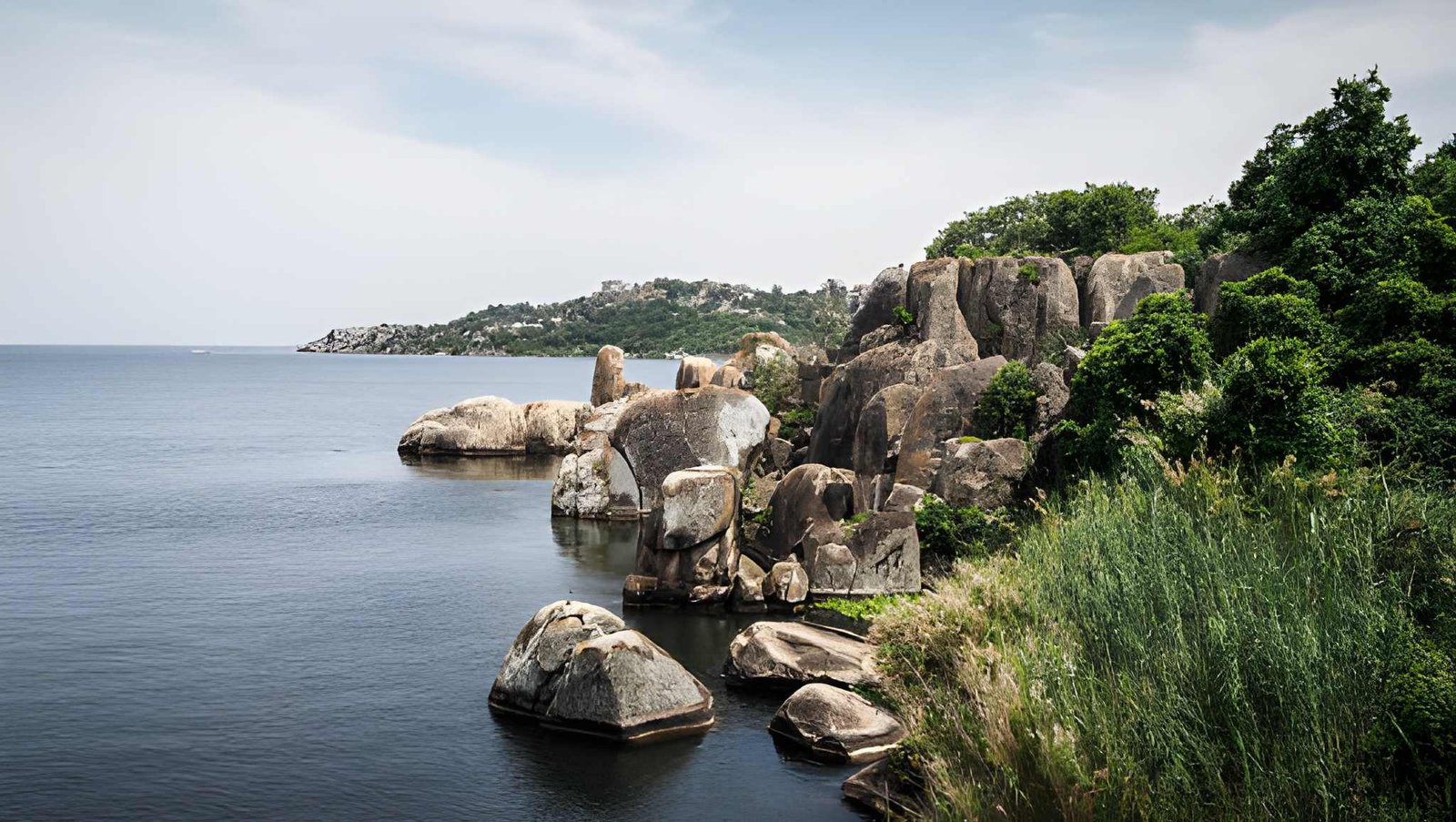
Lake Tanganyika is the longest freshwater lake in the world, stretching for roughly 670 km along the floor of the western branch of the Great Rift Valley. It is also the deepest and oldest lake in Africa, plunging to around 1,470 metres and estimated to be millions of years old. The lake straddles the borders of Tanzania, the Democratic Republic of the Congo, Zambia and Burundi, with Tanzania holding the largest share of the lake.
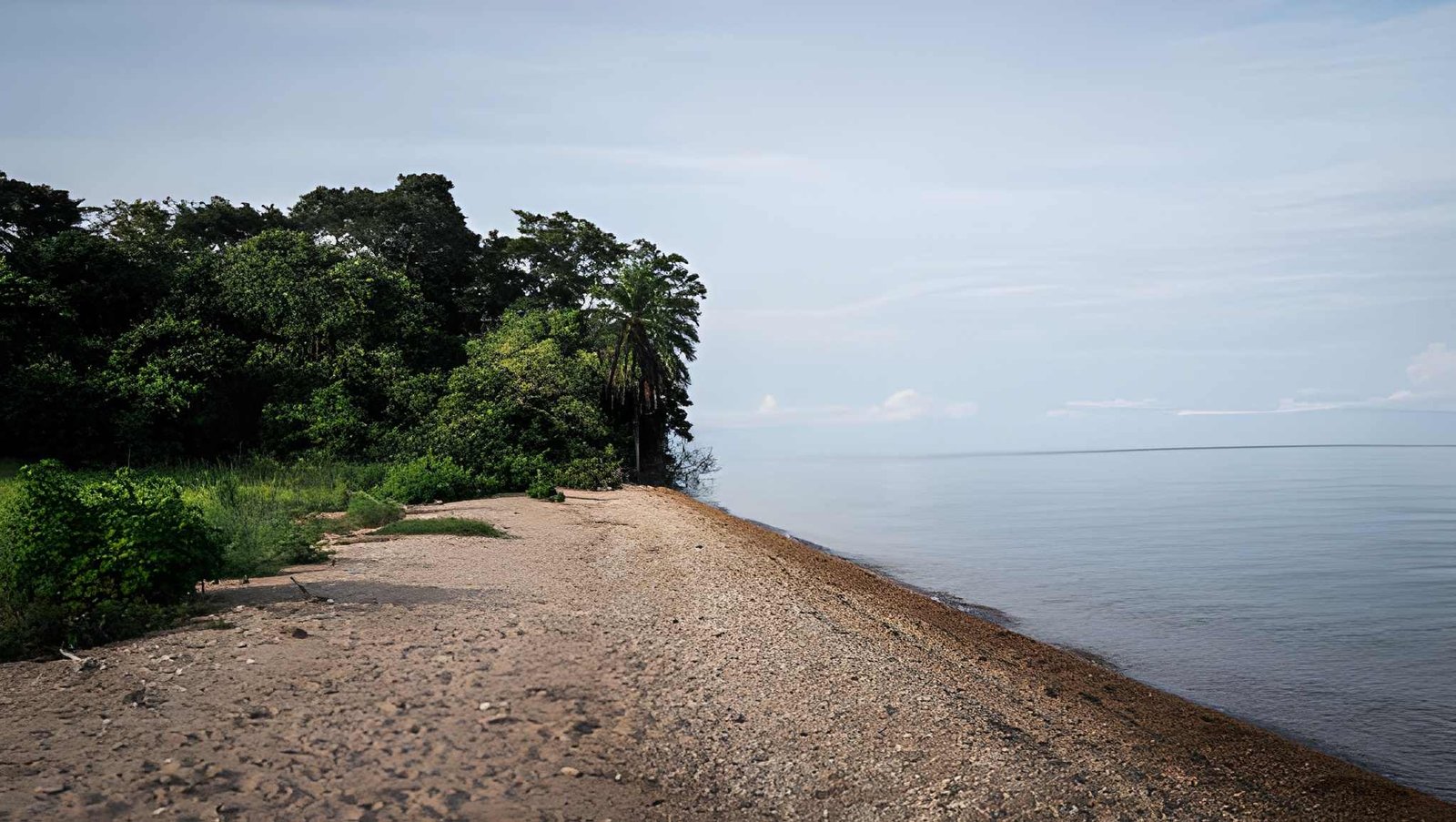
Tanzania's shore is remote and beautiful, lined with forested mountains, sandy coves and fishing villages. Here lie two of Africa's finest places to see wild chimpanzees: Gombe Stream National Park, an untamed place of lush forest and clear lake views, and the more remote Mahale Mountains National Park further south.
Being far from the main safari circuits, the lake is less visited, though it has plenty of attractions: chimpanzees and other primates, mixed woodland, miombo and grasslands rich in flora and fauna, and water so clear that swimming, snorkelling and boating are highlights of any stay. Nearby, at Ujiji near Kigoma, is the site where Henry Morton Stanley greeted David Livingstone with the famous words 'Dr Livingstone, I presume?'
Why Lake Tanganyika
Lake Tanganyika is perfect for travellers who want to go beyond the classic safari and experience a wilder, quieter Tanzania.
Track habituated chimpanzees through the forests of Gombe and Mahale, two of the best places in Africa to watch them up close.
The lake's clear waters are home to hundreds of colourful cichlid fish, many found nowhere else, making snorkelling and swimming a real treat.
The world's longest freshwater lake and Africa's deepest and oldest, it holds a huge share of the planet's surface fresh water.
Visit the Livingstone Memorial at Ujiji, where Stanley found Livingstone in 1871, and learn about the lake's role in the age of exploration.
Remote sandy coves, forested hills and dhow-like fishing boats create a peaceful, beach-like escape far from the crowds.
Location
Lake Tanganyika forms much of Tanzania's western border. The main gateway is Kigoma, which has an airport with scheduled flights from Dar es Salaam and connections from Arusha and Kilimanjaro, and is also the western terminus of the Central Railway. Gombe Stream lies about 16 km north of Kigoma, reached by boat in one to two hours.
Mahale Mountains National Park is much further south and is usually reached by light aircraft, often combined with Katavi National Park, followed by a boat transfer along the shore. The southern Tanzanian shore around Kipili offers further lakeside lodges. By road from Arusha the journey is very long, so most visitors fly.
When to visit
Western Tanzania has a long dry season and a single main rainy season, which affects forest trails, flights and chimpanzee movements.
The best time for chimpanzee trekking. Trails are drier, and at Mahale the chimps often come lower down the slopes later in the season.
Rains begin, the forest turns lush and the lake is calm and warm. Chimpanzees may range further up the mountains.
Regular rain, sometimes with drier breaks. Trekking is still possible but trails can be slippery.
The wettest months. Some lodges at Mahale close for part of this period, and access becomes harder.
July to October is ideal for chimpanzee trekking, but the lake's beauty and warmth can be enjoyed for much of the year.
Wet and green, with warm water and lush forests around Gombe.
Rain continues, though drier spells can bring good trekking days.
One of the wettest months, with fewer visitors and more challenging trails.
Heavy rains; some remote lodges are closed for the season.
Rains ease and lodges reopen as the forest begins to dry.
Dry season begins, bringing clear skies and calm water for boat transfers.
Excellent trekking conditions and pleasant temperatures by the lake.
Prime chimpanzee trekking, with chimps often seen lower on the slopes.
One of the best months for both chimpanzees and snorkelling.
Warm and dry, with superb sunsets over the mountains of the Congo.
Rains start to return, refreshing the forest and the hills.
Green and warm, with good fishing and quiet beaches.
Explore the area
The Tanzanian shoreline stretches from the Burundi border in the north to the Zambian border in the south, each stretch with its own character.
Wildlife
The forests along Lake Tanganyika are among the best places in Africa to see wild chimpanzees, along with red colobus, red-tailed and blue monkeys and olive baboons. Mixed woodland, miombo and grasslands support a wide variety of plants, butterflies and birds.
Beneath the surface lies a different world. The lake holds hundreds of species of cichlid fish, the great majority found nowhere else on Earth, making it a famous destination for snorkellers and scientists. Hippos and crocodiles live in quieter bays and river mouths, while fish eagles and kingfishers patrol the shore.
Where to look: Forests of Gombe and Mahale
With experienced guides, sightings of habituated chimpanzees are very likely, especially in the dry season.
Where to look: Gombe beaches and forest edges
Gombe's baboons have also been studied for decades and are often seen on the shore.
Where to look: Forest canopy in Gombe and Mahale
An agile leaf-eating monkey, and sometimes prey for chimpanzees.
Where to look: Forest canopy
A small, lively monkey with a bright red tail and white nose spot.
Where to look: Forest areas along the shore
Often seen in mixed groups with other monkey species.
Where to look: Rocky shallows along the shore
Hundreds of colourful species, most of them endemic, delight snorkellers.
Where to look: Quiet bays and river mouths
Present in some quieter areas of the shoreline.
Where to look: River mouths and remote shores
Found in some parts of the lake, so always follow local advice on swimming.
Where to look: Lakeshore trees
Frequently seen and heard along the shoreline.
Where to look: Palms along the shore
An unusual vulture that feeds largely on oil palm fruit.
Where to look: Forested hills of Mahale
Present but rarely seen in the dense forest.

Chimpanzees of the Rift
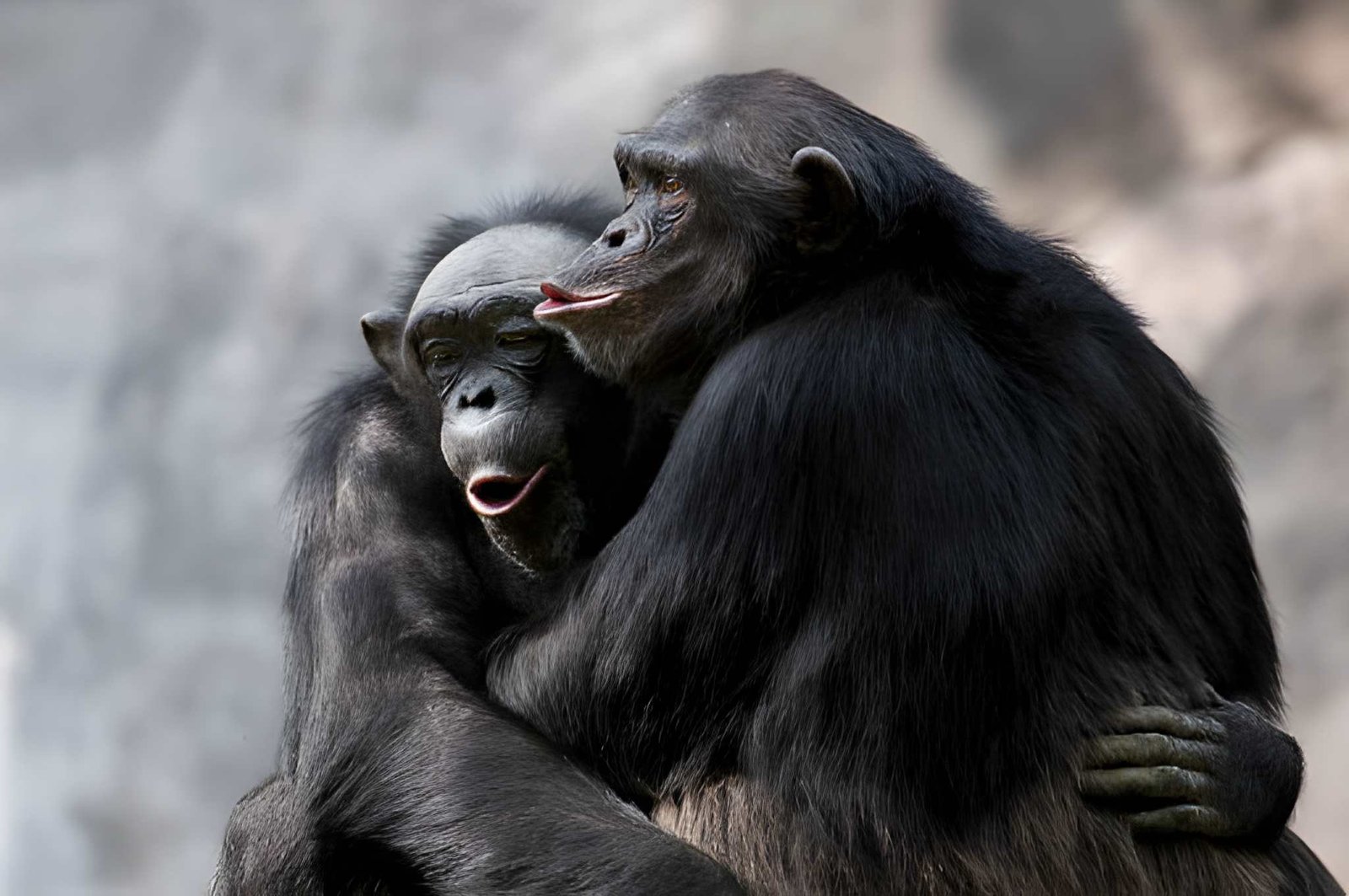
Few experiences in Africa compare with following a chimpanzee community through the forest. At Gombe Stream, where Jane Goodall began her pioneering research in 1960, and at the remote Mahale Mountains, guides lead small groups along forest trails to find habituated chimpanzees feeding, grooming and calling.
After the trek, you can swim from the beach in the clear lake waters and watch the sun set over the mountains of the Congo, an unforgettable combination of wildlife and wilderness.
Safaris to 中文
Western circuit itineraries that visit Lake Tanganyika, Kigoma, Gombe Stream and the Mahale Mountains.
Tanzania · 10 days
Kigoma · Gombe · Mahale Mountains
Tanzania · 10 days
Kigoma · Mahale Mountains · Gombe · Katavi
Tanzania · 12 days
Rubondo Island · Kigoma · Gombe · Mahale Mountains
Tanzania · 8 days
Rubondo Island · Gombe
Tanzania · 10 days
Rubondo Island · Mahale Mountains · Gombe
Stay in 中文
From lakeside camps in Gombe and Mahale to quiet lodges at Kipili, stay right on the shore of the world's longest lake.

Tell us your dates and a Gip Adventure specialist will help you plan your chimpanzee trekking, flights and boat transfers along Lake Tanganyika.
Usually replies within minutesHeritage
Lake Tanganyika has long been a meeting point of peoples and trade. In the 19th century, Ujiji was a key terminus of the caravan routes from the coast, and explorers Richard Burton and John Hanning Speke reached the lake there in 1858. In 1871 Henry Morton Stanley found David Livingstone at Ujiji, and the meeting is remembered at the Livingstone Memorial today. The historic MV Liemba, built in Germany in 1913 and later used on the lake as a passenger ferry, is another reminder of the lake's colourful past.
The lake is vital to the millions of people who live around it, supporting fisheries for small sardine-like fish known as dagaa. Its unique biodiversity, including hundreds of endemic fish species, faces pressure from overfishing, sedimentation and a warming climate. Gombe and Mahale protect important stretches of shoreline forest, and long-term chimpanzee research here has transformed our understanding of our closest living relatives.
Most travellers fly to Kigoma for Gombe, or by light aircraft to Mahale. From Kigoma, boats take you along the lake to the parks.
Yes, in many places the lake is clear and inviting, and swimming and snorkelling are popular near Gombe, Mahale and Kipili. Always follow local advice.
The dry season from July to October offers the best conditions, but chimpanzees can be seen throughout the year.
It reaches about 1,470 metres, making it the deepest lake in Africa and the second deepest in the world.
Tanzania, the Democratic Republic of the Congo, Zambia and Burundi.
Allow at least two or three nights at Gombe or Mahale to give yourself the best chance of good chimpanzee encounters.
Yes. Mahale is often combined with Katavi, and the western circuit can include Lake Victoria, Rubondo Island and the Serengeti.
Your safari starts here
Let Gip Adventure take you to the clear waters and chimpanzee forests of the world's longest freshwater lake.
Chat with usOnline