
Herd with the Warriors
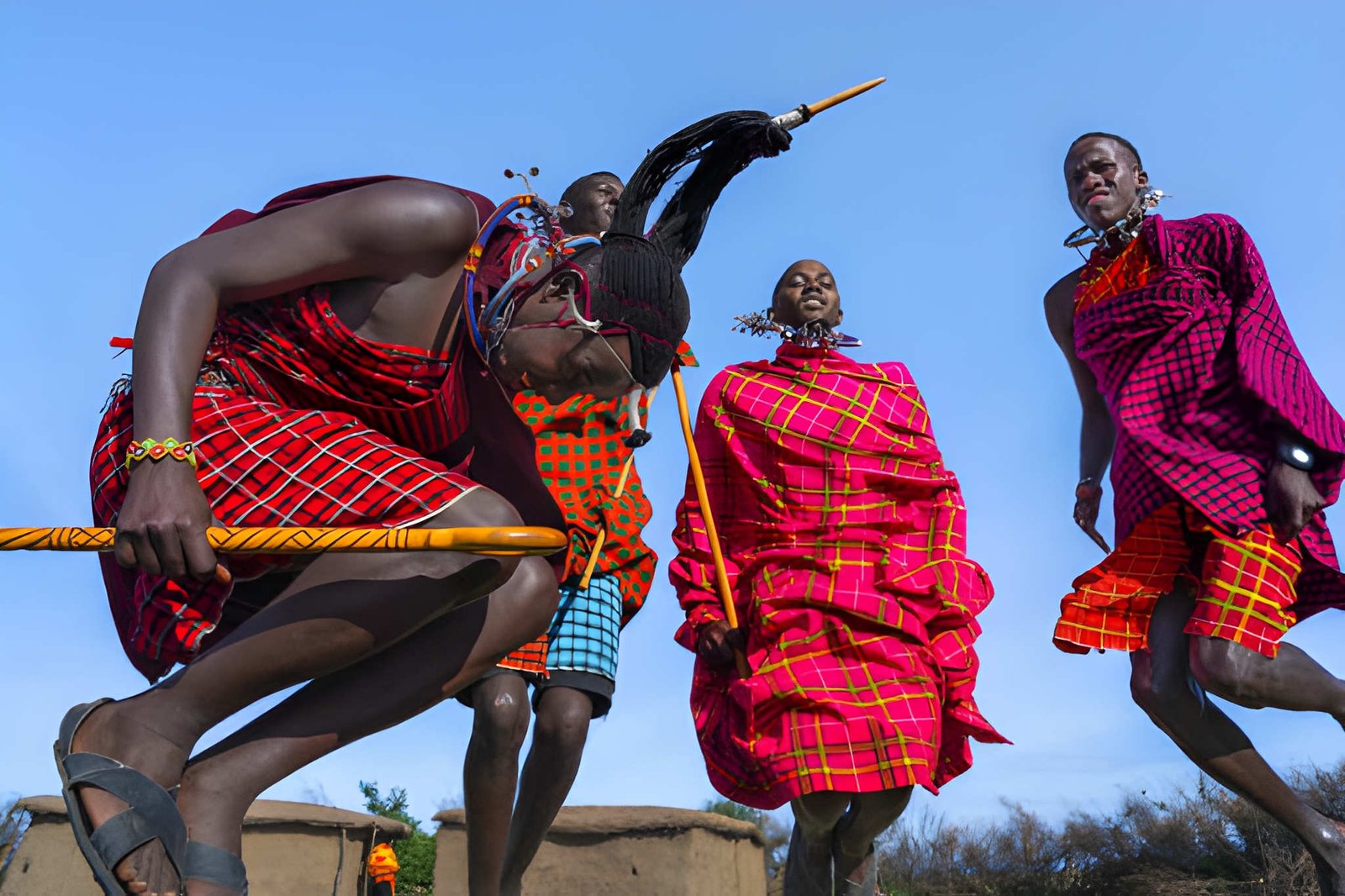
Walk out with the moran and their cattle, goats and sheep to grazing and water, and learn how they read the land.

Climbing Kilimanjaro
The complete guideRoutes & fitness calculatorWhat to packOur climbs
6-Day Kilimanjaro: Marangu Route7-Day Kilimanjaro: Machame Route6-Day Kilimanjaro: Umbwe Route7-Day Kilimanjaro: Rongai Route7-Day Kilimanjaro: Shira Plateau / Morrum Barrier Route9-Day Kilimanjaro: Lemosho Route4-Day Mount Meru Trek5-Day Ol Doinyo Lengai & Lake Natron Trek10-Day Kilimanjaro Trekking & Wildlife Safari11-Day Kilimanjaro Trekking & Wildlife SafariTour styles
Big 5 Safaris (7)Great Migration Safaris (6)Classic Wildlife Safaris (32)Wildlife-Themed Safaris (8)Fly-in & Luxury Safaris (8)Honeymoon Safaris (6)Mountain Trekking (10)Beach & Zanzibar Holidays (9)Gorilla & Primate Safaris (19)Multi-Country & Combination Safaris (9)Helicopter Safaris (5)Cultural Tours (2)Day Trips (10)Family SafarisCity Tours & Airport TransfersTailor-Made / Custom TripsPlan
All toursTanzania safari guidePlan a custom tripTanzania
All of TanzaniaNational ParksGame ReservesIslandsHistorical SitesMountains & VolcanoesLakes & WaterfallsCities & CoastKenya
All of KenyaNational ParksReserves & ConservanciesMountains & CoastCitiesUganda
All of UgandaNational ParksWildlife ReservesLakes & WaterfallsCities & GatewaysMore
Cultural experiencesLodges & campsAll destinationsTanzania Cultural Experiences
Swap the safari lodge for a night in a Maasai boma: walk out with the herds at dawn, help with the day's work and fall asleep to the sounds of cattle and the African night.
Discover a Maasai homestay
A short village visit gives you a glimpse of Maasai life; a homestay lets you live it for a while. Staying with a Maasai family in their boma, you share their daily routine, eat simple meals together and have time for real conversations, with a Maasai guide on hand to translate and explain.
Homestays are arranged with Maasai communities in northern Tanzania, in places such as the plains and hills around Monduli and Longido, the villages near Mto wa Mbu and Lake Manyara, and the remote lands near Lake Natron. Each is organised with the host family and community, so your stay brings income directly to the people you are staying with.
The accommodation is simple, usually a guest hut or a tent near the family's homestead, with basic washing and toilet facilities. What you gain in return is an understanding of Maasai life that no lodge can offer.
Why stay
A Maasai homestay is one of the most personal experiences you can have in Tanzania.
Walk out with the moran and their cattle, goats and sheep to grazing and water, and learn how they read the land.
Help to fetch water and firewood, see how houses are built and repaired, and try your hand at beadwork.
Walk with a warrior guide to learn about medicinal plants, animal tracks and the landscape.
Share stories, songs and questions as the stars come out and the cattle settle in the boma.
Taste simple Maasai and Tanzanian dishes, from tea with fresh milk to ugali and roasted meat on special occasions.
Your stay is arranged with the community and supports the families who host you.
Location
Homestays are arranged in Maasai communities across northern Tanzania. Monduli and Longido are around one to two hours' drive from Arusha, Mto wa Mbu is about two hours west of Arusha on the road to Ngorongoro, and Lake Natron lies around four to five hours north-west of Arusha. Kilimanjaro International Airport is about an hour east of Arusha.
We choose the location to suit your route, so a homestay can sit between game drives in Tarangire, Lake Manyara, Ngorongoro or the Serengeti, or be added before or after a Kilimanjaro climb.
When to visit
Homestays run all year, but the dry months offer the most comfortable conditions.
Cool nights, dry days and easy access; herders travel further for grazing, making walks with the herds especially interesting.
Brief showers and green grass; a peaceful, beautiful time to stay.
Warm days, cool evenings and green surroundings, ideal for a homestay.
Heavy rain and muddy tracks can make rural homestays harder to reach, so flexibility is needed.
What to expect in Maasai country through the year.
Warm and green, with plenty of grazing close to the boma.
Hot days and young animals in the herds, a lively time to stay.
The long rains begin; nights can be wet and tracks muddy.
The wettest month, when we recommend lodge-based village visits instead.
Rains ease and the hills turn a deep green.
Dry season begins, with crisp, starry nights around the fire.
Cool and dry, one of the most comfortable months for a homestay.
Herders walk longer distances, and there is plenty to join in with.
Warm days and cold, clear nights, perfect for stargazing.
Dry and dusty, with water a precious resource for the community.
The short rains arrive and the grass begins to return.
Green and festive, often a time of family gatherings.
Explore the area
Every homestay is different, but most include these moments.

Spotlight
As the sun drops, the herds come home and the boma fills with the sounds of cattle, goats and children. Dinner is simple and shared, the fire is lit, and your hosts may sing in the layered harmonies the Maasai are famous for. Then the stars come out over the plains, brighter than you have ever seen them.
The next morning you rise with the family and walk out with the herders. It is a gentle, unhurried experience, and the conversations you have along the way are what most guests remember for years.
Safaris to 中文
Safaris and cultural journeys that include a night or more with a Maasai family.
Tanzania · 5 days
Serengeti · Ngorongoro
Tanzania · 5 days
Serengeti · Ngorongoro
Tanzania · 6 days
Ngorongoro · Serengeti
Tanzania · 5 days
Serengeti
Tanzania · 6 days
Serengeti · Ngorongoro
Tanzania · 10 days
Serengeti · Ngorongoro
Tanzania · 6 days
Ngorongoro · Serengeti
Tanzania · 7 days
Ngorongoro · Serengeti
Tanzania · 4 days
Ngorongoro

Tell us how many nights you would like and where your safari will take you. A Gip Adventure specialist will match you with a welcoming host community and explain exactly what to expect.
Usually replies within minutesHeritage
Hospitality runs deep in Maasai culture, and guests are welcomed as part of the household. Life in the boma is organised around the livestock, with the thorn fence protecting animals at night, the houses built and maintained by women, and the young warriors and elders each with their own roles.
Homestays work best when they are arranged with the community, keep groups small and give families control over how they host. Follow your guide's advice on dress, greetings and photography, ask before taking pictures, and if you would like to give gifts, offer them through the community or the school rather than to individuals.
In return, a homestay brings income directly to the families you stay with and helps keep traditional knowledge valued among younger generations, while giving you a personal understanding of one of Africa's best-known cultures.
Simple and clean: usually a guest hut or a tent close to the boma, with a mattress and bedding, and basic washing and toilet facilities.
Simple local meals such as ugali, rice, beans, vegetables and tea with milk, prepared with hygiene in mind. Let us know about any dietary needs.
Yes. Homestays are arranged with trusted communities and a Maasai guide stays with you throughout.
Some may, but your guide will translate so you can talk freely with the family.
Yes, for adventurous families. Children often make friends quickly with local children.
One night gives a real taste; two or three let you settle in and join more of daily life.
A torch, warm layers for the evening, sturdy shoes, wet wipes, a refillable water bottle and an open mind.
Your safari starts here
Let Gip Adventure arrange a warm, respectful Maasai homestay that becomes the heart of your Tanzania journey.
Chat with usOnline