
Crater Viewpoints
Six viewpoints around the rim, including Mikindu, offering views into the crater.

Climbing Kilimanjaro
The complete guideRoutes & fitness calculatorWhat to packOur climbs
6-Day Kilimanjaro: Marangu Route7-Day Kilimanjaro: Machame Route6-Day Kilimanjaro: Umbwe Route7-Day Kilimanjaro: Rongai Route7-Day Kilimanjaro: Shira Plateau / Morrum Barrier Route9-Day Kilimanjaro: Lemosho Route4-Day Mount Meru Trek5-Day Ol Doinyo Lengai & Lake Natron Trek10-Day Kilimanjaro Trekking & Wildlife Safari11-Day Kilimanjaro Trekking & Wildlife SafariTour styles
Big 5 Safaris (7)Great Migration Safaris (6)Classic Wildlife Safaris (32)Wildlife-Themed Safaris (8)Fly-in & Luxury Safaris (8)Honeymoon Safaris (6)Mountain Trekking (10)Beach & Zanzibar Holidays (9)Gorilla & Primate Safaris (19)Multi-Country & Combination Safaris (9)Helicopter Safaris (5)Cultural Tours (2)Day Trips (10)Family SafarisCity Tours & Airport TransfersTailor-Made / Custom TripsPlan
All toursTanzania safari guidePlan a custom tripTanzania
All of TanzaniaNational ParksGame ReservesIslandsHistorical SitesMountains & VolcanoesLakes & WaterfallsCities & CoastKenya
All of KenyaNational ParksReserves & ConservanciesMountains & CoastCitiesUganda
All of UgandaNational ParksWildlife ReservesLakes & WaterfallsCities & GatewaysMore
Cultural experiencesLodges & campsAll destinationsTanzania Museums
Ringed by rainforest and home to buffalo, colobus monkeys and rich birdlife, the Ngurdoto Crater in Arusha National Park offers stunning viewpoints and a small museum near the gate.
Discover Ngurdoto
The Ngurdoto Crater lies in the southeast of Arusha National Park, a grassy crater surrounded by rainforest. The park is small but varied, with three distinct areas: Mount Meru's crater in the west, the Ngurdoto Crater in the southeast and the alkaline Momella Lakes in the northeast.
Mikindu viewpoint is one of six points where visitors can enjoy amazing views into the Ngurdoto Crater. Located on the southwestern rim, it is a clearing in the Ngurdoto rainforest and one of the most visited because of its safety and ease of access. A small museum near the Ngurdoto Gate introduces the park's wildlife and ecology.
Why visit Ngurdoto
Ngurdoto is a beautiful and easy addition to a day in Arusha National Park.
Six viewpoints around the rim, including Mikindu, offering views into the crater.
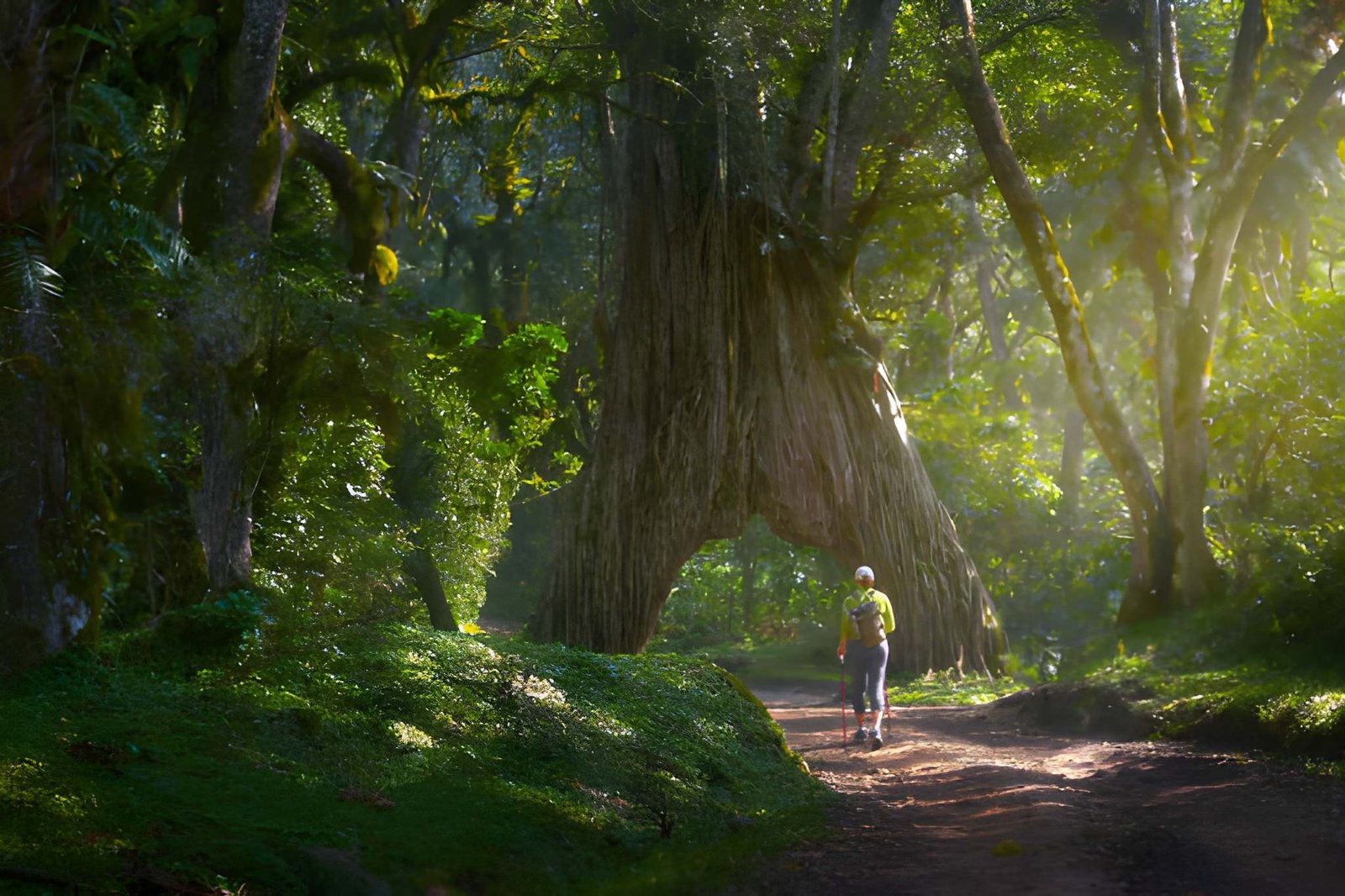
Lush forest home to black-and-white colobus and blue monkeys.
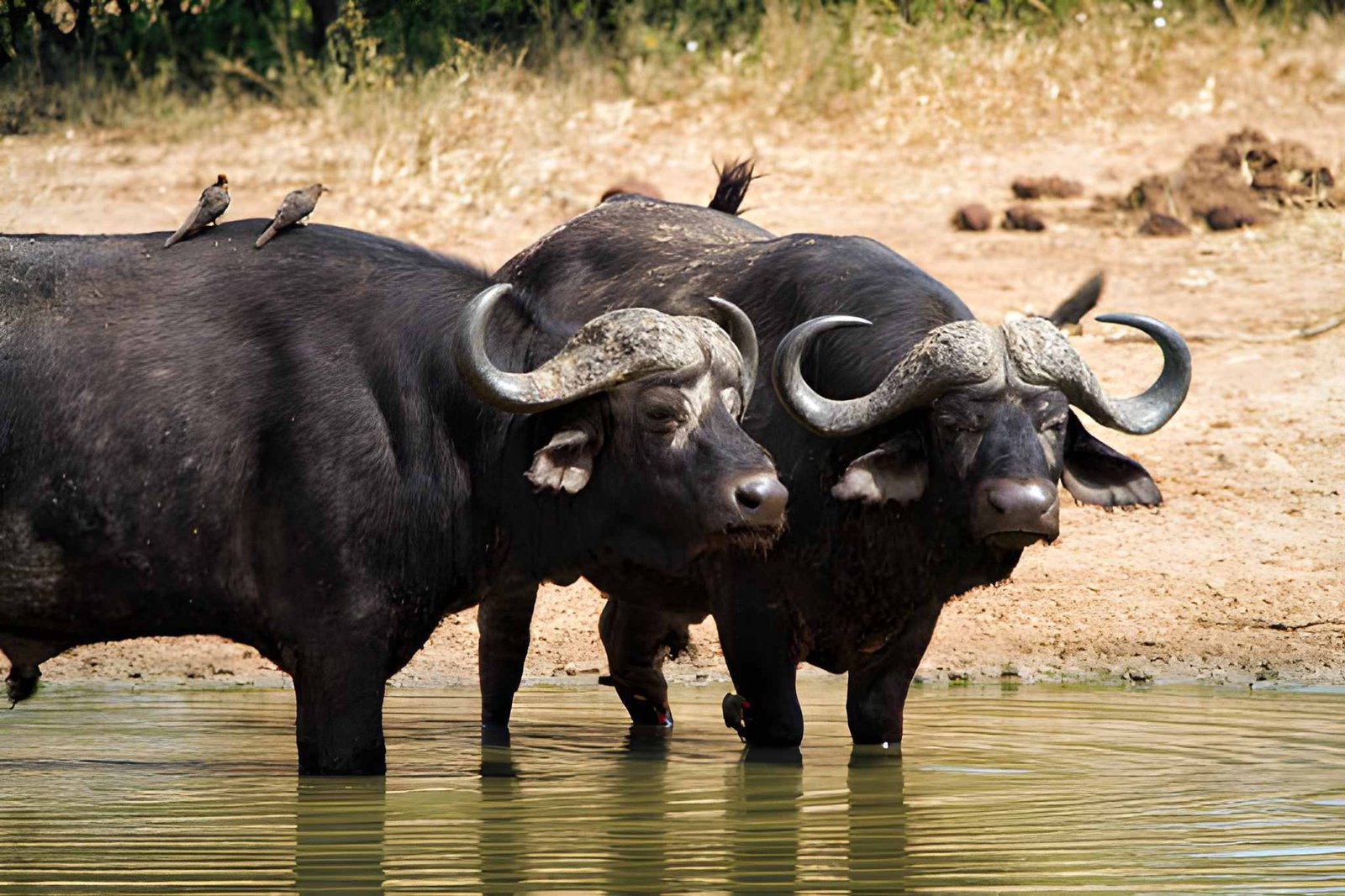
Buffalo, warthogs and baboons graze the crater floor below.
A small museum near the gate introducing the park's ecology.
Location
The Ngurdoto Crater is in the southeastern part of Arusha National Park, about 30 km east of Arusha city and close to the Ngurdoto Gate.
It is easily visited on a day trip to Arusha National Park, together with the Momella Lakes and walking safaris.
When to visit
Ngurdoto can be visited year-round, with clearer views in the dry season.
Dry, pleasant weather and the most popular time to travel in northern Tanzania.
Short afternoon showers and green scenery.
Warm days and clear skies, a great time to visit.
The wettest months; museums and indoor sites are a good choice on rainy days.
Each month offers a different view of the crater and forest.
Warm and clear, a great month to visit.
Warm and dry before the long rains.
Long rains begin; plan indoor visits around showers.
The wettest month, but indoor sites remain open.
Rains ease towards the end of the month.
Dry season begins, with cool mornings.
Cool and dry, ideal for sightseeing.
Dry and clear, a popular travel month.
Pleasant and dry, excellent for exploring.
Warm and dry before the short rains.
Short rains bring brief showers.
Warm, green and festive.
Explore the area
Viewpoints, forest and the crater floor.
Wildlife
The rainforest around the crater rim is home to black-and-white colobus monkeys, blue monkeys and many forest birds such as turacos and hornbills.
On the crater floor, which is protected and viewed only from the rim, buffalo, warthogs and baboons graze peacefully.
Where to look: Rainforest on the rim
Often seen leaping between the trees.
Where to look: Crater floor
Herds graze the crater floor below the viewpoints.
Where to look: Rainforest
Common in the forest.
Where to look: Crater floor
Seen grazing in the open grassland.
Where to look: Crater floor and forest edges
Troops forage across the crater.
Where to look: Rainforest
A beautiful green forest bird.

Little Ngorongoro
Often called Little Ngorongoro, the Ngurdoto Crater is protected as a sanctuary, so visitors enjoy it from the viewpoints on the forested rim rather than driving inside.
From Mikindu and the other viewpoints, you can watch buffalo grazing on the crater floor far below, surrounded by the sounds of the rainforest.
Safaris to 中文
Day trips and safaris that include Ngurdoto Crater and Arusha National Park.
Tanzania · 6 days
Tarangire · Ngorongoro
Tanzania · 11 days
Tarangire · Ngorongoro · Serengeti · Lake Natron
Tanzania · 4 days
Miriakamba Hut · Saddle Hut
Tanzania · 1 day

Tell us your plans and we will include Ngurdoto Crater in an Arusha National Park day trip.
Usually replies within minutesHeritage
The area was first protected as Ngurdoto Crater National Park in 1960. In 1967, Mount Meru and the Momella Lakes were added, and the park became Arusha National Park.
The crater's floor has been kept as an undisturbed sanctuary, giving wildlife a safe refuge just minutes from the city of Arusha.
No, the crater floor is a protected sanctuary viewed from the rim.
In the southeast of Arusha National Park, about 30 km from Arusha.
Buffalo, warthogs and baboons on the crater floor, and colobus monkeys in the forest.
An hour or two, as part of a day in Arusha National Park.
Mikindu viewpoint is popular for its safety and easy access.
Yes, with walking safaris, canoeing and the Momella Lakes.
Your safari starts here
Let Gip Adventure plan a day in Arusha National Park, including the Ngurdoto Crater.
Chat with usOnline