
The Murchison Falls
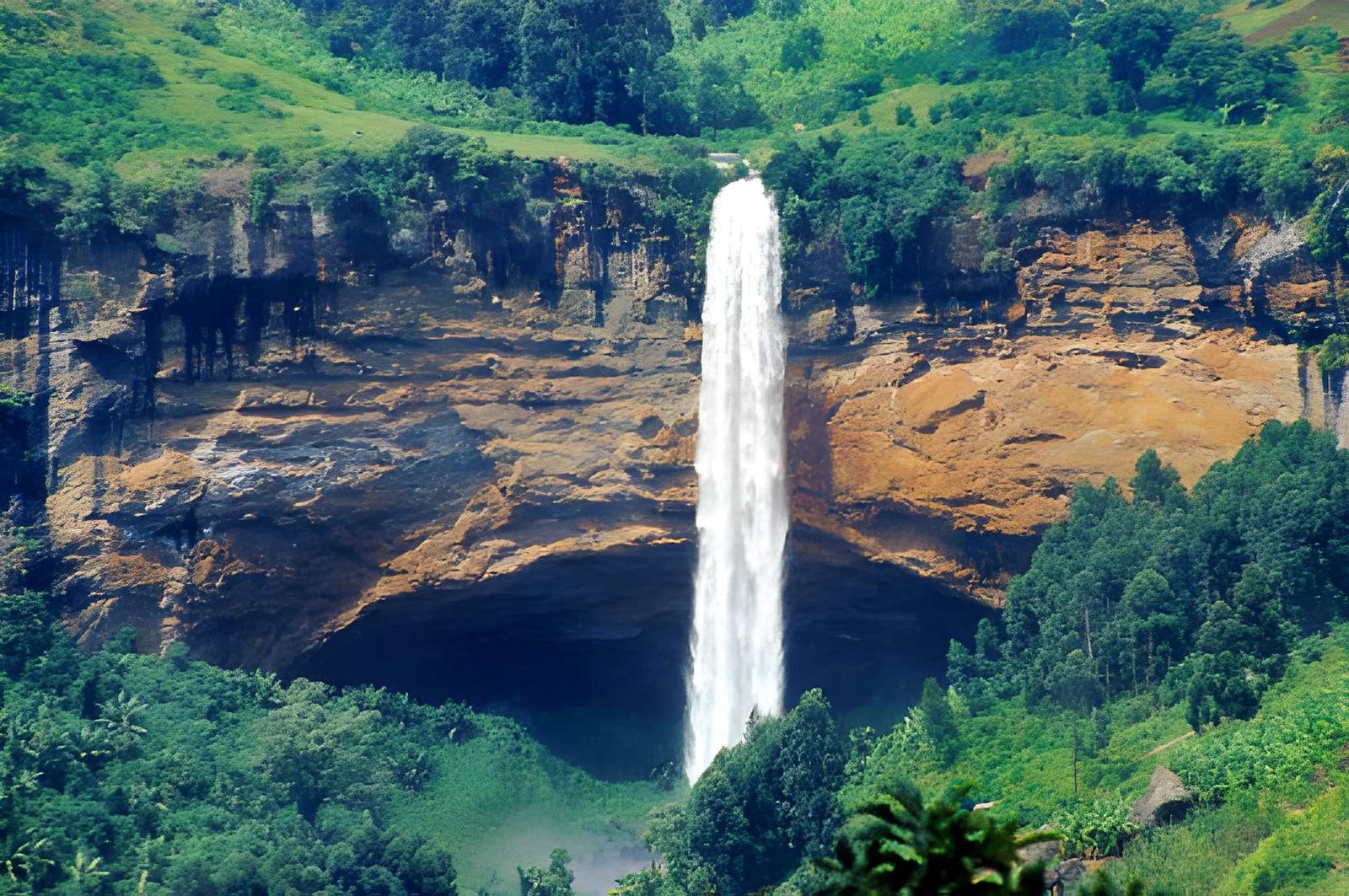
Stand at the top of the falls and feel the spray as the entire Nile forces itself through a 7 metre gap before crashing 45 metres below.

Climbing Kilimanjaro
The complete guideRoutes & fitness calculatorWhat to packOur climbs
6-Day Kilimanjaro: Marangu Route7-Day Kilimanjaro: Machame Route6-Day Kilimanjaro: Umbwe Route7-Day Kilimanjaro: Rongai Route7-Day Kilimanjaro: Shira Plateau / Morrum Barrier Route9-Day Kilimanjaro: Lemosho Route4-Day Mount Meru Trek5-Day Ol Doinyo Lengai & Lake Natron Trek10-Day Kilimanjaro Trekking & Wildlife Safari11-Day Kilimanjaro Trekking & Wildlife SafariTour styles
Big 5 Safaris (7)Great Migration Safaris (6)Classic Wildlife Safaris (32)Wildlife-Themed Safaris (8)Fly-in & Luxury Safaris (8)Honeymoon Safaris (6)Mountain Trekking (10)Beach & Zanzibar Holidays (9)Gorilla & Primate Safaris (19)Multi-Country & Combination Safaris (9)Helicopter Safaris (5)Cultural Tours (2)Day Trips (10)Family SafarisCity Tours & Airport TransfersTailor-Made / Custom TripsPlan
All toursTanzania safari guidePlan a custom tripTanzania
All of TanzaniaNational ParksGame ReservesIslandsHistorical SitesMountains & VolcanoesLakes & WaterfallsCities & CoastKenya
All of KenyaNational ParksReserves & ConservanciesMountains & CoastCitiesUganda
All of UgandaNational ParksWildlife ReservesLakes & WaterfallsCities & GatewaysMore
Cultural experiencesLodges & campsAll destinationsUganda National Parks
The mighty Nile forces itself through a narrow rock gorge and plunges into a thundering cauldron of spray, while elephants, giraffes and lions roam the savannah beyond.
Discover Murchison Falls
Murchison Falls National Park, known locally as Kabalega National Park, lies at the northern end of the Albertine Rift Valley and is Uganda's oldest and largest wildlife park. First gazetted as a game reserve in 1926, it lies around 305 km north of Kampala in the Masindi area. Its diverse wildlife, with over 76 mammal species and an impressive 451 bird species recorded, makes it one of the premier safari destinations in Uganda and Africa.
The park is bisected by the Victoria Nile, which squeezes through a gap in the rock just 7 metres wide before plunging 45 metres over the remnant rift valley wall to create the dramatic falls that give the park its name. This is the finale of an 80 km stretch of rapids; the cascade drains the last of the river's energy, transforming it into a broad, placid stream that flows quietly across the rift valley floor into Lake Albert.
Along the riverbanks, giraffes, elephants and buffaloes come to drink, while hippos and Nile crocodiles are permanent residents. The vegetation is as diverse as the wildlife, from expansive savannah and woodland to riverine forest, including the great Budongo Forest, home to chimpanzees. Further upstream, near the park's eastern edge, the Nile also tumbles over the Karuma Falls.
Why Murchison Falls
Murchison combines one of Africa's most powerful waterfalls with classic savannah game viewing, river safaris and chimpanzee tracking, making it a complete safari destination.
Stand at the top of the falls and feel the spray as the entire Nile forces itself through a 7 metre gap before crashing 45 metres below.
Cruise upstream from Paraa to the base of the falls, passing hippos, crocodiles, elephants and a wealth of birdlife along the riverbanks.
Explore the savannah north of the river, where Rothschild's giraffes, elephants, buffaloes, lions and Uganda kob roam the grasslands.
Look for the prehistoric-looking shoebill in the Nile–Lake Albert Delta, one of the most sought-after birds in Africa.
Track chimpanzees in the Budongo Forest, home to the largest mahogany forest in East Africa.
On the way from Kampala, track white rhinos on foot at Ziwa Rhino Sanctuary, Uganda's only place to see wild rhinos.
Location
Murchison Falls National Park lies in northwestern Uganda, around 305 km north of Kampala in the Masindi area. The drive from Kampala takes roughly 5 to 6 hours to the park's southern gates and on to Paraa, the park's centre on the Nile, while travellers starting at Entebbe International Airport should allow an extra hour or so. Many journeys stop at Ziwa Rhino Sanctuary along the way, about 3 hours from Kampala.
For a quicker journey, scheduled and charter flights connect Entebbe and Kampala with the park's airstrips at Pakuba and Bugungu. From Murchison, safaris often continue south along the Albertine Rift towards Kibale Forest and Queen Elizabeth National Park.
When to visit
Murchison is rewarding all year, but the dry months bring the best game viewing, while the rains turn the savannah green and are excellent for birding.
Hot, dry weather draws animals towards the Nile, giving excellent game drives and boat safaris.
The savannah turns green and birdlife is superb, though some tracks can be muddy and grass grows tall.
Good game viewing and pleasant conditions, with wildlife concentrating near water.
Showers bring fresh grazing and fewer visitors, with good birding and boat trips still excellent.
The dry months are best for wildlife, but the falls are impressive all year and the river cruise is excellent in every season.
Hot and dry, with animals gathering near the Nile and excellent game drives.
One of the best months for wildlife, with short grass and clear views.
Rains begin to return, and the savannah starts to turn green.
Wet and lush, with superb birding but some muddy tracks.
Rains continue, bringing tall grass and very few visitors.
Drier conditions return and game viewing on the Buligi tracks improves.
Good game viewing, with wildlife concentrated near the river.
Pleasant weather for river cruises, game drives and chimp tracking.
Rewarding wildlife viewing before the short rains arrive.
Showers return, with lush scenery and active birdlife.
Green and quiet, with good shoebill chances on delta boat trips.
Dry weather returns, bringing excellent game drives and festive safaris.
Explore the area
The Nile divides the park into north and south, each with its own landscape, wildlife and experiences.
Wildlife
Murchison Falls is home to over 76 mammal species. Game drives along the Buligi tracks reveal giraffes, the world's tallest land mammal, elephants, the largest, lions, Africa's apex predators, leopards, the most elusive of the cats, buffaloes, hyenas and herds of Uganda kob, hartebeest and oribi. The river is home to hippos and Nile crocodiles, Africa's largest reptile, and chimpanzees live in the Budongo Forest.
With over 450 bird species, Murchison is a birder's haven. The shoebill is the star attraction, joined by the Abyssinian ground hornbill, Goliath heron, African fish eagle, Denham's bustard and many more. White rhinos, once lost from Uganda, can be tracked at Ziwa Rhino Sanctuary on the way to the park.
Where to look: Buligi game tracks on the northern bank
Murchison holds one of the largest populations of this rare giraffe subspecies, a highlight of any game drive.
Where to look: Northern bank savannah and the riverbanks
Herds are often seen on game drives and from the boat as they come to drink.
Where to look: Buligi tracks and the delta area
Prides hunt Uganda kob on the northern savannah and are best found on early morning drives.
Where to look: Riverine woodland and the northern bank
Elusive but present, sometimes spotted resting in trees in the early morning or evening.
Where to look: Riverbanks and savannah
Large herds graze the grasslands and gather near the Nile.
Where to look: Victoria Nile below the falls
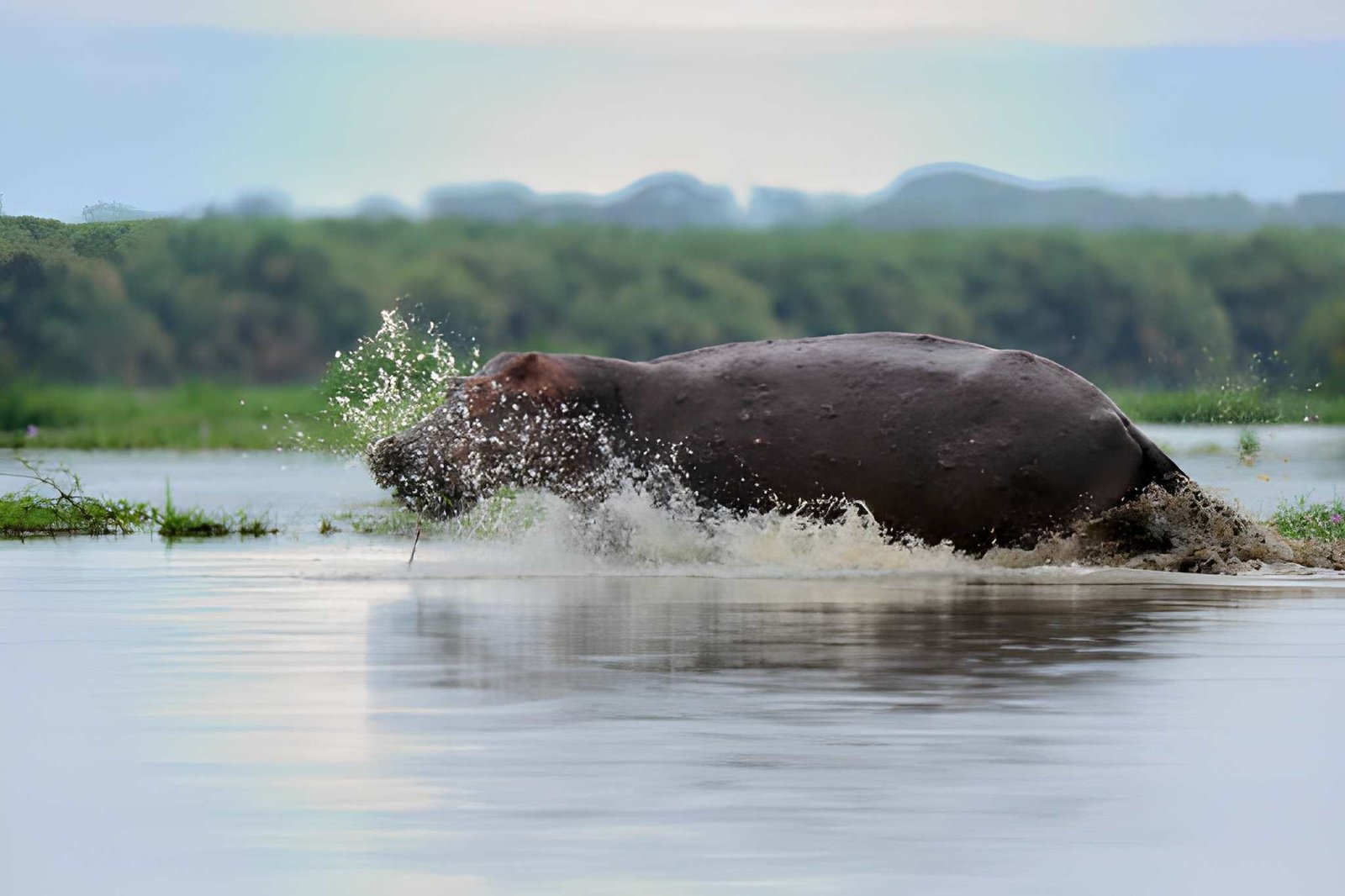
Huge numbers live along the river, seen at close range on every boat safari.
Where to look: Riverbanks below the falls
Some of the largest crocodiles in Africa bask on the banks of the Nile.
Where to look: Budongo Forest, Kaniyo Pabidi
Habituated chimps can be tracked in Budongo, a great complement to savannah game drives.
Where to look: Northern bank grasslands
Abundant on the savannah and an important prey species for lions.
Where to look: Northern bank savannah
Often seen at dawn or dusk scavenging or hunting on the plains.
Where to look: Ziwa Rhino Sanctuary, outside the park
Tracked on foot with rangers at Ziwa, an easy stop on the drive from Kampala.
Where to look: Nile–Lake Albert Delta
A prehistoric-looking bird of the papyrus swamps, best searched for on a delta boat trip.

The Murchison Falls
At Murchison, the Nile squeezes through a gorge just 7 metres wide before plunging 45 metres into the river below, creating a spectacular mist that envelops the area. Hiking to the top of the falls is one of the park's great highlights; standing beside the roaring water and feeling the refreshing spray is an experience of pure vitality.
Many visitors combine the hike with a boat cruise from Paraa to the base of the falls, passing hippos, crocodiles, elephants and many birds along the way. For the adventurous, nature walks on both the north and south banks, sport fishing and rafting add even more ways to experience the mighty Nile.
Safaris to 中文
Itineraries that include Murchison Falls, often combined with Ziwa Rhino Sanctuary, Kibale Forest and Queen Elizabeth National Park.
Uganda · 5 days
Murchison Falls
Uganda · 7 days
Murchison Falls · Kibale Forest · Queen Elizabeth

Tell us what you would love to see, from the falls and the Nile to chimps and rhinos. A GIP Adventure specialist will shape the right Murchison safari for you.
Usually replies within minutesHeritage
The falls were named after Sir Roderick Murchison, President of the Royal Geographical Society, by the explorer Samuel Baker, who reached them in the 1860s during the European search for the source of the Nile. The park's local name, Kabalega, honours Kabalega, the celebrated king of Bunyoro who resisted colonial rule, and the surrounding area remains part of the Bunyoro Kingdom.
Gazetted as a game reserve in 1926 and declared a national park in 1952, Murchison became one of Africa's most famous safari destinations, drawing visitors from around the world. Its wildlife suffered greatly during Uganda's years of conflict in the 1970s and 1980s, but sustained conservation has since allowed elephants, buffaloes, giraffes and other species to recover strongly.
Today, conservation focuses on protecting the park's wildlife and the wider Murchison Falls Conservation Area, including Budongo Forest. At Ziwa Rhino Sanctuary, a breeding programme is working to return rhinos to Uganda's national parks.
Two to three nights is ideal, allowing time for a game drive, the boat safari to the falls, the hike to the top of the falls and chimp tracking in Budongo.
The dry months from December to February and June to September are best for game viewing, though the falls and boat safaris are excellent all year.
You can see elephants, buffaloes, lions and, with luck, leopards in the park. Rhinos are found at Ziwa Rhino Sanctuary, which is easy to visit on the way from Kampala.
The best chance is on a boat trip to the Nile–Lake Albert Delta, where shoebills hunt in the papyrus swamps.
Yes. A guided hike leads to the top, where you can feel the spray and watch the Nile force itself through the gorge. It is often combined with the boat cruise.
Yes, in the Budongo Forest at Kaniyo Pabidi, where habituated chimps live among ancient mahogany trees.
About 305 km, roughly 5 to 6 hours by road, or a short flight to Pakuba or Bugungu airstrip.
Your safari starts here
Let GIP Adventure plan a safari that brings you to the thundering falls, the wildlife of the Nile and the wild savannahs of northern Uganda.
Chat with usOnline