
Ndere Cultural Centre
Captivating performances of music, dance and storytelling from Uganda's many ethnic groups.

Climbing Kilimanjaro
The complete guideRoutes & fitness calculatorWhat to packOur climbs
6-Day Kilimanjaro: Marangu Route7-Day Kilimanjaro: Machame Route6-Day Kilimanjaro: Umbwe Route7-Day Kilimanjaro: Rongai Route7-Day Kilimanjaro: Shira Plateau / Morrum Barrier Route9-Day Kilimanjaro: Lemosho Route4-Day Mount Meru Trek5-Day Ol Doinyo Lengai & Lake Natron Trek10-Day Kilimanjaro Trekking & Wildlife Safari11-Day Kilimanjaro Trekking & Wildlife SafariTour styles
Big 5 Safaris (7)Great Migration Safaris (6)Classic Wildlife Safaris (32)Wildlife-Themed Safaris (8)Fly-in & Luxury Safaris (8)Honeymoon Safaris (6)Mountain Trekking (10)Beach & Zanzibar Holidays (9)Gorilla & Primate Safaris (19)Multi-Country & Combination Safaris (9)Helicopter Safaris (5)Cultural Tours (2)Day Trips (10)Family SafarisCity Tours & Airport TransfersTailor-Made / Custom TripsPlan
All toursTanzania safari guidePlan a custom tripTanzania
All of TanzaniaNational ParksGame ReservesIslandsHistorical SitesMountains & VolcanoesLakes & WaterfallsCities & CoastKenya
All of KenyaNational ParksReserves & ConservanciesMountains & CoastCitiesUganda
All of UgandaNational ParksWildlife ReservesLakes & WaterfallsCities & GatewaysMore
Cultural experiencesLodges & campsAll destinationsUganda Cities & Gateways
Spread across green hills near the shores of Lake Victoria, Kampala is Uganda's energetic capital, a city of royal heritage, busy markets, music and boda-bodas.
Discover Kampala
Kampala is Uganda's capital and largest city, spread over a series of hills just north of Lake Victoria. It is the heart of the Buganda Kingdom and a vibrant mix of royal history, places of worship, crowded markets and a lively food and music scene.
Many visitors pass through on the way to the national parks, but a day or two here is well rewarded. Highlights include the Kasubi Tombs, the Kabaka's Palace and the Bulange at Mengo, the Uganda Museum, the Gaddafi National Mosque with its sweeping city views, and the cathedrals on Namirembe and Rubaga hills.
In the evening, the Ndere Cultural Centre is a fantastic venue to experience diverse Ugandan cultures through captivating performances of traditional music, dance and storytelling from various ethnic groups across the country.
Why Kampala
Kampala offers a rich cultural introduction before or after your safari.
Captivating performances of music, dance and storytelling from Uganda's many ethnic groups.
The Kasubi Tombs, Mengo Palace and the Bulange reveal the history of Uganda's largest kingdom.
Ethnographic and archaeological collections, including traditional musical instruments.
Climb the minaret for one of the best panoramic views over Kampala's hills.
Bustling Nakasero and Owino markets, rolex stalls and a growing café and restaurant scene.
The pilgrimage site honouring the Uganda Martyrs, with striking modern architecture.
Location
Kampala lies in central Uganda, a few kilometres north of Lake Victoria and about 40 km from Entebbe International Airport. The Kampala–Entebbe Expressway makes the airport transfer quicker, though city traffic can be heavy at peak times.
Kampala is the hub of Uganda's road network. Jinja and the source of the Nile are about 80 km to the east, Murchison Falls lies to the north, and the roads west lead to Lake Mburo, Queen Elizabeth, Kibale and Bwindi.
When to visit
Kampala is warm year-round, with two rainy and two drier seasons.
Warm and sunny, ideal for city tours and markets.
Heavy afternoon storms and a lush, green city.
Pleasant weather and the busiest safari months.
Intermittent showers and a lively events calendar.
Kampala can be visited in any month; the drier months are best for exploring on foot.
Warm and dry, a great month for city tours.
Hot and sunny, ideal for heritage sites and markets.
Long rains begin, with dramatic afternoon storms.
The wettest month; plan sightseeing for the mornings.
Rains ease and the hills turn a deep green.
Drier weather returns; Martyrs' Day on 3 June draws huge crowds to Namugongo.
Pleasant and dry, a busy month for travellers.
Good city weather and often a lively events season.
Mostly fine, with arts and music events in the city.
Short rains return; Independence Day celebrations on 9 October.
Showery afternoons and quieter attractions.
Drier and festive, with a busy holiday atmosphere.
Explore the area
Each of Kampala's hills and neighbourhoods has its own character.

An Evening at Ndere
The Ndere Cultural Centre brings together music, dance and storytelling from many of Uganda's ethnic groups in one captivating evening. Drums, xylophones, fiddles and harps accompany energetic dances from the north, east, west and centre of the country.
Combine it with a day exploring Kampala's royal sites and markets for a rich cultural introduction to Uganda.
Safaris to 中文
Uganda safaris and city tours that include Kampala.
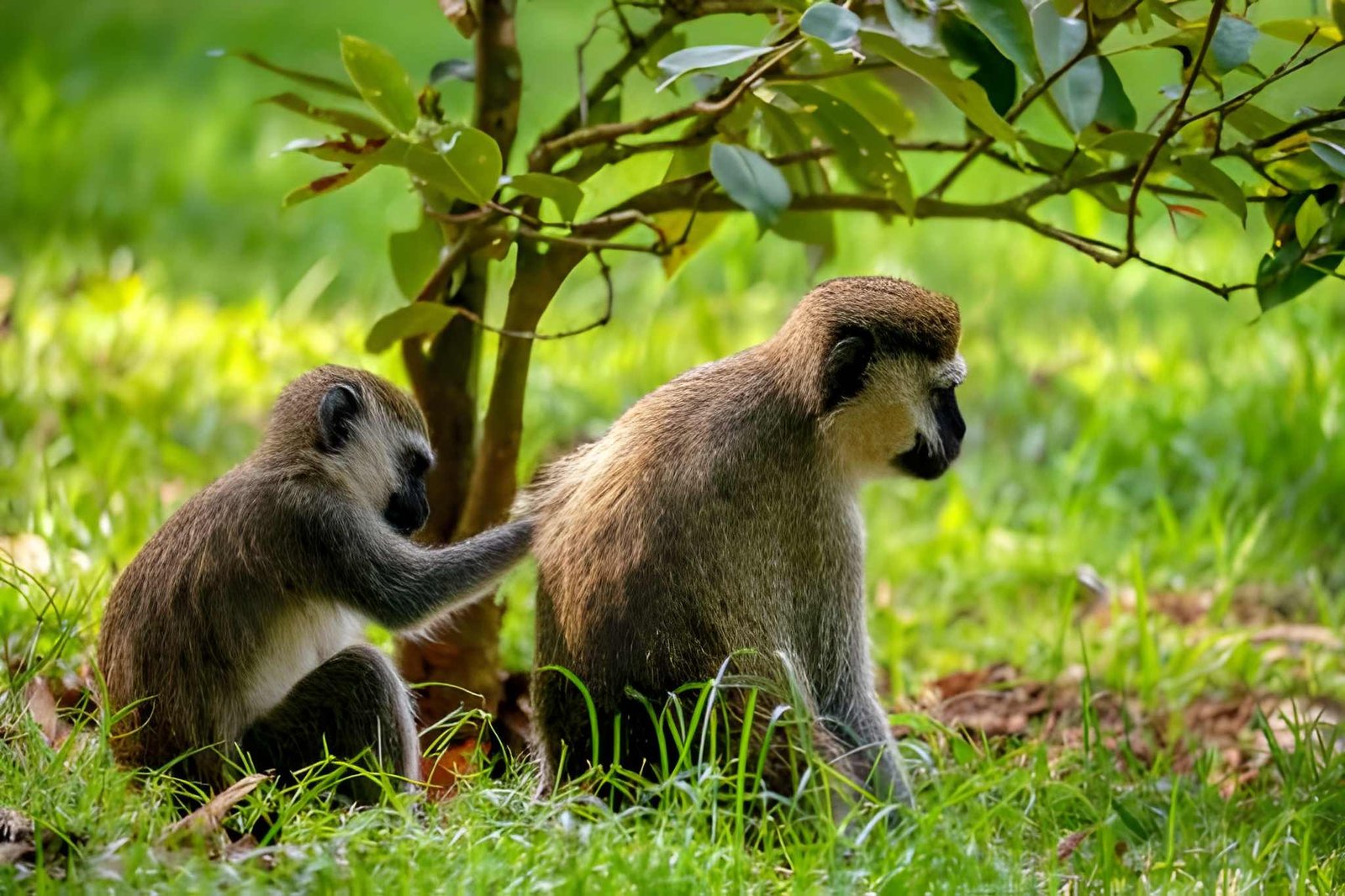
Uganda · 4 days
Kibale Forest · Queen Elizabeth
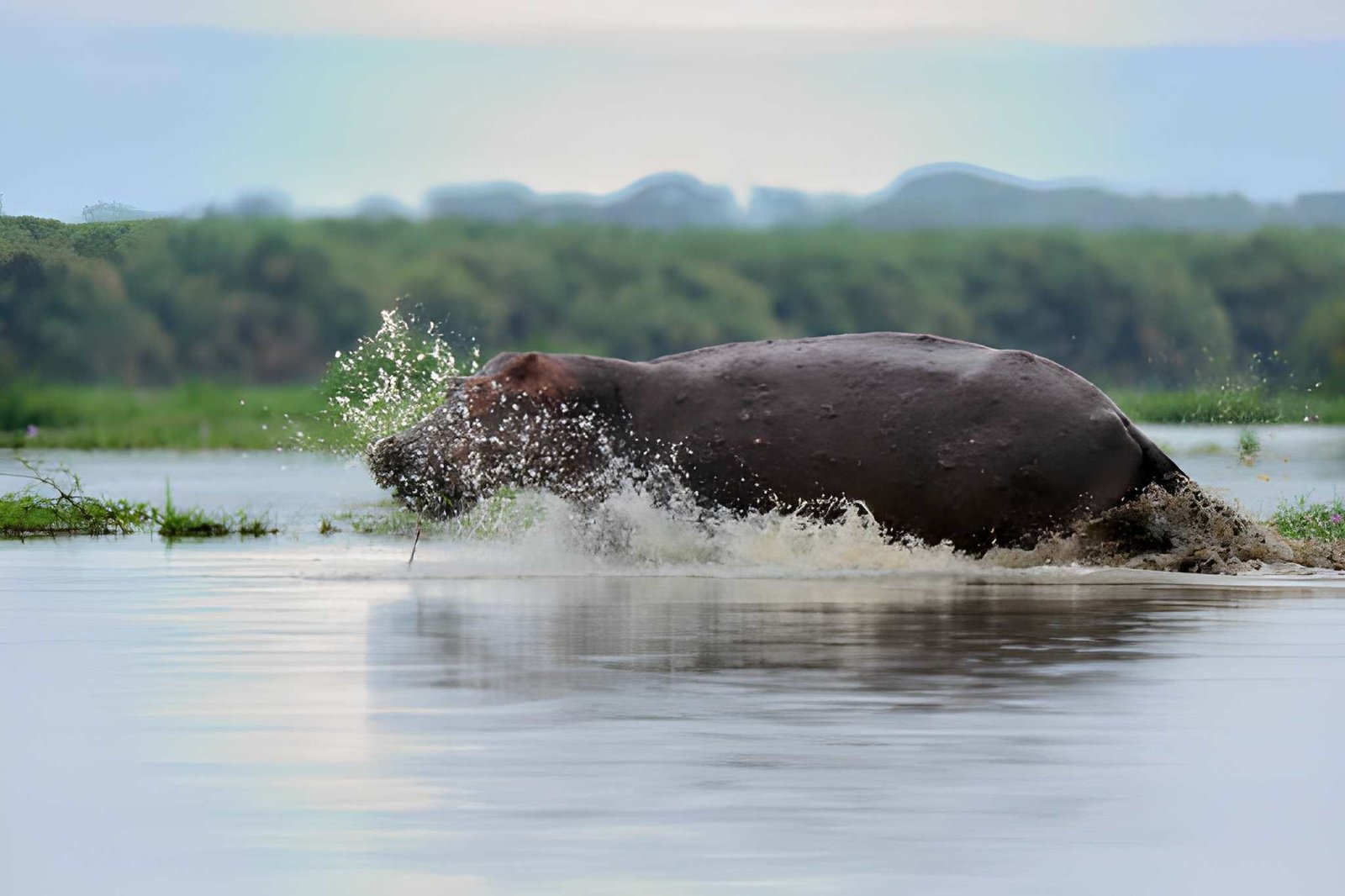
Uganda · 5 days
Murchison Falls
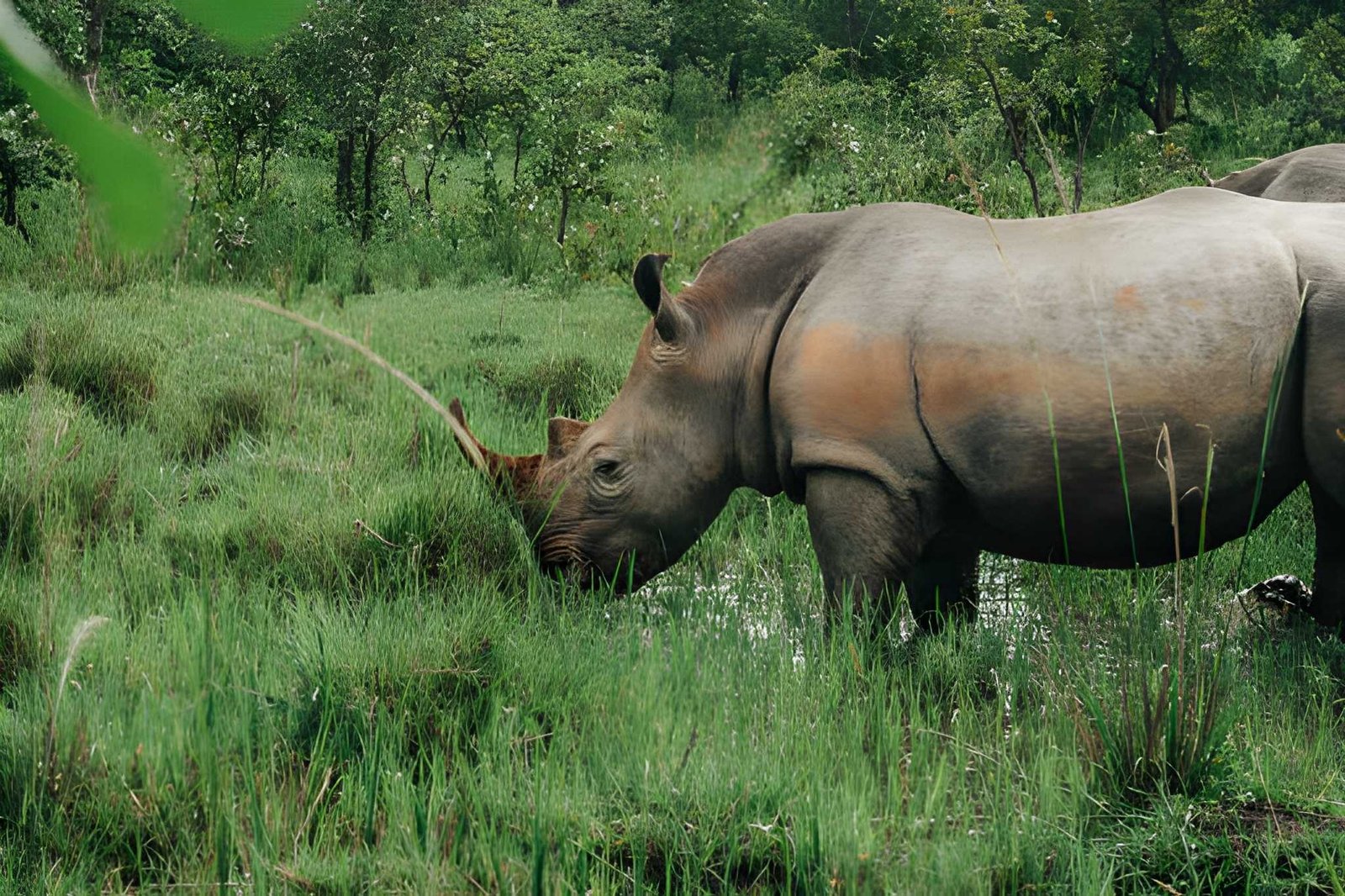
Uganda · 6 days
Kibale Forest · Queen Elizabeth · Lake Mburo
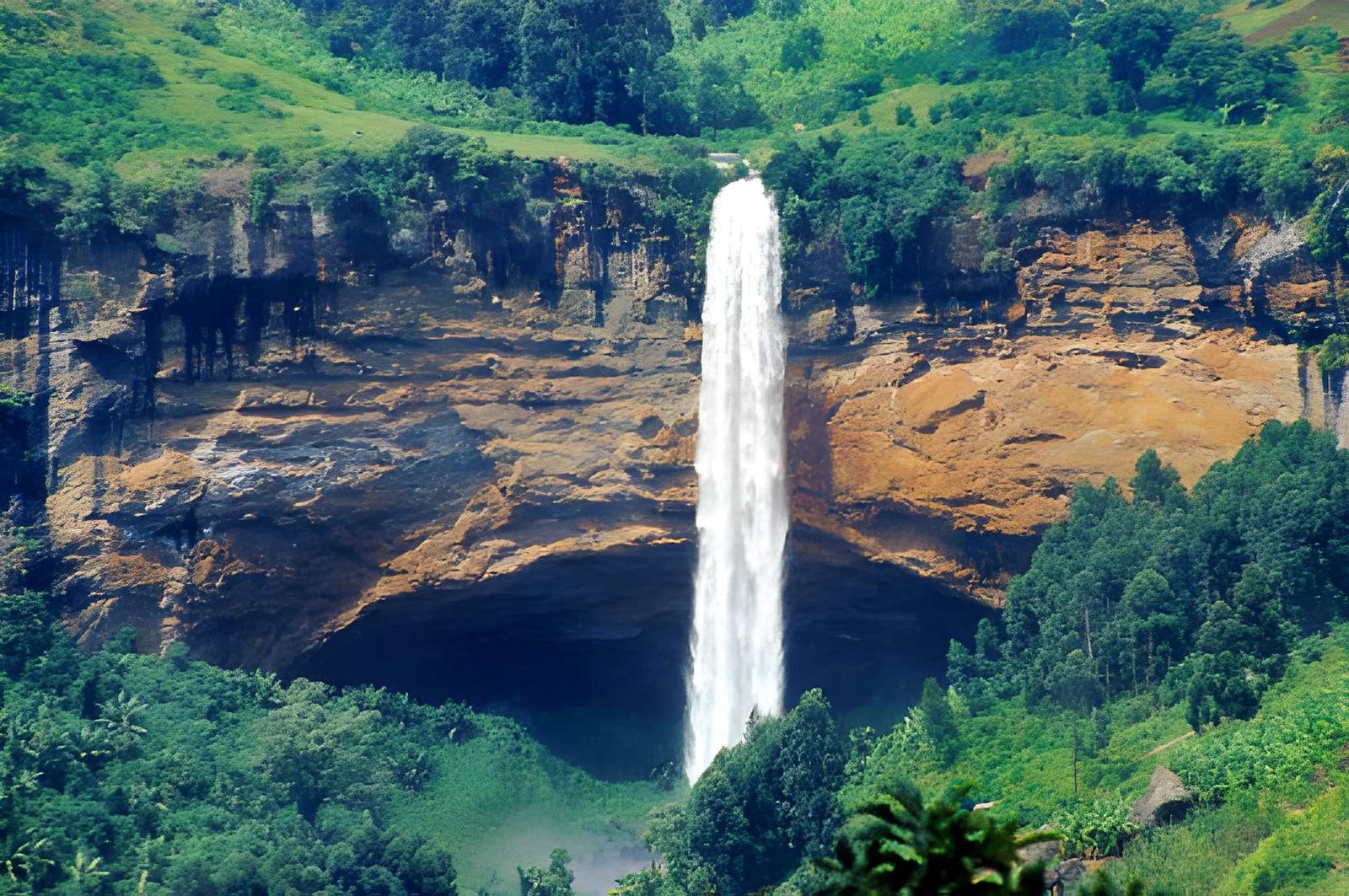
Uganda · 7 days
Murchison Falls · Kibale Forest · Queen Elizabeth
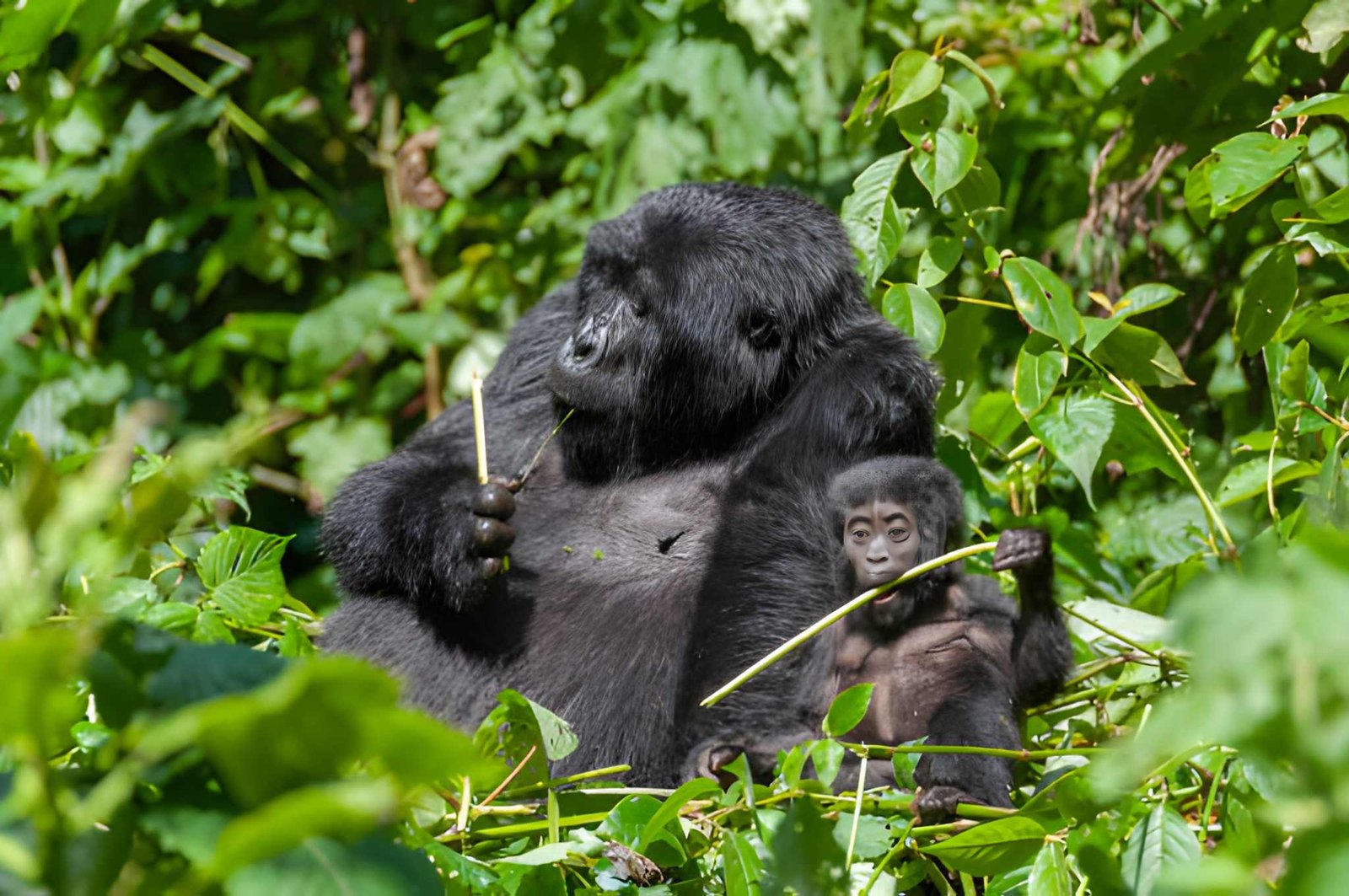
Uganda · 8 days
Kibale Forest · Queen Elizabeth · Bwindi · Lake Bunyonyi
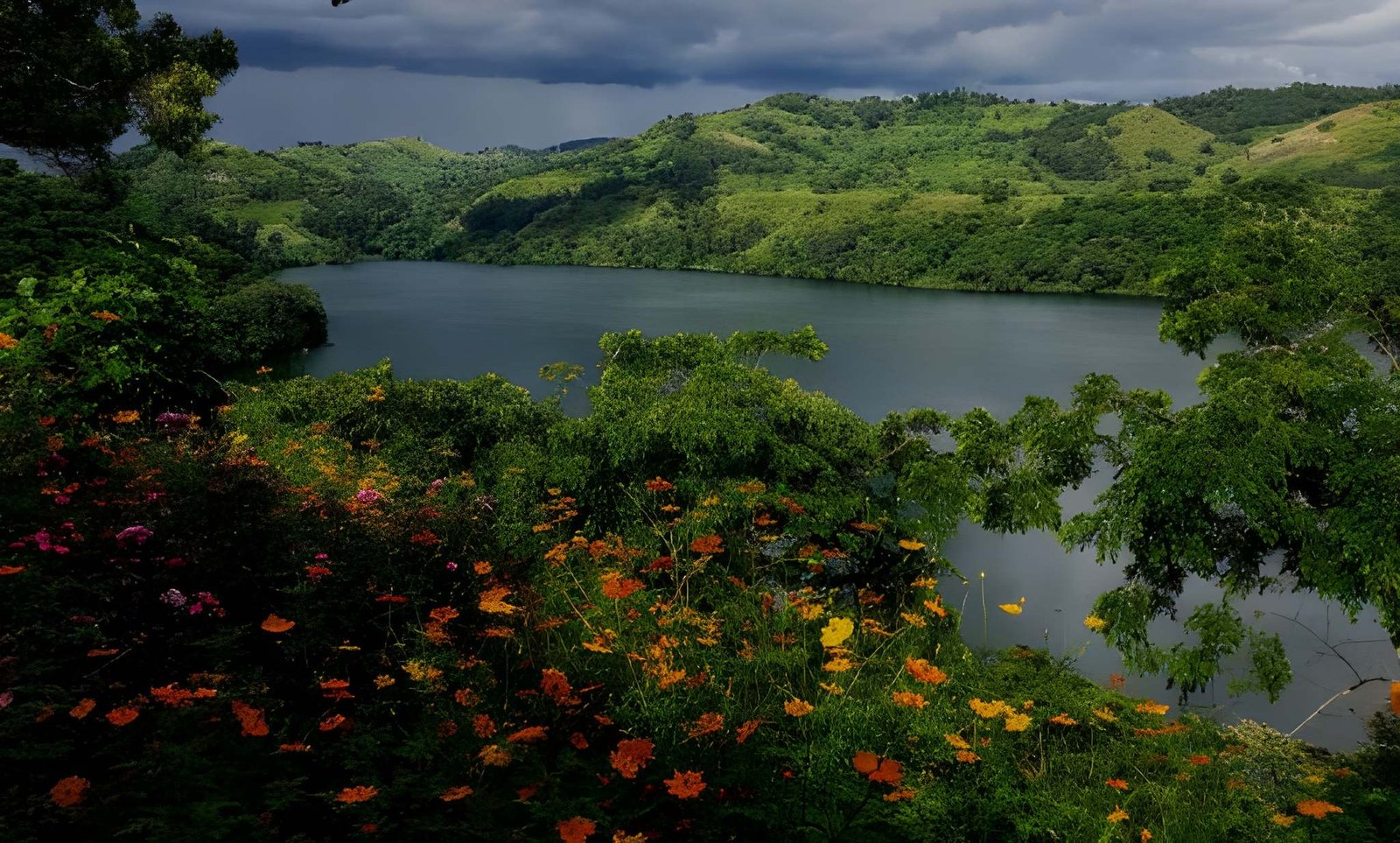
Uganda · 9 days
Lake Mburo · Queen Elizabeth · Bwindi · Lake Bunyonyi

Tell us your interests and a Gip Adventure specialist will plan your Kampala city tour, cultural evening and onward safari.
Usually replies within minutesHeritage
Kampala grew around the hills of the Buganda Kingdom, where Kabakas established their capitals. Its name is often traced to the Luganda phrase for the "hill of the impala", once said to graze on the slopes.
In the late 19th century the British established a fort on Old Kampala Hill, and the town grew into a colonial trading centre. At independence in 1962, Kampala became the national capital.
Today, Kampala is a fast-growing city where royal tradition, faith, commerce and creativity meet, and an essential stop for understanding Uganda beyond its wildlife.
Yes. Its royal sites, museums, markets and cultural performances offer a rich introduction to Uganda.
One full day covers the main highlights; two days allow a slower pace and an evening at Ndere.
Generally yes with normal city precautions. A guide and private transport make sightseeing easy.
We provide a private vehicle and guide; traffic can be heavy, so allow plenty of time.
A venue in Kampala staging traditional music, dance and storytelling from Uganda's many ethnic groups.
Entebbe is quieter and closer to the airport; Kampala is better for sightseeing and nightlife.
Your safari starts here
Let Gip Adventure show you the culture, history and energy of Uganda's capital.
Chat with usOnline