
Historic Old Town
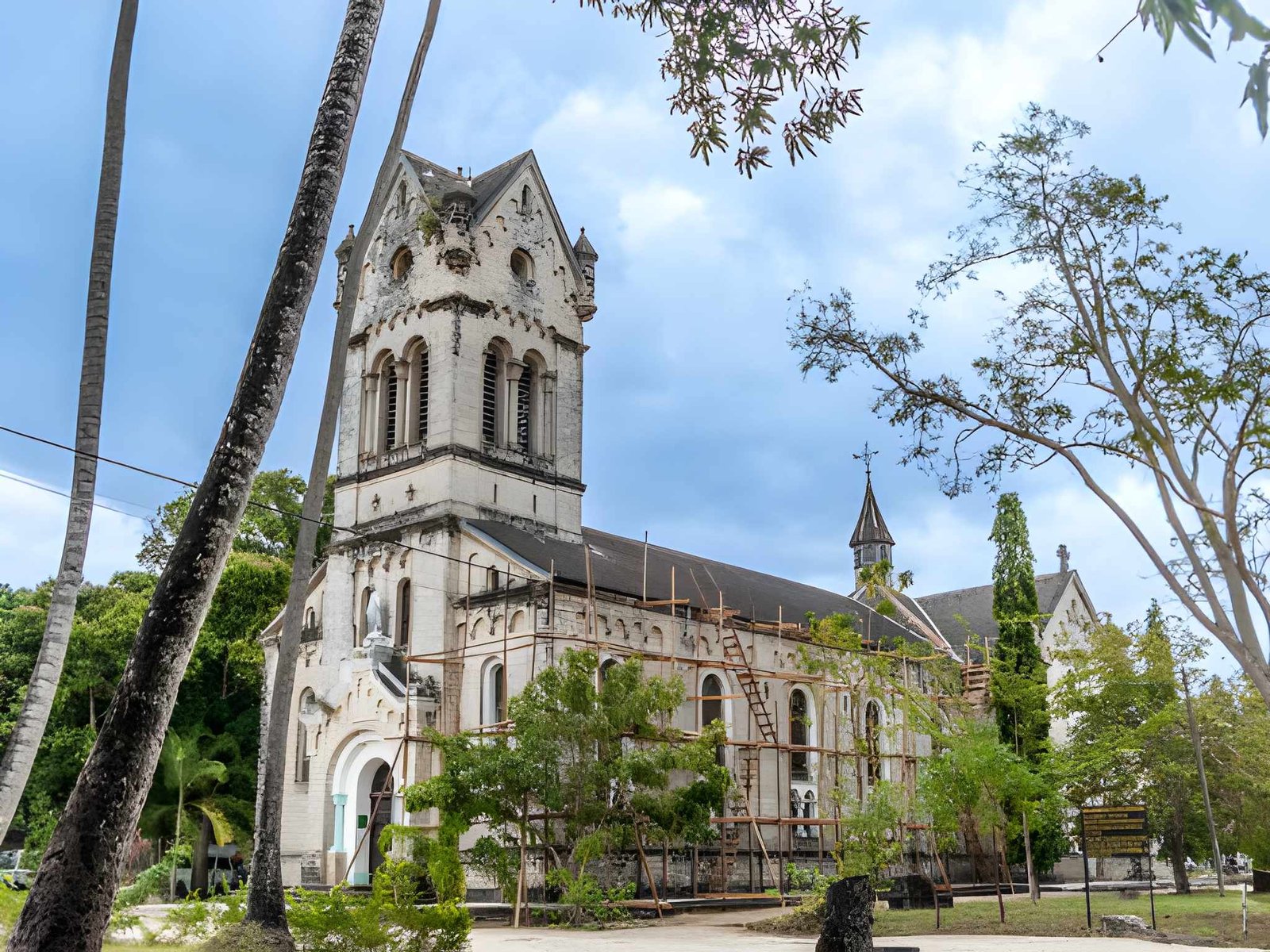
Wander past old merchants' houses, the German-era Boma and carved Swahili doors in a town shaped by centuries of Indian Ocean trade.

Climbing Kilimanjaro
The complete guideRoutes & fitness calculatorWhat to packOur climbs
6-Day Kilimanjaro: Marangu Route7-Day Kilimanjaro: Machame Route6-Day Kilimanjaro: Umbwe Route7-Day Kilimanjaro: Rongai Route7-Day Kilimanjaro: Shira Plateau / Morrum Barrier Route9-Day Kilimanjaro: Lemosho Route4-Day Mount Meru Trek5-Day Ol Doinyo Lengai & Lake Natron Trek10-Day Kilimanjaro Trekking & Wildlife Safari11-Day Kilimanjaro Trekking & Wildlife SafariTour styles
Big 5 Safaris (7)Great Migration Safaris (6)Classic Wildlife Safaris (32)Wildlife-Themed Safaris (8)Fly-in & Luxury Safaris (8)Honeymoon Safaris (6)Mountain Trekking (10)Beach & Zanzibar Holidays (9)Gorilla & Primate Safaris (19)Multi-Country & Combination Safaris (9)Helicopter Safaris (5)Cultural Tours (2)Day Trips (10)Family SafarisCity Tours & Airport TransfersTailor-Made / Custom TripsPlan
All toursTanzania safari guidePlan a custom tripTanzania
All of TanzaniaNational ParksGame ReservesIslandsHistorical SitesMountains & VolcanoesLakes & WaterfallsCities & CoastKenya
All of KenyaNational ParksReserves & ConservanciesMountains & CoastCitiesUganda
All of UgandaNational ParksWildlife ReservesLakes & WaterfallsCities & GatewaysMore
Cultural experiencesLodges & campsAll destinationsTanzania Cities & Coast
Where the Pangani River meets the Indian Ocean, an old Swahili trading town of crumbling stone houses, palm-lined beaches and quiet coral islands waits beside Saadani, the park where the bush kisses the beach.
Discover Pangani
Pangani is a historic town on Tanzania's northern coast, set on the shores of the Indian Ocean, the third largest ocean in the world, at the mouth of the Pangani River. Here the river forms a meeting point between salt and fresh water, after a long journey from its sources on the slopes of Mount Meru and Mount Kilimanjaro in northern Tanzania.
Once a hub of the Arab slave and ivory trade, Pangani still has carved doors, Swahili and Omani-era stone houses and German colonial buildings along its sleepy streets. Today it is an important corridor of commerce for the surrounding farmland, a significant producer of maize, bananas and sisal, with sisal estates stretching inland.
For travellers, Pangani is a peaceful alternative to busier beach destinations. Quiet beaches such as Ushongo lie to the south, Maziwe Island offers snorkelling over coral reefs, and just across the river begins Saadani National Park, one of the few parks in Africa where the bush meets the beach.
Why Pangani
Pangani combines Swahili heritage, uncrowded beaches and easy access to a coastal safari.
Wander past old merchants' houses, the German-era Boma and carved Swahili doors in a town shaped by centuries of Indian Ocean trade.
Glide upriver past mangroves, coconut palms and riverside villages, watching for kingfishers, fish eagles and monkeys.
A tiny sand island surrounded by coral reefs, reached by boat at low tide, with excellent snorkelling.
Long, quiet beaches lined with palms south of town, perfect for swimming, kayaking and relaxing.
Combine beach time with game drives, boat safaris and walks in Saadani National Park, where wildlife sometimes strolls onto the sand.
Fishing dhows, sisal plantations and village markets offer a genuine glimpse of life on the Swahili coast.
Location
Pangani lies on Tanzania's northern coast in Tanga Region, south of the city of Tanga and north of Saadani National Park. From Arusha or Kilimanjaro International Airport, the drive takes most of a day via Moshi and the Usambara foothills, while from Dar es Salaam it is roughly five to six hours by road. Tanga has an airstrip with domestic flights, and light aircraft also serve the Saadani area.
A small vehicle ferry crosses the Pangani River to the southern beaches and onwards towards Saadani. Pangani also makes an excellent coastal stop between a northern safari and Zanzibar or Pemba.
When to visit
Pangani has a warm tropical climate, with average temperatures of about 22 to 30.8°C and annual rainfall of around 1,500 mm falling mainly in two rainy seasons.
The most pleasant time to visit, with sea breezes, sunny days and good conditions for snorkelling, river cruises and Saadani game drives.
Short showers between sunny spells, with green landscapes and turtle activity on nearby beaches.
Hot, humid and often calm, with clear water around Maziwe Island.
Heavy rain can make roads difficult, and some small lodges may close; the quietest time of year.
Pangani is best from June to October, with January and February also good for beach days.
Hot and sunny, with calm seas for snorkelling at Maziwe Island.
One of the hottest months, ideal for beach time and swimming.
Long rains begin, with heavy showers and humid air.
Usually the wettest month; roads can be muddy and some lodges close.
Rains ease and the coast turns lush and green.
Dry season begins, with fresh breezes and pleasant temperatures.
Cool, dry and sunny, great for river cruises and Saadani safaris.
Excellent dry weather for combining beach and wildlife.
Warm and dry, with good visibility on the reefs.
Warm, dry and quiet, before the short rains.
Short rains bring brief showers and green scenery.
Hot and sunny, with festive-season visitors on the beaches.
Explore the area
From historic streets to coral islands and wild coastal bush, Pangani has variety on its doorstep.
Wildlife
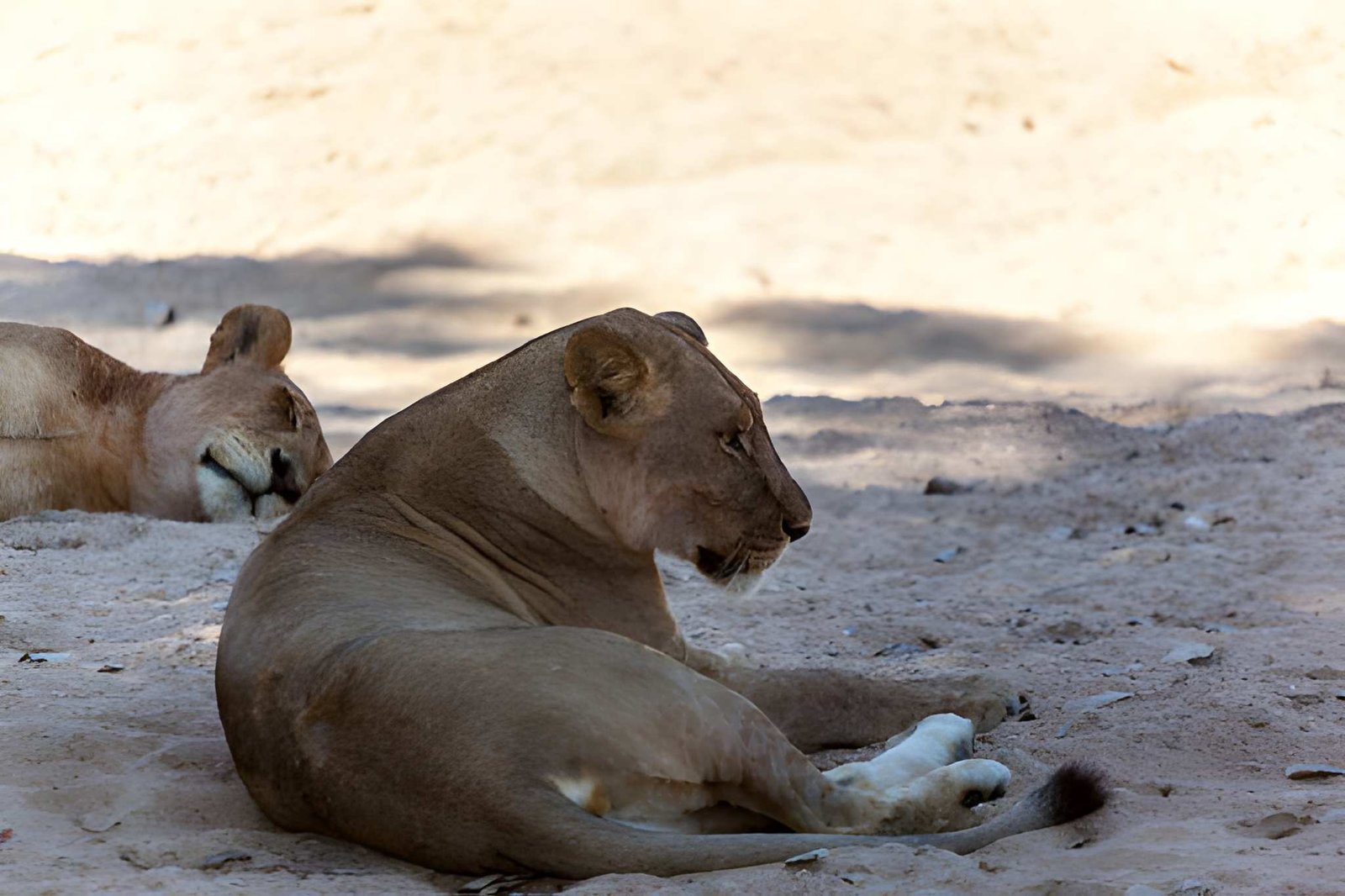
Pangani's coral reefs, mangrove river and long beaches support rich marine and birdlife, while neighbouring Saadani National Park adds elephants, giraffes, buffalo and hippos. Saadani covers around 1,100 km², most of it on land with a small marine area, and it is one of the few parks in Africa where large mammals have been seen strolling on the beach.
Where to look: Coral reefs around Maziwe Island
Colourful parrotfish, angelfish and butterflyfish fill the shallow reefs.
Where to look: Maziwe Island and beaches near Ushongo and Saadani
Green turtles feed offshore and nest on quiet beaches along this stretch of coast.
Where to look: Coastal waters off Pangani
Dolphins are sometimes encountered on boat trips to the reefs.
Where to look: Open ocean channel
Humpbacks pass along the Tanzanian coast during their seasonal migration and are occasionally seen.
Where to look: Pangani River and Saadani's rivers
Crocodiles bask on quiet riverbanks upstream and in the Wami River.
Where to look: Wami River in Saadani
Pods of hippos wallow in the river and are best seen on a boat safari.
Where to look: Saadani National Park
Elephants roam the park's woodland and are sometimes seen near the beach.
Where to look: Saadani grasslands
Giraffes browse among the acacias and palms of Saadani.
Where to look: Pangani and Wami rivers
A familiar sight perched above the river, calling loudly.
Where to look: Mangroves along the river
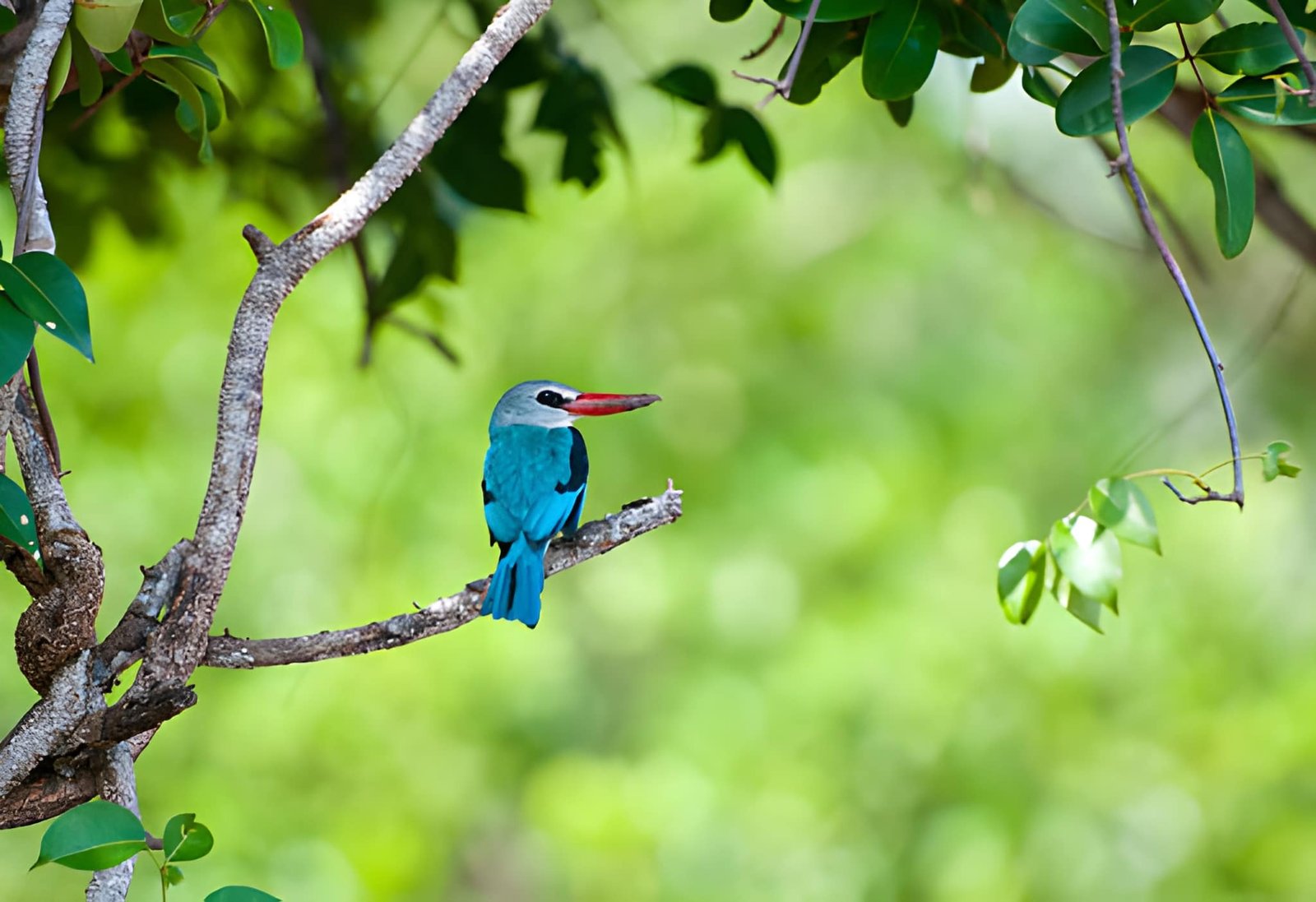
A colourful kingfisher of the coastal mangroves and riverine thickets.

Where the bush kisses the beach
Saadani National Park, with an area of about 1,100 km², is the only park in Tanzania where the bush kisses the beach. Located alongside the coastline of the Indian Ocean, it is unique in combining terrestrial and marine habitats, flora and fauna, and it is one of the few parks in Africa where mega fauna have been seen strolling along the sand.
From Pangani, cross the river and head south for game drives through grassland and palm savannah, a boat safari on the Wami River to see hippos, crocodiles and birds, and a beach picnic where the wilderness meets the waves, before returning to the peace of Pangani's old town.
Safaris to 中文
Coastal journeys and safaris that combine Pangani's beaches with Saadani National Park and the wider north coast.
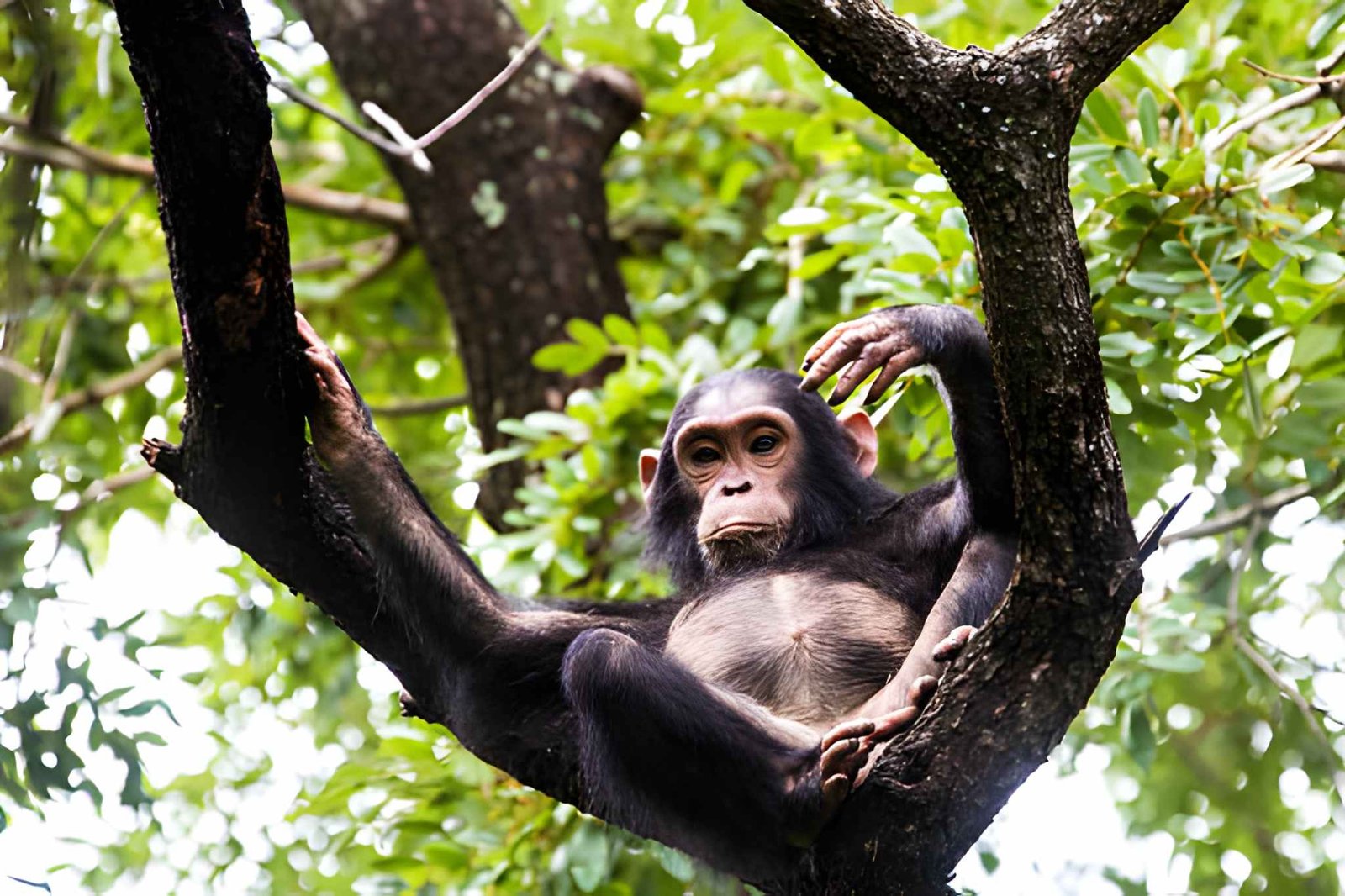
Tanzania · 10 days
Kigoma · Gombe · Mahale Mountains
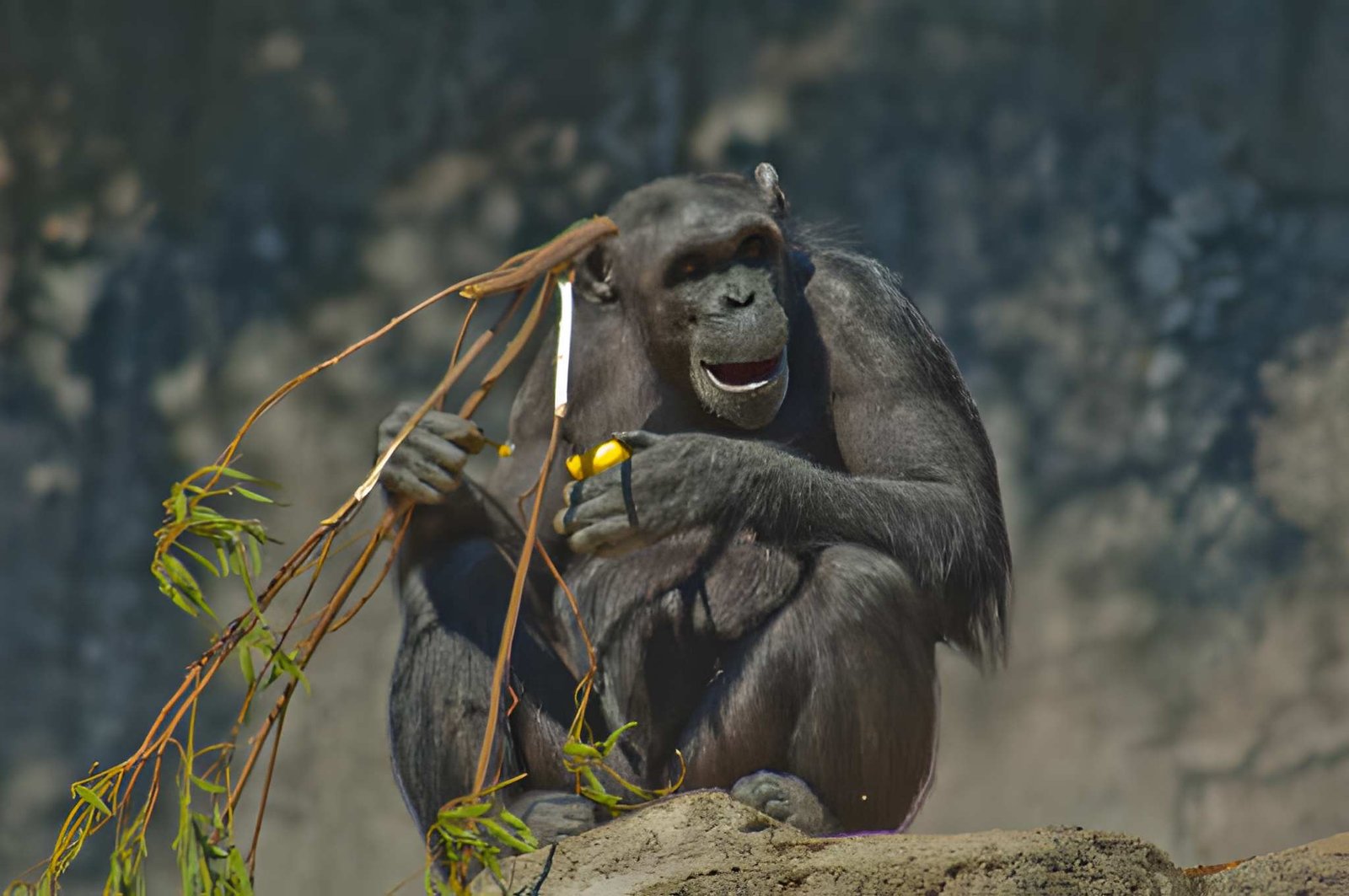
Tanzania · 10 days
Kigoma · Mahale Mountains · Gombe · Katavi

Tanzania · 12 days
Rubondo Island · Kigoma · Gombe · Mahale Mountains
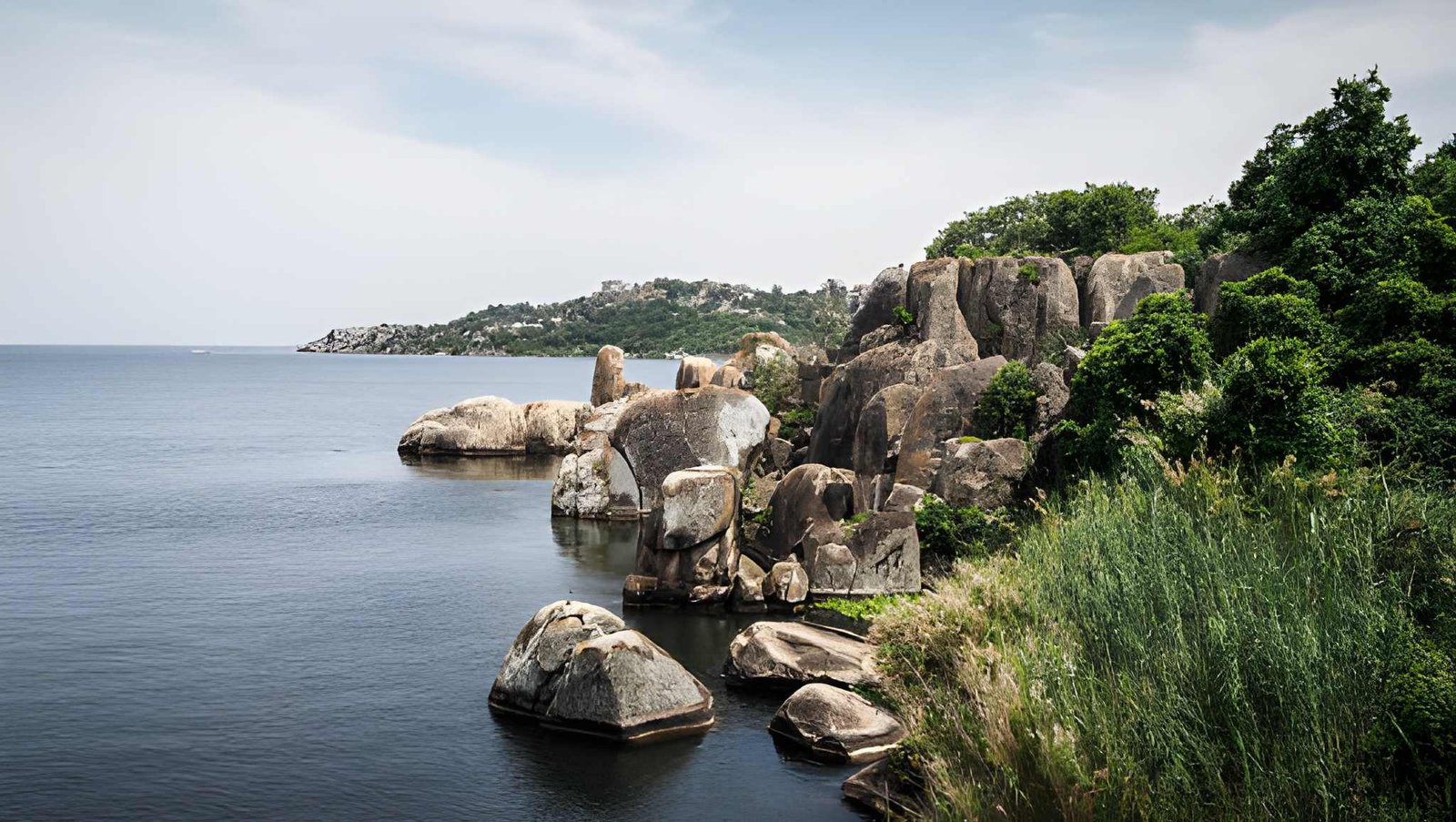
Tanzania · 8 days
Rubondo Island · Gombe
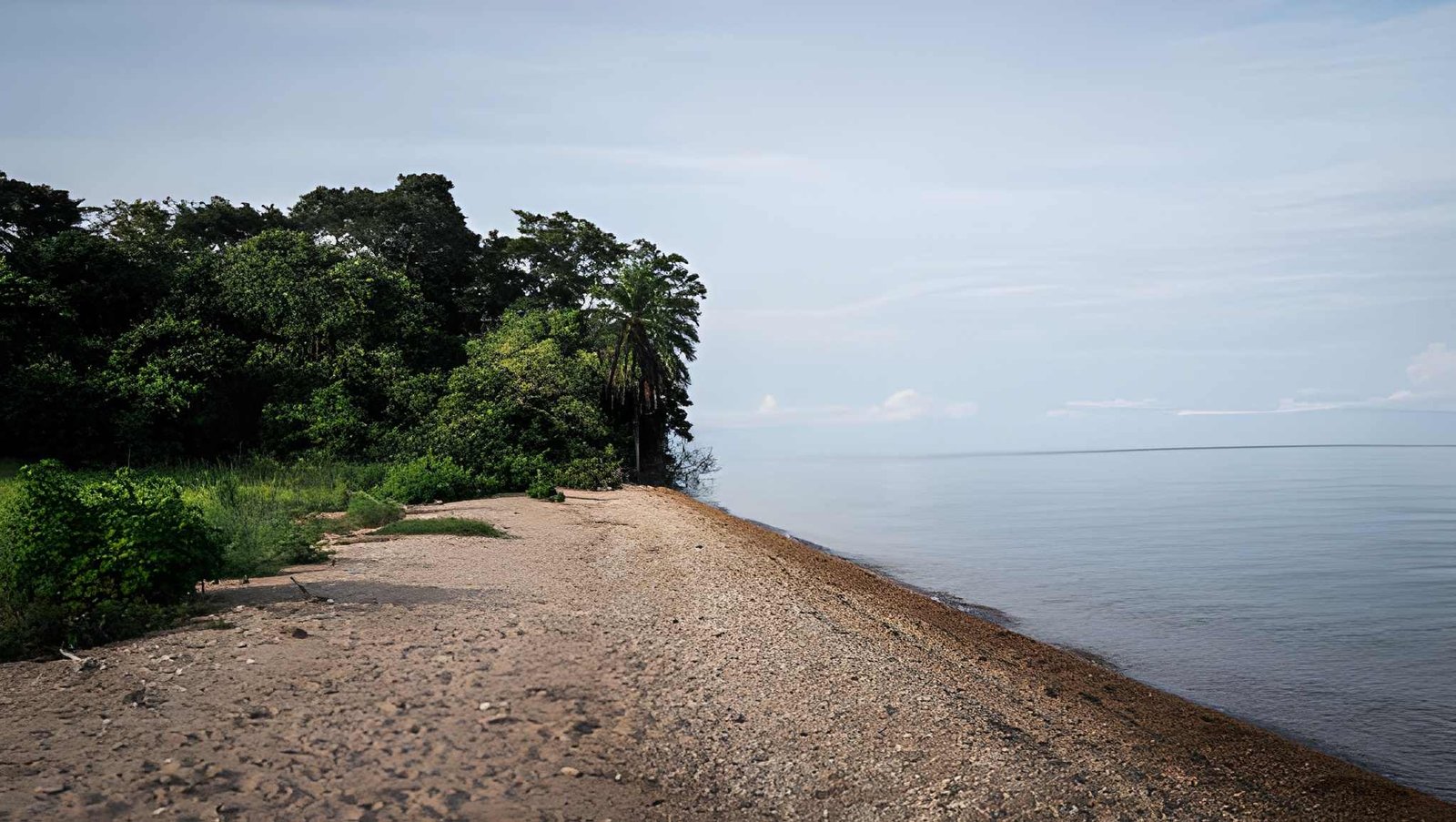
Tanzania · 10 days
Rubondo Island · Mahale Mountains · Gombe
Tanzania · 7 days
Nyerere · Mikumi · Saadani
Tanzania · 8 days
Nyerere · Mikumi · Saadani · Bagamoyo
Tanzania · 4 days
Same · Tanga
Tanzania · 4 days
Same · Tanga
Stay in 中文
Relaxed beach lodges around Pangani and Ushongo, and safari camps in nearby Saadani National Park.

Tell us how long you have, and a Gip Adventure specialist will combine Pangani's history and beaches with a Saadani safari, a northern circuit adventure or an island stay.
Usually replies within minutesHeritage
Pangani has been a trading town for centuries, linking the Indian Ocean with the interior along the river valley. In the nineteenth century, under the influence of the Zanzibar sultanate, it became a hub of the Arab slave and ivory trade, and caravans set out from here towards Kilimanjaro and beyond. Some of the stone buildings in the old town date from this period.
In 1888 Pangani was one of the centres of the coastal uprising led by Abushiri bin Salim against the German East Africa Company. After the Germans took control, the town became an administrative centre, and sisal and coconut plantations spread across the surrounding land.
Today Pangani is a quiet coastal town whose economy rests on fishing, farming and tourism. Its historic buildings, river and marine reserves, together with neighbouring Saadani National Park, make it a rewarding place to experience the history and nature of the Swahili coast.
Its historic old town, its location at the mouth of the Pangani River, quiet beaches, Maziwe Island snorkelling and its proximity to Saadani National Park.
By road from Arusha, Moshi, Tanga or Dar es Salaam, or by flying to Tanga or the Saadani area and continuing by road.
Yes. Saadani National Park lies just south of the river, and Pangani is also an easy coastal extension after a northern circuit safari.
Yes. Maziwe Island has shallow coral reefs with plenty of colourful fish, best visited around low tide in calm weather.
Warm and tropical, with average temperatures of about 22 to 30.8°C. June to October is the most comfortable period.
No. It is one of the quieter beach areas in Tanzania, ideal for travellers looking for peace and authentic coastal life.
Two to four nights allows time for the old town, a river cruise, a reef trip and a day or overnight in Saadani.
Your safari starts here
Let Gip Adventure plan your escape to Pangani, where river, ocean, history and wild coast meet.
Chat with usOnline