
A One-of-a-Kind Volcano
The only active volcano on Earth producing carbonate lava, a phenomenon studied by geologists from around the world.

Climbing Kilimanjaro
The complete guideRoutes & fitness calculatorWhat to packOur climbs
6-Day Kilimanjaro: Marangu Route7-Day Kilimanjaro: Machame Route6-Day Kilimanjaro: Umbwe Route7-Day Kilimanjaro: Rongai Route7-Day Kilimanjaro: Shira Plateau / Morrum Barrier Route9-Day Kilimanjaro: Lemosho Route4-Day Mount Meru Trek5-Day Ol Doinyo Lengai & Lake Natron Trek10-Day Kilimanjaro Trekking & Wildlife Safari11-Day Kilimanjaro Trekking & Wildlife SafariTour styles
Big 5 Safaris (7)Great Migration Safaris (6)Classic Wildlife Safaris (32)Wildlife-Themed Safaris (8)Fly-in & Luxury Safaris (8)Honeymoon Safaris (6)Mountain Trekking (10)Beach & Zanzibar Holidays (9)Gorilla & Primate Safaris (19)Multi-Country & Combination Safaris (9)Helicopter Safaris (5)Cultural Tours (2)Day Trips (10)Family SafarisCity Tours & Airport TransfersTailor-Made / Custom TripsPlan
All toursTanzania safari guidePlan a custom tripTanzania
All of TanzaniaNational ParksGame ReservesIslandsHistorical SitesMountains & VolcanoesLakes & WaterfallsCities & CoastKenya
All of KenyaNational ParksReserves & ConservanciesMountains & CoastCitiesUganda
All of UgandaNational ParksWildlife ReservesLakes & WaterfallsCities & GatewaysMore
Cultural experiencesLodges & campsAll destinationsTanzania Mountains & Volcanoes
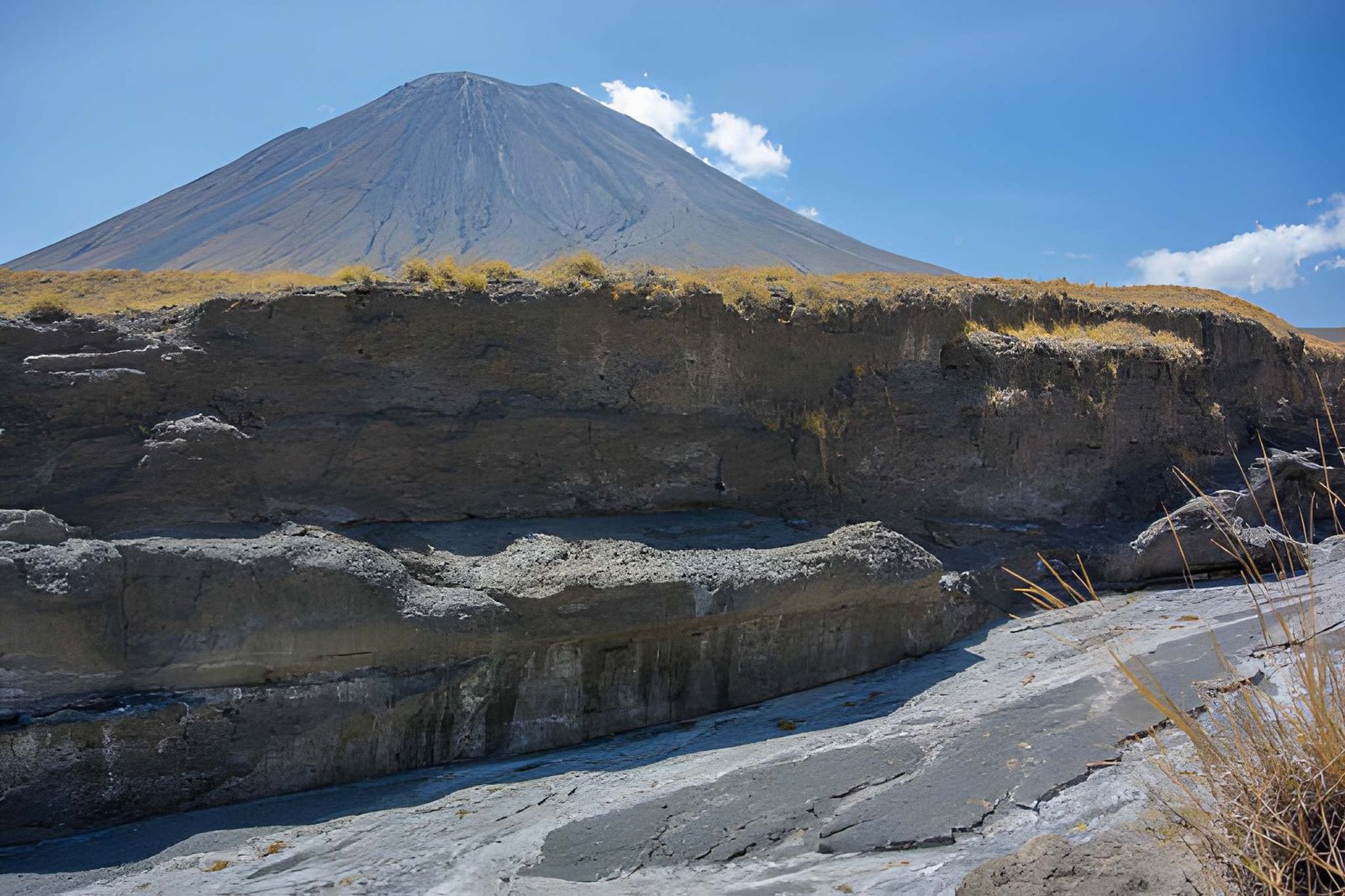
A perfect, steep-sided cone above the shimmering soda flats of Lake Natron, Ol Doinyo Lengai is the Maasai Mountain of God and one of the most extraordinary active volcanoes on Earth.
Discover Ol Doinyo Lengai
Ol Doinyo Lengai, known to the Maasai as the Mountain of God, is an active volcano in the Great Rift Valley of northern Tanzania, rising steeply above the southern shore of Lake Natron. Estimated to be around 350,000 to 400,000 years old, it is one of the youngest and most active volcanoes in East Africa.
What makes Lengai unique is its lava. It is the only known active volcano in the world to erupt natrocarbonatite, a carbonate lava that contains almost no silicon. Erupting at around 510°C, roughly half the temperature of ordinary basalt lava, it is exceptionally fluid, flowing with a viscosity close to water. It emerges black or dark brown and turns white within days as it reacts with moisture in the air, giving the summit its snow-dusted look.
The mountain can be climbed, but it is a serious undertaking suited to reasonably fit and agile travellers. The trail is relentlessly steep and the descent is tough on knees and ankles, yet the reward is a dawn view across the Rift Valley from the rim of a living crater.
Why Ol Doinyo Lengai
Lengai combines geology found nowhere else, raw Rift Valley scenery and the living culture of the Maasai in one unforgettable adventure.
The only active volcano on Earth producing carbonate lava, a phenomenon studied by geologists from around the world.
Reach the crater rim at dawn for views over Lake Natron, the Rift escarpment and the neighbouring Gelai volcano.
To the Maasai, Lengai is the home of Engai, their god, and the mountain remains deeply important to local communities.
Combine your climb with flamingos on Lake Natron, the Engare Sero waterfall and ancient human footprints.
Remote, raw and challenging, Lengai offers a true sense of exploration far from the busy safari routes.
Location
Ol Doinyo Lengai rises in the Arusha region of northern Tanzania, just south of Lake Natron and north of the Ngorongoro Highlands. Climbs start from the campgrounds and lodges around Lake Natron and the village of Engare Sero.
From Arusha, the drive to Lake Natron takes around five to six hours via Mto wa Mbu, with the final stretch on rough tracks through Maasai country. The area can also be reached from the Serengeti via Loliondo, and light aircraft can land at a nearby airstrip.
When to visit
Lengai is climbed at night all year round, but the dry months bring firmer footing and clearer dawn views.
The best time to climb, with dry ash slopes, cooler nights and clear sunrise views. Lake Natron's flamingos are present in good numbers.
Occasional showers can make the upper slopes slippery, but the climb is usually possible and the area is quiet.
Very hot by day around Lake Natron, but good climbing conditions at night and generally clear skies.
Heavy rain makes the steep ash gullies dangerous and access roads difficult. Climbing is not recommended.
June to October is ideal, with January and February also good. Avoid the long rains, when the slopes become treacherous.
Hot by day but dry, with good night climbing and clear dawn views.
A reliable dry month, though Lake Natron is very hot in the afternoons.
Rains often begin, making the steep upper slopes slippery.
The wettest month; climbing is generally not advisable.
Rains ease late in the month, but tracks to Lake Natron can remain muddy.
The dry season begins, with cooler nights ideal for the climb.
Excellent climbing conditions and comfortable night temperatures.
Peak season, with firm footing and spectacular sunrises from the rim.
Dry and clear, a superb month to combine Lengai with Lake Natron.
Still dry and hot, with large numbers of flamingos on Lake Natron.
Short rains may bring showers, but many nights remain clear.
Mixed weather, with warm days and generally good climbing nights.
Explore the area
The volcano sits at the heart of a remarkable corner of the Rift Valley, where a climb is easily combined with other unforgettable sights.
Wildlife
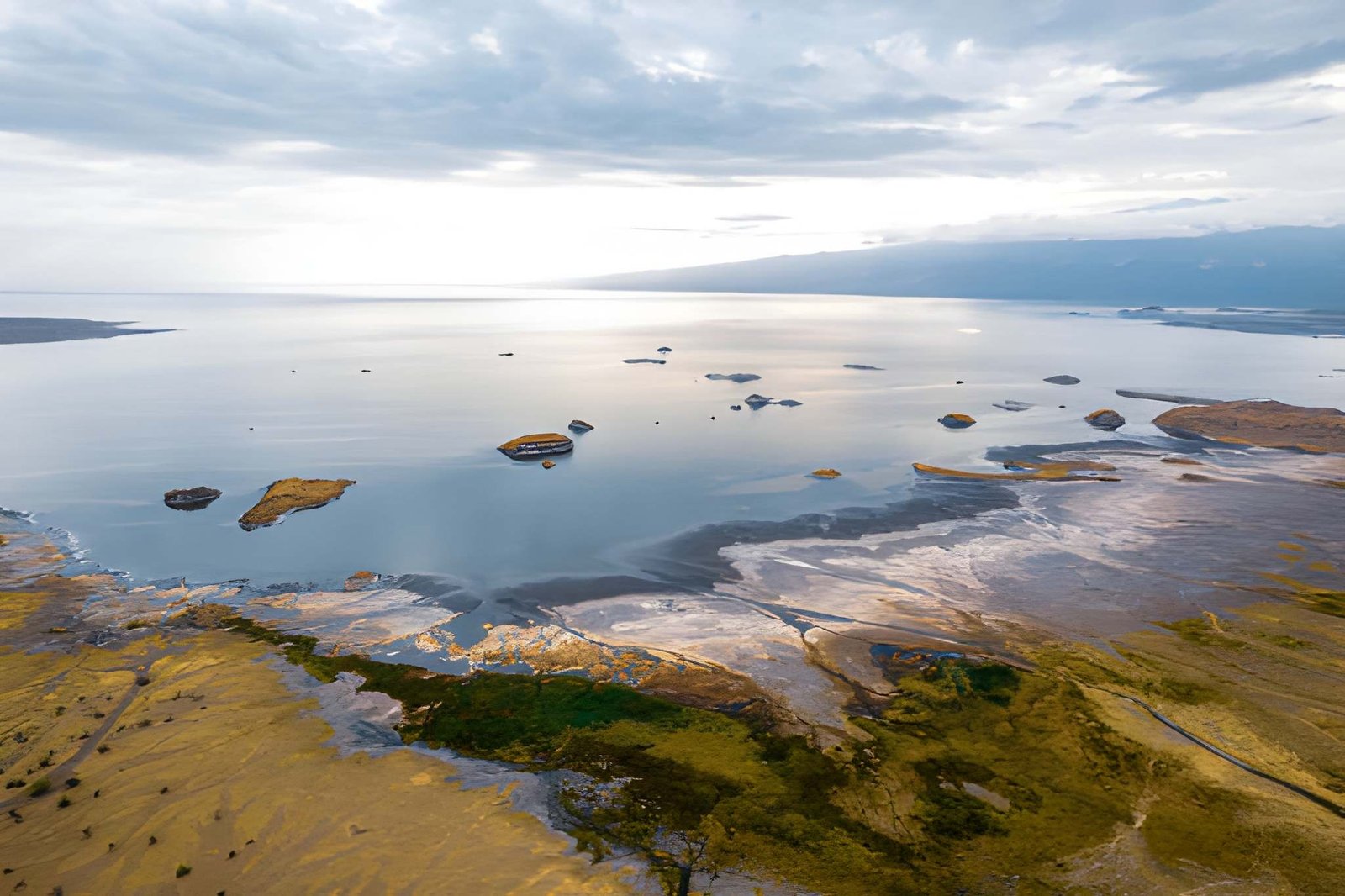
The slopes of Ol Doinyo Lengai themselves are harsh and nearly bare, but the surrounding plains and Lake Natron support a surprising variety of life. Thousands of lesser flamingos feed and breed on the soda lake, joined by greater flamingos, pelicans and waders along the shoreline.
On the dry plains, Maasai herds share the land with wildlife such as zebra, wildebeest, Grant's gazelle, giraffe and ostrich, while fringe-eared oryx and gerenuk are occasionally seen in the drier bush.
Where to look: Lake Natron shoreline
Lake Natron is the world's most important breeding site for this species, often seen in vast pink flocks.
Where to look: Shallows of Lake Natron
Taller and paler than the lesser flamingo, feeding alongside them in the shallows.
Where to look: Plains between the volcano and the lake
An elegant gazelle well adapted to the dry Rift Valley floor.
Where to look: Open plains around Lake Natron
Often seen grazing on the dry plains alongside Maasai herds.
Where to look: Plains south of the lake
Small herds roam the open country around the volcano.
Where to look: Acacia bush on the approach roads
Masai giraffes browse the acacias along the drive to Lake Natron.
Where to look: Dry open plains
Frequently seen striding across the plains below the mountain.
Where to look: Dry bush country
A dry-country antelope with long, straight horns, seen occasionally.
Where to look: Plains and lake shore
Often seen trotting across the flats in search of food.

The Night Climb
Climbs usually start around midnight to avoid the fierce daytime heat. By head-torch you follow a steep, unrelenting trail of loose ash and rock, taking around 5 to 6 hours to reach the crater rim as dawn breaks over the Rift Valley.
At the top you look into the active north crater, where fresh carbonate lava may be steaming, before beginning the descent of around 2 to 3 hours, which is very hard on knees and ankles. Carry plenty of water, wear good boots and use trekking poles.
Safaris to 中文
Lengai treks combined with Lake Natron, Engare Sero and the wider northern safari circuit.
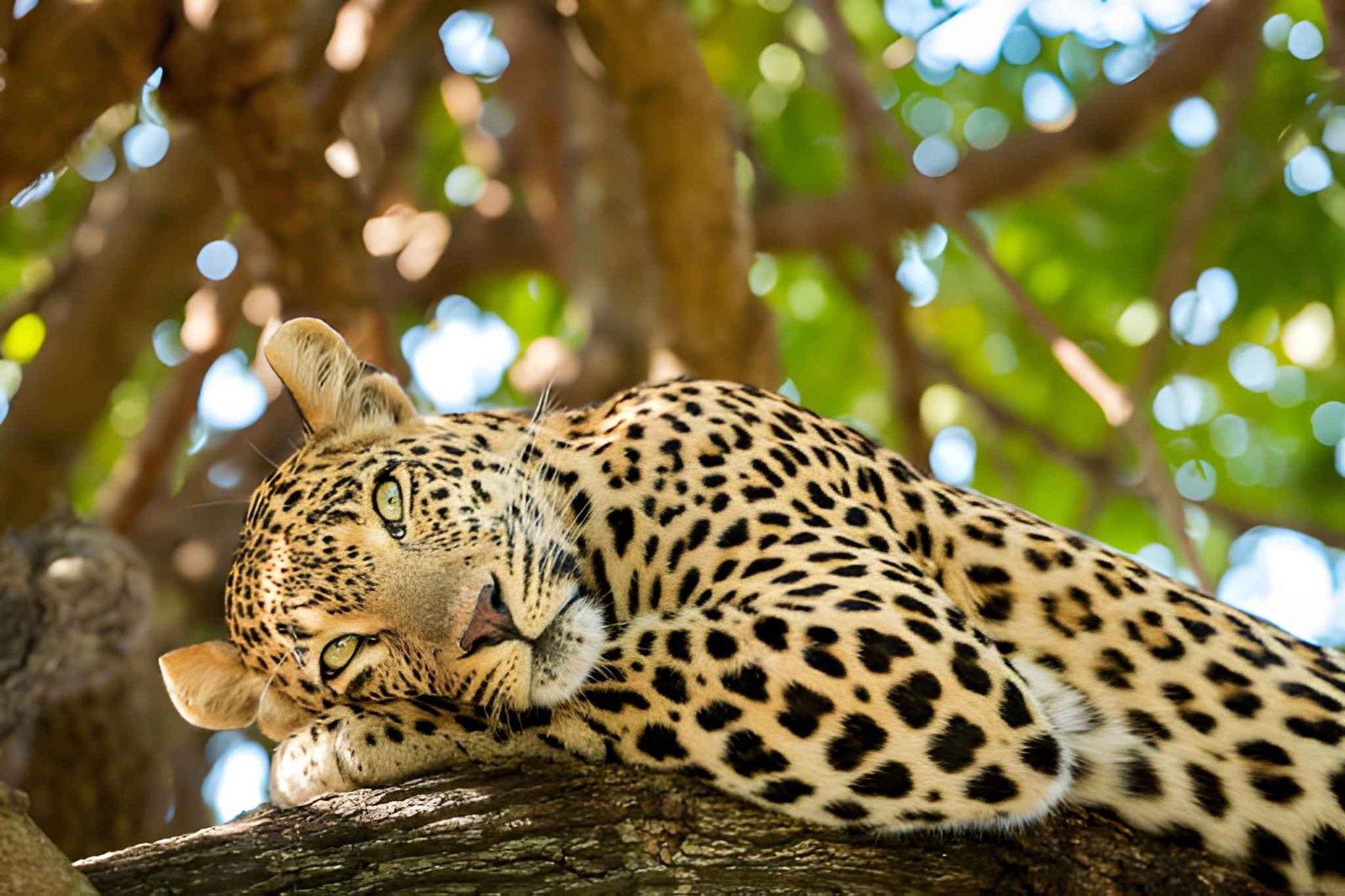
Tanzania · 10 days
Ngorongoro · Serengeti · Lake Natron · Lake Manyara
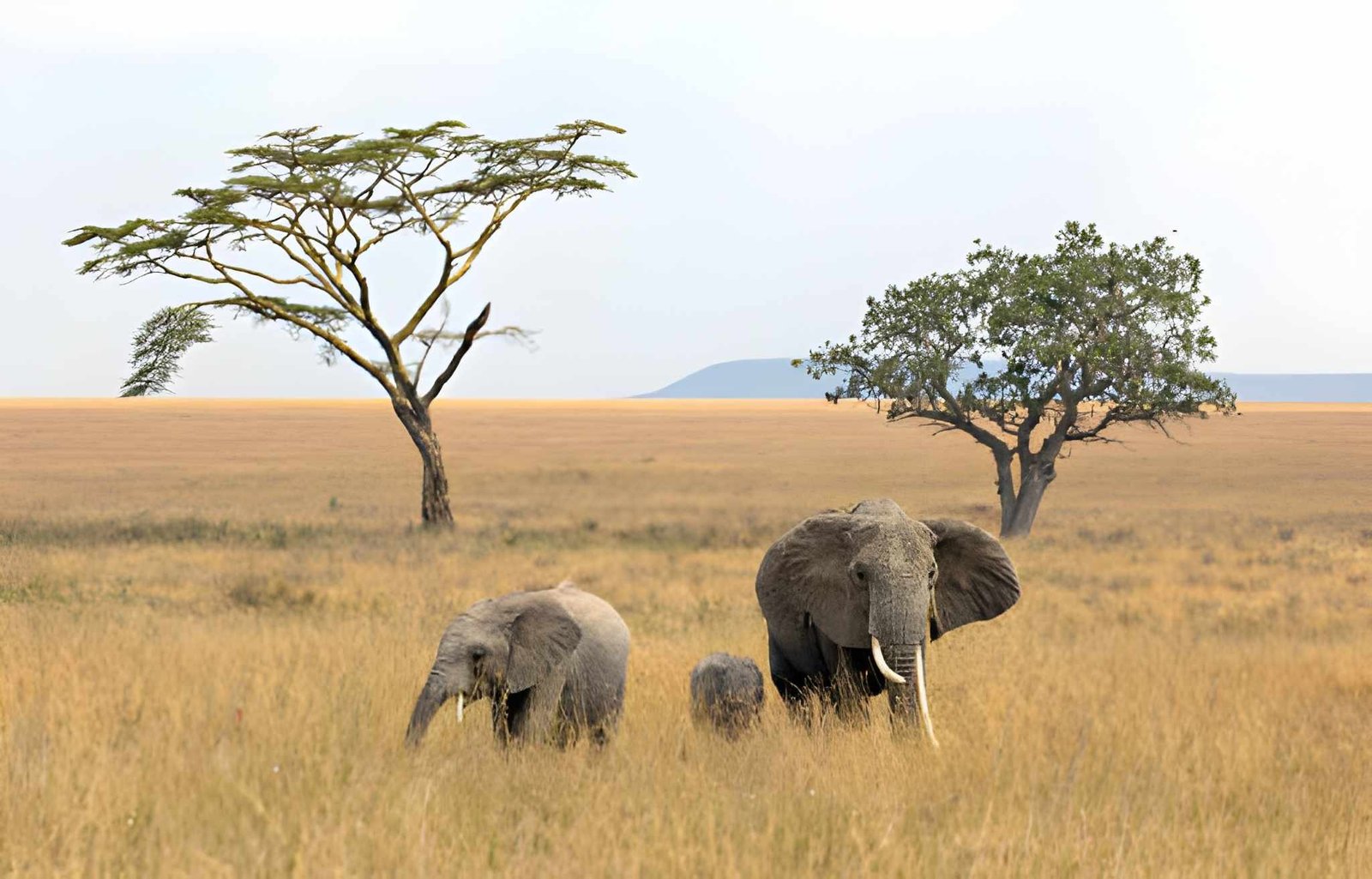
Tanzania · 11 days
Tarangire · Ngorongoro · Serengeti · Lake Natron
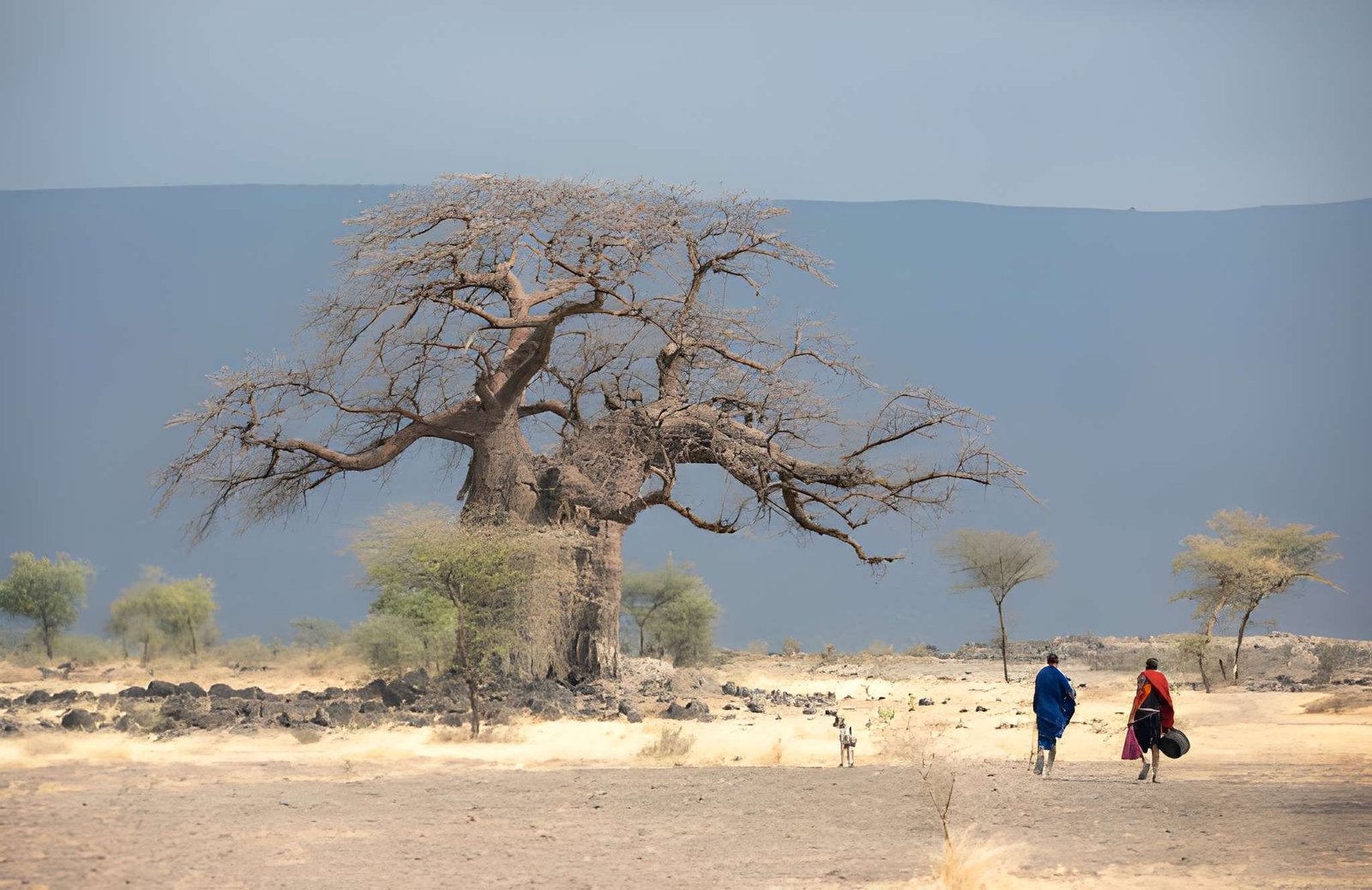
Tanzania · 15 days
Tarangire · Ngorongoro · Serengeti · Lake Natron
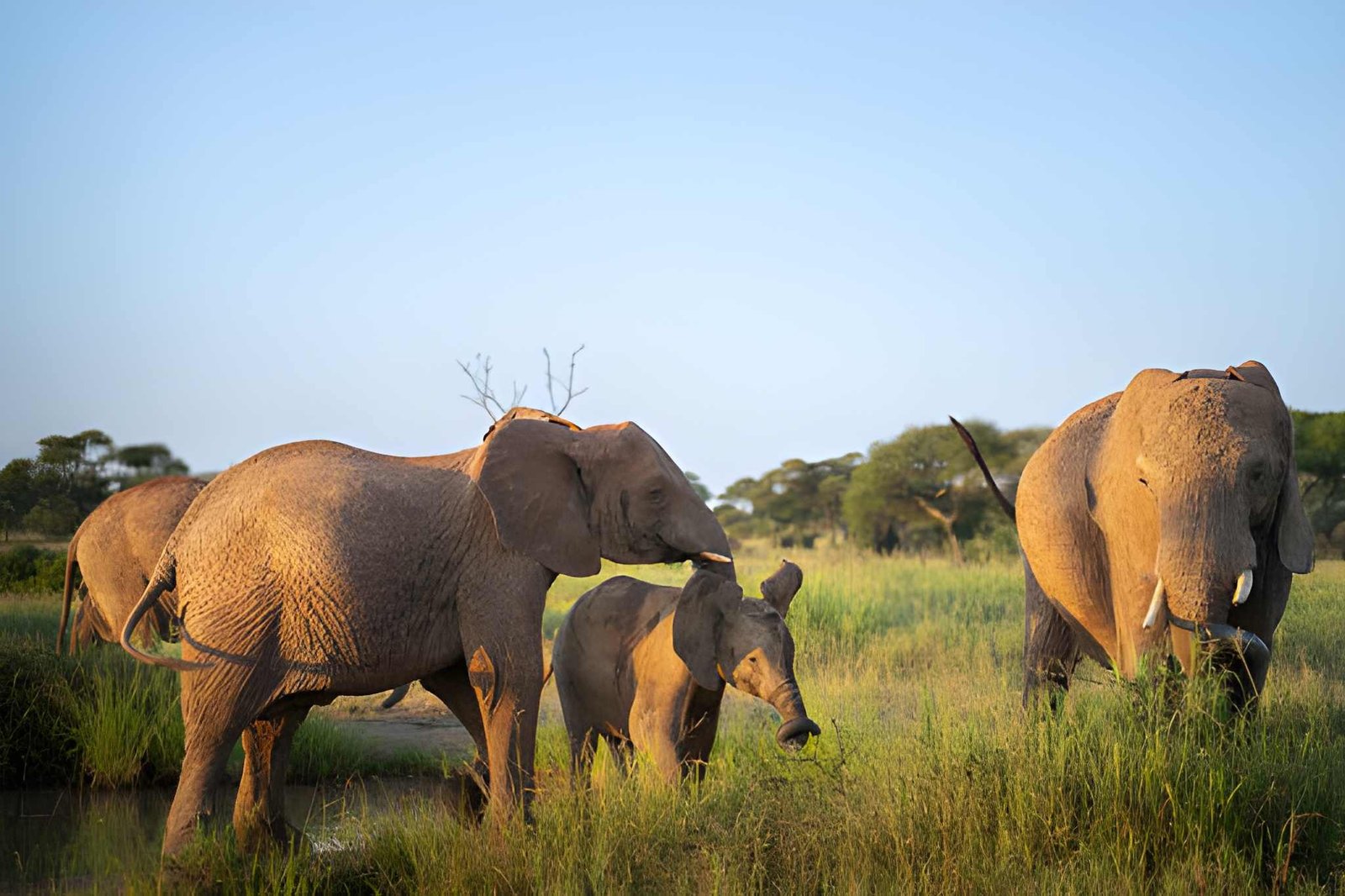
Tanzania · 13 days
Tarangire · Ngorongoro · Serengeti · Lake Natron
Tanzania · 5 days
Lake Natron
Tanzania · 1 day

Tell us when you would like to travel and how fit you feel. A GIP Adventure specialist will plan your climb with experienced local guides and combine it with Lake Natron and your safari.
Usually replies within minutesHeritage
For the Maasai, Ol Doinyo Lengai is the home of Engai, their god, and the mountain has long been a place of prayer and offerings, especially in times of drought. Its rumblings and eruptions are woven into local stories and beliefs.
The first written record of its eruptions was made by Dr Gustav Fischer in 1883, the first European to travel through this part of Maasai land. Since then Lengai has erupted many times, most recently with a powerful explosive phase in 2007 and 2008 that reshaped its summit. All climbers should be cautious, as this volcano remains unpredictable.
It is climbed regularly with experienced guides, but it is an active volcano. Your guide will assess conditions and keep you well away from the active crater.
Very challenging. The trail is extremely steep with loose ash, and the descent is hard on knees and ankles.
About 5 to 6 hours up and 2 to 3 hours down, starting around midnight.
Daytime heat is intense and inhospitable. Climbing at night avoids dehydration and brings you to the rim for sunrise.
It is possible at some points, but we strongly recommend the inactive south crater, never the active north crater.
At least three litres of water, sturdy boots, trekking poles, a head-torch and warm layers for the summit.
Your safari starts here
Let GIP Adventure plan your Ol Doinyo Lengai climb and Lake Natron adventure, with expert local guides every step of the way.
Chat with usOnline