
Wild Chimpanzees
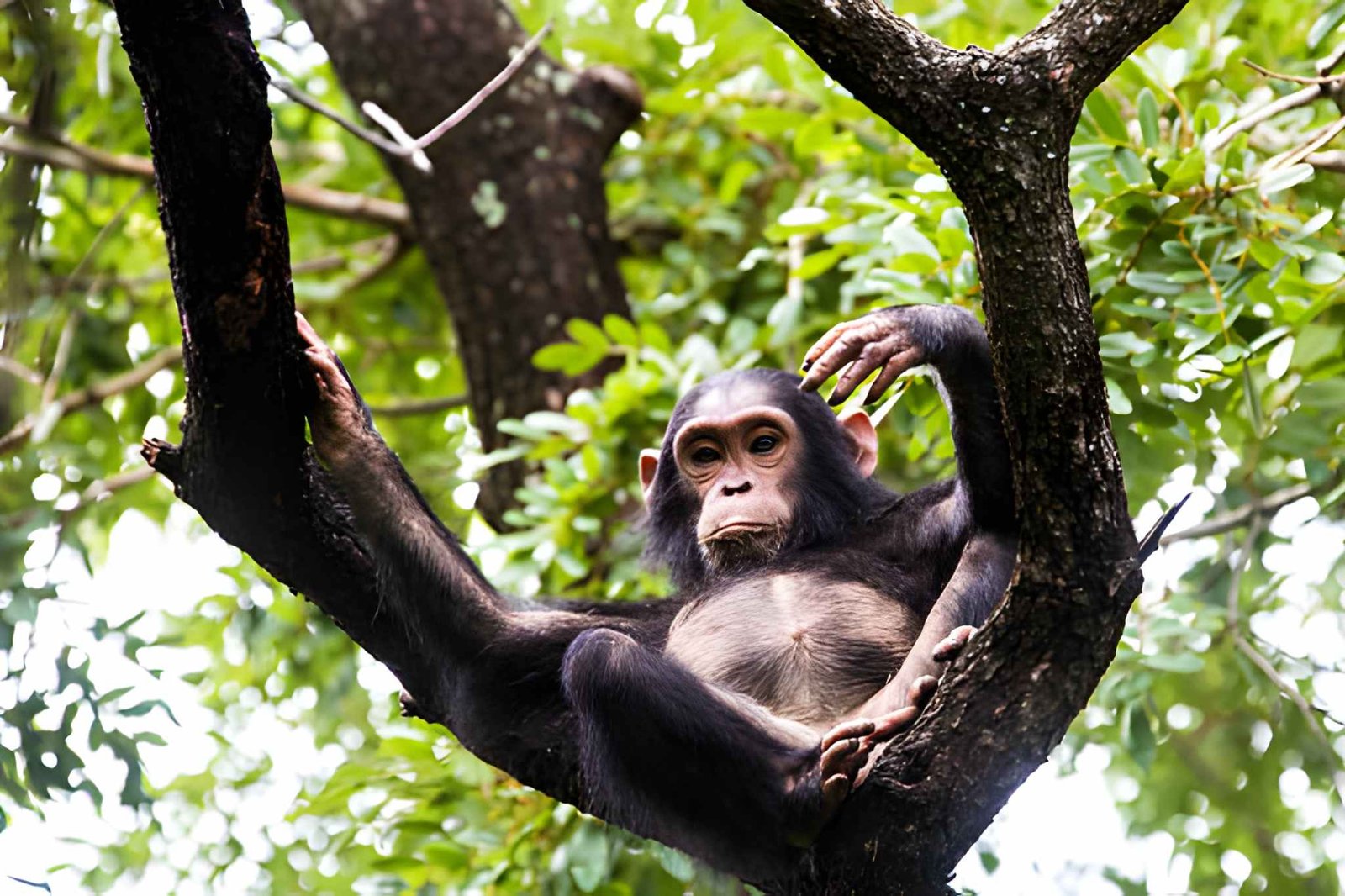
Mahale is home to one of the largest populations of wild chimpanzees in Africa, with habituated groups that can be visited on foot.

Climbing Kilimanjaro
The complete guideRoutes & fitness calculatorWhat to packOur climbs
6-Day Kilimanjaro: Marangu Route7-Day Kilimanjaro: Machame Route6-Day Kilimanjaro: Umbwe Route7-Day Kilimanjaro: Rongai Route7-Day Kilimanjaro: Shira Plateau / Morrum Barrier Route9-Day Kilimanjaro: Lemosho Route4-Day Mount Meru Trek5-Day Ol Doinyo Lengai & Lake Natron Trek10-Day Kilimanjaro Trekking & Wildlife Safari11-Day Kilimanjaro Trekking & Wildlife SafariTour styles
Big 5 Safaris (7)Great Migration Safaris (6)Classic Wildlife Safaris (32)Wildlife-Themed Safaris (8)Fly-in & Luxury Safaris (8)Honeymoon Safaris (6)Mountain Trekking (10)Beach & Zanzibar Holidays (9)Gorilla & Primate Safaris (19)Multi-Country & Combination Safaris (9)Helicopter Safaris (5)Cultural Tours (2)Day Trips (10)Family SafarisCity Tours & Airport TransfersTailor-Made / Custom TripsPlan
All toursTanzania safari guidePlan a custom tripTanzania
All of TanzaniaNational ParksGame ReservesIslandsHistorical SitesMountains & VolcanoesLakes & WaterfallsCities & CoastKenya
All of KenyaNational ParksReserves & ConservanciesMountains & CoastCitiesUganda
All of UgandaNational ParksWildlife ReservesLakes & WaterfallsCities & GatewaysMore
Cultural experiencesLodges & campsAll destinationsTanzania National Parks
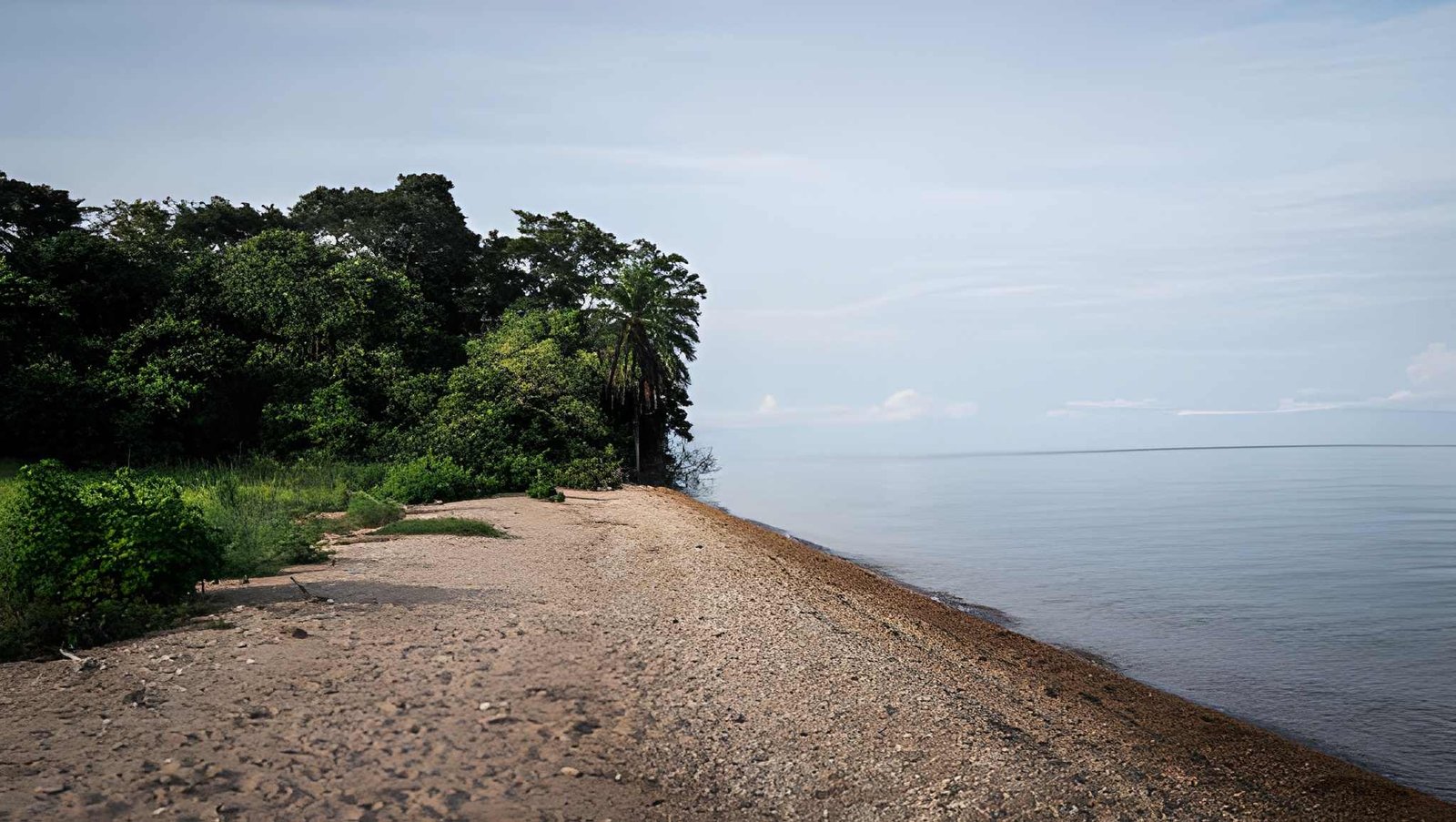
Forested mountains rising straight from the clear waters of Lake Tanganyika, home to one of Africa's largest populations of wild chimpanzees, make Mahale one of the most beautiful and remote parks on the continent.
Discover Mahale
Mahale Mountains National Park lies about 100 km south of Kigoma town, stretching 50 km along Lake Tanganyika in the western tourist circuit of Tanzania. Its mountain ridge, about 50 km long, is one of the largest mountain chains in western Tanzania, with Mount Nkungwe towering at 2,462 metres.
Established in 1985 and covering 1,613 km², the park has more than seven vegetation types, including the Kasoge evergreen forest, montane forest, high-altitude grassland and miombo woodland. With no roads inside the park, visitors arrive by boat or light aircraft, adding to its remote and magical atmosphere.
Why Mahale
Mahale combines extraordinary chimpanzee encounters with beach relaxation and genuine remoteness.
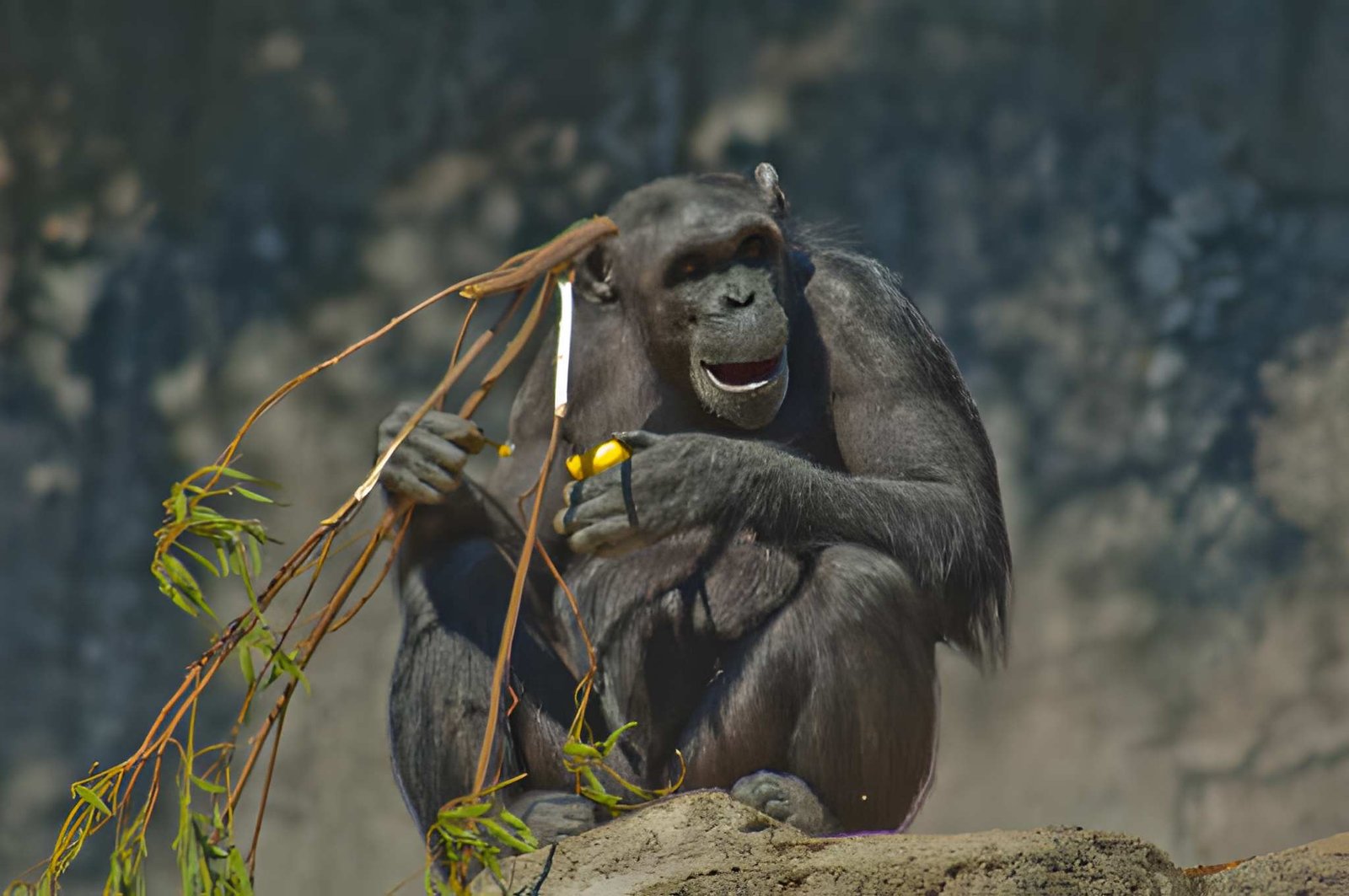
Mahale is home to one of the largest populations of wild chimpanzees in Africa, with habituated groups that can be visited on foot.
Pristine white-sand beaches and clear water perfect for swimming, kayaking and snorkelling.
The Mahale Mountains rise straight from the lakeshore, offering hiking, waterfalls and spectacular views.
The mountains hold sacred sites of the Tongwe people, adding cultural depth to every visit.
Location
Mahale lies on the eastern shore of Lake Tanganyika in western Tanzania, about 100 km south of Kigoma. There are no roads inside the park, so visitors usually fly by light aircraft to the Mahale airstrip and continue by boat along the lakeshore.
It can also be reached by boat from Kigoma or from Kipili in the south. The remoteness keeps visitor numbers low, preserving the park's pristine wilderness character.
When to visit
Chimpanzee trekking is possible year-round, but most lodges open from June to February.
The best time for trekking, as chimpanzees often come lower down the slopes and trails are dry.
Lush forest and good sightings, with occasional showers.
The wettest period; most lodges close and trails are slippery.
The dry months offer the easiest trekking and the best chance of close encounters.
Green forest and good chimpanzee sightings, with some rain.
Lush and quiet, the last month before most lodges close.
Long rains begin; most lodges close.
The wettest month; the park is very quiet.
Rains ease towards the end of the month.
Lodges reopen and the dry season begins.
Excellent trekking with dry trails and clear lake views.
One of the best months, with chimpanzees often lower on the slopes.
Superb trekking and calm, clear lake water.
Dry and warm, with excellent chimpanzee encounters.
Short rains begin; the forest turns green.
Good sightings in lush forest, with festive-season visitors.
Explore the area
The park is divided into a lower use zone and a large wilderness zone.
Wildlife
Chimpanzees are Mahale's main attraction, but the park also shelters red colobus, red-tailed and blue monkeys, yellow baboons and many forest birds. Mahale is also one of the few places where chimpanzees share their habitat with lions and other savanna animals on the eastern side of the mountains.
In the clear waters of Lake Tanganyika, hundreds of species of colourful cichlid fish dart among the rocks, many found nowhere else on Earth.
Where to look: Kasoge Forest on the lower slopes
One of Africa's largest chimpanzee populations, studied by Japanese researchers since the 1960s.
Where to look: Forest canopy
Often seen in the trees and a favourite prey of chimpanzees.
Where to look: Forest
A small, colourful forest monkey.
Where to look: Forest
Common in the forest near the trekking trails.
Where to look: Lakeshore and forest edges
Troops forage along the beaches and forest edges.
Where to look: Forest and mountains
Present but rarely seen.
Where to look: Lake Tanganyika shoreline
Hundreds of colourful species, seen while snorkelling.
Where to look: Forest canopy
A powerful forest eagle that hunts monkeys.

Chimpanzee Trekking
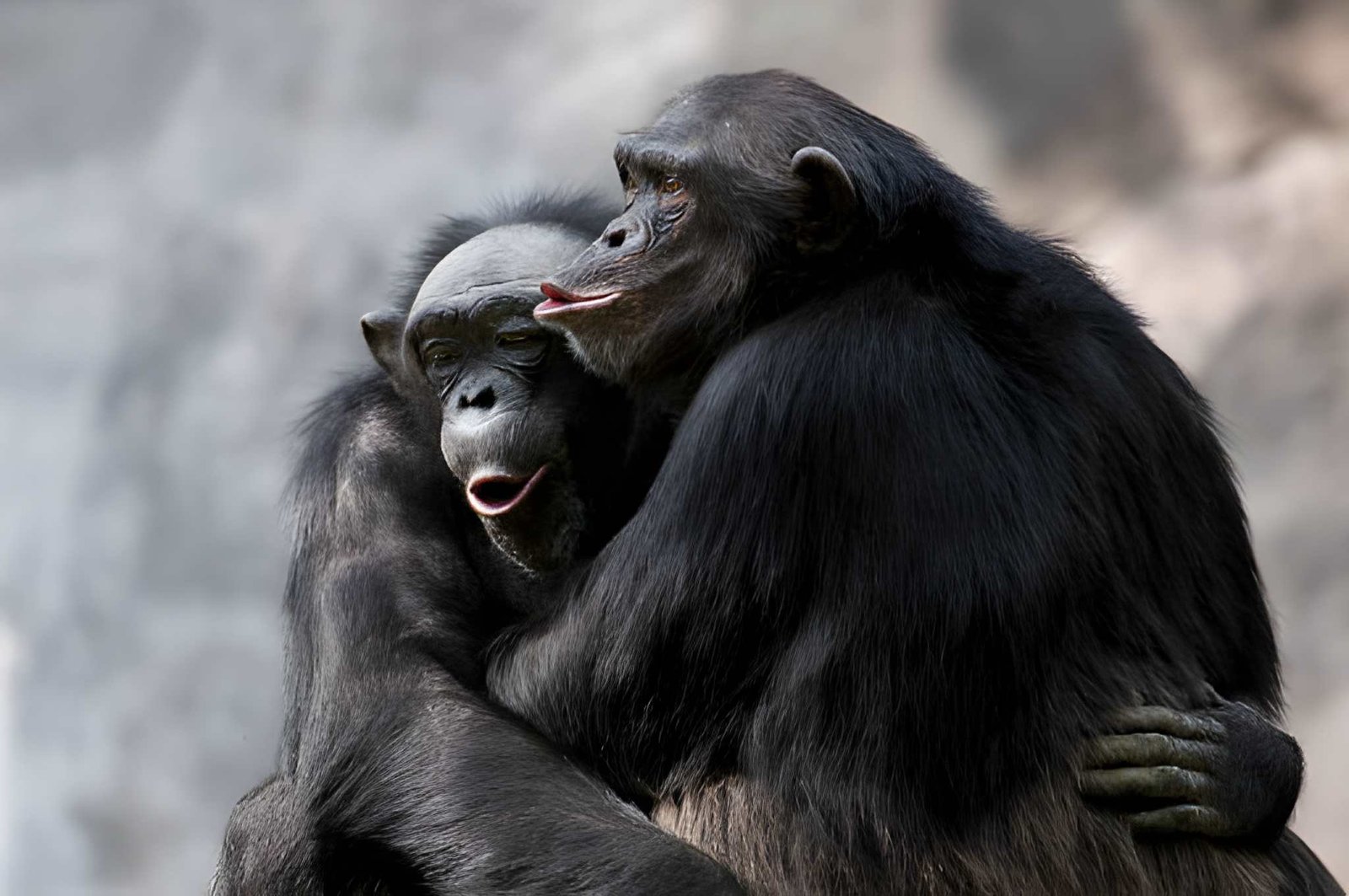
Mornings begin with a walk into the forest behind the lakeshore, following trackers who locate the chimpanzees by their calls. Once found, visitors spend up to an hour watching them feed, groom, play and interact.
Mahale's chimpanzees have been studied since 1965, and their behaviour, including unique grooming habits, has fascinated scientists for decades. Combined with lakeside relaxation, a visit here is unforgettable.
Safaris to 中文
Itineraries that include Mahale, often combined with Katavi and Gombe.
Tanzania · 10 days
Kigoma · Gombe · Mahale Mountains
Tanzania · 10 days
Kigoma · Mahale Mountains · Gombe · Katavi
Tanzania · 12 days
Rubondo Island · Kigoma · Gombe · Mahale Mountains
Tanzania · 10 days
Rubondo Island · Mahale Mountains · Gombe
Stay in 中文
Lakeside camps on the beaches of Lake Tanganyika beneath the mountains.

Tell us your dates and we will help you plan your journey to the chimpanzees of Mahale.
Usually replies within minutesHeritage
The Mahale Mountains are the traditional homeland of the Tongwe people, whose sacred sites lie within the park. Their knowledge of the forests and mountains goes back generations.
Japanese researchers began studying Mahale's chimpanzees in 1965, making it one of the longest-running chimpanzee studies in the world. The park was established in 1985 to protect this remarkable population and its forest home.
Yes. Mahale offers outstanding chimpanzee encounters, pristine beaches and a remote wilderness experience few travellers enjoy.
Most visitors fly by light aircraft to the Mahale airstrip and continue by boat along Lake Tanganyika.
July to October, when chimpanzees often come lower down the slopes and trails are dry.
Trekking can involve steep forest trails, so a reasonable level of fitness is recommended.
Yes, the clear water near the beach is popular for swimming, kayaking and snorkelling.
Yes. Mahale and Katavi are often combined, with Katavi offering classic big game and Mahale the chimpanzees.
Your safari starts here
Let Gip Adventure take you to the chimpanzees and beaches of Mahale on Lake Tanganyika.
Chat with usOnline