
Flamingo Nursery of East Africa
Natron is the only regular breeding area in East Africa for the lesser flamingo. Around 2.5 million birds depend on it, and some 75% of the world's lesser flamingos are born here.

Climbing Kilimanjaro
The complete guideRoutes & fitness calculatorWhat to packOur climbs
6-Day Kilimanjaro: Marangu Route7-Day Kilimanjaro: Machame Route6-Day Kilimanjaro: Umbwe Route7-Day Kilimanjaro: Rongai Route7-Day Kilimanjaro: Shira Plateau / Morrum Barrier Route9-Day Kilimanjaro: Lemosho Route4-Day Mount Meru Trek5-Day Ol Doinyo Lengai & Lake Natron Trek10-Day Kilimanjaro Trekking & Wildlife Safari11-Day Kilimanjaro Trekking & Wildlife SafariTour styles
Big 5 Safaris (7)Great Migration Safaris (6)Classic Wildlife Safaris (32)Wildlife-Themed Safaris (8)Fly-in & Luxury Safaris (8)Honeymoon Safaris (6)Mountain Trekking (10)Beach & Zanzibar Holidays (9)Gorilla & Primate Safaris (19)Multi-Country & Combination Safaris (9)Helicopter Safaris (5)Cultural Tours (2)Day Trips (10)Family SafarisCity Tours & Airport TransfersTailor-Made / Custom TripsPlan
All toursTanzania safari guidePlan a custom tripTanzania
All of TanzaniaNational ParksGame ReservesIslandsHistorical SitesMountains & VolcanoesLakes & WaterfallsCities & CoastKenya
All of KenyaNational ParksReserves & ConservanciesMountains & CoastCitiesUganda
All of UgandaNational ParksWildlife ReservesLakes & WaterfallsCities & GatewaysMore
Cultural experiencesLodges & campsAll destinationsTanzania Lakes & Waterfalls
A blood-red soda lake beneath the smoking cone of Ol Doinyo Lengai, where millions of lesser flamingos come to breed in one of the wildest corners of the Rift Valley.
Discover Lake Natron
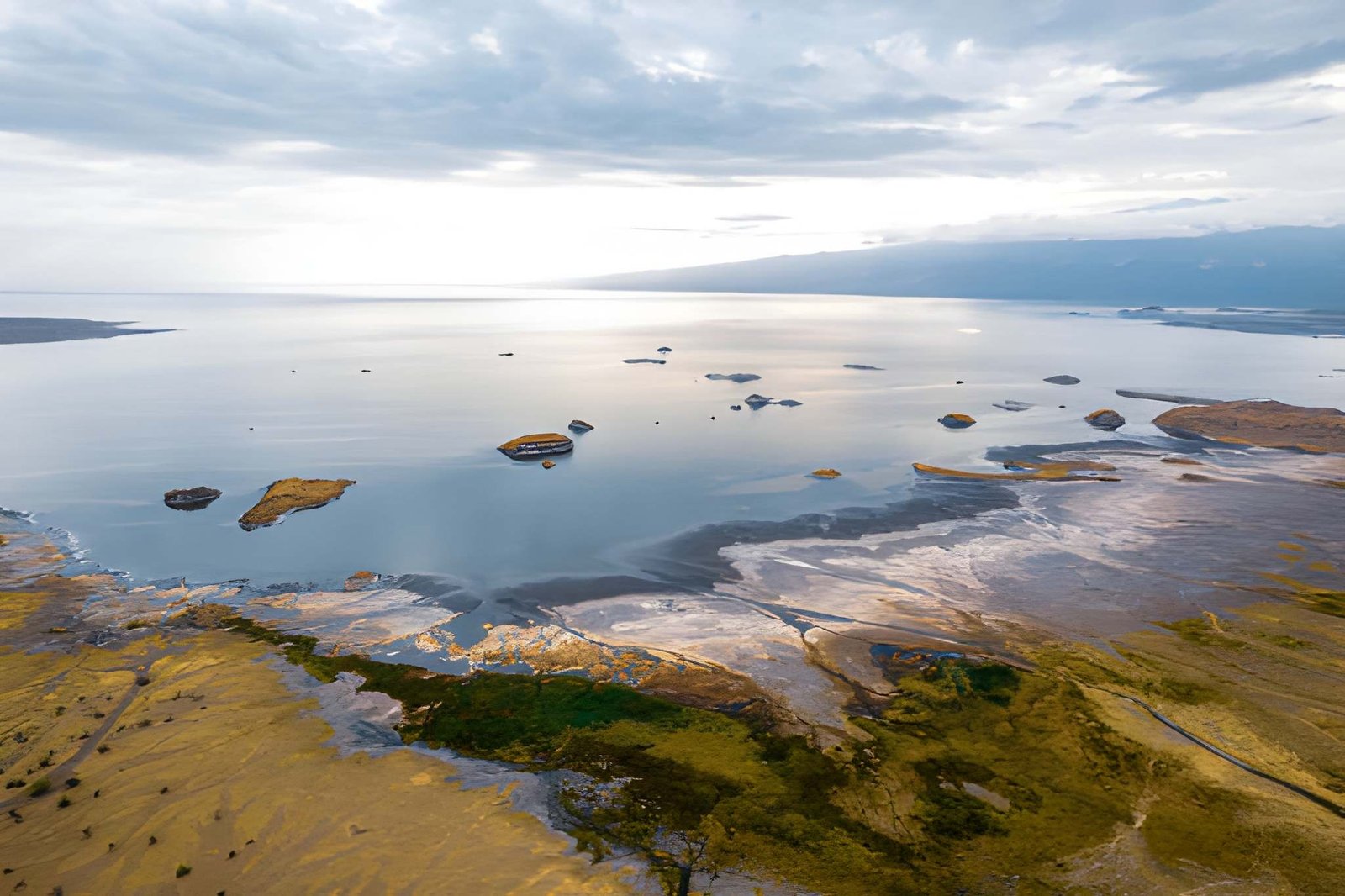
Lake Natron is a salt and soda lake in the Arusha Region of northern Tanzania, lying close to the Kenyan border in the Gregory Rift, the eastern branch of the East African Rift. Set at an elevation of about 600 metres, the lake measures some 57 km long and 22 km wide, with a total surface area of around 1,040 km². It is remarkably shallow, less than 3 metres deep, and its width varies with the water level from season to season.
The lake is fed principally by the Southern Ewaso Ng'iro River, which rises in central Kenya, and by mineral-rich hot springs. Air temperatures here are frequently above 40°C (104°F), while the hot springs and shallow pools can reach around 60°C (140°F). Together with its high and variable salt content, this makes the lake inhospitable to most animals. Irregular seasonal rain falls between December and May, totalling around 800 mm a year, and high levels of evaporation leave behind crusts of natron (sodium carbonate decahydrate) and trona (sodium sesquicarbonate dihydrate).
As the water evaporates during the dry season, salinity climbs to the point where salt-loving micro-organisms begin to thrive. Cyanobacteria make their own food by photosynthesis, just as plants do, and the red accessory pigment they contain produces the deep reds of the open water and the vivid oranges of the shallows, colours that make Natron one of the most surreal landscapes in Africa.
Why Lake Natron
Lake Natron rewards travellers who want something wilder than the classic circuit: volcanic scenery, extraordinary birdlife, Maasai culture and a genuine sense of remoteness.
Natron is the only regular breeding area in East Africa for the lesser flamingo. Around 2.5 million birds depend on it, and some 75% of the world's lesser flamingos are born here.
The Maasai 'Mountain of God' rises above the southern shore. It is the only active volcano on Earth known to erupt natrocarbonatite lava, and Natron is the base for climbing it.
Red and orange waters, white salt crusts and black volcanic rock create a landscape that looks almost unearthly, especially from the air or at sunrise.
A short hike up the Engare Sero gorge leads to a lush waterfall and natural pools, a welcome contrast to the heat of the lakeshore.
The area is home to Maasai communities who graze cattle across the plains, and village walks offer an authentic insight into pastoral life.
Near Engare Sero, hundreds of human footprints preserved in volcanic mud thousands of years ago offer a rare window into the region's deep past.
Location
Lake Natron lies in the far north of Arusha Region, close to the Kenyan border. From Arusha, the usual route heads west to Mto wa Mbu and then north along the floor of the Rift Valley past the ancient ruins of Engaruka, a journey of roughly 240 km that takes about 4 to 5 hours, with the final stretch on rough, dusty tracks. Kilimanjaro International Airport is about an hour further east of Arusha.
The main base for visitors is the small settlement of Engaresero (Ngare Sero) near the southern shore, where campsites and tented camps sit between the lake and the escarpment. Natron can be combined with Lake Manyara and Ngorongoro, or used as a back-door route to the northern Serengeti through Loliondo. Scenic and charter flights also serve the area for those short on time.
When to visit
Natron is hot and dry for much of the year. The seasons change the lake's colours, its water level and the activity of the flamingos.
The most comfortable time to visit, with clearer skies, cooler nights and good conditions for climbing Ol Doinyo Lengai. Evaporation intensifies the lake's red and orange hues.
Lesser flamingos typically gather to breed on the remote mudflats as the lake shrinks, although timing depends on rainfall and water levels each year.
Irregular rains, totalling around 800 mm a year, refresh the plains and raise the lake. Some tracks become difficult, but the landscape turns green and visitors are few.
A drier spell between the rains, often very hot by day, with large numbers of flamingos still feeding on the lake.
June to December is the most popular period, but Natron's raw beauty can be enjoyed all year with the right planning.
Very hot by day, with flamingos often feeding in large numbers on the lake.
A short dry spell between the rains, good for photography in the early morning light.
Rains become more frequent and some access tracks can turn muddy.
Usually the wettest month; the lake rises and very few travellers visit.
Rains ease, the plains are green and the lakeshore is peaceful.
Dry season begins, bringing clearer skies and cooler nights for climbing Ol Doinyo Lengai.
Comfortable temperatures and excellent conditions for the night climb of the volcano.
Flamingo numbers build as the water level drops and breeding activity often begins.
Great walking weather, with vivid lake colours and good flamingo viewing.
Hot and dry, often a strong month for flamingo breeding on the distant mudflats.
The short rains approach, though Natron's dry climate often keeps conditions good.
Short rains refresh the land, and young flamingos may still be seen on the lake.
Explore the area
Most visits centre on the southern end of the lake, where volcanic peaks, rivers and Maasai villages meet the salt flats.
Wildlife
The heat, salt and alkalinity of Lake Natron make it inhospitable to most animals, yet the lake supports one of the great wildlife spectacles of Africa. Lesser flamingos feed on the cyanobacteria that colour the water, and the caustic, predator-free mudflats make the perfect nursery. This lake is the only regular breeding area in East Africa for around 2.5 million lesser flamingos, whose near-threatened status reflects their dependence on this single site.
Around the lake, a variety of species thrive and stroll along the shore and plains. Plains game such as zebra, wildebeest and gazelles graze the Maasai grasslands, while dry-country specialists and a rich community of waterbirds and raptors make Natron a rewarding stop for birders.
Where to look: Across the lake, nesting on remote mudflats
Natron's star. Huge flocks feed in the shallows, and the lake produces most of the world's lesser flamingo chicks.
Where to look: Shallows near the southern shore
Taller and paler than its lesser cousin, often seen feeding alongside the great pink flocks.
Where to look: Salt flats and lake margins
A small wader closely tied to East Africa's soda lakes, prized by birdwatchers.
Where to look: Open water and river mouths
Great white pelicans visit the lake and the freshwater inflows.
Where to look: Dry plains around the lake
The world's largest bird is a common sight on the open, arid plains.
Where to look: Plains near Engaresero
Well adapted to dry country and frequently seen grazing near Maasai settlements.
Where to look: Grasslands around the lake
Plains zebras graze the surrounding grasslands, often alongside livestock.
Where to look: Open plains, especially after rain
Small herds move through the Natron plains when grazing is good.
Where to look: Acacia country on the approach roads
Often seen browsing acacias on the drive along the Rift Valley floor.
Where to look: Dry bush and thickets
A long-necked dry-country antelope that browses standing on its hind legs.
Where to look: Plains and lake margins
Scavenges along the shore and hunts small prey on the plains.
Where to look: Cliffs and skies above the escarpment
Large vultures soar on the thermals rising from the hot Rift Valley floor.

The Flamingo Breeding Grounds
Every year, vast numbers of lesser flamingos gather on Lake Natron to breed. They build mud-mound nests on islands of salt deep in the lake, where the caustic water keeps predators away. Around 75% of the world's lesser flamingos are born here, making Natron the single most important breeding site for the species.
Walking quietly across the mudflats near Engaresero, you can watch flocks feeding in the shallows, their pink plumage glowing against the red water and the dark cone of Ol Doinyo Lengai. It is one of the most remarkable wildlife sights in East Africa.
Safaris to 中文
Itineraries that visit Lake Natron, from Ol Doinyo Lengai treks to scenic flights and adventurous routes to the Serengeti.
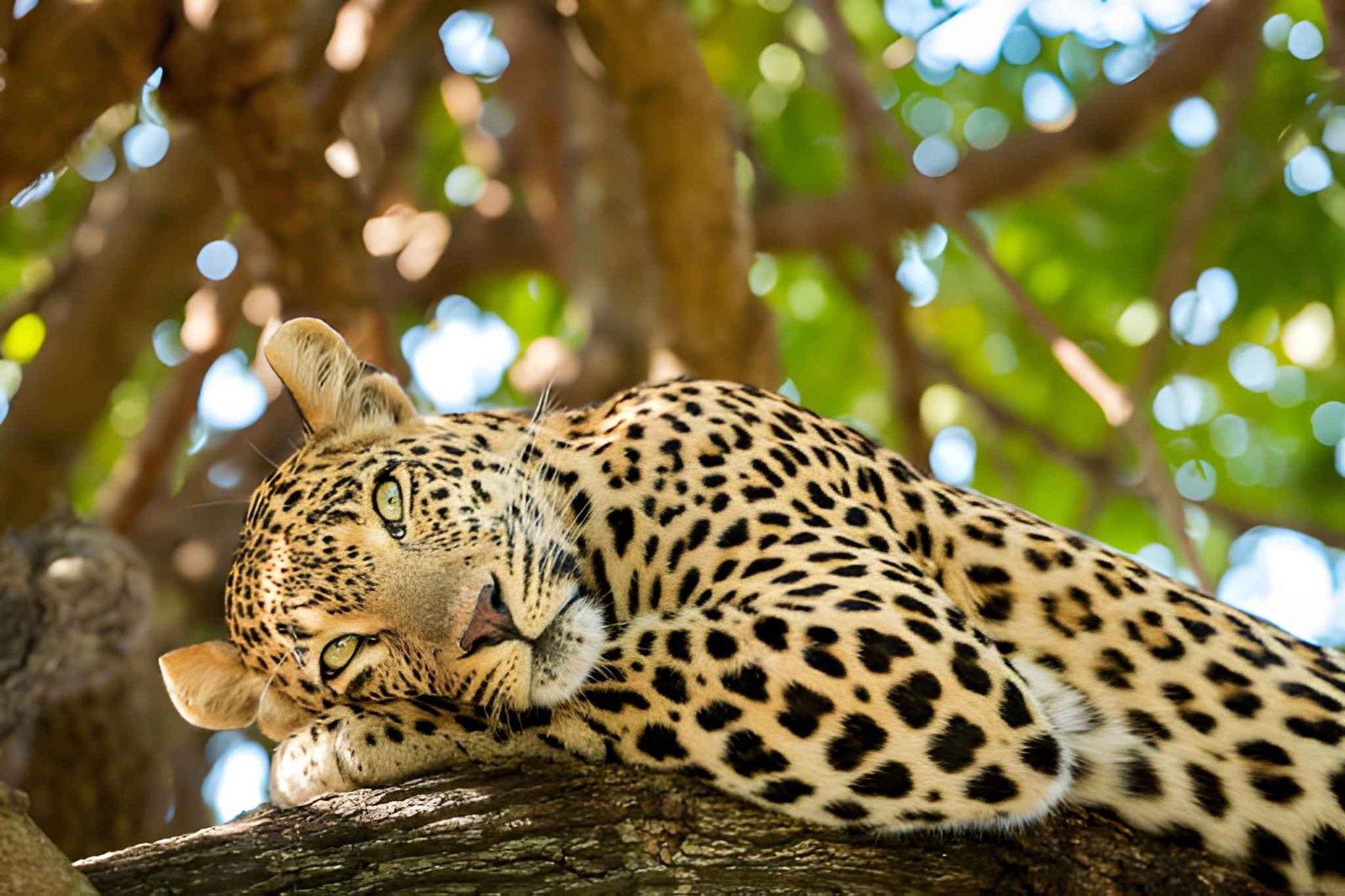
Tanzania · 10 days
Ngorongoro · Serengeti · Lake Natron · Lake Manyara
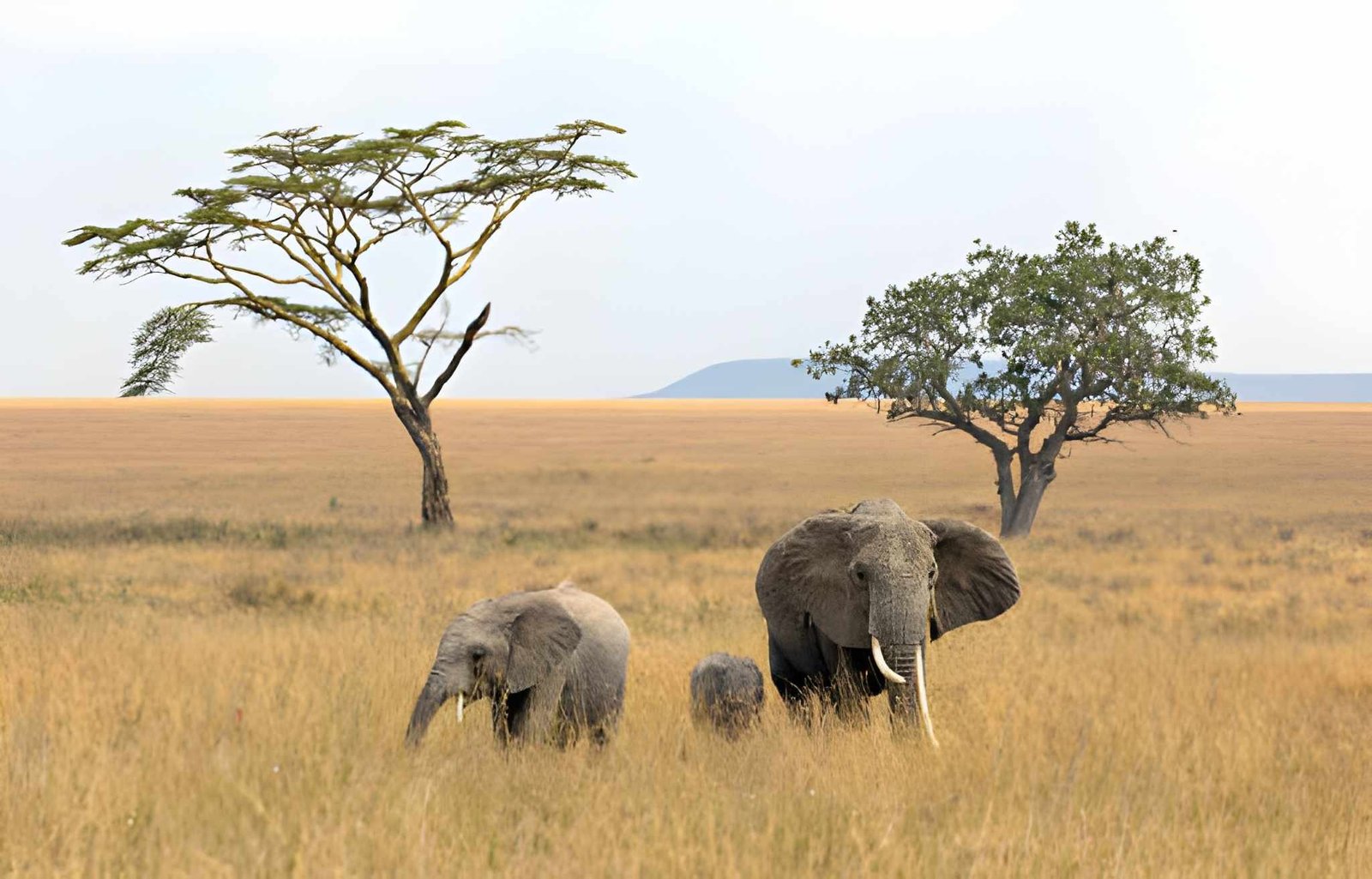
Tanzania · 11 days
Tarangire · Ngorongoro · Serengeti · Lake Natron
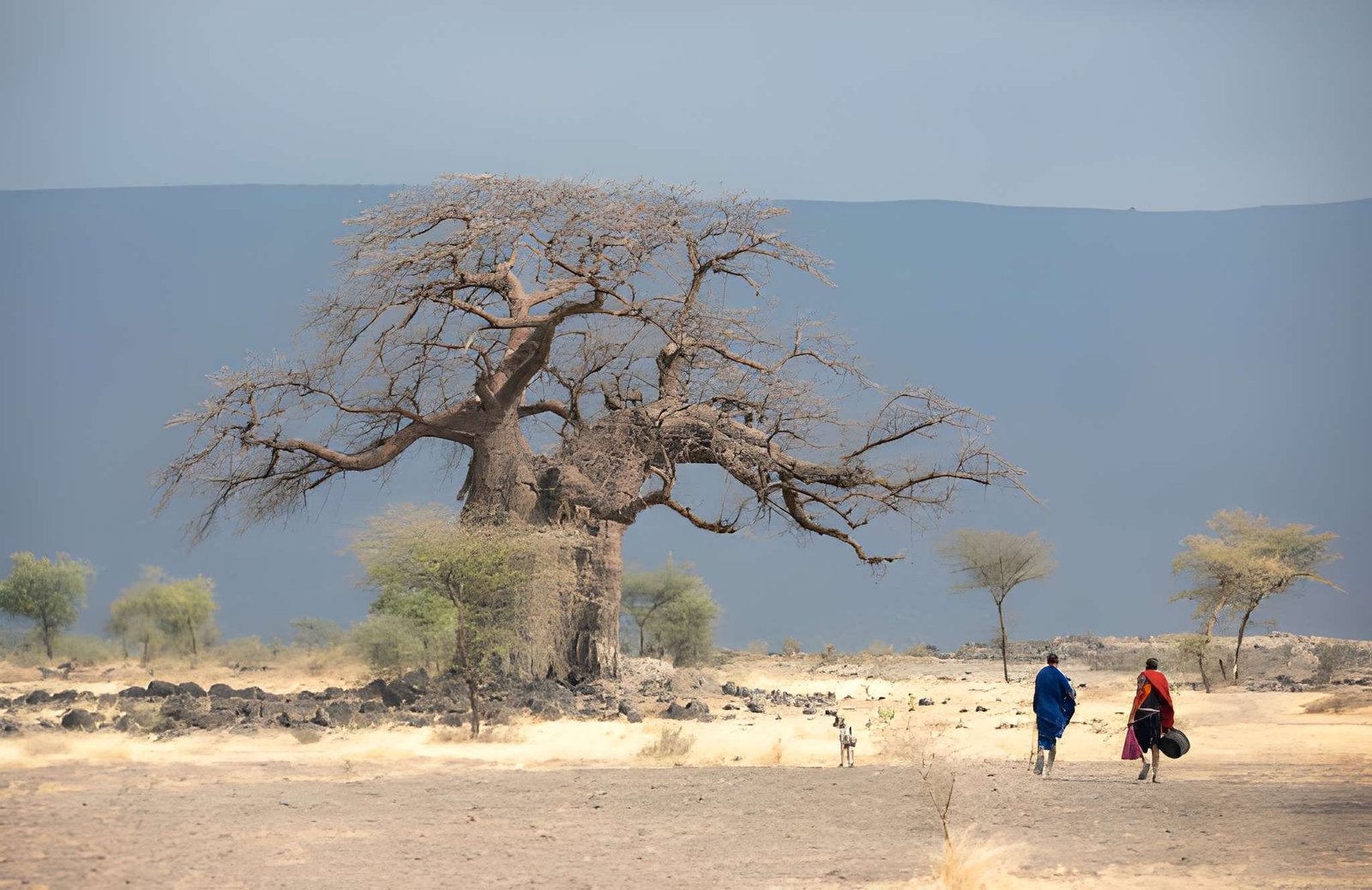
Tanzania · 15 days
Tarangire · Ngorongoro · Serengeti · Lake Natron
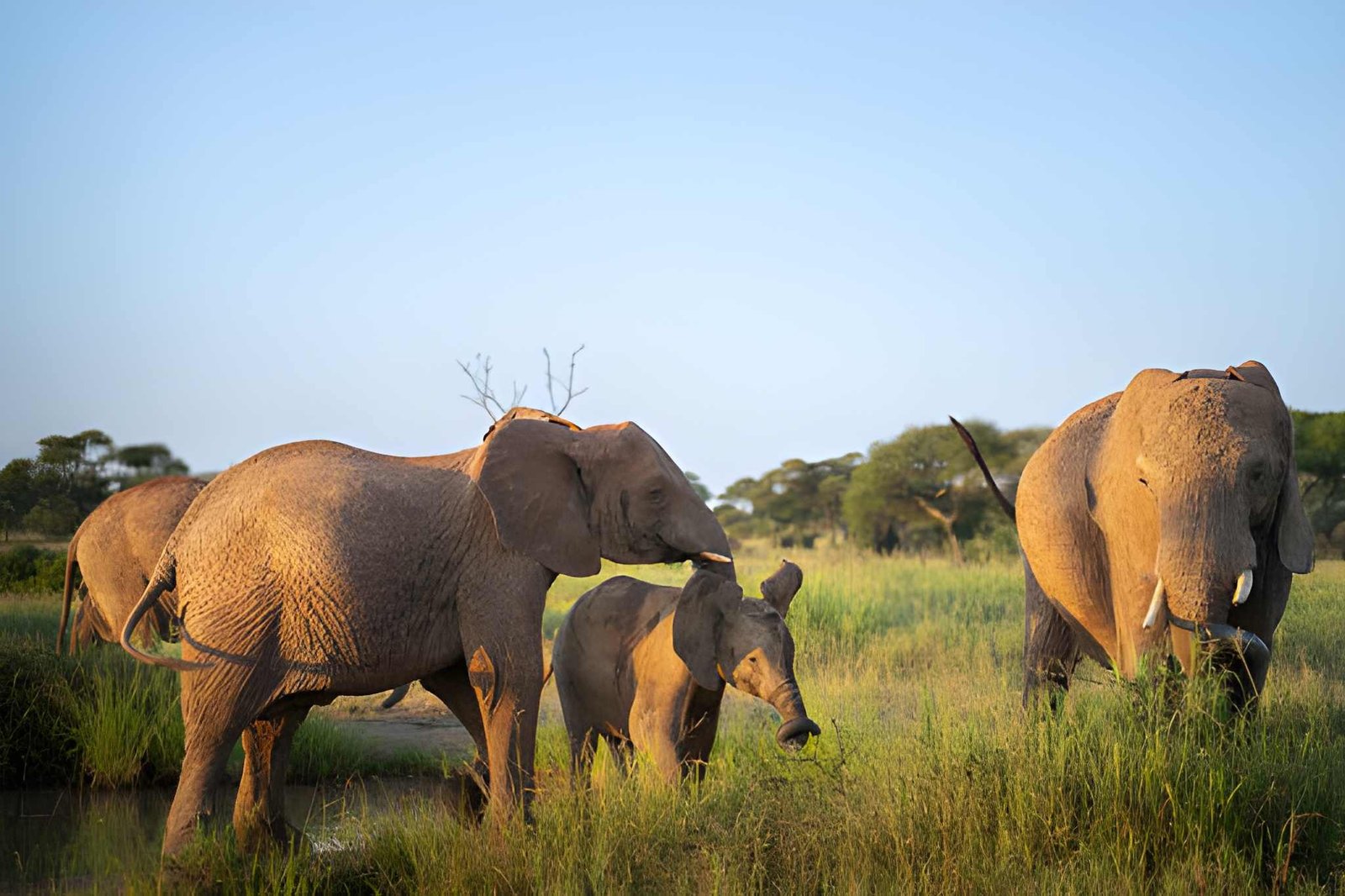
Tanzania · 13 days
Tarangire · Ngorongoro · Serengeti · Lake Natron
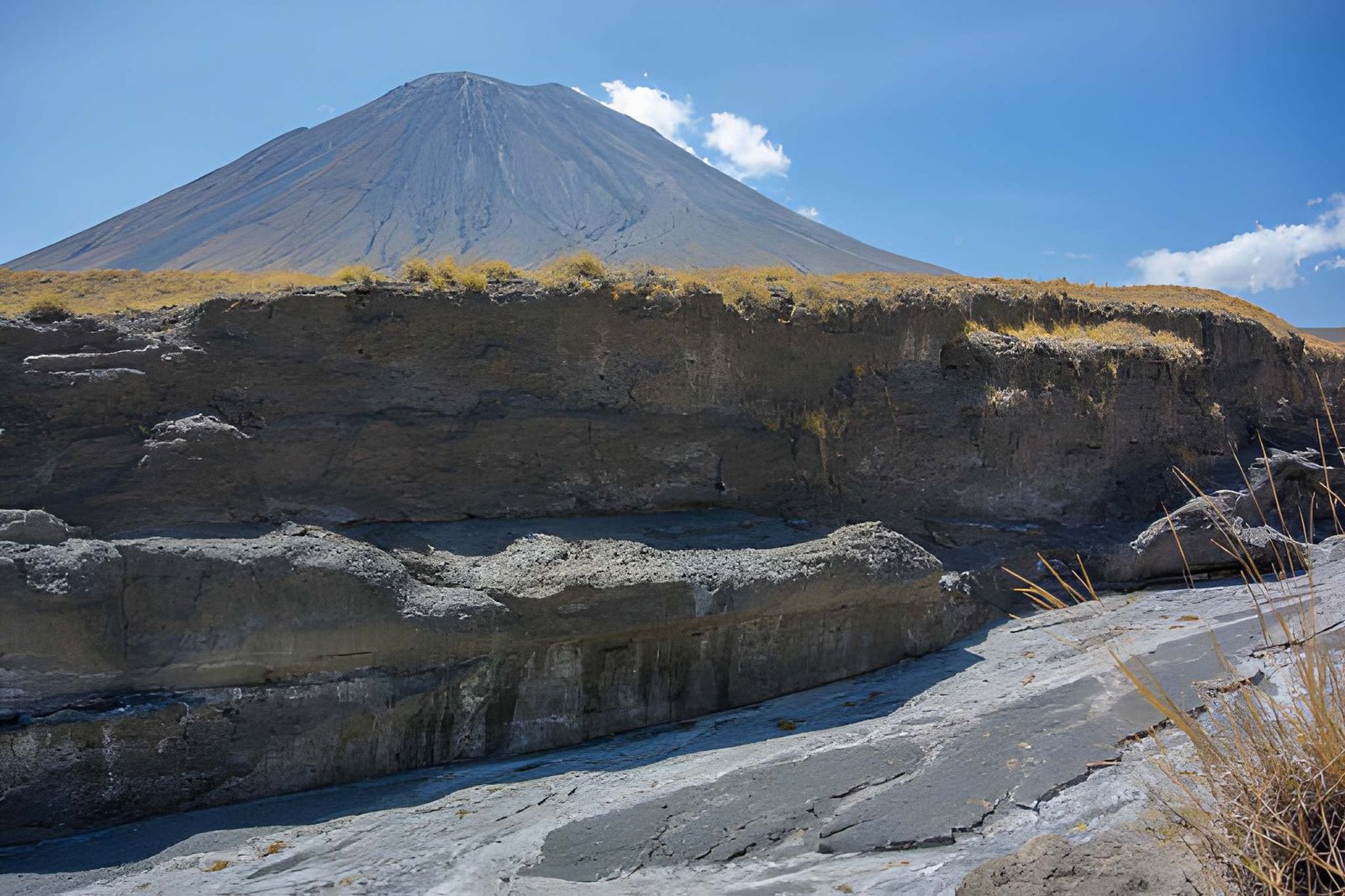
Tanzania · 5 days
Lake Natron
Tanzania · 1 day

Tell us whether you dream of flamingos, a night climb of Ol Doinyo Lengai or an off-the-beaten-track route to the Serengeti, and a Gip Adventure specialist will build the right Lake Natron journey for you.
Usually replies within minutesHeritage
For centuries, the Natron basin has been Maasai land. Pastoralists graze their cattle across the plains and revere Ol Doinyo Lengai as the home of Engai, their god. Nearby, the Engaruka ruins tell of an older farming community that built stone terraces and irrigation channels along the escarpment, while fossil finds at Peninj, west of the lake, and the human footprints at Engare Sero show how long people have walked this part of the Rift Valley.
Today the lake is recognised as a wetland of international importance under the Ramsar Convention, largely because of its role as the flamingos' nursery. Its fragile chemistry and dependence on inflowing rivers mean conservation is vital: proposals for industrial soda ash extraction and changes to water flows upstream have been strongly opposed by conservationists, and community-based tourism now helps local Maasai benefit from protecting the lake.
Yes, for travellers who love dramatic scenery and adventure. The flamingos, the red lake, Ol Doinyo Lengai, the waterfall gorge and Maasai culture make it one of Tanzania's most memorable off-the-beaten-track destinations.
Flamingos are present for much of the year, with the largest numbers and breeding activity usually from around August to December. Exact timing depends on rainfall and water levels.
No. The water is highly alkaline and very hot in places, and can burn skin and eyes. Swimming is instead enjoyed in the freshwater pools of the Engare Sero waterfall.
Roughly 240 km, about 4 to 5 hours by road via Mto wa Mbu. The last section is on rough tracks, so a 4x4 vehicle is essential.
It is a steep and demanding climb on loose ash, usually started around midnight to reach the crater rim at sunrise. Good fitness is needed and an experienced local guide is required.
Two nights is ideal, allowing time for the flamingos, the waterfall gorge and either the footprints or a climb of Ol Doinyo Lengai.
Yes. Natron can be reached from Lake Manyara and Ngorongoro, and a route north through Loliondo leads to the northern Serengeti for a true adventure safari.
Your safari starts here
Let Gip Adventure take you to the flamingo lake beneath the Mountain of God, one of the wildest and most unforgettable corners of Tanzania.
Chat with usOnline