
Hunt with the Hadzabe
Join Hadzabe hunters at dawn as they track game and gather wild foods, using skills passed down for thousands of years.

Climbing Kilimanjaro
The complete guideRoutes & fitness calculatorWhat to packOur climbs
6-Day Kilimanjaro: Marangu Route7-Day Kilimanjaro: Machame Route6-Day Kilimanjaro: Umbwe Route7-Day Kilimanjaro: Rongai Route7-Day Kilimanjaro: Shira Plateau / Morrum Barrier Route9-Day Kilimanjaro: Lemosho Route4-Day Mount Meru Trek5-Day Ol Doinyo Lengai & Lake Natron Trek10-Day Kilimanjaro Trekking & Wildlife Safari11-Day Kilimanjaro Trekking & Wildlife SafariTour styles
Big 5 Safaris (7)Great Migration Safaris (6)Classic Wildlife Safaris (32)Wildlife-Themed Safaris (8)Fly-in & Luxury Safaris (8)Honeymoon Safaris (6)Mountain Trekking (10)Beach & Zanzibar Holidays (9)Gorilla & Primate Safaris (19)Multi-Country & Combination Safaris (9)Helicopter Safaris (5)Cultural Tours (2)Day Trips (10)Family SafarisCity Tours & Airport TransfersTailor-Made / Custom TripsPlan
All toursTanzania safari guidePlan a custom tripTanzania
All of TanzaniaNational ParksGame ReservesIslandsHistorical SitesMountains & VolcanoesLakes & WaterfallsCities & CoastKenya
All of KenyaNational ParksReserves & ConservanciesMountains & CoastCitiesUganda
All of UgandaNational ParksWildlife ReservesLakes & WaterfallsCities & GatewaysMore
Cultural experiencesLodges & campsAll destinationsTanzania Lakes & Waterfalls
A shimmering, wind-swept salt lake at the foot of the Rift Valley, where the Hadzabe still hunt with bow and arrow and the Datoga forge their blades by hand.
Discover Lake Eyasi
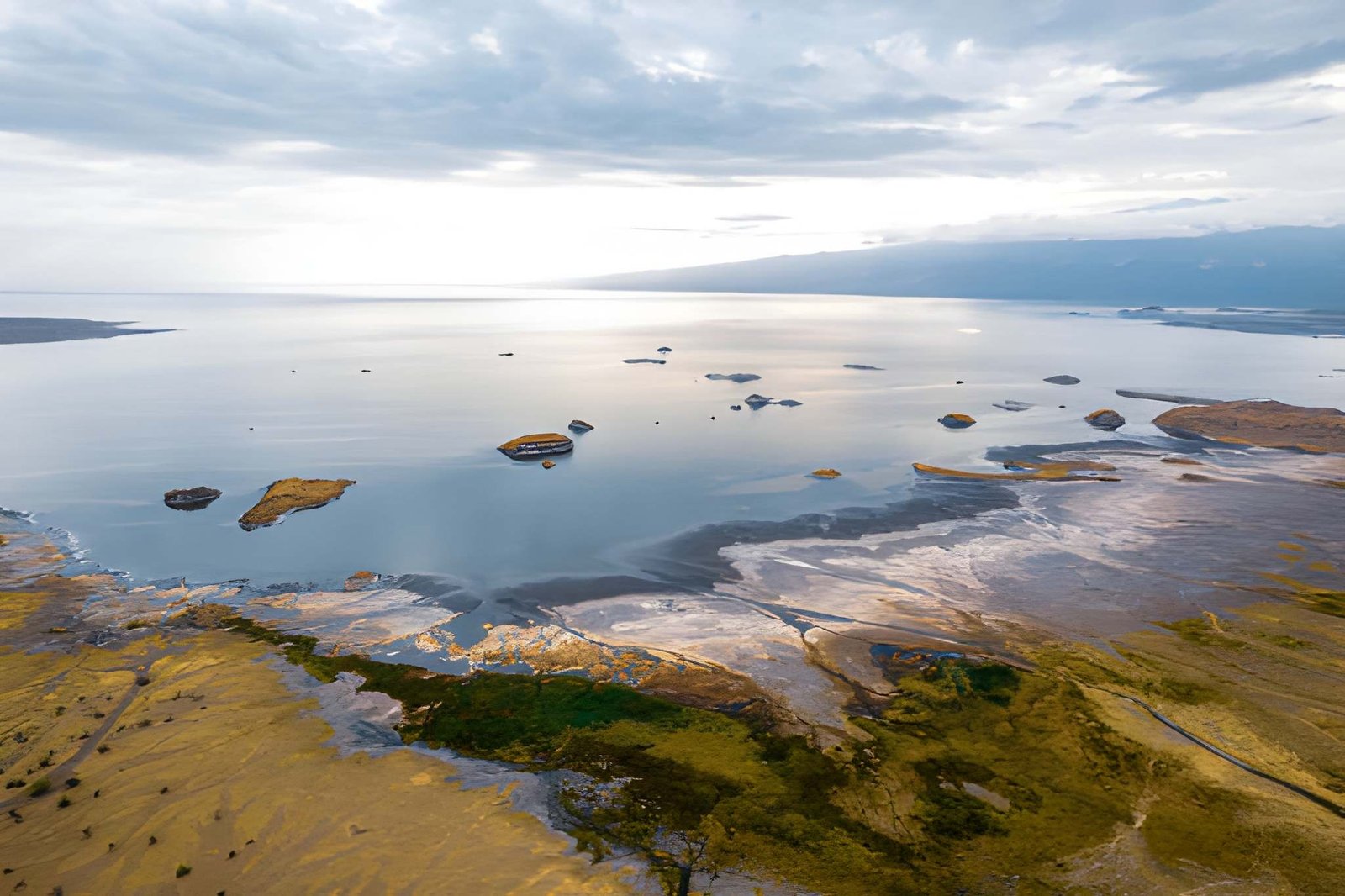
Lake Eyasi is a seasonal, shallow, endorheic salt lake on the floor of the Great Rift Valley, lying south of the Ngorongoro Crater and the Crater Highlands and south of the Serengeti plateau. It is a couple of hours' drive from the small, dusty town of Karatu, and its scenic, little-visited shores mean you will rarely share the experience with crowds.
The lake is fed mainly by the Sibiti and Baray rivers, along with several smaller seasonal streams. Its area changes with the seasons, but it is less than a metre deep and sits at an elevation of about 1,020 metres (3,346 feet). Eyasi is famously windy, with breezes that can blow almost around the clock, which makes it difficult for fishermen, many of whom move to nearby Lake Manyara instead. Even so, catfish and lungfish thrive in its waters.
What makes Eyasi truly special is its people. The lake is home to the Hadzabe, one of the last hunter-gatherer communities in Africa, as well as the Datoga, Iraqw and Isanzu. A visit here is a rare opportunity to learn about history, origin, migration and assimilation, settlement, clothing, diet, shelter, culture and social organisation directly from the communities themselves.
Why Lake Eyasi
Eyasi adds a deeply human dimension to a northern Tanzania safari, combined with dramatic Rift Valley scenery and few other visitors.
Join Hadzabe hunters at dawn as they track game and gather wild foods, using skills passed down for thousands of years.
Watch Datoga craftsmen turn scrap metal into arrowheads, knives and jewellery over a simple charcoal fire.
Eyasi is less visited and less famous than the parks around it, so encounters feel personal rather than staged.
Pale salt flats, doum palms and the steep escarpment create a beautiful, wild landscape, especially at sunset.
Mumba Cave on the lakeshore has yielded Middle and Late Stone Age artefacts, linking today's cultures to a very deep past.
Location
Lake Eyasi lies on the floor of the Rift Valley, south-west of Karatu and south of the Ngorongoro Conservation Area. Most visitors stay around the village of Mangola near the north-eastern shore, about one and a half to two hours' drive from Karatu on a partly rough road. From Arusha the journey takes around 4 hours, and from Kilimanjaro International Airport about 5 hours.
Because it is so close to Karatu and the Ngorongoro Crater, Eyasi fits easily into a northern circuit safari. Gip Adventure arranges both full-day and half-day visits, or an overnight stay so you can join the Hadzabe at first light.
When to visit
Cultural visits are possible all year, but the lake itself expands and shrinks dramatically with the rains.
Warm, dry days and easy roads. The lake shrinks to shimmering salt flats and the Hadzabe hunt close to water sources.
Showers revive the bush and the lake begins to fill, bringing waterbirds back to the shore.
Lush landscapes between the rains, with good access and a chance of flamingos on the lake.
The wettest months. The lake is at its fullest, migrating flamingos may stop over and roads can be slippery.
Every month offers meaningful cultural encounters; the difference lies mainly in the lake's water level and the condition of the roads.
Warm and green, with water on the lake and good birdlife.
A dry spell between the rains, ideal for combining Eyasi with Ngorongoro.
Long rains begin and the lake starts to fill with water.
Usually the wettest month; the lake is full and roads can be challenging.
Rains ease and the landscape is lush around Mangola's farms.
Dry season begins, with pleasant temperatures for early morning walks.
Cool mornings and clear skies, perfect for joining a Hadzabe hunt.
Dry and bright, with the lake retreating to wide salt flats.
Warm, dry weather and easy access from Karatu and the crater.
Hot afternoons and dramatic light over the dried lakebed.
Short rains return and the bush begins to green.
Green landscapes and fewer visitors before the festive season.
Explore the area
Visits centre on the north-eastern shore, where villages, springs and farms sit between the lake and the escarpment.
Wildlife
Eyasi is not a game-viewing destination in the way the nearby parks are, but it has its own wildlife interest. During the wet season, the lake becomes a seasonal stop for migrating flamingos, and hippos are attracted to its waters. Catfish and lungfish thrive in the lake, supporting pelicans, storks and other waterbirds.
Around the lake, dry acacia and commiphora bush shelter small antelopes, baboons and a wealth of dry-country birds, many of which the Hadzabe know intimately as food sources and as guides to wild honey.
Where to look: On the lake after the rains
Migrating flamingos stop over in the wet season when the lake is full.
Where to look: Open water and shoreline
Gathers to fish when water levels are high.
Where to look: Acacia bush near Hadzabe camps
Famous for leading Hadzabe honey hunters to bees' nests, sharing the wax and larvae left behind.
Where to look: Lake margins
Wades the shallows hunting fish and frogs.
Where to look: Wetter parts of the lake in the rainy season
Hippos are drawn to the lake when water levels are high.
Where to look: Bush and farmland around Mangola
Troops forage around villages and along the escarpment.
Where to look: Trees near springs and farms
Common around Mangola's springs and fields.
Where to look: Dense dry bush
A tiny antelope that the Hadzabe may track during a hunt.
Where to look: Rocky outcrops
Lives among boulders and is hunted by the Hadzabe.
Where to look: In the lake and inflowing rivers
One of the fish that thrive in Eyasi's waters, alongside lungfish.

A Morning with the Hadzabe
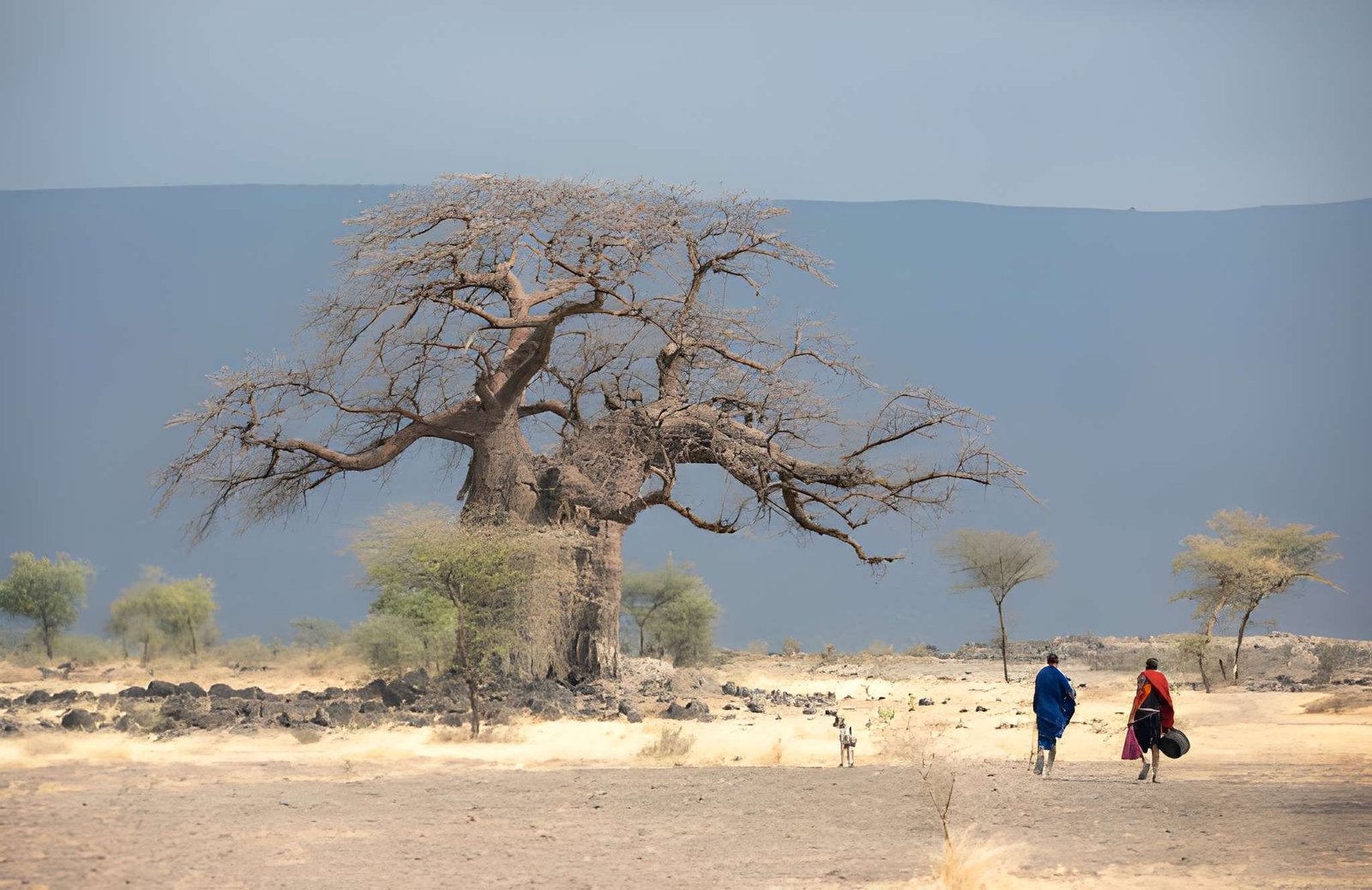
Before sunrise, you join a small group of Hadzabe men around their fire as they prepare bows and poison-tipped arrows. Setting off into the bush, they read tracks, call to the honeyguide bird and stalk small game, while the women and children gather roots, berries and baobab fruit.
The Hadzabe speak a unique language with click sounds and live with very few possessions. Afterwards, many visitors continue to a Datoga homestead to watch blacksmiths at work, a powerful insight into two very different ways of life sharing the same landscape.
Safaris to 中文
Itineraries that visit Lake Eyasi, usually combined with Karatu, Ngorongoro and Lake Manyara.
Tanzania · 15 days
Tarangire · Ngorongoro · Serengeti · Lake Natron
Tanzania · 13 days
Tarangire · Ngorongoro · Serengeti · Lake Natron
Tanzania · 1 day
Tanzania · Half day

Tell us how much time you have and a Gip Adventure specialist will arrange a full-day, half-day or overnight Eyasi experience, accompanied by our professional guides, as part of a safe, secure and satisfying safari.
Usually replies within minutesHeritage
The Eyasi basin is one of the few places where four of Tanzania's language families meet. The Hadzabe speak a click language unrelated to any other; the Iraqw speak a Cushitic language and are skilled farmers; the Datoga are Nilotic pastoralists and blacksmiths; and the Isanzu are Bantu farmers. Each community has its own history of origin, migration and settlement, and each has adapted to the lake in a different way.
The area's human story runs much deeper still. Excavations at Mumba Cave on the lakeshore have yielded Middle and Late Stone Age artefacts, and the wider region, which includes Olduvai Gorge and Laetoli, is among the most important in the world for understanding human origins. Today, land pressure from farming and grazing threatens the Hadzabe's way of life, and respectful, community-led tourism helps support their efforts to protect their land.
Yes, especially for travellers interested in culture. Meeting the Hadzabe and Datoga is one of the most authentic cultural experiences in East Africa.
About one and a half to two hours by road, which makes it easy to visit before or after the Ngorongoro Crater.
Yes. Visitors can accompany Hadzabe hunters on foot early in the morning. You observe and walk with them, and it requires moderate fitness.
A full-day or half-day visit is possible, but staying overnight near Mangola lets you join the hunt at dawn, when it is most authentic.
There is little big game, but you may see flamingos and pelicans after the rains, as well as baboons, small antelopes and many dry-country birds.
Visits arranged through reputable operators and local guides provide income to the community. Travel respectfully, ask before taking photos and follow your guide's advice.
Neutral, comfortable clothing, sturdy closed shoes for walking in thorny bush, a hat and sun protection.
Your safari starts here
Let Gip Adventure take you to Lake Eyasi, where you will discover why Africa is Africa, through the lives and traditions of its people.
Chat with usOnline