
Extraordinary Colour
Deep, clear water that glows blue, green and turquoise inside sheer crater walls.

Climbing Kilimanjaro
The complete guideRoutes & fitness calculatorWhat to packOur climbs
6-Day Kilimanjaro: Marangu Route7-Day Kilimanjaro: Machame Route6-Day Kilimanjaro: Umbwe Route7-Day Kilimanjaro: Rongai Route7-Day Kilimanjaro: Shira Plateau / Morrum Barrier Route9-Day Kilimanjaro: Lemosho Route4-Day Mount Meru Trek5-Day Ol Doinyo Lengai & Lake Natron Trek10-Day Kilimanjaro Trekking & Wildlife Safari11-Day Kilimanjaro Trekking & Wildlife SafariTour styles
Big 5 Safaris (7)Great Migration Safaris (6)Classic Wildlife Safaris (32)Wildlife-Themed Safaris (8)Fly-in & Luxury Safaris (8)Honeymoon Safaris (6)Mountain Trekking (10)Beach & Zanzibar Holidays (9)Gorilla & Primate Safaris (19)Multi-Country & Combination Safaris (9)Helicopter Safaris (5)Cultural Tours (2)Day Trips (10)Family SafarisCity Tours & Airport TransfersTailor-Made / Custom TripsPlan
All toursTanzania safari guidePlan a custom tripTanzania
All of TanzaniaNational ParksGame ReservesIslandsHistorical SitesMountains & VolcanoesLakes & WaterfallsCities & CoastKenya
All of KenyaNational ParksReserves & ConservanciesMountains & CoastCitiesUganda
All of UgandaNational ParksWildlife ReservesLakes & WaterfallsCities & GatewaysMore
Cultural experiencesLodges & campsAll destinationsTanzania Lakes & Waterfalls
Hidden inside a steep volcanic crater on the eastern flanks of Kilimanjaro, Lake Chala's astonishing turquoise water is one of northern Tanzania's most beautiful secrets.
Discover Lake Chala
Lake Chala is a caldera lake formed by a volcanic blast roughly 250,000 years ago. It straddles the border between Tanzania and Kenya in the Rombo district of the Kilimanjaro region, east of Mount Kilimanjaro and Moshi. Covering about 4.2 km², it measures some 3 km long and 2.4 km wide and is around 98 metres deep, encircled by a steep crater rim rising 170 to 200 metres above the water.
The lake has no visible river. Instead it is fed by groundwater that falls as rain in the montane forest zone of Kilimanjaro between 1,800 and 2,800 metres, taking about three months to filter through the volcanic rock to the lake. The result is remarkably clear, deep water that shifts from blue to green and turquoise with the angle of the light.
At 880 metres above sea level, Chala enjoys a warm climate, with temperatures reaching around 29°C in the dry spells. Its rocky shores have no sand beaches, but the crater offers canoeing, birdwatching, walks and camping beneath the gaze of Kilimanjaro.
Why Lake Chala
Lake Chala rewards a day trip or overnight stay with outstanding scenery, peaceful activities and views of Kilimanjaro.
Deep, clear water that glows blue, green and turquoise inside sheer crater walls.
Paddle across the lake surrounded by towering rocky walls, an experience of a lifetime.
On clear days the snow-capped summit of Kilimanjaro rises above the crater rim and the Chala savanna.
The lake lies on a likely migration corridor on Kilimanjaro's eastern flanks, so unexpected birds turn up.
Chala is the only home of the Chala tilapia, a fish found nowhere else on Earth.
Location
Lake Chala lies in Rombo district, east of Moshi, right on the Tanzania–Kenya border. It is about 55 km from Moshi, 95 km from Kilimanjaro International Airport and 135 km from Arusha. Allow around 3 to 4 hours' drive, depending on your pick-up point.
From Arusha, the airport or Moshi, you follow the surfaced road east past the Moshi cement factory, then turn left onto a dirt road that leads to the lake. Day trips start and end in Arusha, Moshi or at Kilimanjaro International Airport.
When to visit
The weather varies with the time of year, with two main seasons, dry and wet, but Chala can be enjoyed in every month.
Clear skies, the best Kilimanjaro views and pleasant temperatures for canoeing and crater walks.
Brief showers and green surroundings, with migrant birds adding colour around the crater.
Warm days reaching around 29°C, calm water and generally good visibility.
The wettest months, when the dirt access road can be muddy and the rim trail slippery.
June to October and January to February bring the most comfortable conditions, but the lake is beautiful year-round.
Hot and mostly dry, with calm water for canoeing.
Warm and settled, with good chances of seeing Kilimanjaro.
Rains begin to build, but mornings are often clear.
The wettest month, with muddy access roads.
Rains ease and the crater rim is lush and green.
Cooler, drier weather returns, ideal for rim walks.
Clear skies and excellent views of Kilimanjaro.
One of the best months for a day trip or camping.
Dry and pleasant, perfect for paddling and birding.
Warm and clear before the short rains.
Short showers and fresh greenery around the crater.
Warm with occasional rain and good birding.
Explore the area
Lake Chala is large enough to fill a full day with activities, from the water's edge to the savanna above the crater.
Wildlife
Lake Chala is rich in indigenous and endemic flora and fauna. The crater slopes are covered with sickle bush, Sesamothamnus, Delonix elata, fever trees, euphorbias, marula and fig trees, providing shelter for baboons, blue and vervet monkeys, rock hyraxes, dik-diks, monitor lizards and agamas.
Birdlife is varied, from skulking forest species and small passerines to waders, waterfowl and raptors such as the African fish eagle, black kite and Verreaux's eagle. Crocodiles have also been recorded in the lake in the past, another reason not to swim.
Where to look: Crater slopes and rim
Troops forage along the crater walls and around the picnic areas.
Where to look: Wooded crater slopes
Often seen moving through the fig and forest trees on the crater walls.
Where to look: Around the rim and campsites
Inquisitive monkeys that chatter around the camping areas.
Where to look: Rocky crater walls
Seen basking on the rocks along the steep crater sides.
Where to look: Bush on the crater rim
A tiny antelope that hides in thickets on the savanna above the lake.
Where to look: Rocky shoreline
Large lizards sun themselves on rocks near the water.
Where to look: Throughout the lake
Endemic to Lake Chala and threatened by overfishing.
Where to look: Trees above the water
Its ringing call echoes around the crater walls.
Where to look: Cliffs of the crater rim
A large black eagle that hunts hyraxes along the cliffs.
Where to look: Rocks along the shoreline
Often seen drying their wings on rocks by the water.

Canoe the Crater
The most memorable way to experience Lake Chala is from the water. With canoeing booked in advance, you push off from the shore and glide across the clear, deep lake, surrounded on all sides by sheer rocky walls draped in greenery.
The water changes colour as you move, from deep blue to green and turquoise, while fish eagles call overhead and monkeys move along the cliffs.
Safaris to 中文
Day trips and overnight stays at Lake Chala, easily combined with a Kilimanjaro climb or safari.
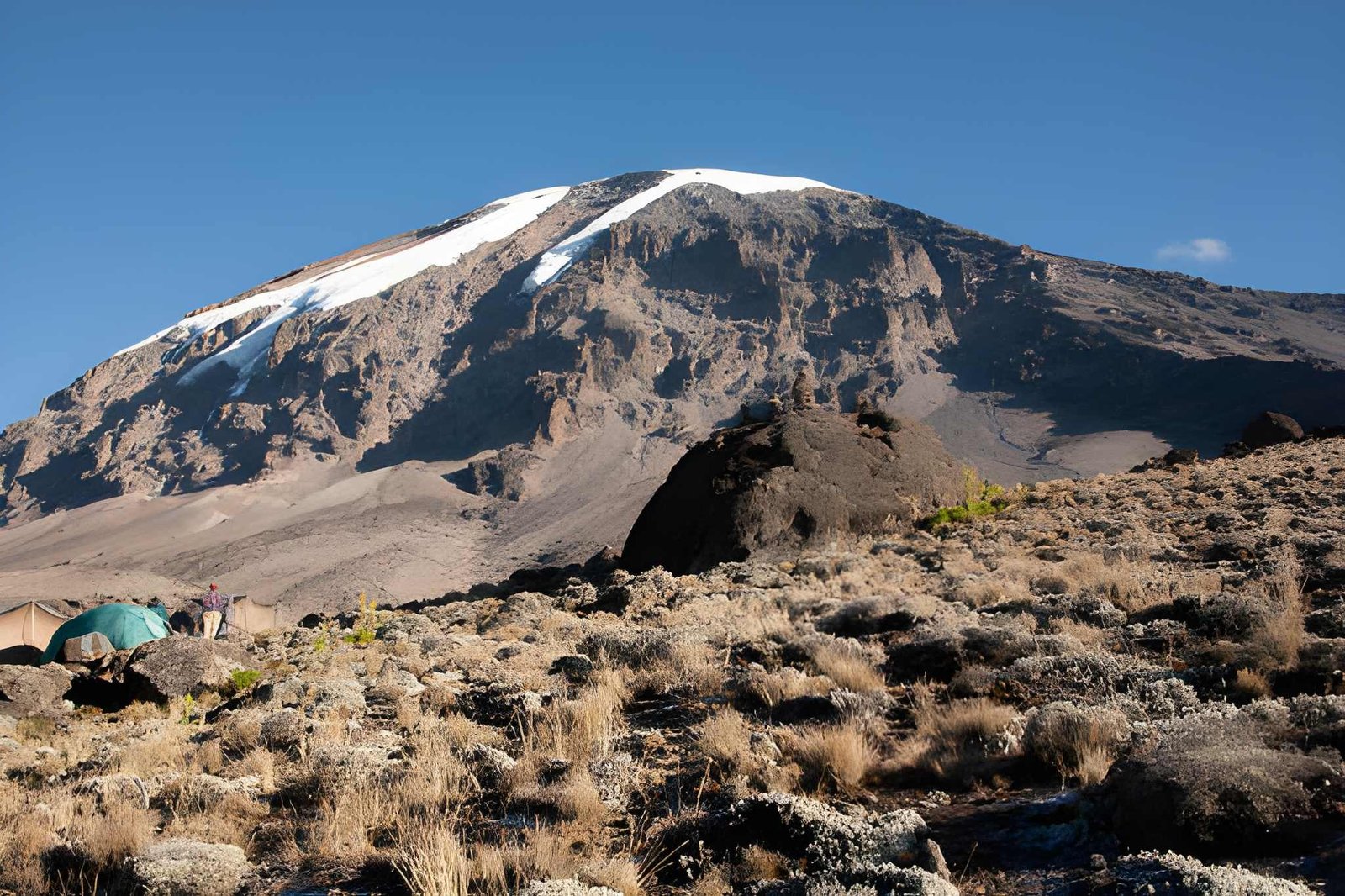
Tanzania · 6 days
Mandara Hut · Horombo Hut · Kibo Hut
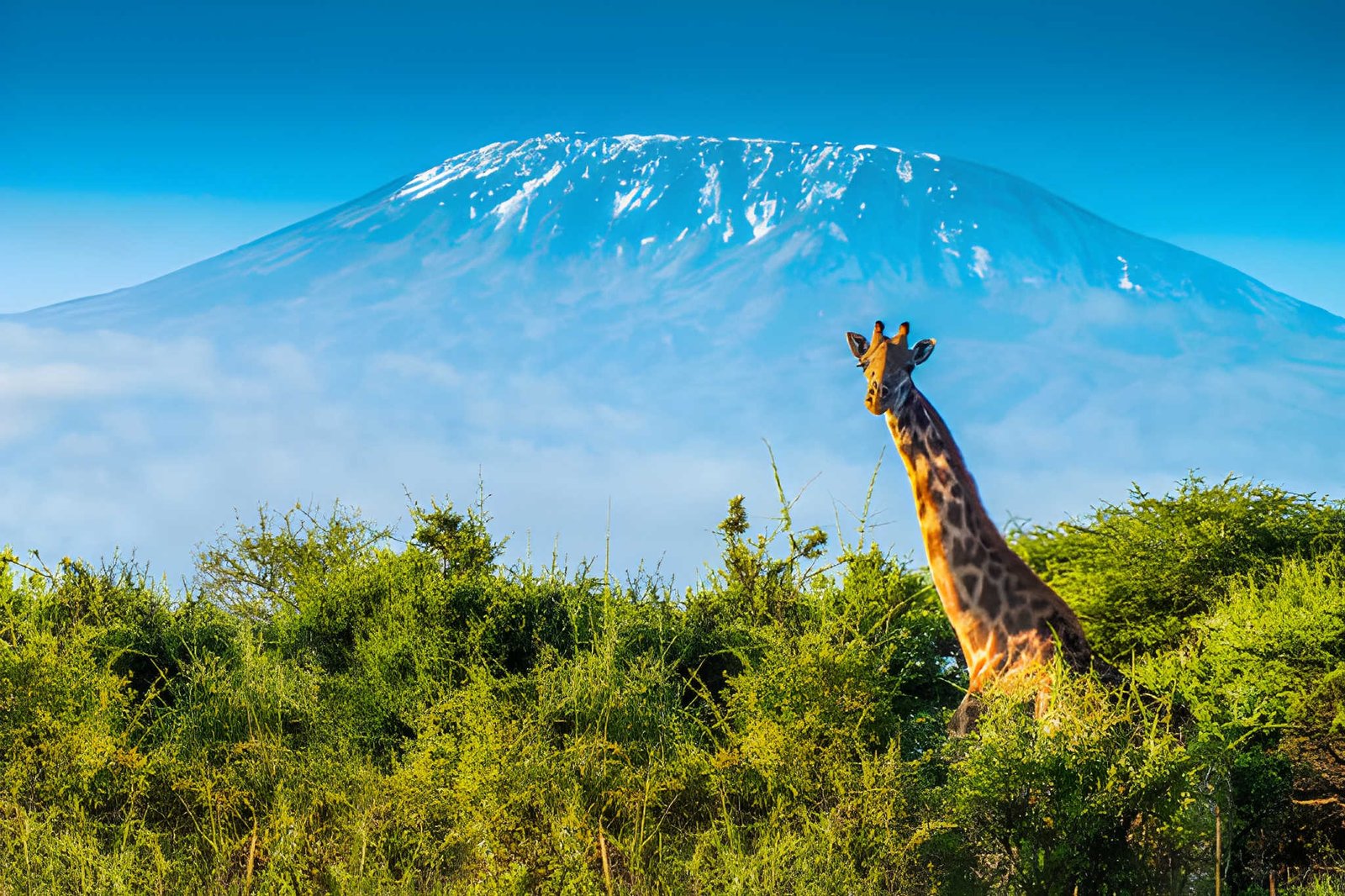
Tanzania · 10 days
Mandara Hut · Horombo Hut · Kibo Hut · Ngorongoro
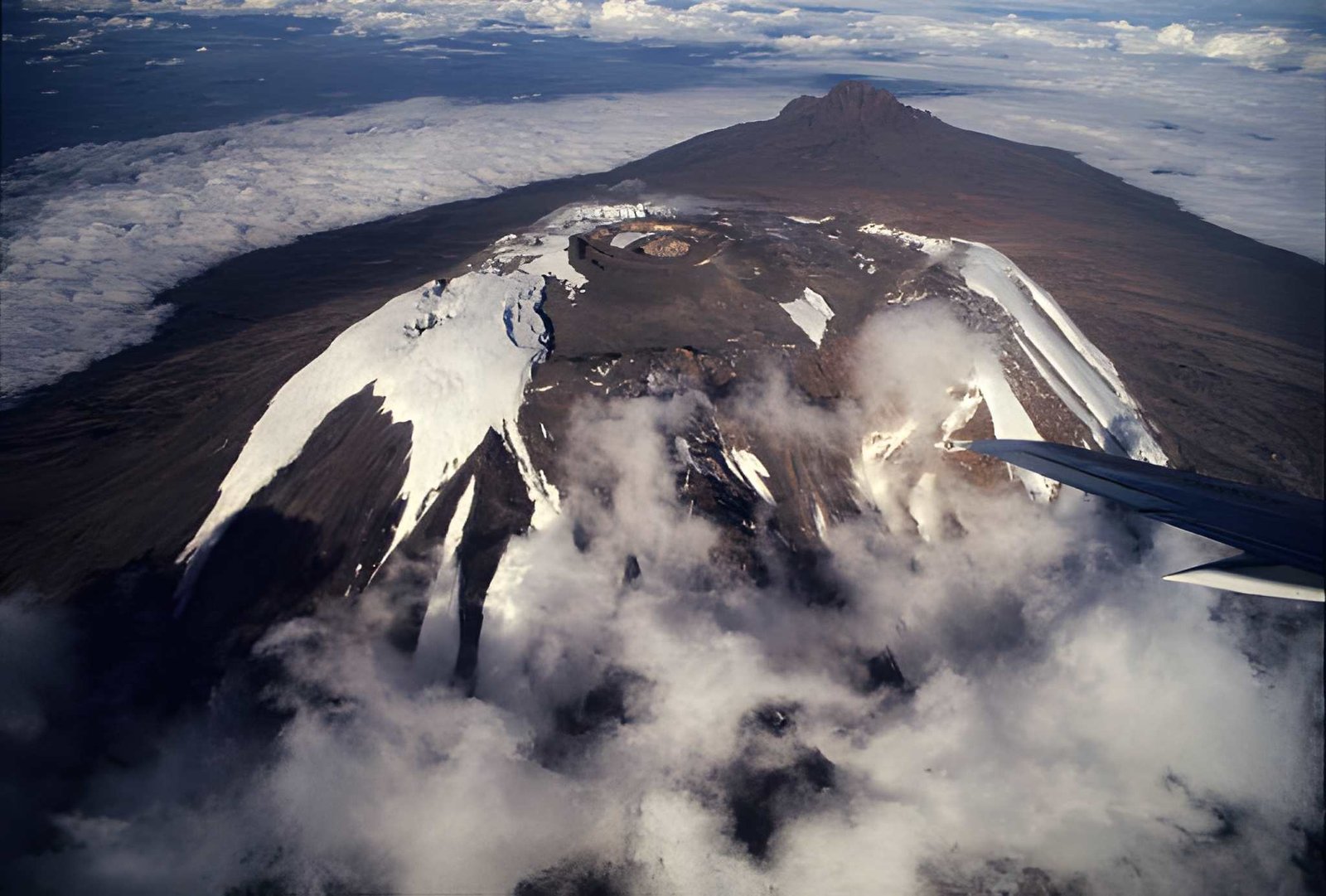
Tanzania · Half day
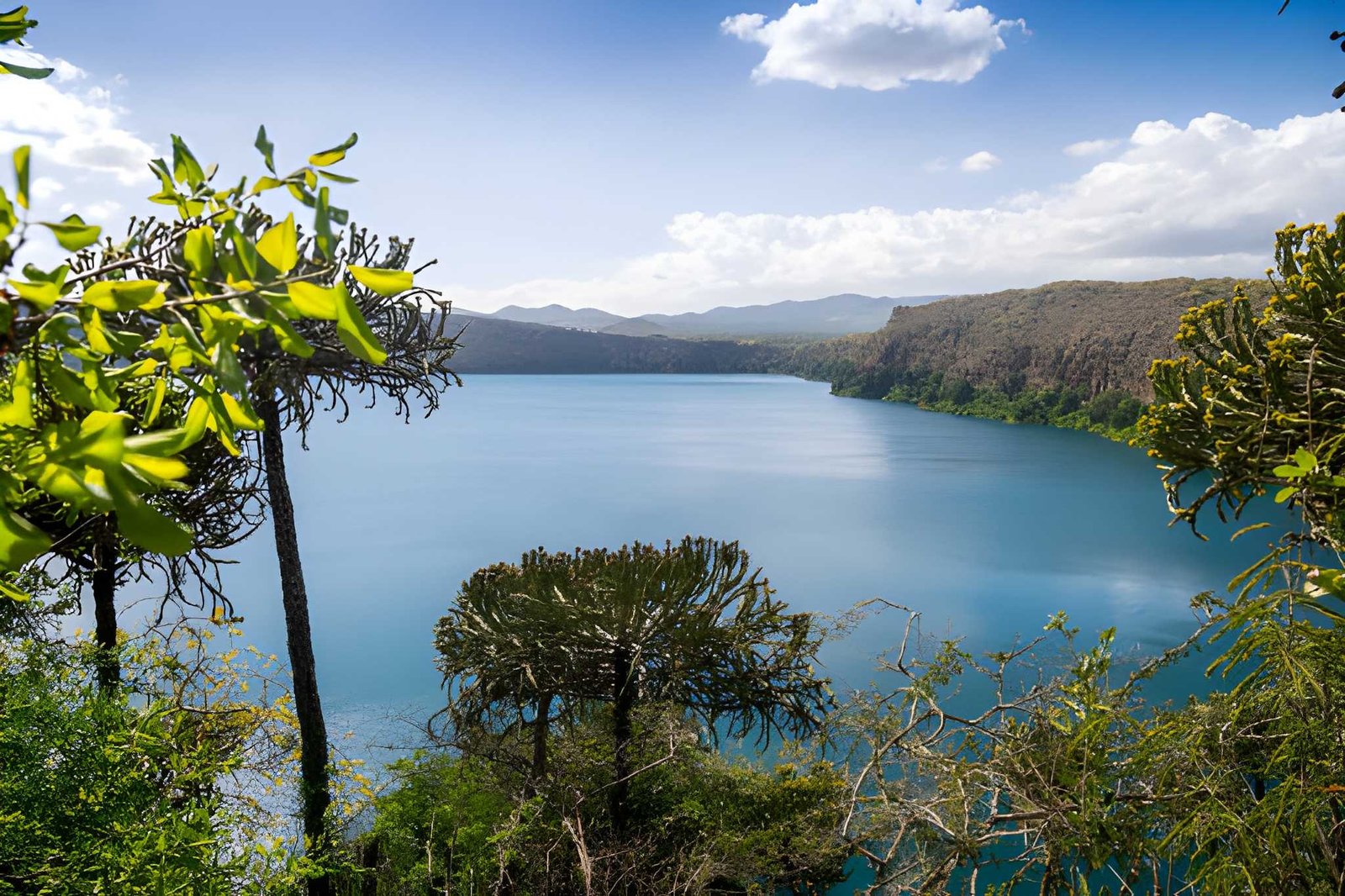
Tanzania · 1 day

Tell us when you would like to visit and what you enjoy most. A GIP Adventure specialist will arrange your transport, English-speaking guide and activities.
Usually replies within minutesHeritage
Lake Chala was formed by volcanic activity linked to Kilimanjaro roughly 250,000 years ago. Its sediments hold one of the longest climate records in East Africa, and scientists study them to understand past rainfall around the mountain.
The Chala tilapia is now highly threatened, and protecting it depends on careful, sustainable use of the lake by visitors and communities on both sides of the border.
Swimming is not permitted. The water is clear and bilharzia-free, but the lake is very deep, has no beaches and has slippery rocks.
About 55 km, with a final stretch on a dirt road. Allow 3 to 4 hours depending on your pick-up point.
Yes. Camping lets you enjoy the sounds of the bush and sunrise over the crater.
Yes, canoeing can be arranged when booked in advance.
A 4x4 safari vehicle, HiAce, Coaster or Land Cruiser, depending on group size.
Yes. It is ideal before or after a Kilimanjaro climb, or combined with Moshi and Lake Jipe.
Your safari starts here
Let GIP Adventure plan a day trip to Lake Chala, with a professional guide and comfortable transport from Arusha, Moshi or the airport.
Chat with usOnline