Close to the Crater
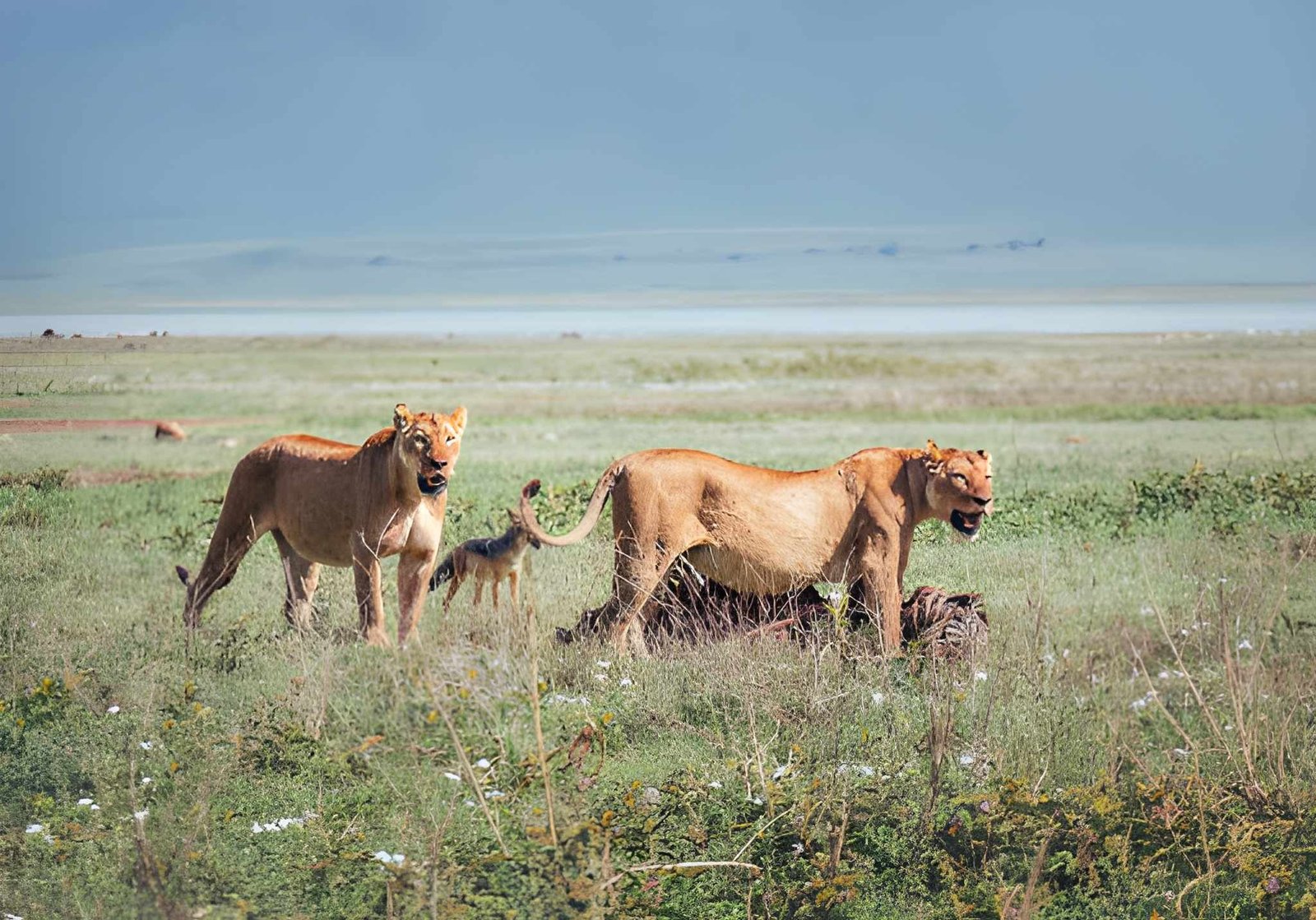
Short drive to the Ngorongoro gate, so you can be on the crater floor early, before the busiest hours.

Climbing Kilimanjaro
The complete guideRoutes & fitness calculatorWhat to packOur climbs
6-Day Kilimanjaro: Marangu Route7-Day Kilimanjaro: Machame Route6-Day Kilimanjaro: Umbwe Route7-Day Kilimanjaro: Rongai Route7-Day Kilimanjaro: Shira Plateau / Morrum Barrier Route9-Day Kilimanjaro: Lemosho Route4-Day Mount Meru Trek5-Day Ol Doinyo Lengai & Lake Natron Trek10-Day Kilimanjaro Trekking & Wildlife Safari11-Day Kilimanjaro Trekking & Wildlife SafariTour styles
Big 5 Safaris (7)Great Migration Safaris (6)Classic Wildlife Safaris (32)Wildlife-Themed Safaris (8)Fly-in & Luxury Safaris (8)Honeymoon Safaris (6)Mountain Trekking (10)Beach & Zanzibar Holidays (9)Gorilla & Primate Safaris (19)Multi-Country & Combination Safaris (9)Helicopter Safaris (5)Cultural Tours (2)Day Trips (10)Family SafarisCity Tours & Airport TransfersTailor-Made / Custom TripsPlan
All toursTanzania safari guidePlan a custom tripTanzania
All of TanzaniaNational ParksGame ReservesIslandsHistorical SitesMountains & VolcanoesLakes & WaterfallsCities & CoastKenya
All of KenyaNational ParksReserves & ConservanciesMountains & CoastCitiesUganda
All of UgandaNational ParksWildlife ReservesLakes & WaterfallsCities & GatewaysMore
Cultural experiencesLodges & campsAll destinationsTanzania Cities & Coast
Rolling coffee estates, red earth and cool highland air make Karatu the perfect base for the Ngorongoro Crater. Stay among the farms and wake to mist on the hills before descending into the crater.
Discover Karatu
Karatu is a busy market town in the highlands between Lake Manyara and the Ngorongoro Conservation Area. Set at around 1,500 metres, it enjoys cool evenings and fertile volcanic soils, and the surrounding hills are covered with coffee estates, wheat and maize fields and patches of forest.
For safari travellers, Karatu's main appeal is its location. The Lodoare gate of the Ngorongoro Conservation Area is only a short drive away, making it easy to reach the crater floor early in the morning. Lake Manyara is to the east and Lake Eyasi to the south-west, and many itineraries spend one or two nights here between parks.
The town is the heart of the Iraqw people's homeland, and around it you can tour coffee farms, walk through villages, visit local markets and explore forests and waterfalls on the slopes of the highlands.
Why stay
Karatu combines easy crater access with beautiful farm lodges and plenty to do.
Short drive to the Ngorongoro gate, so you can be on the crater floor early, before the busiest hours.
Stay at lodges set among coffee estates and gardens, many with views over the highlands.
Follow coffee from plant to cup on a working farm, with tastings at the end.
Visit Iraqw homesteads and learn about this agricultural people and their traditional homes.
Explore village trails, forest edges and waterfalls on the highland slopes.
Lake Manyara, Lake Eyasi, Mto wa Mbu and the Serengeti road are all within easy reach.
Location
Karatu lies on the main road from Arusha to Ngorongoro and the Serengeti, about 140 km west of Arusha, a drive of around two and a half to three hours. Mto wa Mbu and the Lake Manyara gate are around 35 km to the east, and the Lodoare gate of the Ngorongoro Conservation Area is about 15 km to the west, roughly 30 minutes' drive.
Kilimanjaro International Airport is about three and a half to four hours away by road, and the Manyara airstrip offers light-aircraft connections. Lake Eyasi, home of the Hadzabe and Datoga, is around one and a half hours to the south-west.
When to visit
Karatu is a year-round base, though its highland climate is cooler than many travellers expect.
Dry days and cold nights in the highlands, the peak season for Ngorongoro; pack a warm jacket.
Brief showers and green hills; coffee plants begin to flower after the rains.
Warm days and green landscapes, and the calving season in the nearby southern Serengeti.
The wettest months; farm roads can be muddy, but lodges are quiet and the hills are lush.
What Karatu is like through the year.
Warm and green, a great base for the crater and the southern Serengeti.
Warm days and mostly dry weather, with calving season nearby.
The long rains begin and the hills turn intensely green.
The wettest month, with quiet lodges and muddy farm tracks.
Rains ease and the farms are lush and fresh.
The dry season begins with cool, crisp nights.
Cold nights and misty mornings; fireplaces are lit at many lodges.
Dry and cool, peak season for Ngorongoro crater visits.
Dry and pleasant, a good month for farm and village walks.
Warm and dry, with dusty roads and golden fields.
The short rains arrive and coffee plants start to flower.
Green and festive, a lovely time to stay among the farms.
Explore the area
Experiences in and around the town.

Spotlight
Spend an afternoon on a coffee estate on the edge of the Ngorongoro highlands. Walk between the rows of coffee bushes with a farm guide, learn how the cherries are picked, pulped, dried and roasted, and finish with a fresh cup on a veranda overlooking the hills.
It is the perfect way to slow down between game drives, and with the crater just up the road you can be ready for an early start the next morning.
Safaris to 中文
Safaris that stay in or pass through Karatu on the way to Ngorongoro.
Stay in 中文
Farm lodges and highland retreats in and around Karatu.

Tell us your safari route and a Gip Adventure specialist will find the right Karatu lodge for an early start in the Ngorongoro Crater, with a coffee tour or village walk if you have time.
Usually replies within minutesHeritage
Karatu lies in the homeland of the Iraqw, a farming people whose language belongs to the Cushitic family and who have lived in these highlands for centuries. Traditionally they built homes partly into hillsides for protection and warmth, and farming and livestock remain at the heart of local life.
During the colonial period, settlers established coffee and wheat farms on the fertile volcanic soils, and some of today's lodges occupy historic farmhouses and estates. As safari tourism grew, Karatu became the main service town for visitors to the Ngorongoro Conservation Area.
Today the town balances farming, trade and tourism, and many lodges support local schools, farming projects and employment in the surrounding villages.
About 15 km to the Lodoare gate, around 30 minutes, then roughly another hour to the crater floor via the rim.
Karatu lodges are often better value and surrounded by farms; rim lodges offer crater views and are slightly closer.
Evenings and early mornings can be cold, especially from June to August, so bring a warm layer.
Coffee tours, village and market visits, forest walks and day trips to Lake Eyasi and Lake Manyara.
About 140 km, roughly two and a half to three hours by road.
Yes. Lake Eyasi is about one and a half hours away, and an early-morning visit is easy to arrange.
Yes, it is on the main road and a popular overnight stop before or after Ngorongoro.
Your safari starts here
Let Gip Adventure place you among the coffee farms of Karatu, perfectly positioned for your Ngorongoro adventure.
Chat with usOnline