
Join a Morning Hunt
Follow Hadza hunters through the bush at dawn as they track game and birds, moving quietly and reading every sign.

Climbing Kilimanjaro
The complete guideRoutes & fitness calculatorWhat to packOur climbs
6-Day Kilimanjaro: Marangu Route7-Day Kilimanjaro: Machame Route6-Day Kilimanjaro: Umbwe Route7-Day Kilimanjaro: Rongai Route7-Day Kilimanjaro: Shira Plateau / Morrum Barrier Route9-Day Kilimanjaro: Lemosho Route4-Day Mount Meru Trek5-Day Ol Doinyo Lengai & Lake Natron Trek10-Day Kilimanjaro Trekking & Wildlife Safari11-Day Kilimanjaro Trekking & Wildlife SafariTour styles
Big 5 Safaris (7)Great Migration Safaris (6)Classic Wildlife Safaris (32)Wildlife-Themed Safaris (8)Fly-in & Luxury Safaris (8)Honeymoon Safaris (6)Mountain Trekking (10)Beach & Zanzibar Holidays (9)Gorilla & Primate Safaris (19)Multi-Country & Combination Safaris (9)Helicopter Safaris (5)Cultural Tours (2)Day Trips (10)Family SafarisCity Tours & Airport TransfersTailor-Made / Custom TripsPlan
All toursTanzania safari guidePlan a custom tripTanzania
All of TanzaniaNational ParksGame ReservesIslandsHistorical SitesMountains & VolcanoesLakes & WaterfallsCities & CoastKenya
All of KenyaNational ParksReserves & ConservanciesMountains & CoastCitiesUganda
All of UgandaNational ParksWildlife ReservesLakes & WaterfallsCities & GatewaysMore
Cultural experiencesLodges & campsAll destinationsTanzania Cultural Experiences
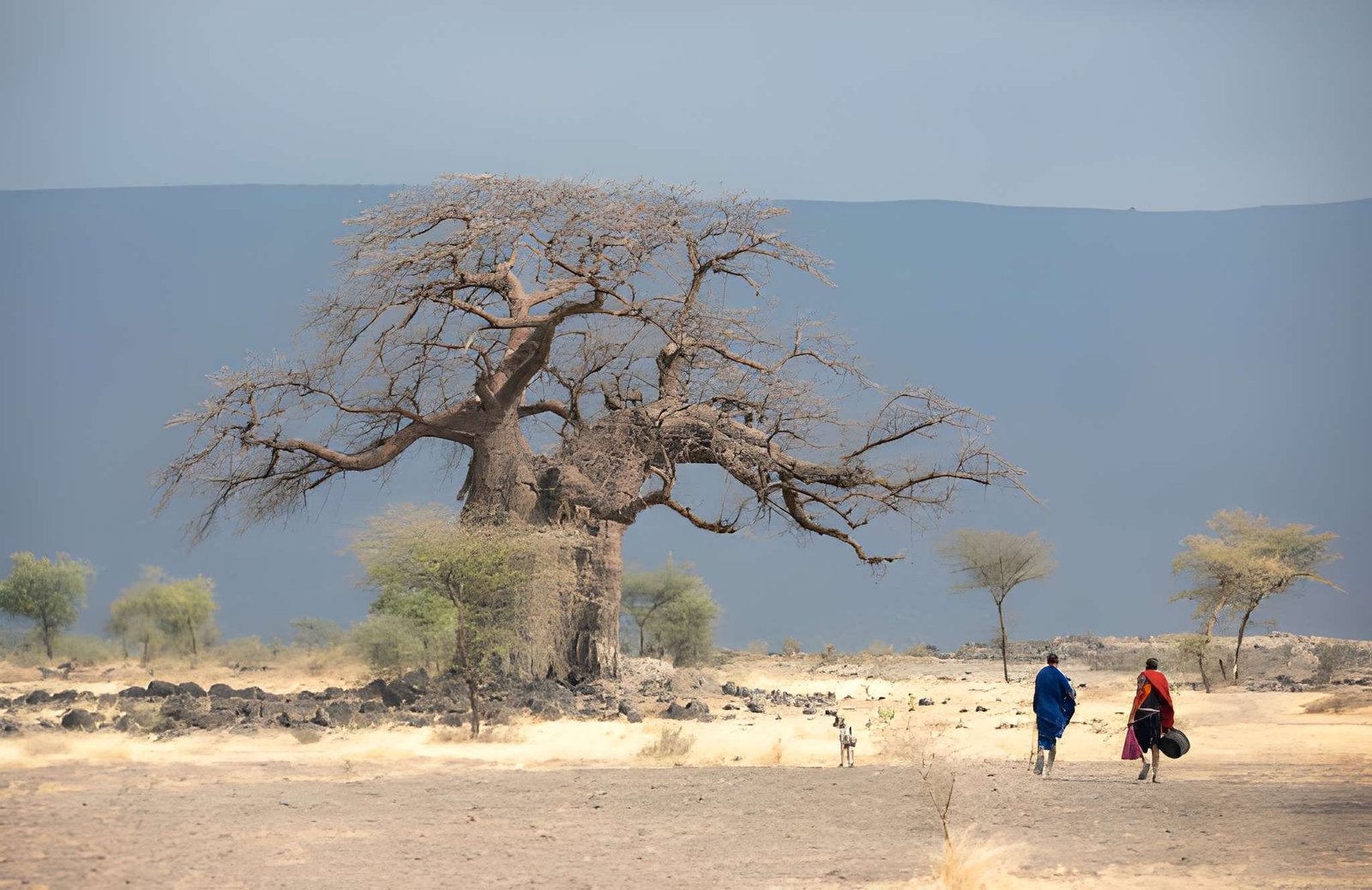
In the rocky baobab country around Lake Eyasi, the Hadzabe still hunt with bow and arrow and gather berries, roots and honey as their ancestors did. Joining them at dawn is a rare, humbling glimpse of one of the oldest ways of life on earth.
Discover the Hadzabe
The Hadza, or Hadzabe, are an indigenous people of north-central Tanzania who live around Lake Eyasi in the Rift Valley and in the neighbouring Serengeti plateau. They are Tanzania's only remaining people who still live largely as hunter-gatherers, and their language, Hadzane, uses click sounds. It was once grouped with the Khoisan languages of southern Africa, yet the Hadza are not closely related genetically to any other people.
The Hadza live in small, mobile bands of about 20 to 30 people, although camps of a hundred or more may gather in the berry season. There are no chiefs or formal hierarchy; if a disagreement cannot be settled, one party simply leaves the camp. Children are raised cooperatively, with many members of the camp sharing in their care.
Today the Hadza are a small community, and only some still rely mainly on hunting and gathering, while their lands face pressure from farming and grazing. A carefully arranged visit, led by a Hadza guide and an interpreter, supports the community and offers a respectful window into their knowledge of the land.
Why visit
Time with the Hadzabe is less a tour than a lesson in how to live from the land.
Follow Hadza hunters through the bush at dawn as they track game and birds, moving quietly and reading every sign.
Try your hand at archery with a Hadza bow, and learn how arrows are made and used.
Watch fire made by spinning a stick, in seconds, and try it yourself.
Hear the whistled conversation between Hadza men and the honeyguide bird that leads them to wild bees' nests.
Learn how berries, fruits, tubers and leaves are found and collected, often by the women and children.
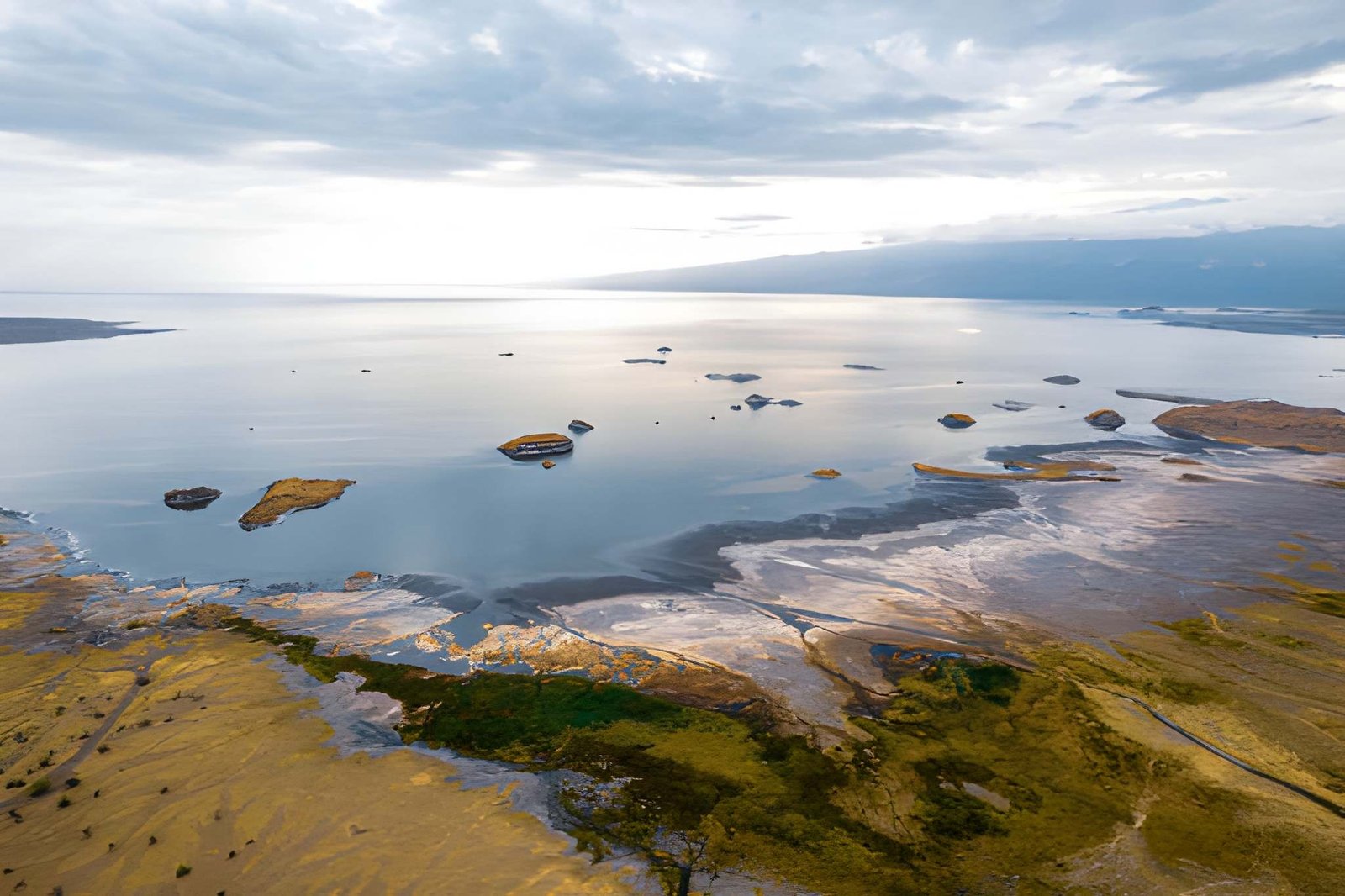
Baobabs, rocky outcrops and the shimmering soda lake beneath the Rift Valley escarpment.
Location
The Hadza live around Lake Eyasi, a seasonal soda lake on the floor of the Rift Valley, south-west of the Ngorongoro highlands. Visits are usually based near Mang'ola village on the eastern side of the lake, about one and a half hours' drive from Karatu and roughly four hours from Arusha.
Because the Hadza are most active in the early morning, we recommend spending the night at a lodge or camp near Lake Eyasi or in Karatu, then continuing to Ngorongoro, the Serengeti or Lake Manyara afterwards.
When to visit
Visits are possible all year, and what the Hadza eat changes with the seasons.
The main hunting season, when animals gather near water; dry roads and cooler mornings make travel easy.
Brief showers and fresh growth; berries and plant foods begin to return.
Warm weather, green surroundings and a good time for gathering fruit and honey.
The wettest months; tracks to the camps can be difficult, and plant foods are plentiful.
The Hadza calendar follows food, water and weather.
Warm and green, with wild fruits and honey on the menu.
Hot, mostly dry days and good access to the camps around Lake Eyasi.
The long rains begin and plant foods become more plentiful.
The wettest month; some tracks become muddy, so visits need flexible planning.
Rains ease and the bush is lush, with berries ripening.
The dry season starts and hunting becomes more important.
Cool, dry mornings make dawn hunts especially pleasant.
Animals gather near remaining water, and hunting is at its most active.
Dry and warm, with the lake shrinking and baobabs bare.
Hot and dry before the rains, with honey a prized food.
The short rains bring the first green shoots back to the bush.
Green and warm, with berries returning to the woodland.
Explore the area
A Hadza visit is often combined with other cultural encounters in the Eyasi valley.

Spotlight
Your day begins before sunrise, when you arrive at the camp with your guide and interpreter. After greetings around the fire, the men check their bows and arrows and lead you into the bush, tracking birds and small game, stopping to dig tubers or follow the call of a honeyguide. Later you may join the women gathering berries, practise archery and learn to make fire by hand.
The hunt is real, so nothing is guaranteed, and the pace is the Hadza's own. Wear sturdy shoes, be ready to walk through thorny bush, and above all listen: there is no better way to understand how deep their knowledge of this land runs.
Safaris to 中文
Safaris and cultural tours that include a visit to the Hadzabe at Lake Eyasi.
Tanzania · 15 days
Tarangire · Ngorongoro · Serengeti · Lake Natron
Tanzania · 13 days
Tarangire · Ngorongoro · Serengeti · Lake Natron
Tanzania · 1 day
Tanzania · Half day

Tell us your safari route and we will add a respectful early-morning visit to the Hadzabe, with an overnight stay near Lake Eyasi or Karatu so you arrive at the right time.
Usually replies within minutesHeritage
Hadza oral history divides their past into four epochs, each inhabited by a different people: the Tlaatlanebe, Gelanebe, Hamaishonebe and Hamakwabe. In these stories some ancestors lived in caves, some were giant and hairy, and others protected themselves with charms, and the way of life changes from one epoch to the next.
The Hadza move their camps with the seasons as the food available changes from fruits, roots and berries to honey and meat. Their traditional ranges include Tliihika, Siponga, Mang'ola and Dunduhina. Men and women each have their own roles in finding food: berries, fruits, roots, leaves, honey and meat are all collected from the bush. Their partnership with the honeyguide bird, built on a whistled dialogue, is one of the best-known examples of cooperation between people and a wild animal. Most Hadza marriages are monogamous, though there is no social rule enforcing it, and both men and women value hard work as well as looks in a partner.
Many Hadza still wear traditional clothing of animal skins: men may wear the pelt of a small predator or a baboon, while women often prefer impala hide, decorated with beads and shells. Nothing is wasted, as the meat is eaten and the skin worn. Land loss and outside pressures are real challenges, and community-led tourism, with fees paid directly to the community, is one way visitors can help.
Around Lake Eyasi in northern Tanzania, south-west of the Ngorongoro highlands, with visits usually based near Mang'ola.
The Hadza hunt in the cool of the early morning, so most visits begin around dawn and last three to four hours.
Moderately fit. You will walk through rough, thorny bush, sometimes quickly, but your guide will set a comfortable pace.
You will join a real hunt, so success is never guaranteed, but the tracking and bushcraft are fascinating either way.
Usually yes, but always follow your guide and ask first, especially for close portraits.
We arrange visits through local guides with a community fee, keep groups small and respectful, and do not stage performances.
Yes. Lake Eyasi fits easily between Lake Manyara, Ngorongoro and the Serengeti.
Sturdy closed shoes, long trousers, a hat, sunscreen and water; a light jacket for the cool dawn.
Your safari starts here
Let Gip Adventure arrange a respectful dawn with the Hadzabe as part of your northern Tanzania journey.
Chat with usOnline