Views of the Virunga Volcanoes
On clear mornings, Muhabura, Gahinga and Sabinyo are reflected in the lake, one of the most iconic views in Uganda.

Climbing Kilimanjaro
The complete guideRoutes & fitness calculatorWhat to packOur climbs
6-Day Kilimanjaro: Marangu Route7-Day Kilimanjaro: Machame Route6-Day Kilimanjaro: Umbwe Route7-Day Kilimanjaro: Rongai Route7-Day Kilimanjaro: Shira Plateau / Morrum Barrier Route9-Day Kilimanjaro: Lemosho Route4-Day Mount Meru Trek5-Day Ol Doinyo Lengai & Lake Natron Trek10-Day Kilimanjaro Trekking & Wildlife Safari11-Day Kilimanjaro Trekking & Wildlife SafariTour styles
Big 5 Safaris (7)Great Migration Safaris (6)Classic Wildlife Safaris (32)Wildlife-Themed Safaris (8)Fly-in & Luxury Safaris (8)Honeymoon Safaris (6)Mountain Trekking (10)Beach & Zanzibar Holidays (9)Gorilla & Primate Safaris (19)Multi-Country & Combination Safaris (9)Helicopter Safaris (5)Cultural Tours (2)Day Trips (10)Family SafarisCity Tours & Airport TransfersTailor-Made / Custom TripsPlan
All toursTanzania safari guidePlan a custom tripTanzania
All of TanzaniaNational ParksGame ReservesIslandsHistorical SitesMountains & VolcanoesLakes & WaterfallsCities & CoastKenya
All of KenyaNational ParksReserves & ConservanciesMountains & CoastCitiesUganda
All of UgandaNational ParksWildlife ReservesLakes & WaterfallsCities & GatewaysMore
Cultural experiencesLodges & campsAll destinationsUganda Lakes & Waterfalls
Framed by the volcanic cones of the Virunga Mountains, Lake Mutanda's forested islands and still waters make it one of the most beautiful and peaceful corners of southwestern Uganda.
Discover Lake Mutanda
Lake Mutanda is a small freshwater lake in Kisoro District in southwestern Uganda, situated about 20 km north of Kisoro town. Nestled at an altitude of around 1,800 metres in the Virunga region, it offers stunning views of Mount Sabinyo, Mount Gahinga and Mount Muhabura, whose cones rise dramatically above its southern shore.
The lake's islands and surrounding areas feature lush forests and wetlands that support a variety of wildlife, including kingfishers, ibises, kites and African clawless otters, while the forests of the wider area are home to the endangered mountain gorilla. Visitors can enjoy hiking, birdwatching, canoeing and watersports in this scenic paradise.
With Mgahinga Gorilla National Park and Bwindi's southern sectors close by, Lake Mutanda is a superb base for gorilla and golden monkey trekking, and a far quieter alternative to busier lakes in the region.
Why Lake Mutanda
Lake Mutanda combines striking scenery and gentle activities with easy access to some of Uganda's finest primate experiences.
On clear mornings, Muhabura, Gahinga and Sabinyo are reflected in the lake, one of the most iconic views in Uganda.
Paddle a dugout canoe between small forested islands, watching for otters, kingfishers and fish eagles.
Mgahinga and Bwindi's Rushaga and Nkuringo sectors are within easy reach for gorilla trekking.
Footpaths link the lake to farming villages, waterfalls and viewpoints over the Kisoro countryside.
Far fewer visitors than better-known lakes, giving Mutanda a calm, unhurried atmosphere.
Location
Lake Mutanda lies in Kisoro District in the far southwest of Uganda, about 20 km north of Kisoro town, close to the borders with Rwanda and the Democratic Republic of Congo. From Kampala it is roughly 480 km, a drive of around 8 to 9 hours, and a similar journey from Entebbe International Airport. Scheduled and charter flights from Entebbe to Kisoro airstrip cut the journey to about 2 hours.
From Kigali, Rwanda, the lake is around 3 to 4 hours by road via Musanze and the Cyanika border, making it a convenient stop on safaris starting in Rwanda. Mgahinga Gorilla National Park is around an hour away, and Lake Bunyonyi about 2 to 3 hours.
When to visit
Lake Mutanda can be enjoyed all year, but the drier months bring the clearest views of the volcanoes and the easiest gorilla treks.
The best time for clear volcano views, canoeing and gorilla trekking on drier trails.
Warm, mostly dry days and calm water, a lovely time for hikes and paddling.
Lush and green with frequent rain; the volcanoes are often hidden in cloud, but lodges are quiet.
Showers and dramatic skies, with fresh green scenery and good birding.
Visit in the dry months for the best views and trekking, or the wetter months for lush landscapes and quiet.
Warm, mostly dry days and good views of the volcanoes.
A great month for canoeing, hikes and gorilla trekking on firmer trails.
Rains begin to return and the hills turn green.
Often the wettest month, with misty mornings and few visitors.
Showers ease late in the month as the scenery reaches its greenest.
Dry season begins, bringing clearer skies over Muhabura and Sabinyo.
Prime time for volcano views, canoe trips and gorilla trekking.
Cool, dry and popular, with superb light for photography.
Still largely dry, with good conditions for hiking and primate tracking.
Short rains arrive with dramatic skies and good birding.
Showery and green, a peaceful time for a relaxed lakeside stay.
Drier weather returns, perfect for a festive-season gorilla safari.
Explore the area
From the islands and shoreline to the volcanoes on the horizon, the Mutanda area is full of things to see and do.
Wildlife
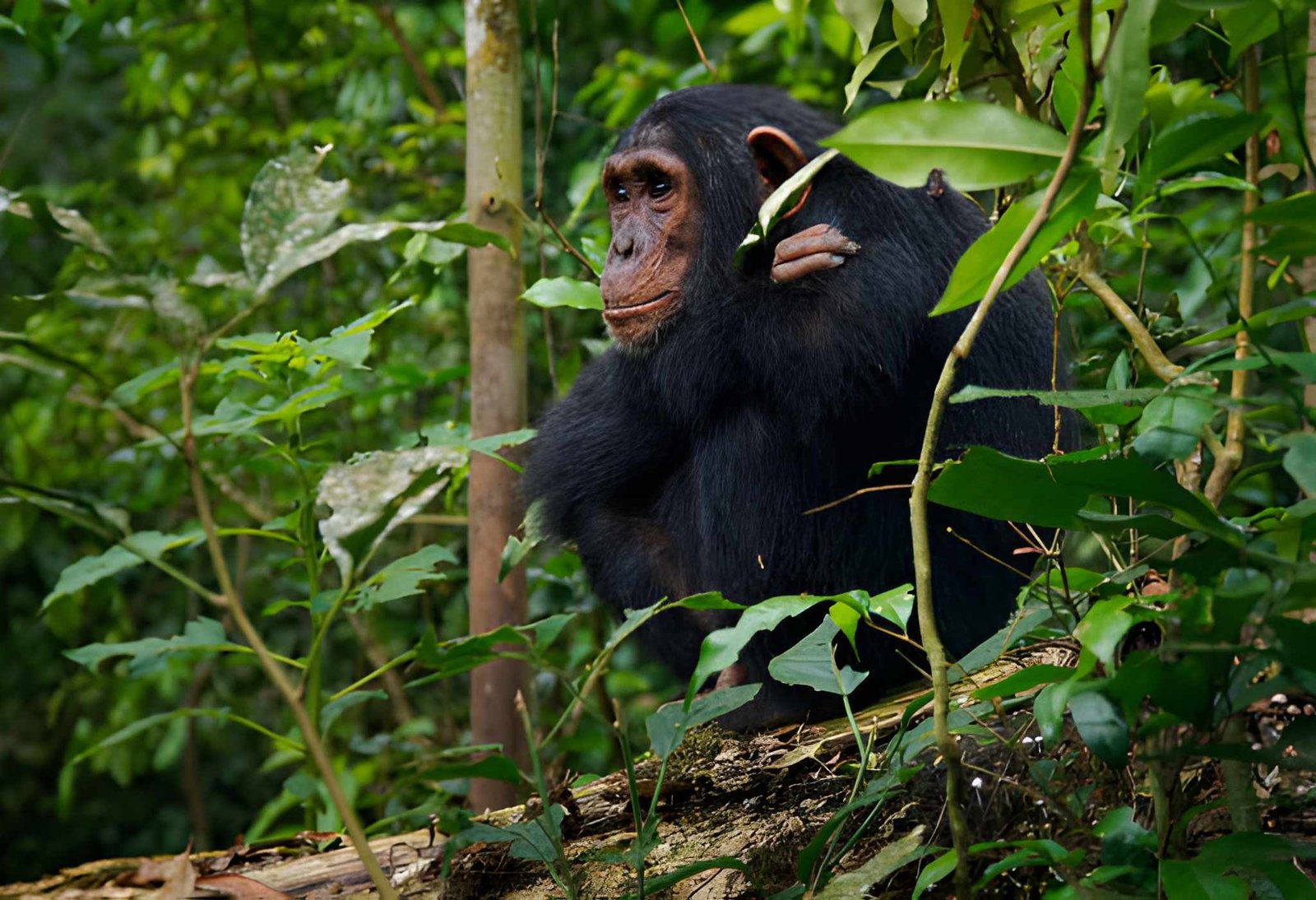
Lake Mutanda's wetlands and island forests are a haven for birds such as kingfishers, ibises, kites, herons, cormorants and grey crowned cranes, while African clawless otters are sometimes seen in quiet bays.
The real wildlife stars live nearby: endangered mountain gorillas and golden monkeys in Mgahinga Gorilla National Park and Bwindi Impenetrable National Park, both within easy reach of the lake.
Where to look: Mgahinga and Bwindi's southern sectors
Endangered gorillas tracked on permit in nearby forests, with excellent chances of a sighting.
Where to look: Bamboo forest in Mgahinga
A striking endangered monkey of the Virunga bamboo zone.
Where to look: Quiet bays and island shores
Sometimes spotted from a canoe in the early morning or evening.
Where to look: Shoreline and open water
Commonly seen hovering above the water before diving.
Where to look: Wetlands and farmland
Its loud call is a familiar sound around the lake.
Where to look: Above the lake and shoreline
Often seen soaring over the water and villages.
Where to look: Wetlands and fields
Uganda's national bird, sometimes seen in the surrounding swamps.
Where to look: Lakeshore trees
Perches above the water and calls loudly across the lake.

Gorillas and Volcanoes
Lake Mutanda is one of the most rewarding bases in Uganda for gorilla trekking. Head out early to track mountain gorillas in Mgahinga or Bwindi's southern sectors, then return to the lake to paddle a canoe as the late light falls on Muhabura, Gahinga and Sabinyo.
Add golden monkey tracking, a volcano hike or a visit to the Batwa to make the most of this remarkable corner of the Virunga region.
Safaris to 中文
Itineraries that include Lake Mutanda, usually combined with gorilla trekking in Mgahinga or Bwindi and a stay at Lake Bunyonyi.

Tell us when you would like to travel and which primate experiences interest you. A GIP Adventure specialist will combine Lake Mutanda with gorilla trekking and the best of southwestern Uganda.
Usually replies within minutesHeritage
The hills around Lake Mutanda are home mainly to the Bafumbira people, who farm the rich volcanic soils on terraced slopes. Fishing, farming and small-scale trade sustain the lakeside villages, and dugout canoes remain an everyday means of transport.
The nearby forests were once home to the Batwa, forest hunter-gatherers who were displaced when the gorilla parks were created. Today, cultural experiences such as the Batwa Trail in Mgahinga share their heritage with visitors, and tourism around Lake Mutanda helps support conservation of the Virunga region and the endangered mountain gorillas.
In Kisoro District, southwestern Uganda, about 20 km north of Kisoro town and close to the borders with Rwanda and the DR Congo.
Gorillas are not seen at the lake itself, but Mgahinga Gorilla National Park and Bwindi's southern sectors are within easy reach for gorilla trekking.
Ask your lodge for local advice before swimming; canoeing and kayaking are the most popular ways to enjoy the water.
Around 3 to 4 hours by road via Musanze and the Cyanika border crossing.
Roughly 480 km, or 8 to 9 hours by road. Flights to Kisoro airstrip shorten the journey considerably.
Canoeing, hiking, village walks, birdwatching and watersports, plus gorilla and golden monkey trekking nearby.
Your safari starts here
Let GIP Adventure plan a stay at Lake Mutanda, with volcano views, peaceful canoe trips and unforgettable gorilla encounters nearby.
Chat with usOnline