
Uganda's Impala and Eland Stronghold
Lake Mburo is the only Ugandan park with impala in such numbers, and one of the best places in the country for eland, Burchell's zebra and topi.

Climbing Kilimanjaro
The complete guideRoutes & fitness calculatorWhat to packOur climbs
6-Day Kilimanjaro: Marangu Route7-Day Kilimanjaro: Machame Route6-Day Kilimanjaro: Umbwe Route7-Day Kilimanjaro: Rongai Route7-Day Kilimanjaro: Shira Plateau / Morrum Barrier Route9-Day Kilimanjaro: Lemosho Route4-Day Mount Meru Trek5-Day Ol Doinyo Lengai & Lake Natron Trek10-Day Kilimanjaro Trekking & Wildlife Safari11-Day Kilimanjaro Trekking & Wildlife SafariTour styles
Big 5 Safaris (7)Great Migration Safaris (6)Classic Wildlife Safaris (32)Wildlife-Themed Safaris (8)Fly-in & Luxury Safaris (8)Honeymoon Safaris (6)Mountain Trekking (10)Beach & Zanzibar Holidays (9)Gorilla & Primate Safaris (19)Multi-Country & Combination Safaris (9)Helicopter Safaris (5)Cultural Tours (2)Day Trips (10)Family SafarisCity Tours & Airport TransfersTailor-Made / Custom TripsPlan
All toursTanzania safari guidePlan a custom tripTanzania
All of TanzaniaNational ParksGame ReservesIslandsHistorical SitesMountains & VolcanoesLakes & WaterfallsCities & CoastKenya
All of KenyaNational ParksReserves & ConservanciesMountains & CoastCitiesUganda
All of UgandaNational ParksWildlife ReservesLakes & WaterfallsCities & GatewaysMore
Cultural experiencesLodges & campsAll destinationsUganda National Parks
Rolling acacia savanna, rocky ridges and a chain of lakes rich in hippos and birds make Lake Mburo the closest true savanna park to Kampala and one of the few places in Uganda to explore on foot, by boat or on horseback.
Discover Lake Mburo
Lake Mburo National Park is the smallest of Uganda's savanna national parks, covering about 370 km² in the west of the country at altitudes between 1,220 and 1,828 metres. It is one of the closest parks to both Kampala and Entebbe, roughly 240 km from the capital and only 30 km from Mbarara, the biggest town in western Uganda, which makes it a natural stopover on the way to Bwindi, Queen Elizabeth and the southwestern lakes.
The landscape is a mosaic of open savanna, acacia woodland, rocky ridges, forested gorges, papyrus swamps and riparian woodland, all centred on Lake Mburo itself and a string of smaller lakes linked by wetlands. The park is known above all for its high density of impala, and it shelters a vast population of other wildlife including defassa waterbuck, eland, buffalo, Burchell's zebra, oribi, topi, reedbuck, leopard, hyena and hippo. Lions and elephants are essentially absent, which gives the park a relaxed, almost pastoral atmosphere and allows activities on foot and horseback that are impossible in most other parks.
Lake Mburo is also a bird paradise, with about 350 species recorded, among them the rare African finfoot, herons, pelicans, crested cranes and the odd-looking shoebill stork. The area was previously occupied by Banyankore (Bahima) pastoralists, and their long-horned Ankole cattle still graze the land around the park, adding a strong cultural dimension to any visit.
Why Lake Mburo
Lake Mburo offers a different kind of safari: quieter, more intimate and remarkably varied, with activities you will not find in Uganda's bigger parks.
Lake Mburo is the only Ugandan park with impala in such numbers, and one of the best places in the country for eland, Burchell's zebra and topi.
With no lions or elephants, ungulates here appear relaxed and free from predation stress, making guided horseback safaris among zebra and eland a unique experience.
A peaceful boat ride brings you close to hippos, Nile crocodiles and waterbirds, with the chance of the rare African finfoot along the shaded shoreline.
Ranger-guided walks, cycling and night game drives reveal the park at its own pace, from fresh tracks at dawn to bush babies and leopards after dark.
From crested cranes and pelicans to papyrus specialists and the shoebill, the park is an ideal corner for bird enthusiasts.
Its location just off the Kampala–Mbarara road makes it the ideal first or last night on any western or southwestern Uganda safari.
Location
Lake Mburo National Park lies in Kiruhura District in western Uganda, about 240 km from Kampala along the Masaka–Mbarara highway, a drive of around 4 to 5 hours. From Entebbe International Airport it is a similar distance, usually 4 to 5 hours by road, and Mbarara, the largest town in western Uganda, is only about 30 km away. The main entrance gates, Nshara and Sanga, are a short drive off the main highway.
The park sits conveniently on the route towards Bwindi Impenetrable National Park, Queen Elizabeth National Park and Lake Bunyonyi, so it is commonly used to break the long drive west. Travellers starting in Kigali, Rwanda, can reach it in around 5 to 6 hours via the Katuna (Gatuna) or Mirama Hills border crossings.
When to visit
Lake Mburo can be visited all year round. Uganda has two dry and two wet seasons, and each changes the feel of the park.
The best time for game viewing. Grass is short, animals gather near the lakes and swamps, and walking and horseback trails are at their most comfortable.
Warm, mostly dry weather with good wildlife viewing and migratory birds present, an excellent time for birders.
Lush green scenery, newborn animals and fewer visitors, though some tracks may be muddy and afternoon storms are common.
Showers alternate with sunshine, the savanna turns green and birdlife is superb, with good value and quiet game drives.
The dry months are best for wildlife and walking, while the wetter months reward birders and photographers with green landscapes and soft light.
Dry, warm weather brings excellent game viewing and migratory birds around the lakes.
One of the best months, with short grass, clear skies and animals close to water.
Rains begin to return, turning the savanna green and bringing fresh grazing for zebra and eland.
Typically the wettest month, with lush scenery, very few visitors and superb birding.
Rains ease towards the end of the month and the park is at its greenest.
The long dry season begins and wildlife starts to concentrate around the lakes and swamps.
Prime time for game drives, horseback safaris and walking safaris in cool, dry weather.
Excellent wildlife viewing and comfortable temperatures, ideal for combining with gorilla trekking.
Still dry and rewarding, with good concentrations of impala, buffalo and waterbuck near water.
Short rains arrive and the landscape freshens, with good birding and quiet tracks.
Showers and sunshine alternate; migratory birds are present and the park feels peaceful.
Drier weather returns, making it a lovely time for festive-season safaris and boat trips.
Explore the area
From the lakeshore at Rwonyo to forested gorges and hilltop viewpoints, the park packs a lot of variety into a small area.
Wildlife
Animal species are in profusion at Lake Mburo. The park is known for its high density of impalas, and you are likely to see defassa waterbuck, eland, buffalo, zebra, oribi, topi, warthog and reedbuck dominating, ruling and calling this park home. Leopard and spotted hyena are present, while hippos and large Nile crocodiles fill the lakes. Rothschild's giraffes were introduced to the park in 2015 and add a new dimension to game drives.
About 350 bird species have been recorded, including the rare African finfoot, herons, pelicans, crested cranes, the grey-backed camaroptera and the famous shoebill stork. After dark, night drives led by an armed ranger can reveal nocturnal species such as pottos, bush babies and perhaps even a leopard.
Where to look: Throughout the savanna and acacia woodland
Lake Mburo is Uganda's impala stronghold, and graceful herds are seen on almost every drive.
Where to look: Open grassland along the main game tracks
Large, relaxed herds are a highlight, especially on horseback safaris and walks.
Where to look: Grassy valleys and open savanna
Africa's largest antelope is common here, more so than in most other Ugandan parks.
Where to look: Lake Mburo and the surrounding lakes
Rotund, barrel-shaped hippos slosh and socialise in the shallows, best seen from a boat.
Where to look: Swamp edges and grassland
Herds graze near water and the papyrus swamps, especially in the dry season.
Where to look: Lakeshores and wetland fringes
A handsome, shaggy antelope commonly seen near the lakes and swamps.
Where to look: Open grassland in the east
Often seen standing on termite mounds as lookouts across the savanna.
Where to look: Rocky ridges and thickets, especially at night
The park's main predator, most often found on night game drives.
Where to look: Lake shores and channels
Gargantuan crocodiles bask quietly on the banks, jaws agape.
Where to look: Acacia woodland
Introduced to the park in 2015, giraffes are now a regular sight on game drives.
Where to look: Shaded lake edges, seen by boat
A secretive, rare waterbird and one of the park's most sought-after species.
Where to look: Papyrus swamps
The odd-looking shoebill stork is recorded in the park's swamps but sightings are rare.

Safari on Horseback
Lake Mburo is one of the very few parks in East Africa where you can explore the savanna on horseback. Because there are no lions or elephants in the park, ungulates here appear relaxed and free from predation stress, letting you approach herds of zebra, eland, impala and buffalo quietly and see them up close from a completely different perspective.
Rides range from short outings suited to beginners to longer excursions for experienced riders, guided by trained staff along the park's eastern edge. Combine it with an early boat trip on the lake and a night game drive for a full and unforgettable day.
Safaris to 中文
Itineraries that include Lake Mburo, usually as a stopover between Kampala or Kigali and Bwindi, Queen Elizabeth and Lake Bunyonyi.
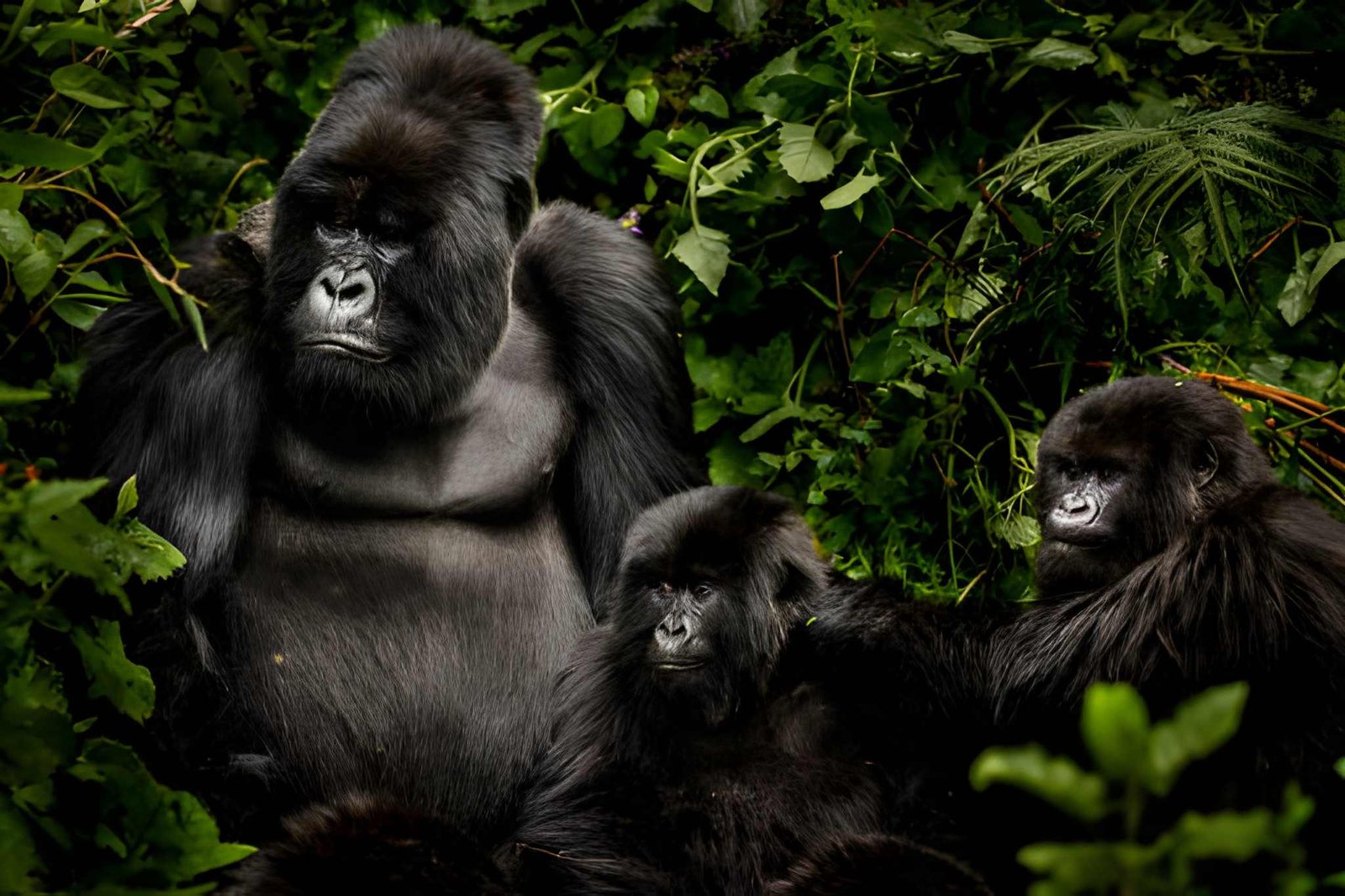
Uganda · 4 days
Bwindi · Lake Mburo
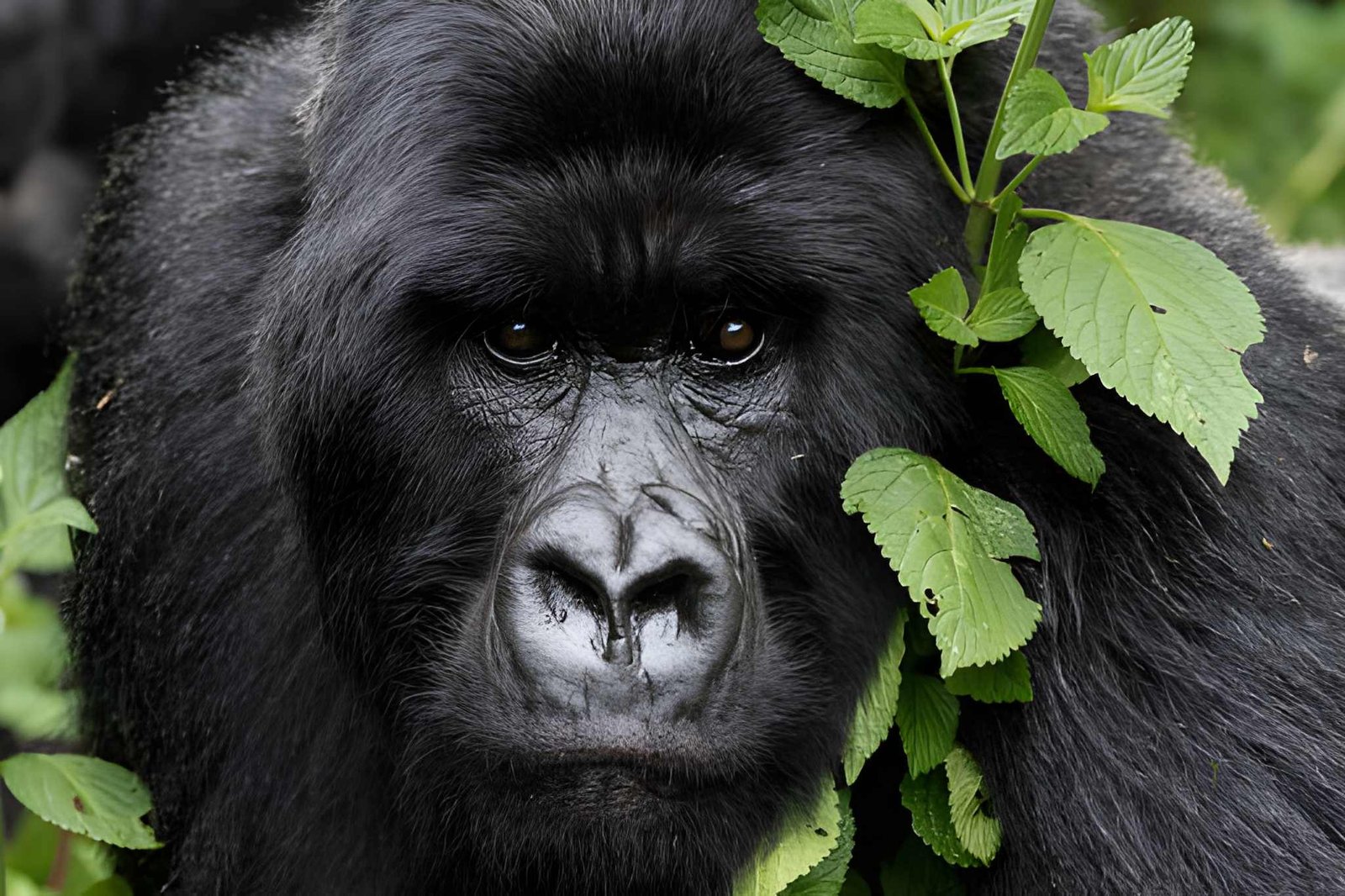
Uganda · 5 days
Bwindi · Lake Bunyonyi · Lake Mburo
Uganda · 9 days
Lake Mburo · Kibale Forest · Queen Elizabeth · Bwindi
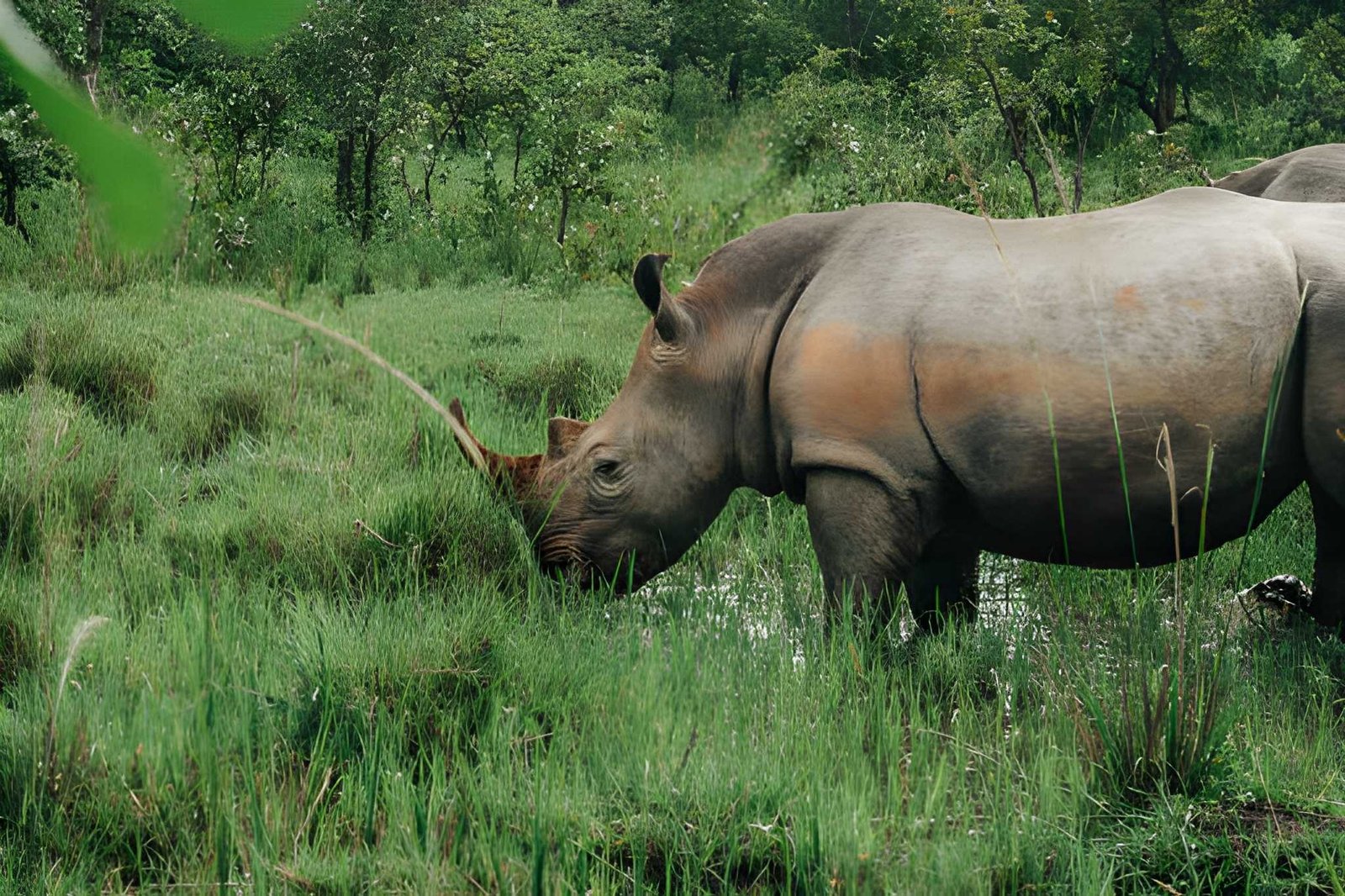
Uganda · 6 days
Kibale Forest · Queen Elizabeth · Lake Mburo
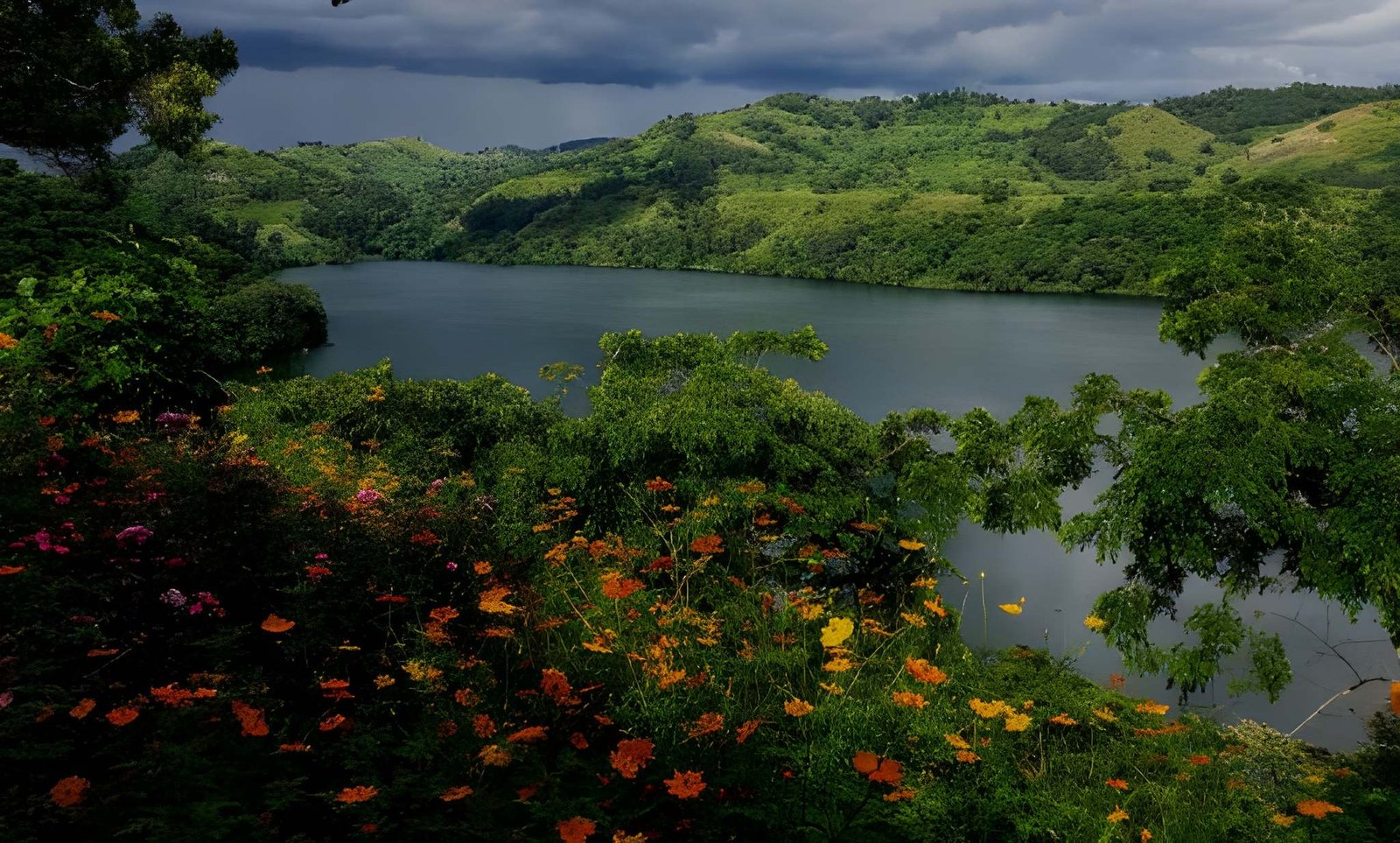
Uganda · 9 days
Lake Mburo · Queen Elizabeth · Bwindi · Lake Bunyonyi

Tell us how much time you have and what you would love to do, from horseback rides to boat trips and gorilla trekking. A GIP Adventure specialist will design a Uganda itinerary that makes Lake Mburo the perfect start or finish to your journey.
Usually replies within minutesHeritage
Local tradition holds that the park takes its name from two brothers, Mburo and Kigarama, who lived in the valley. Kigarama settled on the hills, which still bear his name, while Mburo remained in the valley that later flooded to form the lake that carries his name. For centuries the land was home to Banyankore (Bahima) pastoralists and their Ankole cattle, famous for their enormous curved horns.
The area was first protected as a controlled hunting area in 1933 and later upgraded to a game reserve before becoming a national park in 1983. The change displaced many herders and conflict followed, and in the years since, the park has worked to build community conservation and benefit-sharing with neighbouring communities.
Today, cultural tours let you engage with the Bahima and Banyankore people on the park's edge, learning how they care for their cattle, how they milk and process milk locally, and about their social organisation, ceremonies, rituals, festivals and origins. Nearby, the Igongo Cultural Centre near Mbarara offers a fascinating introduction to the cultures of western Uganda.
Yes. It is a relaxed, scenic park with zebra, eland, impala, buffalo and abundant birdlife, and it offers activities such as horseback safaris, walking safaris and boat trips that are rare in other parks.
Lions and elephants are essentially absent from the park, which is why walking and horseback safaris are possible. Leopards and hyenas are the main predators.
About 240 km, or 4 to 5 hours by road. It is roughly the same distance from Entebbe, and only about 30 km from Mbarara.
One night is enough for a game drive and boat trip, while two nights let you add a horseback ride, walking safari, night drive and cultural visit.
Yes. Boat trips depart from the jetty near Rwonyo and offer close views of hippos, crocodiles and waterbirds, including a chance of the rare African finfoot.
Absolutely. It sits on the road to Bwindi and Lake Bunyonyi, so it is commonly combined with gorilla trekking and Queen Elizabeth National Park.
Sport fishing is permitted at designated spots with a permit, and visitors can sometimes learn about local fishing techniques and the lake's fish species.
Your safari starts here
Let GIP Adventure plan a Uganda safari that includes Lake Mburo's zebra-filled valleys, peaceful lake and unforgettable horseback rides.
Chat with usOnline