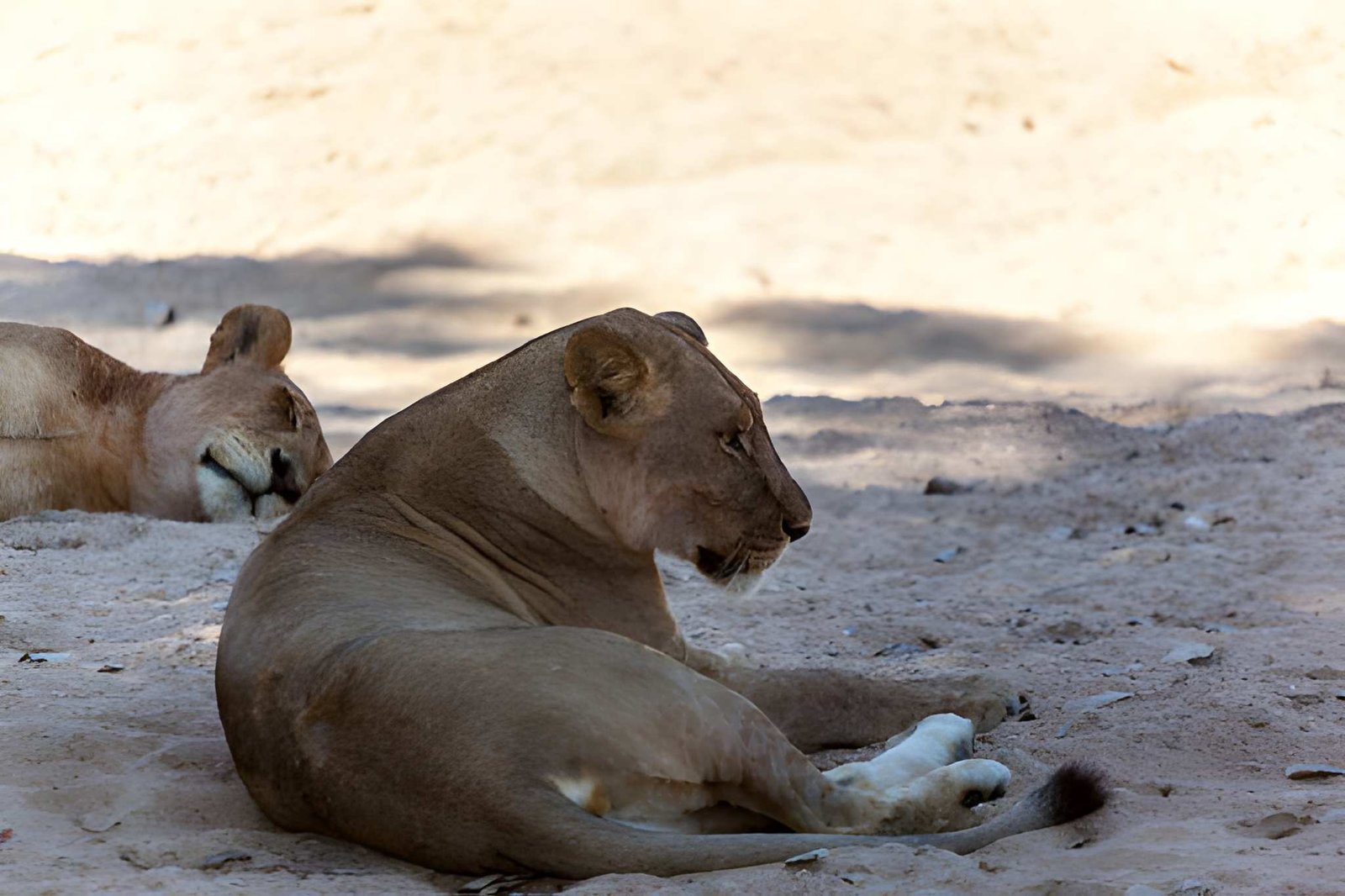
Black Rhino Sanctuary
Mkomazi is a vital refuge for the highly endangered black rhino.

Climbing Kilimanjaro
The complete guideRoutes & fitness calculatorWhat to packOur climbs
6-Day Kilimanjaro: Marangu Route7-Day Kilimanjaro: Machame Route6-Day Kilimanjaro: Umbwe Route7-Day Kilimanjaro: Rongai Route7-Day Kilimanjaro: Shira Plateau / Morrum Barrier Route9-Day Kilimanjaro: Lemosho Route4-Day Mount Meru Trek5-Day Ol Doinyo Lengai & Lake Natron Trek10-Day Kilimanjaro Trekking & Wildlife Safari11-Day Kilimanjaro Trekking & Wildlife SafariTour styles
Big 5 Safaris (7)Great Migration Safaris (6)Classic Wildlife Safaris (32)Wildlife-Themed Safaris (8)Fly-in & Luxury Safaris (8)Honeymoon Safaris (6)Mountain Trekking (10)Beach & Zanzibar Holidays (9)Gorilla & Primate Safaris (19)Multi-Country & Combination Safaris (9)Helicopter Safaris (5)Cultural Tours (2)Day Trips (10)Family SafarisCity Tours & Airport TransfersTailor-Made / Custom TripsPlan
All toursTanzania safari guidePlan a custom tripTanzania
All of TanzaniaNational ParksGame ReservesIslandsHistorical SitesMountains & VolcanoesLakes & WaterfallsCities & CoastKenya
All of KenyaNational ParksReserves & ConservanciesMountains & CoastCitiesUganda
All of UgandaNational ParksWildlife ReservesLakes & WaterfallsCities & GatewaysMore
Cultural experiencesLodges & campsAll destinationsTanzania National Parks
A hidden gem between Kilimanjaro and the Usambara Mountains, Mkomazi offers dry-country wildlife, black rhinos, painted dogs and a truly exclusive safari experience.
Discover Mkomazi
Mkomazi National Park is the southern extension of Kenya's vast Tsavo West National Park and covers 3,234 km². Together they form one of East Africa's most important savanna ecosystems.
Mkomazi lies between Mount Kilimanjaro to the northwest, Tsavo West to the northeast and the Pare and Usambara Mountains to the south, and Kilimanjaro's snowy peak can be seen on clear days. This dry-country park is dominated by acacia and commiphora vegetation.
Why Mkomazi
Mkomazi is a hidden gem where animals behave naturally and visitors enjoy a quiet, private experience.
Mkomazi is a vital refuge for the highly endangered black rhino.
A breeding programme has helped protect the endangered African painted dog.
See fringe-eared oryx, gerenuk and lesser kudu, rare elsewhere in Tanzania.
Low visitor numbers mean animals act naturally and safaris feel exclusive.
Location
Mkomazi lies between the Kilimanjaro and Tanga regions in northeastern Tanzania, along the border with Kenya. It is easily reached by road from Moshi, Arusha or the coast at Tanga.
The park shares its ecosystem with Tsavo West in Kenya, allowing wildlife such as zebra, oryx and elephant to move between them during the wet season.
When to visit
Mkomazi can be visited year-round, with the dry season best for game viewing.
Good game viewing as wildlife gathers near water sources.
Green scenery and the start of wildlife movements from Tsavo.
Warm weather and good birding.
Lush landscapes and migrations of zebra, oryx and elephant.
Every month offers something, from dry-season wildlife to green-season birdlife.
Warm and green, with good birdwatching.
A drier month with good game viewing.
Rains begin; wildlife movements increase.
Wet season; lush scenery and fewer visitors.
Rains ease; the park is very green.
Dry season begins; good wildlife viewing.
Cool and clear, with views of Kilimanjaro.
Dry and excellent for game drives.
Prime season for wildlife near water.
Warm and dry before the short rains.
Short rains bring migrants from Tsavo.
Green and lively, with excellent birdlife.
Explore the area
Plains, hills and sanctuaries in a vast dry landscape.
Wildlife
Mkomazi has 78 recorded species of mammals, most typical of arid areas, with fringe-eared oryx, gerenuk and lesser kudu rare elsewhere in Tanzania. Wildlife is not concentrated as in other northern parks, which makes each sighting feel special.
With over 400 bird species, Mkomazi is a gold mine for bird enthusiasts. Our golden rule: the slower you drive, the greater your chance of spotting different species. Don't rush; thickets hold secrets.
Where to look: Within the rhino sanctuary
Mkomazi is a vital refuge for this highly endangered species.
Where to look: Throughout the park
Protected through a breeding and reintroduction programme.
Where to look: Dry plains
A striking dry-country antelope.
Where to look: Bush and thickets
A long-necked antelope that browses standing on its hind legs.
Where to look: Dense bush
A shy antelope rarely seen elsewhere in Tanzania.
Where to look: Throughout the park, especially in the wet season
Herds move between Mkomazi and Tsavo.
Where to look: Open plains
Herds migrate within the ecosystem.
Where to look: Open plains
Present but less often seen than in other parks.
Where to look: Acacia woodland
Masai giraffes browse the acacias.
Where to look: Open plains
Common in the dry plains.

Saving Rhinos & Painted Dogs
Mkomazi is famous worldwide as a vital refuge for two highly endangered species, the black rhino and the African painted dog. Breeding and protection programmes have helped bring both back to the area.
Visiting Mkomazi supports these conservation efforts and offers a rare chance to learn about the work of protecting Africa's most threatened animals.
Safaris to 中文
Itineraries that include Mkomazi, often combined with Kilimanjaro, the Usambara Mountains or the coast.

Tell us your interests and we will plan an exclusive safari to this hidden gem.
Usually replies within minutesHeritage
Mkomazi was first protected as a game reserve in 1951 and was home to pastoralist communities for generations. Over time, conservation projects helped restore its wildlife.
It became a national park in 2008, protecting a vital part of the Tsavo ecosystem and its rhino and painted dog populations.
Yes. It offers dry-country wildlife, rare species and a quiet, exclusive safari experience.
Black rhinos are protected in a sanctuary within the park; visits may be arranged.
The dry season from June to October is best for game viewing.
By road from Moshi, Arusha or Tanga.
Black rhino, painted dogs, oryx, gerenuk, lesser kudu, elephants and more than 400 bird species.
Yes, with Kilimanjaro, the Usambara Mountains, Pangani or a northern circuit safari.
Your safari starts here
Let Gip Adventure take you to one of Tanzania's best-kept secrets.
Chat with usOnline