
Island National Parks
Rubondo Island offers forest walks, chimpanzee tracking and boat safaris, while Saanane Island is a small park just off Mwanza.

Climbing Kilimanjaro
The complete guideRoutes & fitness calculatorWhat to packOur climbs
6-Day Kilimanjaro: Marangu Route7-Day Kilimanjaro: Machame Route6-Day Kilimanjaro: Umbwe Route7-Day Kilimanjaro: Rongai Route7-Day Kilimanjaro: Shira Plateau / Morrum Barrier Route9-Day Kilimanjaro: Lemosho Route4-Day Mount Meru Trek5-Day Ol Doinyo Lengai & Lake Natron Trek10-Day Kilimanjaro Trekking & Wildlife Safari11-Day Kilimanjaro Trekking & Wildlife SafariTour styles
Big 5 Safaris (7)Great Migration Safaris (6)Classic Wildlife Safaris (32)Wildlife-Themed Safaris (8)Fly-in & Luxury Safaris (8)Honeymoon Safaris (6)Mountain Trekking (10)Beach & Zanzibar Holidays (9)Gorilla & Primate Safaris (19)Multi-Country & Combination Safaris (9)Helicopter Safaris (5)Cultural Tours (2)Day Trips (10)Family SafarisCity Tours & Airport TransfersTailor-Made / Custom TripsPlan
All toursTanzania safari guidePlan a custom tripTanzania
All of TanzaniaNational ParksGame ReservesIslandsHistorical SitesMountains & VolcanoesLakes & WaterfallsCities & CoastKenya
All of KenyaNational ParksReserves & ConservanciesMountains & CoastCitiesUganda
All of UgandaNational ParksWildlife ReservesLakes & WaterfallsCities & GatewaysMore
Cultural experiencesLodges & campsAll destinationsTanzania Lakes & Waterfalls
Africa's largest lake, an inland sea of islands, fishing villages and granite shores that feeds the River Nile and borders the western Serengeti.
Discover Lake Victoria
Lake Victoria is the largest lake in Africa and the largest tropical lake in the world, covering almost 69,000 km². It is shared by three countries: Tanzania holds nearly half of its waters, with the rest belonging to Uganda and Kenya. Its southern shores, around the cities of Mwanza, Musoma and Bukoba, form the gateway to Tanzania's western circuit.
The lake is a vital part of the region's great river systems. The famous Mara River, around 395 km long, rises in central Kenya, flows through the Maasai Mara and the northern Serengeti, where millions of wildebeest and zebras brave its waters and its huge Nile crocodiles, and finally empties into Lake Victoria near Musoma. From the northern shore in Uganda, the lake's waters leave as the White Nile on their long journey to the Mediterranean.
For travellers, Lake Victoria offers something very different from the classic safari: granite-boulder shores, sunsets over a seemingly endless horizon, island national parks such as Rubondo and Saanane, lively fishing communities and the rich culture of the Sukuma and Haya peoples.
Why Lake Victoria
Lake Victoria pairs perfectly with the western Serengeti and opens up wild, little-visited corners of the country.
Rubondo Island offers forest walks, chimpanzee tracking and boat safaris, while Saanane Island is a small park just off Mwanza.
Mwanza is a short drive from the Serengeti's western corridor, where the Great Migration crosses the Grumeti River from around May to July.
Fish eagles, kingfishers, cormorants, herons and many waterbirds line the shores and islands.
Visit busy fishing villages, the Sukuma heartland around Mwanza and the coffee and banana country of the Haya near Bukoba.
Lake Victoria is the main reservoir of the White Nile, linking it to one of the great stories of African exploration.
Location
Lake Victoria lies in north-western Tanzania, bordering Uganda and Kenya. The main Tanzanian gateway is Mwanza, the country's second-largest city, served by scheduled flights from Arusha, Kilimanjaro International Airport, Dar es Salaam and Zanzibar. Other lakeshore towns include Musoma to the east and Bukoba on the western shore.
By road, Mwanza is a long drive from Arusha, usually done across the Serengeti, so most travellers fly or combine the lake with a safari. From Mwanza, it is roughly 2 to 3 hours to the Serengeti's Ndabaka Gate in the western corridor. Across the border, Kampala and Entebbe sit on the Ugandan shore and Kisumu on the Kenyan side.
When to visit
The lake region is warm all year and influences its own weather, with rain possible in most months, but there are clear drier and wetter periods.
The best time for island visits and combining the lake with the western Serengeti. Skies are clearer and boat trips are calmer.
Afternoon showers and thunderstorms over the lake, with green landscapes and good birdlife.
A warm, often sunny break between the rains, good for exploring Mwanza and the islands.
The wettest period, with heavy downpours and lush scenery. Some island access and forest walks can be harder.
June to October is generally the most comfortable time, but the lake can be visited throughout the year.
Warm and fairly dry, with good conditions for boat trips around Mwanza.
Hot with occasional showers; a good month for birdwatching on the islands.
The long rains begin, bringing dramatic storms across the lake.
Usually the wettest month, with lush scenery and very few visitors.
Rains ease and the Great Migration nears the Serengeti's western corridor.
Dry season begins; ideal for combining the lake with the western Serengeti.
Clear, pleasant weather for exploring Rubondo and Saanane islands.
Dry and comfortable, with calm water for boat safaris and fishing.
Excellent weather for forest walks and chimpanzee tracking on Rubondo.
Warm days and spectacular sunsets over the lake.
Short rains return, with afternoon storms and green landscapes.
Green and lively, with migratory birds present along the shores.
Explore the area
From a busy lakeside city to remote forested islands, the southern half of Lake Victoria offers plenty of variety.
Wildlife
Lake Victoria's wildlife centres on its waters, wetlands and islands. Hippos and Nile crocodiles inhabit quieter bays and river mouths, and the Mara River, famed for its abundance of huge crocodiles lying silently beneath the surface, pours into the lake on its eastern shore. The islands protect animals that are hard to find elsewhere, including the shy, water-loving sitatunga antelope and the chimpanzees of Rubondo.
Birdlife is outstanding, with African fish eagles calling from tall trees, pied kingfishers hovering over the water and large colonies of cormorants and herons. The lake was once home to hundreds of endemic cichlid fish species, many of which declined after the introduction of the Nile perch in the 20th century, now the backbone of the lake's fishing industry.
Where to look: Shores and islands throughout the lake
Its ringing call is the soundtrack of the lake, often heard from Mwanza to Rubondo.
Where to look: Along the shoreline
Hovers over the water before diving for small fish.
Where to look: Quiet bays, Rubondo and river mouths
Common around the islands and the Mara Delta.
Where to look: Rubondo shores and the Mara River
Large crocodiles bask on rocks and sandbanks.
Where to look: Swamps and reedbeds on Rubondo
A shy, semi-aquatic antelope with splayed hooves for walking in marshes.
Where to look: Forests of Rubondo Island
Descendants of chimpanzees introduced to Rubondo decades ago, tracked on foot with a guide.
Where to look: Rocky shores around Rubondo
Often seen hunting fish close to the shore.
Where to look: Granite boulders around Mwanza and Saanane
A common sight sunning on the city's famous rocks.
Where to look: Rocky shorelines and islands
Large Nile monitors patrol the rocks at the water's edge.
Where to look: Rocks and islets
Long-tailed and great cormorants gather in large numbers.
Where to look: Open waters of the lake
A huge fish introduced to the lake, now central to local fisheries and sport fishing.

Rubondo Island
Rubondo Island National Park, in the south-western corner of Lake Victoria, is one of Tanzania's most unusual parks. Covered in forest and fringed with papyrus and sandy beaches, it shelters chimpanzees, sitatunga, hippos, crocodiles and rich birdlife, and can only be reached by boat or light aircraft.
Days here are spent tracking chimpanzees on foot, exploring the shoreline by boat, fishing for Nile perch and watching fish eagles at sunset, all with very few other visitors around.
Safaris to 中文
Western circuit itineraries that visit Lake Victoria, Mwanza and its island parks, often combined with the Serengeti.
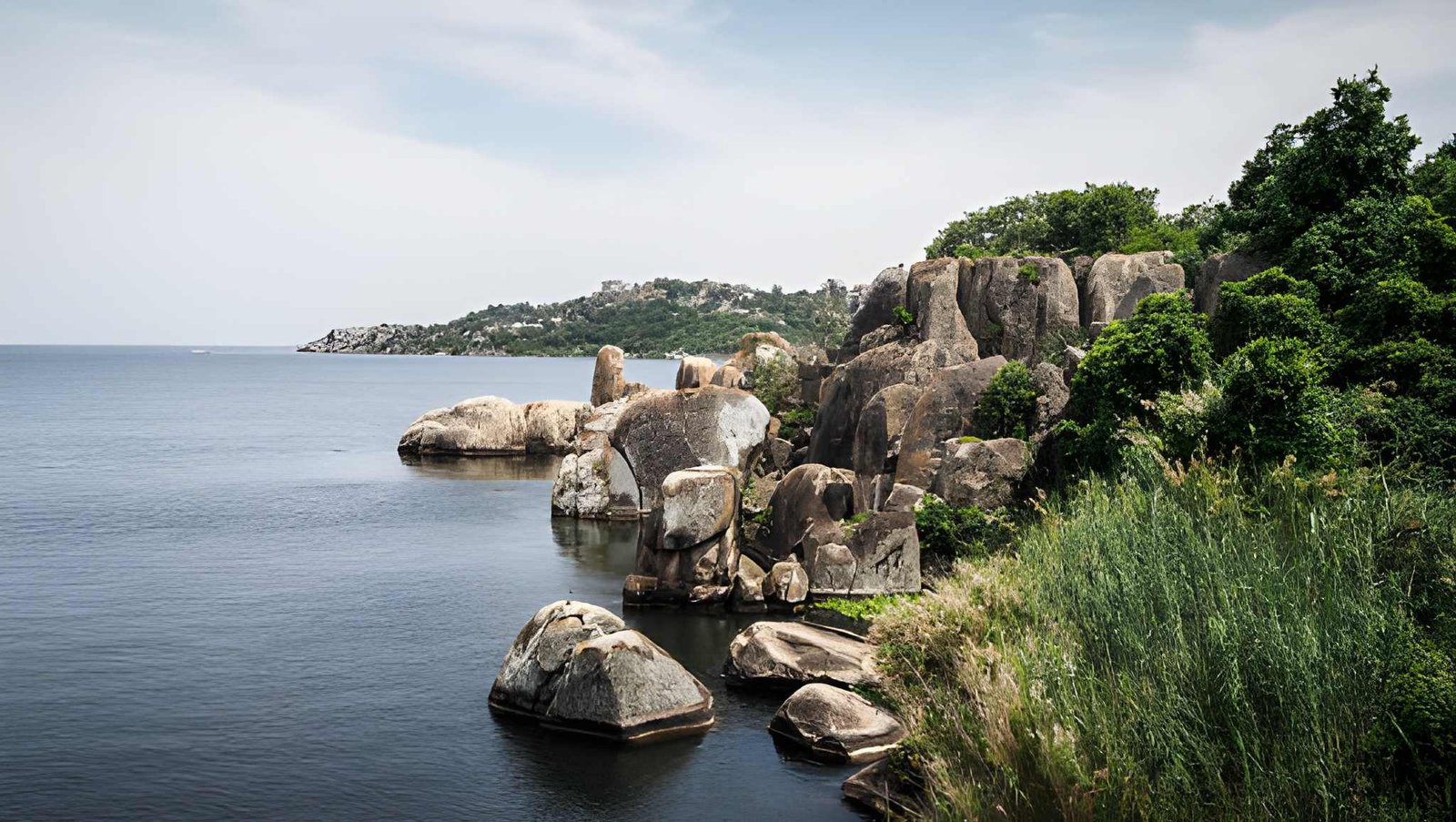
Tanzania · 8 days
Rubondo Island · Serengeti
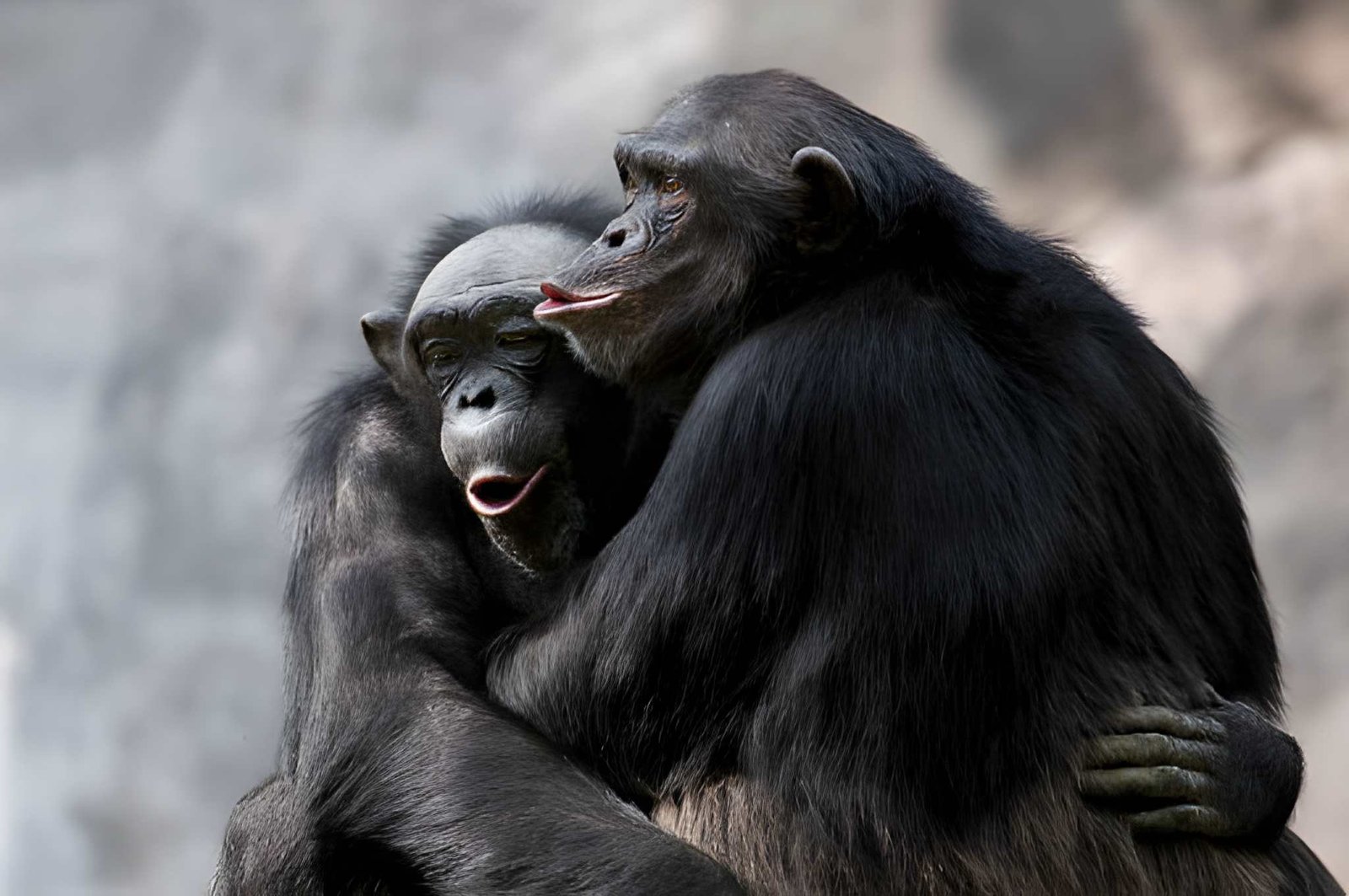
Tanzania · 12 days
Rubondo Island · Kigoma · Gombe · Mahale Mountains
Tanzania · 8 days
Rubondo Island · Gombe
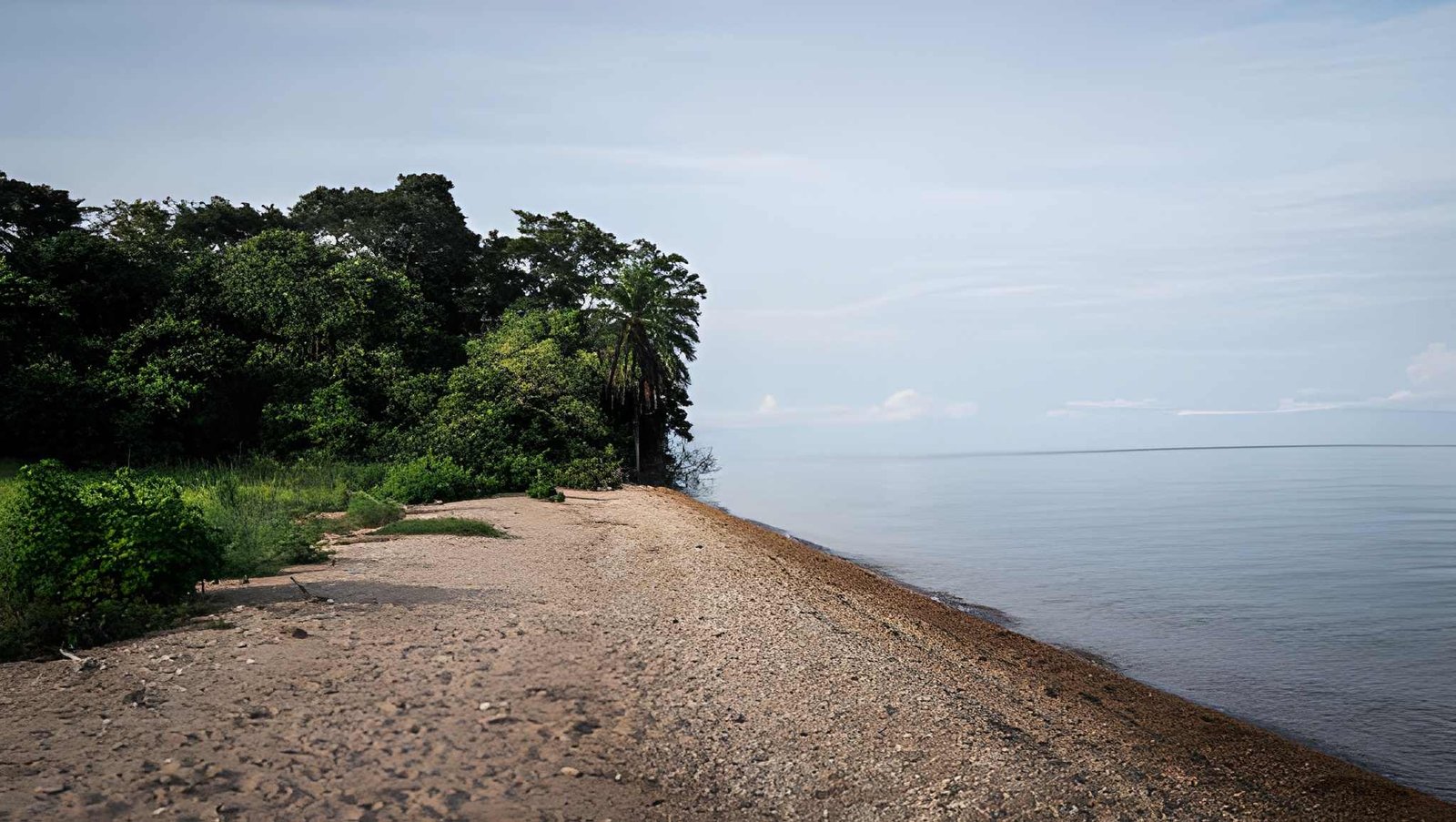
Tanzania · 10 days
Rubondo Island · Mahale Mountains · Gombe
Stay in 中文
From lakeside hotels in Mwanza to island camps on Rubondo, choose a base for exploring the lake.

Tell us your dates and interests and a Gip Adventure specialist will design a trip combining Lake Victoria's islands and culture with the Serengeti and the wider western circuit.
Usually replies within minutesHeritage
Lake Victoria has supported people for thousands of years, and its shores are home to many communities, including the Sukuma, Tanzania's largest ethnic group, the Haya of Kagera and the Kerewe of Ukerewe Island. Known locally by names such as Nyanza, it was named after Queen Victoria by the British explorer John Hanning Speke, who reached its southern shore near present-day Mwanza in 1858 and identified it as the source of the Nile.
Today the lake supports millions of people through fishing, farming and transport, but it faces pressures from pollution, overfishing and invasive species such as water hyacinth. Protected areas like Rubondo and Saanane islands, along with regional cooperation between Tanzania, Uganda and Kenya, play an important role in conserving this vast and vital ecosystem.
Almost 69,000 km², making it the largest lake in Africa and the largest tropical lake in the world. Tanzania holds nearly half of it.
Most travellers fly from Arusha or Kilimanjaro to Mwanza, or combine the journey with a Serengeti safari and exit through the western corridor.
Swimming is generally not recommended because of bilharzia risk in some areas, as well as hippos and crocodiles. Enjoy the lake by boat instead.
Boat trips, island national parks, chimpanzee tracking on Rubondo, sport fishing, birdwatching, city walks in Mwanza and cultural visits to Sukuma and Haya communities.
Yes. Mwanza is only a few hours from the Serengeti's western corridor, which is especially rewarding from around May to July.
Lake Victoria is the main source of the White Nile, which leaves the lake at Jinja in Uganda. The Mara and Kagera rivers are among its inflows.
One night in Mwanza suits a quick visit, while two or three nights allows time for Rubondo Island or Saanane.
Your safari starts here
Let Gip Adventure take you to the shores and islands of Africa's greatest lake and connect it with the wonders of the Serengeti.
Chat with usOnline