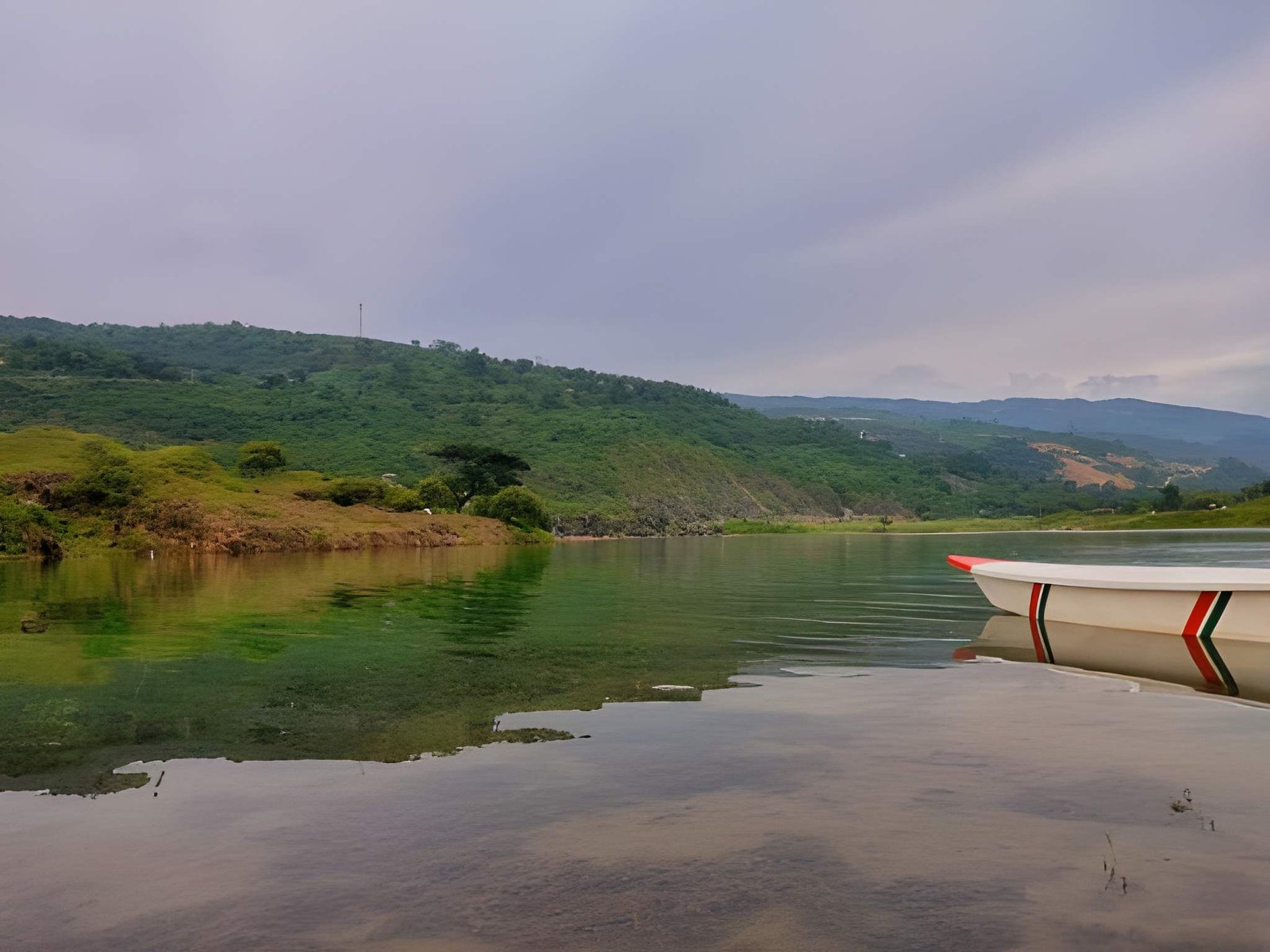
A Birdwatcher's Haven
Over 200 species, from jacanas and swamphens to herons, egrets and raptors soaring overhead.

Climbing Kilimanjaro
The complete guideRoutes & fitness calculatorWhat to packOur climbs
6-Day Kilimanjaro: Marangu Route7-Day Kilimanjaro: Machame Route6-Day Kilimanjaro: Umbwe Route7-Day Kilimanjaro: Rongai Route7-Day Kilimanjaro: Shira Plateau / Morrum Barrier Route9-Day Kilimanjaro: Lemosho Route4-Day Mount Meru Trek5-Day Ol Doinyo Lengai & Lake Natron Trek10-Day Kilimanjaro Trekking & Wildlife Safari11-Day Kilimanjaro Trekking & Wildlife SafariTour styles
Big 5 Safaris (7)Great Migration Safaris (6)Classic Wildlife Safaris (32)Wildlife-Themed Safaris (8)Fly-in & Luxury Safaris (8)Honeymoon Safaris (6)Mountain Trekking (10)Beach & Zanzibar Holidays (9)Gorilla & Primate Safaris (19)Multi-Country & Combination Safaris (9)Helicopter Safaris (5)Cultural Tours (2)Day Trips (10)Family SafarisCity Tours & Airport TransfersTailor-Made / Custom TripsPlan
All toursTanzania safari guidePlan a custom tripTanzania
All of TanzaniaNational ParksGame ReservesIslandsHistorical SitesMountains & VolcanoesLakes & WaterfallsCities & CoastKenya
All of KenyaNational ParksReserves & ConservanciesMountains & CoastCitiesUganda
All of UgandaNational ParksWildlife ReservesLakes & WaterfallsCities & GatewaysMore
Cultural experiencesLodges & campsAll destinationsTanzania Lakes & Waterfalls
Ringed by papyrus, watched over by the Pare Mountains and Kilimanjaro, Lake Jipe is a quiet wetland world of hippos, crocodiles and wonderful birdlife on the Tanzania–Kenya border.
Discover Lake Jipe
Lake Jipe is a shallow, narrow lake enclosed by dense beds of tall papyrus, straddling the border between Tanzania and Kenya. On the Tanzanian side it lies in Mwanga district of the Kilimanjaro region, close to Mkomazi National Park, while the Kenyan shore borders Tsavo West National Park. It is about 19 km long, with a surface area of around 30 km² and a maximum depth of only about 3.5 metres.
The lake is fed mainly by the Lumi River, which descends from Kilimanjaro via Kenya, together with streams from the Pare Mountains. Its outflow becomes the Ruvu River, which enters the Nyumba ya Mungu reservoir and then joins the Kikuletwa to flow on as the Pangani River into the Indian Ocean at Pangani.
On the southern bank, the Ugweno range of the North Pare Mountains rises to 1,800–2,100 metres, contrasting with the flat plain on the opposite shore. Kilimanjaro's Kibo peak can be seen from the lake on clear days, adding to its beauty.
Why Lake Jipe
Lake Jipe is ideal for a full day trip or an overnight stay, with peaceful scenery and wildlife found in few other places.
Over 200 species, from jacanas and swamphens to herons, egrets and raptors soaring overhead.
Paddle past pods of hippos and basking crocodiles in a traditional dugout canoe.
The lake is home to the Jipe tilapia, a fish found only here and in the upper Pangani system.
The Pare Mountains rise from the southern shore, with Kilimanjaro on the horizon.
Few visitors make it here, so you enjoy the lake and its wildlife in peace.
Location
Lake Jipe lies in Mwanga district, southeast of Kilimanjaro, on the Tanzania–Kenya border. It is about 120 km from Arusha city centre, 80 km from Kilimanjaro International Airport and 43 km from Moshi. The drive takes 1 to 2 hours from Moshi and 2 to 3 hours from Arusha.
From Arusha, the airport or Moshi, you drive on the surfaced road, branch off at Kifaru and continue on a dirt road to the lake. Day trips start and end in Arusha, Moshi or Kilimanjaro International Airport.
When to visit
Weather around the lake varies with the season, but Jipe can be visited all year round.
Clear skies, good views of the mountains and easier dirt roads to the lake.
Migrant birds arrive and the wetlands fill with activity, making this superb for birding.
Warm, mostly dry weather and good conditions for canoeing.
The wettest season, when roads can be muddy, but the lake is lush and quiet.
June to October offers the easiest access, while November to March is wonderful for migrant birds.
Hot and fairly dry, with migrant birds still present.
Warm and settled, ideal for canoeing and birding.
Rains begin and the wetlands start to swell.
The wettest month, with muddy access roads.
Rains ease and the papyrus beds are lush and green.
Dry season begins, with clear mountain views.
Cool, dry and pleasant for a full day on the lake.
Excellent conditions and clear views of Kilimanjaro.
Dry and calm, perfect for spotting hippos and crocodiles.
Warm and dry before the short rains arrive.
Short rains bring migrant birds to the wetlands.
Green and lively, with excellent birdwatching.
Explore the area
Lake Jipe offers bird watching, kayaking, fishing and game viewing in a peaceful setting.
Wildlife
Lake Jipe's papyrus swamps, extending well back from the open water, create a rich habitat for wetland plants, fish, water birds and mammals. Hippos and crocodiles are the most famous residents, feeding on the lake's abundant fish, including the endemic Jipe tilapia.
The lake is a haven for birdwatchers, with waders, waterfowl, reed birds and raptors. Elephants from neighbouring Tsavo West are occasionally seen on the Kenyan shore.
Where to look: Open water and papyrus channels
Pods of hippos rest in the shallows and are often seen from the canoe.
Where to look: Shoreline and channels
Large crocodiles bask on the banks and hunt the lake's fish.
Where to look: Floating vegetation
Long-toed birds that walk across lily pads and papyrus.
Where to look: Papyrus and reed beds
A brilliant purple-blue bird with a red bill, also called the purple swamphen.
Where to look: Shallow water
Known for spreading its wings like an umbrella to fish in the shade.
Where to look: Trees along the shore
A striking eagle whose cry rings out across the lake.
Where to look: Throughout the lake
An endemic fish and an important food for crocodiles and local people.
Where to look: Kenyan shore near Tsavo West
Occasionally seen coming to drink on the far shore.

By Dugout Canoe
The highlight of any visit is exploring Lake Jipe in a dugout canoe with a local guide. You glide silently along channels between towering papyrus, watching jacanas on lily pads and herons stalking the shallows.
As you reach open water, the snorts of hippos break the silence and crocodiles slide from the banks, while the Pare Mountains rise on one side and Kilimanjaro floats on the horizon.
Safaris to 中文
Day trips and overnight stays at Lake Jipe, easily combined with Mkomazi, Moshi or a Kilimanjaro climb.

Tell us when you would like to visit. A GIP Adventure specialist will arrange your transport, English-speaking guide and canoe trip.
Usually replies within minutesHeritage
Communities on both sides of the border depend on Lake Jipe for fishing, farming and water. Fishermen still use traditional dugout canoes and their knowledge of the lake is shared with visitors.
The lake faces pressure from silt and invasive plants. Conservation efforts aim to protect it for both people and wildlife, including the endemic Jipe tilapia.
About 43 km, or 1 to 2 hours' drive. From Arusha allow 2 to 3 hours.
Only after it has been well boiled and skimmed, so bring your own drinking water.
Yes, both are commonly seen from the canoe.
Excellent, with over 200 species recorded.
Yes, though the long rains can make the dirt roads muddy.
A 4x4 safari vehicle, HiAce, Coaster or Land Cruiser, depending on group size.
Your safari starts here
Let GIP Adventure plan your day trip to Lake Jipe, with an English-speaking guide and comfortable transport from Arusha, Moshi or the airport.
Chat with usOnline