Canoeing
Paddle across calm water, feeling the cool breeze and spotting Nile monitors along the banks.

Climbing Kilimanjaro
The complete guideRoutes & fitness calculatorWhat to packOur climbs
6-Day Kilimanjaro: Marangu Route7-Day Kilimanjaro: Machame Route6-Day Kilimanjaro: Umbwe Route7-Day Kilimanjaro: Rongai Route7-Day Kilimanjaro: Shira Plateau / Morrum Barrier Route9-Day Kilimanjaro: Lemosho Route4-Day Mount Meru Trek5-Day Ol Doinyo Lengai & Lake Natron Trek10-Day Kilimanjaro Trekking & Wildlife Safari11-Day Kilimanjaro Trekking & Wildlife SafariTour styles
Big 5 Safaris (7)Great Migration Safaris (6)Classic Wildlife Safaris (32)Wildlife-Themed Safaris (8)Fly-in & Luxury Safaris (8)Honeymoon Safaris (6)Mountain Trekking (10)Beach & Zanzibar Holidays (9)Gorilla & Primate Safaris (19)Multi-Country & Combination Safaris (9)Helicopter Safaris (5)Cultural Tours (2)Day Trips (10)Family SafarisCity Tours & Airport TransfersTailor-Made / Custom TripsPlan
All toursTanzania safari guidePlan a custom tripTanzania
All of TanzaniaNational ParksGame ReservesIslandsHistorical SitesMountains & VolcanoesLakes & WaterfallsCities & CoastKenya
All of KenyaNational ParksReserves & ConservanciesMountains & CoastCitiesUganda
All of UgandaNational ParksWildlife ReservesLakes & WaterfallsCities & GatewaysMore
Cultural experiencesLodges & campsAll destinationsTanzania Lakes & Waterfalls
Tucked inside an ancient volcanic crater just outside Arusha, Lake Duluti is a peaceful world of shady forest, calm water and birdsong, with Kilimanjaro and Meru on the horizon.
Discover Lake Duluti
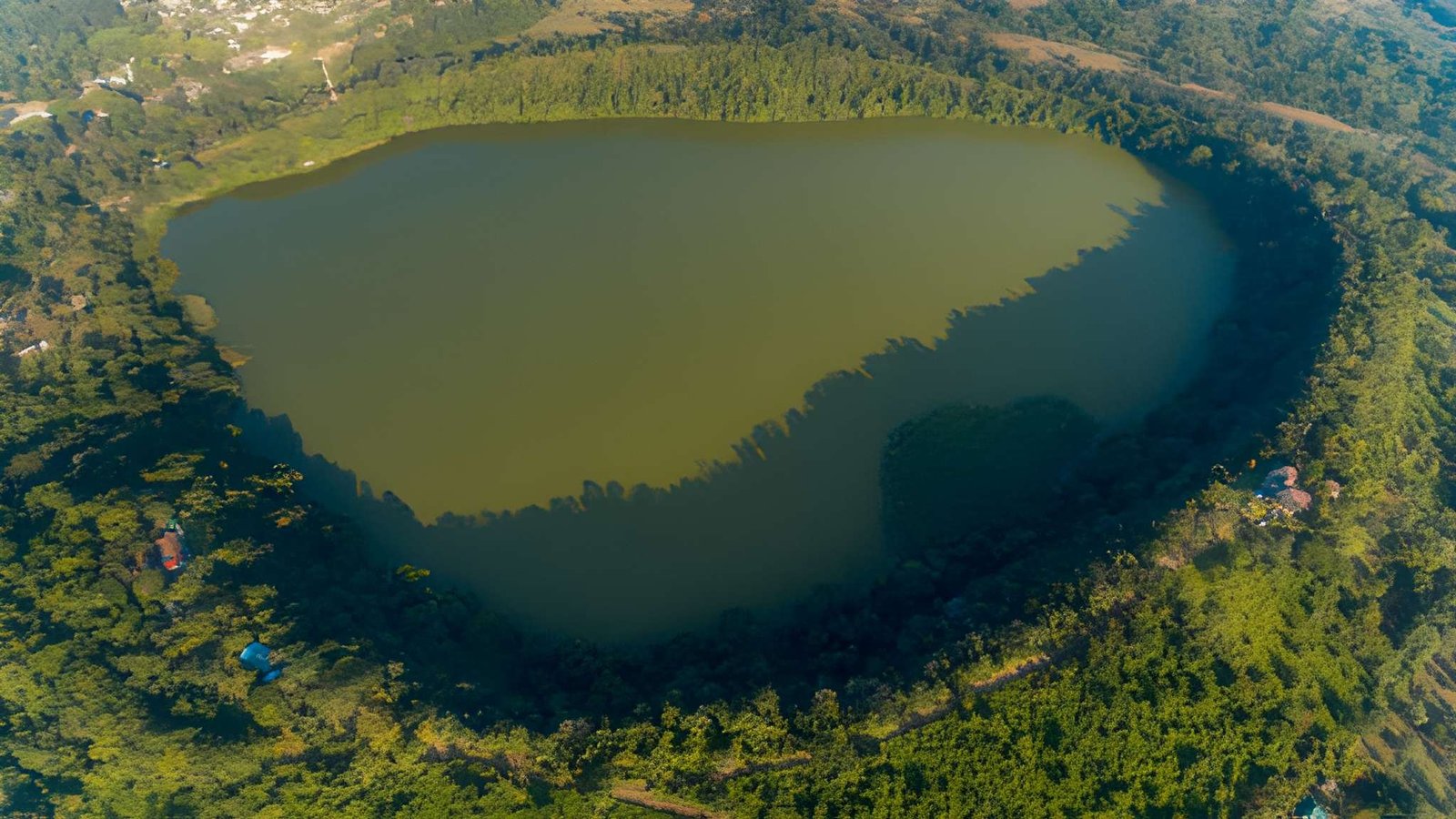
Lake Duluti is a volcanic caldera lake in Meru (Arumeru district) of the Arusha region, on the eastern edge of the eastern branch of the Great Rift Valley. It lies near the town of Tengeru, just 14 km from Arusha and 1.4 km south of the Arusha–Moshi road.
The lake covers about 0.6 km², around 63 hectares, with a length of about 1,100 metres, a width of about 730 metres and a depth of up to 9–15 metres. It lies at 1,290 metres above sea level, nested within an extinct crater whose formation is linked to Mount Meru, and is fed entirely by underground springs.
The crater walls rise around 200 metres and are covered by sub-montane forest, while a marshy papyrus area provides a refuge for many species. On clear days you can see Kilimanjaro and Meru from the shore.
Why Lake Duluti
Lake Duluti is the perfect half-day or full-day escape from Arusha, whether you arrive, depart or rest between safaris.
Paddle across calm water, feeling the cool breeze and spotting Nile monitors along the banks.
Over 130 species recorded, from waders and waterfowl to turacos, weavers and kingfishers.
A trail circles the lake through forest, cool enough to walk even in the heat of the day.
Kilimanjaro and Meru tower above the lake on clear days.
Just 40 minutes from the city, ideal for a short trip at the start or end of a safari.
Location
Lake Duluti is near Tengeru, about 14 km east of Arusha city centre and 1.4 km south of the Arusha–Moshi road, so it can be reached easily on foot or by vehicle. It takes around 40 minutes to drive from Arusha, 1 to 1.5 hours from Kilimanjaro International Airport, about 30 km away, and 2 to 3 hours from Moshi, about 60–70 km away.
Day trips start and end in Arusha, Moshi or Kilimanjaro International Airport.
When to visit
The climate varies with the season, but Lake Duluti is worth visiting all year round.
Cool, clear days with the best views of Kilimanjaro and Meru.
Lush forest and breeding birds, with weaver nests hanging over the papyrus.
Warm and mostly dry, perfect for canoeing and picnics.
Green and quiet, though the forest trail can be muddy.
Every month has its appeal, with the dry season best for views and the rains for breeding birds.
Warm and mostly dry, ideal for canoeing.
Settled weather and clear morning views of Kilimanjaro.
Rains begin, bringing fresh greenery to the forest.
The wettest month, with a muddy trail but lush scenery.
Rains ease and the forest is at its greenest.
Cool, dry days perfect for the crater walk.
Crisp, clear mornings with fine mountain views.
Dry and pleasant, one of the best months to visit.
Excellent conditions for canoeing and birding.
Warm and clear before the short rains.
Short rains bring breeding colours to the papyrus.
Green and lively, with excellent birdwatching.
Explore the area
Visitors are free to choose the activity that suits them, from paddling to forest walks and quiet picnics.
Wildlife
With forest, open water and papyrus marsh, Lake Duluti offers ideal places for feeding, nesting and resting. At certain times of year the papyrus and reed mace are dotted with yellow, red and orange breeding birds, and woven nests hang over the water.
The forest and caves are home to monitors, agamas, skinks and snakes, while monkeys move through the trees.
Where to look: Shoreline and water
Large lizards often seen swimming or basking near the canoe route.
Where to look: Caves and crater walls
A stockier monitor that shelters in the caves.
Where to look: Rocks and caves
Colourful lizards that bask on rocks along the trail.
Where to look: Forest edges
Common around the picnic sites and forest edge.
Where to look: Crater forest
Sometimes seen in the taller forest trees.
Where to look: Open water
Often seen diving for fish or drying their wings.
Where to look: Papyrus and reed mace
Bright yellow birds that weave hanging nests over the water.
Where to look: Forest canopy
A colourful forest bird with flashes of red in flight.
Where to look: Shallow edges
Elegant white birds that hunt along the papyrus margins.

A Morning on the Water
Canoeing is the most popular way to enjoy Lake Duluti. You paddle out onto calm water surrounded by forested crater walls, feeling the cool breeze and listening to birds calling from the papyrus.
Nile monitors swim near the banks, and on clear days Kilimanjaro and Meru rise above the rim.
Safaris to 中文
Half-day and full-day trips to Lake Duluti, ideal before or after a safari or climb.

Tell us when you would like to visit. A GIP Adventure specialist will arrange your transport, guide and canoe trip.
Usually replies within minutesHeritage
The caves around Lake Duluti have long been used by Christians and people of other faiths as places to pray and seek forgiveness. For some they are a refuge, for others sacred.
The forest around the lake is protected as a forest reserve, preserving its trees, birds and reptiles for future generations.
About 14 km, or 40 minutes' drive.
Yes, canoeing is the most popular activity on the lake.
No, the path is shaded and not steep, with picnic sites for rests.
Yes, on clear days both Kilimanjaro and Meru can be seen.
Yes, with over 130 species recorded.
A Land Cruiser, 4x4 safari vehicle, HiAce or Coaster, depending on group size.
Your safari starts here
Let GIP Adventure plan your trip to Lake Duluti, the perfect nature escape just outside Arusha.
Chat with usOnline