
The Samburu Special Five
Grevy's zebra, Somali ostrich, reticulated giraffe, gerenuk and beisa oryx are all found here, and seeing all five on a single game drive is entirely possible.

Climbing Kilimanjaro
The complete guideRoutes & fitness calculatorWhat to packOur climbs
6-Day Kilimanjaro: Marangu Route7-Day Kilimanjaro: Machame Route6-Day Kilimanjaro: Umbwe Route7-Day Kilimanjaro: Rongai Route7-Day Kilimanjaro: Shira Plateau / Morrum Barrier Route9-Day Kilimanjaro: Lemosho Route4-Day Mount Meru Trek5-Day Ol Doinyo Lengai & Lake Natron Trek10-Day Kilimanjaro Trekking & Wildlife Safari11-Day Kilimanjaro Trekking & Wildlife SafariTour styles
Big 5 Safaris (7)Great Migration Safaris (6)Classic Wildlife Safaris (32)Wildlife-Themed Safaris (8)Fly-in & Luxury Safaris (8)Honeymoon Safaris (6)Mountain Trekking (10)Beach & Zanzibar Holidays (9)Gorilla & Primate Safaris (19)Multi-Country & Combination Safaris (9)Helicopter Safaris (5)Cultural Tours (2)Day Trips (10)Family SafarisCity Tours & Airport TransfersTailor-Made / Custom TripsPlan
All toursTanzania safari guidePlan a custom tripTanzania
All of TanzaniaNational ParksGame ReservesIslandsHistorical SitesMountains & VolcanoesLakes & WaterfallsCities & CoastKenya
All of KenyaNational ParksReserves & ConservanciesMountains & CoastCitiesUganda
All of UgandaNational ParksWildlife ReservesLakes & WaterfallsCities & GatewaysMore
Cultural experiencesLodges & campsAll destinationsKenya Reserves & Conservancies
Sun-baked scrubland, rocky kopjes and the palm-fringed Ewaso Ng'iro River make Samburu one of Kenya's wildest and most distinctive safari destinations, home to species found almost nowhere else.
Discover Samburu
Samburu National Reserve covers 165 km² and lies roughly 200 miles north of Nairobi, tucked into the hot, dry country of northern Kenya just north of the equator. It is a landscape of kopjes, arid scrubland and immense rocky outcrops, all centred on the meandering Ewaso Ng'iro River, whose doum palms and riverine forest form a green ribbon through the semi-desert.
This magical reserve supports animals uniquely adapted to drier, rockier environments. Its most famous residents are the Samburu Special Five: the Grevy's zebra, Somali ostrich, reticulated giraffe, gerenuk and beisa oryx, species found mainly in Samburu and the wider north of Kenya. Elephants, lions, leopards and cheetahs share the reserve with them, and over 450 bird species have been recorded, making it a true paradise for birders.
During the dry spells, most animals congregate along the river to drink, wallow and bathe, creating superb and concentrated game viewing. Samburu is also the homeland of the Samburu people, close cousins of the Maasai, whose bright beadwork and pastoral traditions add a rich cultural dimension to any visit.
Why Samburu
Samburu rewards travellers with rare northern species, a dramatic river setting and a sense of remoteness that is hard to find on the busier southern circuit.
Grevy's zebra, Somali ostrich, reticulated giraffe, gerenuk and beisa oryx are all found here, and seeing all five on a single game drive is entirely possible.
The Ewaso Ng'iro River draws elephants, buffalo and plains game in the dry season, with crocodiles basking on the sandbanks and leopards resting in the riverine trees.
More than 450 bird species have been recorded, including the vulturine guineafowl, Somali bee-eater, golden-breasted starling and many birds of prey.
Lions, leopards and cheetahs are all present, and the sparse vegetation often makes predators easier to follow than in thicker bush.
Visit a Samburu village, meet warriors in their beads and red cloths, and learn about a pastoral way of life closely tied to cattle, camels and the land.
The flat-topped Ol Lolokwe mountain and Koitogor hill rise above the plains, creating dramatic backdrops for photography, especially at sunrise and sunset.
Location
Samburu National Reserve lies in Samburu County in northern Kenya, on the northern bank of the Ewaso Ng'iro River, roughly 350 km by road from Nairobi. The drive takes around 5 to 6 hours via Nanyuki and Isiolo, passing Mount Kenya on the way, and the main access town is Archer's Post. Scheduled and charter flights from Nairobi's Wilson Airport land at airstrips in and around the reserve in about an hour.
Across the river lies Buffalo Springs National Reserve, and to the east Shaba National Reserve; together with Samburu they form a single ecosystem where wildlife moves freely. Samburu combines naturally with Ol Pejeta Conservancy, Mount Kenya and the wider Laikipia plateau, and from Arusha it is usually reached via Nairobi.
When to visit
Samburu is hot and dry for much of the year, and game viewing is good in most months, but the river makes the dry seasons especially rewarding.
The best time to visit. Water elsewhere disappears and wildlife concentrates along the Ewaso Ng'iro, with elephants crossing the river and excellent predator sightings.
Brief afternoon showers turn the scrubland green and bring migratory birds from Europe and Asia. Animals disperse a little, but scenery and birding are superb.
Hot, dry weather returns and animals gather by the river again. A great time for photography and quieter game drives.
The wettest months, with greener landscapes, newborn animals and very few visitors. Some tracks can be muddy after heavy downpours.
The dry months from June to October and January to March bring the most concentrated wildlife, while the rains bring green landscapes and excellent birding.
Hot and dry, with animals returning to the river and very good game viewing.
One of the hottest months, with wildlife concentrated along the Ewaso Ng'iro.
Still largely dry, with the first clouds building before the long rains.
The long rains arrive, bringing green growth, newborn animals and few visitors.
Rains continue but ease towards the end of the month, with lush scenery and good birding.
The dry season begins, and elephants and plains game start to gather by the river.
Dry, sunny and pleasant, with excellent game viewing along the riverbanks.
Peak dry season, with elephants, Special Five species and predators near the water.
Very dry, with dense wildlife concentrations and superb photographic light.
Hot and dry, with the river at its most important for wildlife before the rains.
Short rains refresh the land and migratory birds arrive in numbers.
A mix of sunshine and short showers, with green landscapes and festive-season safaris.
Explore the area
Samburu and its neighbouring reserves offer a surprising variety of habitats, from river forest to open semi-desert and rocky hills.
Wildlife
Samburu's wildlife is defined by the dry north. Alongside elephants, lions, leopards and cheetahs, the reserve is the best place in Kenya to see the Samburu Special Five, species uniquely adapted to arid country. Over 450 bird species have been recorded, and in the dry season the river becomes the centre of all activity.
Where to look: Open scrubland and plains
The largest and most endangered zebra, with narrow stripes, a white belly and large rounded ears.
Where to look: Acacia woodland near the river
Strikingly patterned with bold, clean-edged polygons, and found mainly in northern Kenya.
Where to look: Dry thornbush across the reserve
A long-necked antelope that stands on its hind legs to browse leaves out of reach of others.
Where to look: Open plains and semi-desert
An elegant antelope with long straight horns, perfectly adapted to survive with little water.
Where to look: Open plains
Males have distinctive blue-grey necks and legs, unlike the pink of the common ostrich.
Where to look: Along the Ewaso Ng'iro River
Large herds come to drink, bathe and cross the river, especially during the dry season.
Where to look: Riverine areas and plains
Prides patrol the river and plains, preying on zebra, oryx and other game.
Where to look: Riverine forest and rocky kopjes
Samburu has a reputation for good leopard sightings, often in the trees along the river.
Where to look: Open plains
The open country suits cheetahs, which are seen hunting gazelles and gerenuk.
Where to look: Ewaso Ng'iro River
Large crocodiles bask on the sandbanks and wait in the shallows.
Where to look: Thornbush and riverine edges
A striking guineafowl with cobalt-blue plumage, one of Samburu's signature birds.
Where to look: Wider Samburu ecosystem
Packs range widely across northern Kenya and are occasionally seen passing through.
The Samburu Special Five
Samburu is the place to find the Samburu Special Five: Grevy's zebra, reticulated giraffe, gerenuk, beisa oryx and Somali ostrich. All are adapted to the dry north and are rarely seen on Kenya's southern safari circuit, which makes ticking them off one of the great pleasures of a northern safari.
Your guide will take you along the river and out onto the scrubland in the cool of early morning and late afternoon, when animals are most active. Add a bush meal, a guided nature walk or a camelback excursion with Samburu guides for a complete northern Kenya experience.
Safaris to 中文
Kenya itineraries that include Samburu, often combined with Ol Pejeta, Lake Nakuru and the Masai Mara.
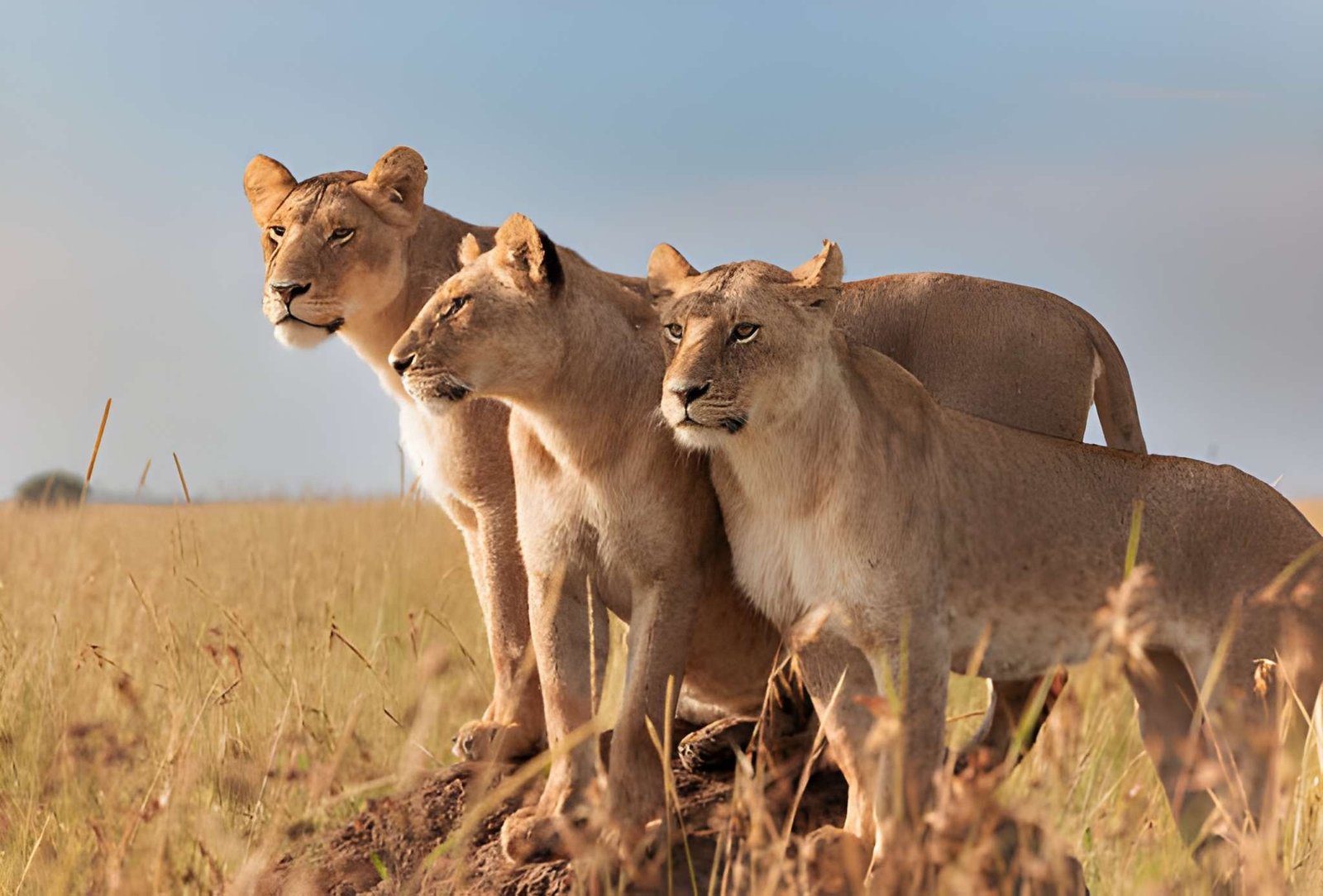
Kenya · 10 days
Samburu National Reserve · Ol Pejeta Conservancy · Lake Nakuru · Masai Mara
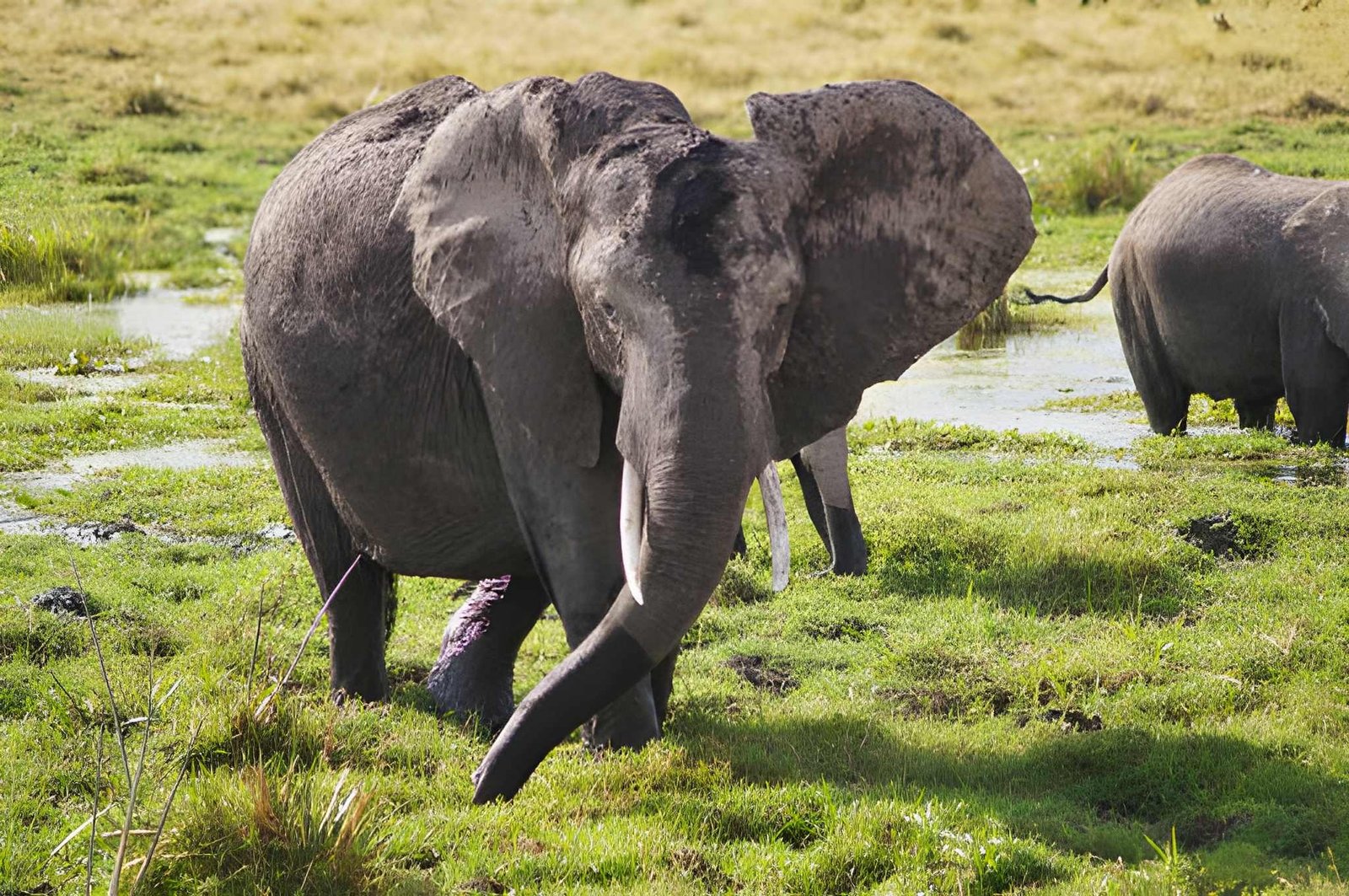
Kenya · 8 days
Samburu National Reserve · Ol Pejeta Conservancy · Lake Nakuru · Masai Mara
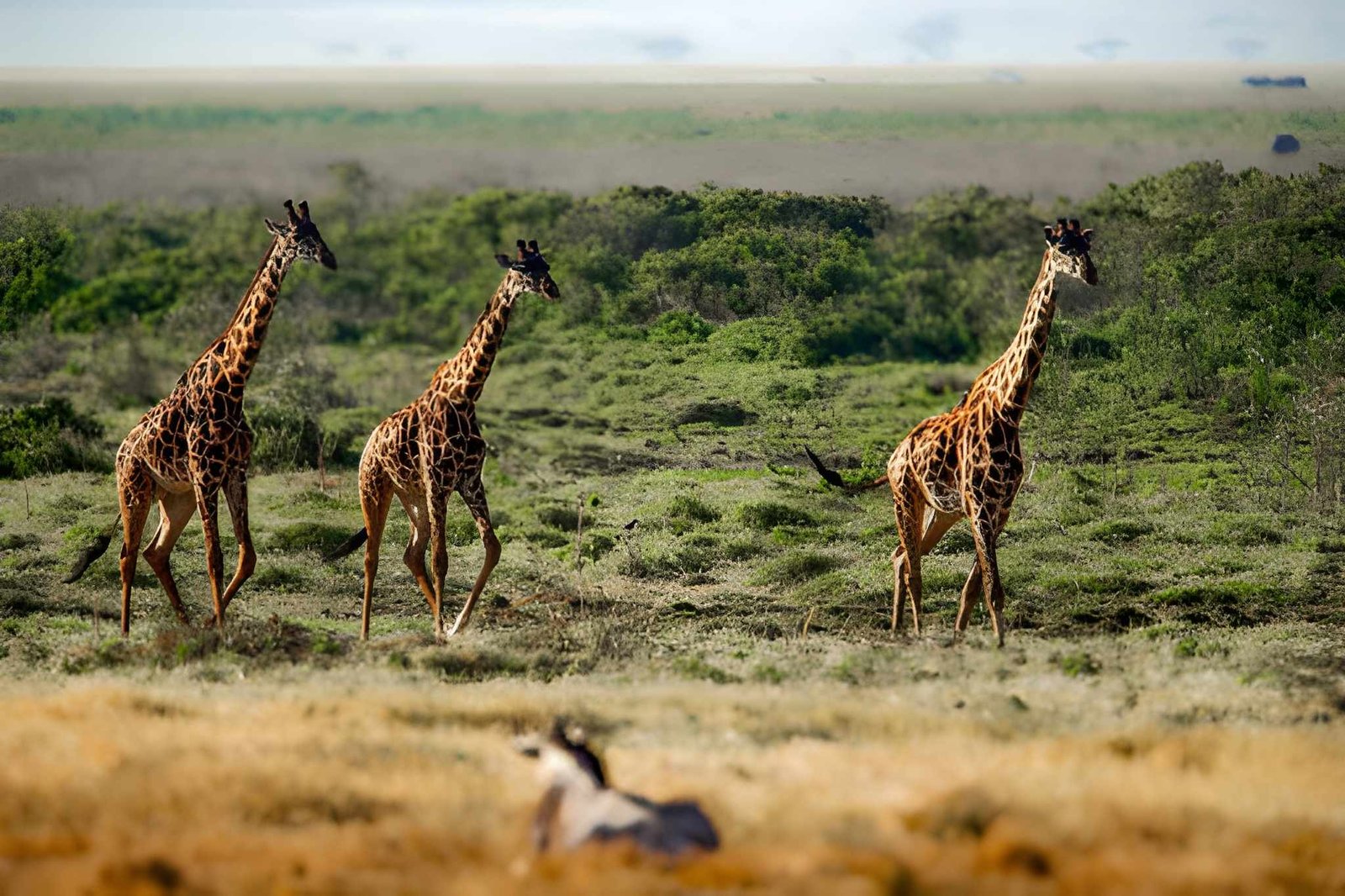
Kenya · 15 days
Samburu National Reserve · Ol Pejeta Conservancy · Lake Nakuru · Lake Naivasha

Tell us how long you have and what you would love to see. A GIP Adventure specialist will help you build a Samburu safari, combining the north with Ol Pejeta, Lake Nakuru, the Masai Mara or Tanzania's northern circuit.
Usually replies within minutesHeritage
Samburu takes its name from the Samburu people, semi-nomadic pastoralists who speak a language closely related to Maa and share many traditions with the Maasai. For generations they have herded cattle, goats and camels across this dry land, moving with the seasons in search of water and grazing. Their colourful beadwork, warrior traditions and age-set ceremonies remain an important part of life today.
The reserve is managed by the local county government, and much of the surrounding land is held in community conservancies, where Samburu communities protect wildlife alongside their livestock and benefit from tourism. Samburu also became known worldwide through the story of Elsa the lioness, whose life with Joy and George Adamson was set in this region of northern Kenya.
The Grevy's zebra, reticulated giraffe, gerenuk, beisa oryx and Somali ostrich, species mainly found in Samburu and the wider north of Kenya.
By road from Nairobi in about 5 to 6 hours via Nanyuki and Isiolo, or by scheduled or charter flight from Wilson Airport in about an hour.
June to October and January to March, when it is dry and wildlife gathers along the Ewaso Ng'iro River. The rains bring green scenery and superb birding.
Two to three nights is ideal to explore the river, the plains and the neighbouring Buffalo Springs reserve at a relaxed pace.
You can see elephants, lions, leopards and buffalo. Rhinos are not normally found here, so we often combine Samburu with Ol Pejeta or Lake Nakuru for rhino sightings.
Birding, guided nature walks, cultural visits to Samburu villages, camelback safaris, mountain biking and bush meals, depending on where you stay.
Days are hot and dry for much of the year, often well above 30°C, while mornings and evenings are more comfortable. Light clothing, a hat and sunscreen are essential.
Your safari starts here
Let GIP Adventure plan a northern Kenya safari that brings you face to face with the Samburu Special Five, the river's elephants and the culture of the Samburu people.
Chat with usOnline