
Rhinos in Number
More than 100 black rhinos and around 40 southern white rhinos make Ol Pejeta one of the best places in Africa to see both species.

Climbing Kilimanjaro
The complete guideRoutes & fitness calculatorWhat to packOur climbs
6-Day Kilimanjaro: Marangu Route7-Day Kilimanjaro: Machame Route6-Day Kilimanjaro: Umbwe Route7-Day Kilimanjaro: Rongai Route7-Day Kilimanjaro: Shira Plateau / Morrum Barrier Route9-Day Kilimanjaro: Lemosho Route4-Day Mount Meru Trek5-Day Ol Doinyo Lengai & Lake Natron Trek10-Day Kilimanjaro Trekking & Wildlife Safari11-Day Kilimanjaro Trekking & Wildlife SafariTour styles
Big 5 Safaris (7)Great Migration Safaris (6)Classic Wildlife Safaris (32)Wildlife-Themed Safaris (8)Fly-in & Luxury Safaris (8)Honeymoon Safaris (6)Mountain Trekking (10)Beach & Zanzibar Holidays (9)Gorilla & Primate Safaris (19)Multi-Country & Combination Safaris (9)Helicopter Safaris (5)Cultural Tours (2)Day Trips (10)Family SafarisCity Tours & Airport TransfersTailor-Made / Custom TripsPlan
All toursTanzania safari guidePlan a custom tripTanzania
All of TanzaniaNational ParksGame ReservesIslandsHistorical SitesMountains & VolcanoesLakes & WaterfallsCities & CoastKenya
All of KenyaNational ParksReserves & ConservanciesMountains & CoastCitiesUganda
All of UgandaNational ParksWildlife ReservesLakes & WaterfallsCities & GatewaysMore
Cultural experiencesLodges & campsAll destinationsKenya Reserves & Conservancies
Beneath the snowy outline of Mount Kenya, Ol Pejeta is a haven for rhinos and one of Africa's most inspiring conservation stories, with the Big Five, rare species and chimpanzees all in one place.
Discover Ol Pejeta
Ol Pejeta Conservancy is one of Kenya's most famous protected areas, set up to safeguard endangered species. If you are a rhino lover, this is a pure haven on earth: the conservancy protects a population of more than 100 black rhinos, the largest in East Africa, together with around 40 southern white rhinos and the last two northern white rhinos left anywhere in the world.
Spread across the Laikipia plateau between the Aberdare Range and Mount Kenya, Ol Pejeta offers beautiful landscapes and varied habitats, from open grassland and acacia woodland to riverine forest along the Ewaso Ng'iro. Endangered and unusual species thrive here, including African painted dogs, which range across Laikipia, Grevy's zebra, oryx and Jackson's hartebeest, alongside the full Big Five, cheetahs, hyenas and vibrant birdlife.
Ol Pejeta is also home to the Sweetwaters Chimpanzee Sanctuary, the only place in Kenya where you can see chimpanzees, man's closest relative. The sanctuary gives a lifelong home to chimpanzees rescued from the illegal wildlife trade, making a visit here as moving as it is memorable.
Why Ol Pejeta
Ol Pejeta combines superb game viewing with direct access to some of the most important conservation work in Africa, all within easy reach of Nairobi.
More than 100 black rhinos and around 40 southern white rhinos make Ol Pejeta one of the best places in Africa to see both species.
Meet the world's last two northern white rhinos, both female, guarded around the clock in a dedicated enclosure.
The Sweetwaters Chimpanzee Sanctuary offers the only chance in Kenya to watch chimpanzees, all rescued from trafficking and abuse.
Lions, leopards, elephants, buffalo and rhinos all live on the conservancy, with excellent chances of seeing them in a single stay.
Grevy's zebra, beisa oryx and Jackson's hartebeest are found here, species missing from most southern Kenyan parks.
On clear mornings, the jagged peaks of Mount Kenya rise above the plains, a magnificent backdrop for game drives and photographs.
Location
Ol Pejeta Conservancy lies in Laikipia County in central Kenya, on the equator between the Aberdare Range and Mount Kenya. The nearest town is Nanyuki, about 15 km away, and the drive from Nairobi takes around 3 to 4 hours on good tarmac roads. Scheduled flights from Wilson Airport to Nanyuki take under an hour.
Ol Pejeta is a natural stop between Nairobi and Samburu, and pairs well with Mount Kenya, Lake Nakuru and the Masai Mara. Travellers coming from Arusha usually connect via Nairobi, around 5 to 6 hours by road through the Namanga border.
When to visit
Ol Pejeta's high altitude keeps temperatures pleasant all year, and its resident wildlife means game viewing is good in every season.
The best time for game viewing, with short grass, clear skies and animals gathering near water. Mornings and evenings are cool.
Brief showers refresh the plains, and migratory birds arrive. Wildlife remains resident and easy to find.
Warm, dry and clear, with superb views of Mount Kenya and excellent rhino viewing.
The greenest months, with fewer visitors and lush scenery. Some tracks become muddy, but wildlife stays on the conservancy.
Ol Pejeta can be visited year-round, with the dry months offering the easiest game viewing and the clearest views of Mount Kenya.
Dry and sunny, with excellent rhino viewing and clear mountain views.
Warm and dry, one of the best months for photography on the plains.
The long rains begin late in the month, turning the grassland green.
The wettest month, with lush scenery, fewer visitors and resident wildlife.
Rains ease, leaving green plains and good birding.
The dry season begins, with cool mornings and rewarding game drives.
Cool and dry, with animals gathering around waterholes and the river.
Dry and clear, a popular month to combine Ol Pejeta with the Masai Mara migration.
Excellent game viewing with short grass and good predator sightings.
Dry and warm before the rains, with superb views of Mount Kenya.
Short rains arrive, bringing migratory birds and fresh green growth.
A mix of sunshine and showers, with green landscapes and festive-season visitors.
Explore the area
From rhino enclosures to riverine forest, Ol Pejeta's highlights are close together but each offers something different.
Wildlife
Ol Pejeta protects the Big Five alongside a remarkable list of endangered species. Black and white rhinos are the stars, but the conservancy is also home to Grevy's zebra, visiting African painted dogs, Jackson's hartebeest, oryx, cheetahs and chimpanzees, with vibrant birdlife throughout.
Where to look: Bush and acacia woodland
Ol Pejeta protects more than 100 black rhinos, the largest population in East Africa.
Where to look: Open grassland
Around 40 southern white rhinos graze the plains and are often seen at close range.
Where to look: Protected enclosure near the conservation centre
The last two of their kind, guarded around the clock and visited with conservancy rangers.
Where to look: Sweetwaters Chimpanzee Sanctuary
Rescued chimpanzees live in a large riverine sanctuary, the only place to see them in Kenya.
Where to look: Grassland and plains
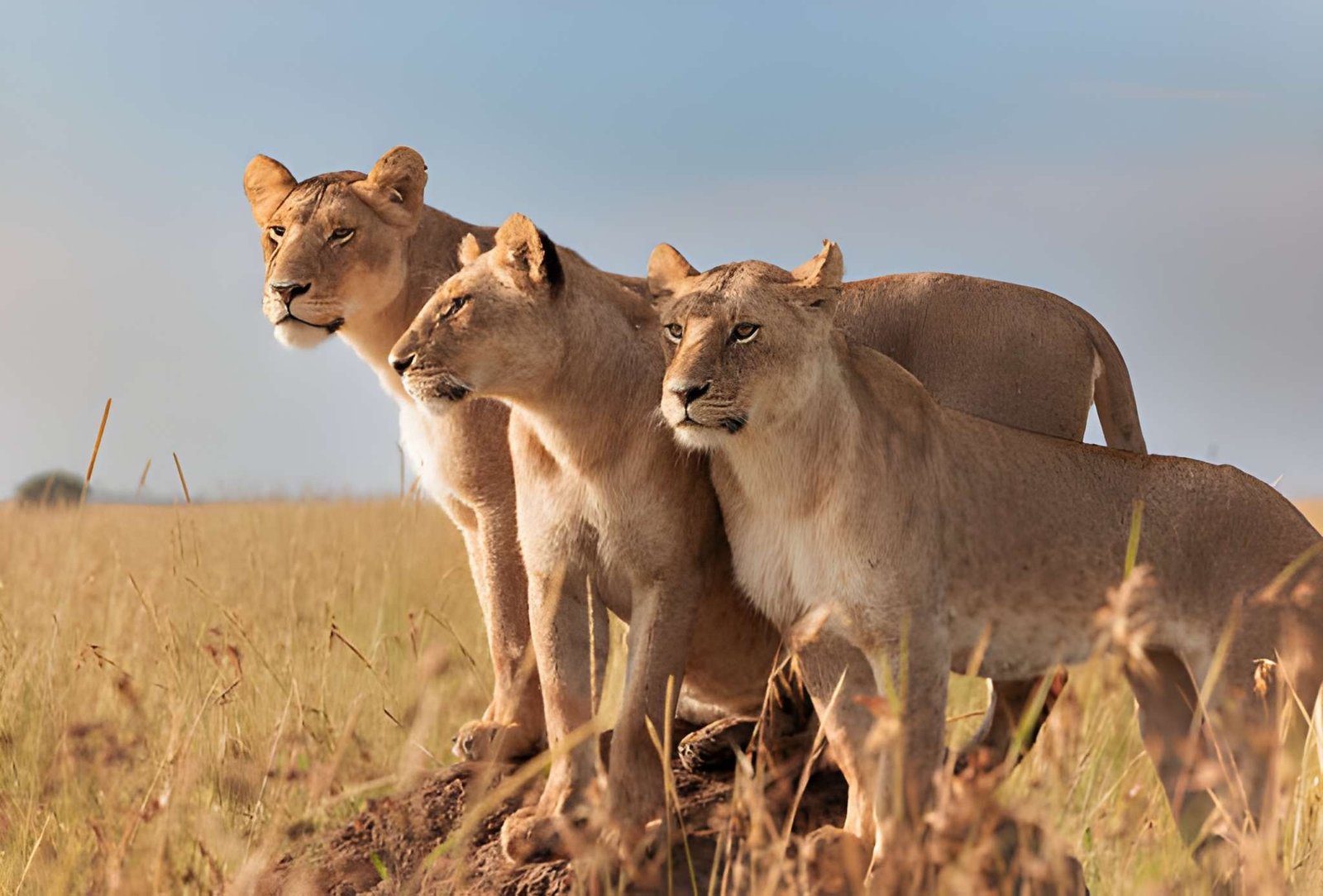
Ol Pejeta has a healthy lion population, with prides hunting zebra and buffalo.
Where to look: Woodland and wildlife corridors
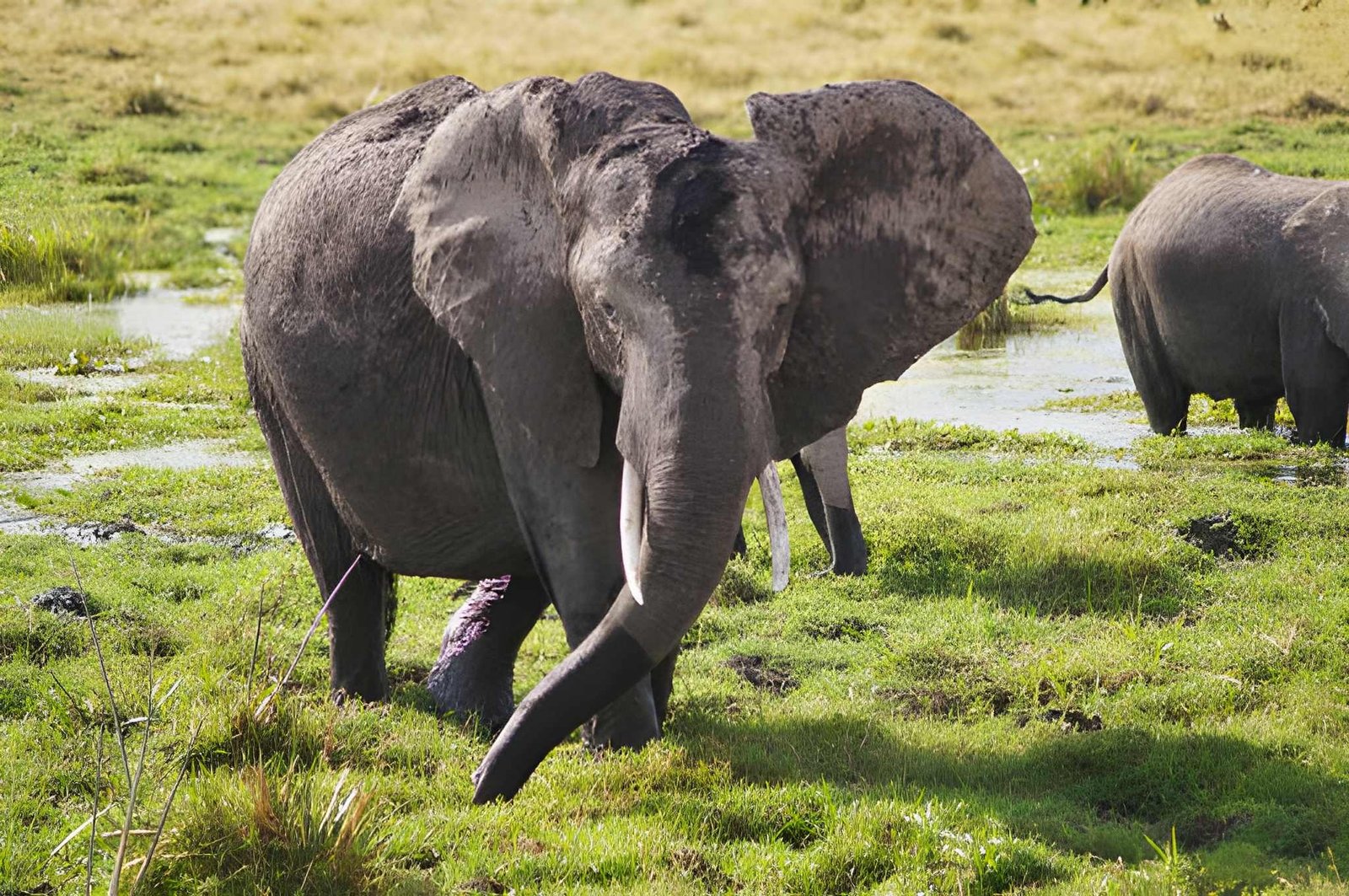
Elephants move through corridors linking the conservancy with the wider Laikipia ecosystem.
Where to look: Riverine forest and thickets
Present but elusive, most often seen at dawn or dusk.
Where to look: Grassland and near water
Large herds graze across the conservancy.
Where to look: Open plains
An endangered northern zebra with narrow stripes and large rounded ears.
Where to look: Open grassland
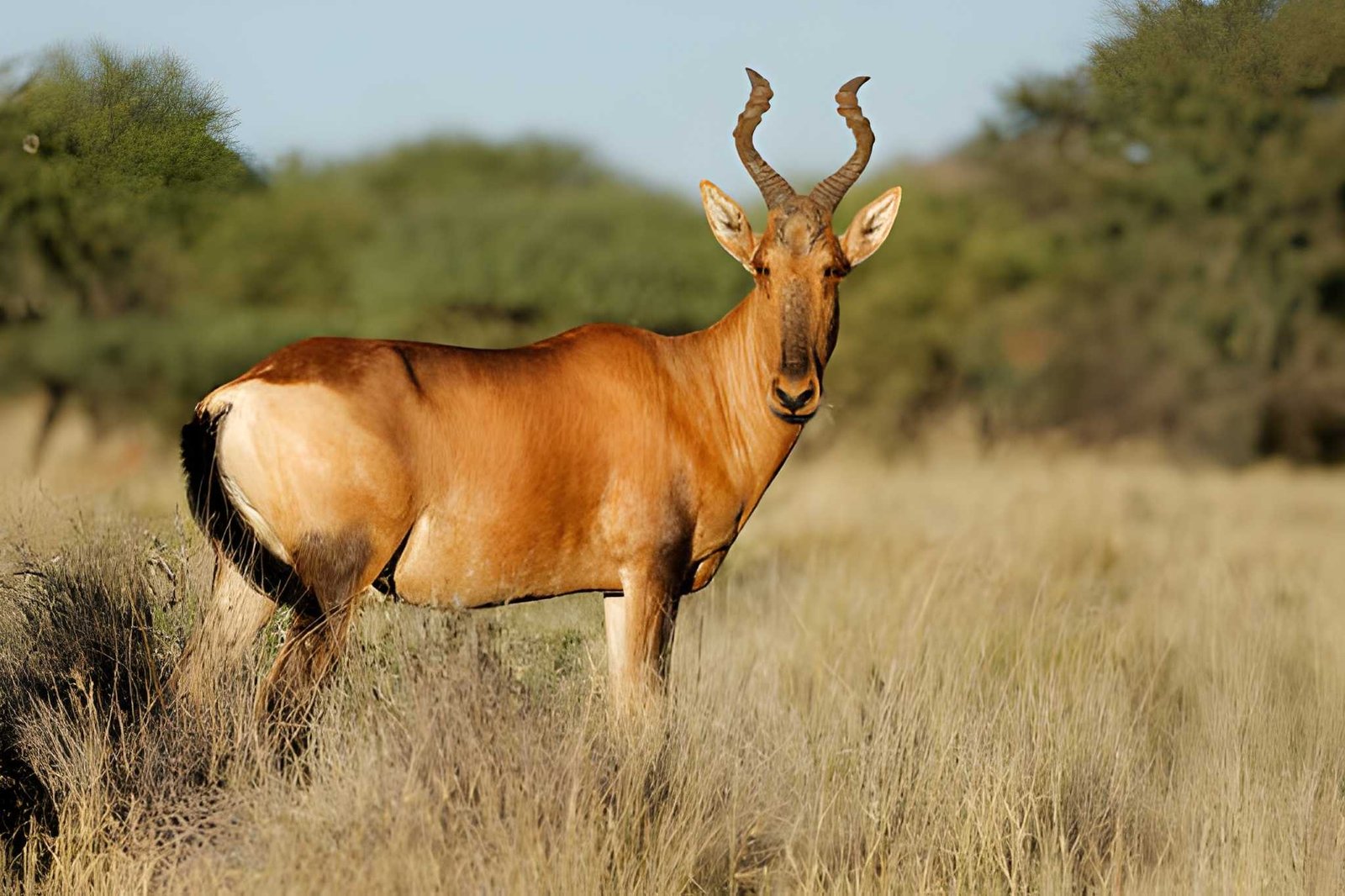
A rare hartebeest with a long face, found in only a few areas of Kenya.
Where to look: Drier open plains
A striking antelope with long straight horns, adapted to dry country.
Where to look: Open plains
Cheetahs are seen on the open plains, often in the early morning.

Meet the Last Northern White Rhinos
Ol Pejeta is home to Najin and Fatu, the last two northern white rhinos on earth. With rangers who care for them daily, you can learn about their story and the pioneering scientific work that aims to bring the subspecies back from the edge of extinction.
Combine this unforgettable encounter with a game drive in search of black and southern white rhinos, a visit to the Sweetwaters Chimpanzee Sanctuary and a sundowner with Mount Kenya glowing on the horizon.
Safaris to 中文
Kenya safaris that include Ol Pejeta, often combined with Samburu, Lake Nakuru and the Masai Mara.
Kenya · 7 days
Ol Pejeta Conservancy · Lake Nakuru · Masai Mara
Kenya · 10 days
Samburu National Reserve · Ol Pejeta Conservancy · Lake Nakuru · Masai Mara
Kenya · 8 days
Ol Pejeta Conservancy · Lake Nakuru · Masai Mara
Kenya · 8 days
Samburu National Reserve · Ol Pejeta Conservancy · Lake Nakuru · Masai Mara
Kenya · 9 days
Aberdare · Ol Pejeta Conservancy · Lake Nakuru · Masai Mara
Kenya · 11 days
Aberdare · Ol Pejeta Conservancy · Lake Nakuru · Masai Mara
Kenya · 12 days
Ol Pejeta Conservancy · Lake Nakuru · Masai Mara · Lake Naivasha
Kenya · 15 days
Samburu National Reserve · Ol Pejeta Conservancy · Lake Nakuru · Lake Naivasha

Tell us what you would love to see and how long you have. A GIP Adventure specialist will help you build a Kenya safari that includes Ol Pejeta's rhinos and chimpanzees, combined with Samburu, Lake Nakuru, the Masai Mara or Tanzania.
Usually replies within minutesHeritage
Ol Pejeta began as a cattle ranch in colonial Kenya and was later turned towards wildlife conservation. Today it is a not-for-profit conservancy that combines wildlife protection with livestock farming, showing that cattle and wildlife can share the land and support local livelihoods.
The conservancy's rhino programme has made it one of the most important rhino sanctuaries in Africa. It is also home to the last northern white rhinos, brought from a zoo in the Czech Republic in 2009 in the hope they would breed in a natural setting. After the death of Sudan, the last male, in 2018, scientists have continued working on assisted reproduction to save the subspecies. Tourism revenue helps fund rangers, community projects, schools and healthcare in the surrounding area.
Yes. Ol Pejeta has more than 100 black rhinos and around 40 southern white rhinos, so sightings are very likely, and you can also visit the last two northern white rhinos.
Chimpanzees are not native to Kenya, but the Sweetwaters Chimpanzee Sanctuary at Ol Pejeta cares for chimpanzees rescued from the illegal wildlife trade.
About 3 to 4 hours by road, or under an hour by scheduled flight from Wilson Airport to Nanyuki.
Yes. Lions, leopards, elephants, buffalo and rhinos all live on the conservancy, though leopards can be elusive.
Two nights allows game drives, a chimpanzee visit and time with the northern white rhinos without rushing.
Game drives, bird watching and guided nature walks, along with conservation experiences such as visits to the rhino enclosure and chimpanzee sanctuary.
Days are warm, but mornings and evenings can be cool because of the altitude, so bring a fleece or warm layer.
Your safari starts here
Let GIP Adventure plan a safari that brings you close to rhinos, chimpanzees and the Big Five beneath Mount Kenya.
Chat with usOnline