
Rhino Stronghold
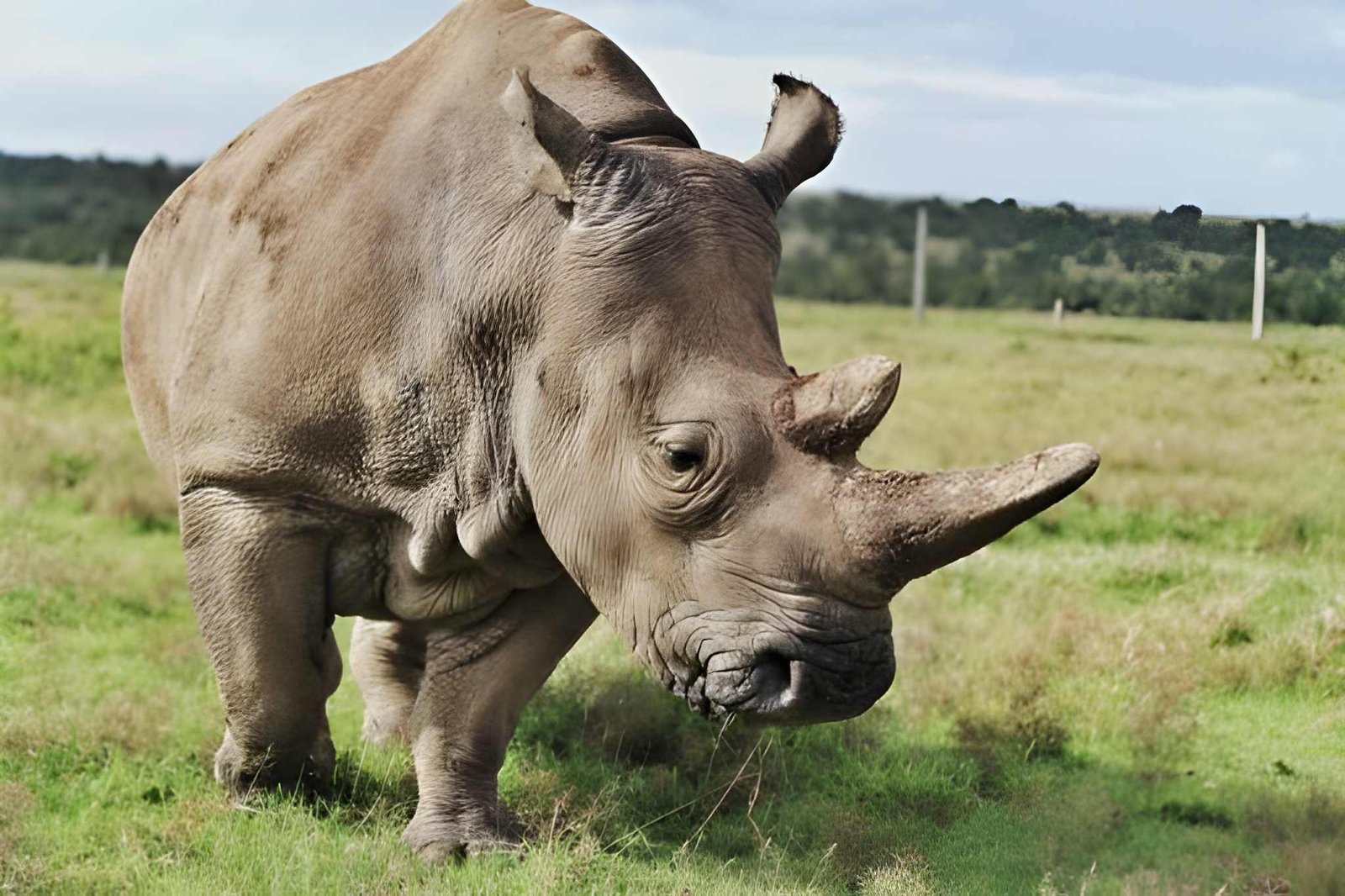
One of Kenya's most important rhino sanctuaries, with excellent chances of seeing black rhinos, which are bred here to restock other parks.

Climbing Kilimanjaro
The complete guideRoutes & fitness calculatorWhat to packOur climbs
6-Day Kilimanjaro: Marangu Route7-Day Kilimanjaro: Machame Route6-Day Kilimanjaro: Umbwe Route7-Day Kilimanjaro: Rongai Route7-Day Kilimanjaro: Shira Plateau / Morrum Barrier Route9-Day Kilimanjaro: Lemosho Route4-Day Mount Meru Trek5-Day Ol Doinyo Lengai & Lake Natron Trek10-Day Kilimanjaro Trekking & Wildlife Safari11-Day Kilimanjaro Trekking & Wildlife SafariTour styles
Big 5 Safaris (7)Great Migration Safaris (6)Classic Wildlife Safaris (32)Wildlife-Themed Safaris (8)Fly-in & Luxury Safaris (8)Honeymoon Safaris (6)Mountain Trekking (10)Beach & Zanzibar Holidays (9)Gorilla & Primate Safaris (19)Multi-Country & Combination Safaris (9)Helicopter Safaris (5)Cultural Tours (2)Day Trips (10)Family SafarisCity Tours & Airport TransfersTailor-Made / Custom TripsPlan
All toursTanzania safari guidePlan a custom tripTanzania
All of TanzaniaNational ParksGame ReservesIslandsHistorical SitesMountains & VolcanoesLakes & WaterfallsCities & CoastKenya
All of KenyaNational ParksReserves & ConservanciesMountains & CoastCitiesUganda
All of UgandaNational ParksWildlife ReservesLakes & WaterfallsCities & GatewaysMore
Cultural experiencesLodges & campsAll destinationsKenya National Parks
Lions on the plains, rhinos grazing in the grass and giraffes framed by skyscrapers: Nairobi National Park is the world's only true wildlife park on the edge of a capital city.
Discover Nairobi National Park
Covering about 117 km², Nairobi National Park is the only wildlife park in the world so close to a capital city, lying just 7 km south of Nairobi's centre. Here you can watch lions, rhinos, buffalo and giraffes on open plains with skyscrapers on the horizon, a remarkable contrast that makes it one of Kenya's most memorable experiences.
The park is a major rhino sanctuary, used for breeding and for restocking other parks across Kenya. More than 100 species of mammals live here, including four of the Big Five; only the elephant is missing. It is also an excellent birding paradise, with over 500 species recorded, making it well worth a visit.
Nairobi National Park can be visited all year round. Its attractions include varied vegetation from open grassland to forest and riverine woodland, Kifaru Ark, the Ivory Burning Site Monument, walking trails at the hippo pools and the Nairobi Animal Orphanage, all of which make a safari here exceptional.
Why Nairobi National Park
Whether you have a few hours between flights or a full day before your safari, Nairobi National Park offers genuine wildlife viewing without a long journey.
One of Kenya's most important rhino sanctuaries, with excellent chances of seeing black rhinos, which are bred here to restock other parks.
Lions, leopards, buffalo and rhinos all live in the park; only elephants are absent.
Few places on earth let you photograph giraffes and zebras against the towers of a capital city.
Grassland, forest, rivers and dams attract an exceptional variety of resident and migratory birds.
Stretch your legs on the guided walking trail at the hippo pools along the Mbagathi River.
Ideal for a morning or afternoon game drive on arrival, before an evening flight or as a half-day trip from the city.
Location
Nairobi National Park lies just 7 km south of Nairobi city centre, with the main gate on Langata Road. It is only a short drive from Jomo Kenyatta International Airport and Wilson Airport, so you can be on a game drive within minutes of landing. Its southern boundary is the Mbagathi River, beyond which wildlife moves onto the open Kitengela plains.
From Arusha, it is about 270 km to Nairobi via the Namanga border, a drive of roughly 5 to 6 hours, and there are also short daily flights between the two cities. This makes the park an easy first or last stop on a combined Tanzania and Kenya safari.
When to visit
The park is visited all year round, but the dry seasons make wildlife easier to find around the dams and rivers.
Excellent game viewing as animals gather around the dams and the river, with cool, clear mornings.
Brief showers green the grassland, and migratory birds arrive in good numbers.
Warm and dry, with good visibility and reliable game viewing.
The wettest time; some animals disperse and tracks can be muddy, but birdlife is superb and the plains are lush.
Any month is good for a short safari, though the dry months bring the most reliable sightings.
Warm and dry, with good game viewing and fresh grass from the short rains.
One of the driest months, ideal for spotting rhinos and lions.
The long rains approach; a good time for green scenery and birding.
Usually the wettest month, with lush plains and fewer visitors.
Rains ease and migratory birds are still present.
The dry season begins and wildlife returns to the dams.
Cool and dry, a prime month for game drives.
Excellent wildlife viewing as animals concentrate near water.
Dry and rewarding, with clear views of the city skyline.
Warm and settled before the short rains arrive.
Short rains bring fresh growth and migrant birds.
Green and lively, with good birding and pleasant drives.
Explore the area
Though compact, the park includes open plains, forest, river valleys and some fascinating historical sites.
Wildlife
Nairobi National Park supports more than 100 species of mammals, including four of the Big Five: rhinos, lions, leopards and buffalo. Black rhinos are a highlight, and the park is one of the best places in Kenya to see them. Plains game is plentiful, with giraffes, zebras, elands, hartebeest, impalas, gazelles and warthogs grazing the grassland, while cheetahs and hyenas are also present.
With over 500 bird species recorded, the park is a birding paradise, from ostriches and secretary birds on the plains to raptors, weavers and many migrants.
Where to look: Open plains and thickets
Nairobi is a key rhino sanctuary and sightings are frequent.
Where to look: Open plains
Prides roam the plains, often with the city skyline behind them.
Where to look: Grassland and dams
Commonly seen grazing across the park.
Where to look: Forest and riverine areas
Present but rarely seen.
Where to look: Acacia woodland and plains
Often photographed against the city's skyscrapers.
Where to look: Open grassland
Common throughout the park.
Where to look: Southern plains
Occasionally seen on the open southern grasslands.
Where to look: Hippo pools on the Mbagathi River
Best seen on the hippo pools walking trail.
Where to look: Open plains
Africa's largest antelope grazes the grassland.
Where to look: Open plains
The world's largest bird is a common sight.

Rhinos Beneath the Skyline
Watching a black rhino graze with the towers of Nairobi rising behind it is an experience found nowhere else on earth. As one of Kenya's leading rhino sanctuaries, the park breeds rhinos to restock other reserves, and its open plains make them easier to spot than in many larger parks.
Combine an early-morning game drive with the hippo pools walk, the Ivory Burning Site Monument and the Nairobi Animal Orphanage for a rewarding day before or after your wider safari.
Safaris to 中文
Itineraries that include Nairobi National Park, often as a first or last day on a Kenya or Kenya–Tanzania safari.
Kenya · 11 days
Amboseli · Tsavo West · Tsavo East
Kenya · 12 days
Ol Pejeta Conservancy · Lake Nakuru · Masai Mara · Lake Naivasha

Tell us how long you have and what you would love to see. A GIP Adventure specialist will help you fit Nairobi National Park into your arrival, departure or a longer Kenya and Tanzania safari.
Usually replies within minutesHeritage
Established in 1946, Nairobi National Park was Kenya's first national park. Its creation owed much to early conservationists who campaigned to protect the plains that wildlife shared with the growing city, and it became a model for Kenya's national park system.
The park has played a key role in rhino conservation, breeding animals for translocation across Kenya. In 1989 it was the setting for a landmark ivory burn, when Kenya destroyed its stockpile of confiscated ivory to signal its stand against poaching, an event now marked by the Ivory Burning Site Monument. Today the park faces pressure from development around it, and keeping the southern Kitengela migration corridor open remains vital to its future.
Just 7 km from the city centre, and only a short drive from Jomo Kenyatta International Airport.
No. The park has four of the Big Five but no elephants. Orphaned elephants can be seen nearby at an elephant orphanage.
Yes. A morning or afternoon game drive fits easily around flights.
Rhinos, lions, buffalo, giraffes, zebras, elands, cheetahs, hippos and over 500 bird species.
Yes, on the guided hippo pools trail along the Mbagathi River.
The park is visited all year; June to October and January to February are best for game viewing.
Your safari starts here
Let GIP Adventure add Nairobi National Park to your journey and begin or end your safari with rhinos beneath the skyline.
Chat with usOnline